Chigʻatoy Oqtepa: An Archaeological Settlement in Tashkent
Site at a Glance
- Popularity
- Very Low
- Country
- Uzbekistan
- Primary era
- Medieval
- Eras represented
- Classical, Medieval
- Civilizations
- Unclassified
- Site type
- Military
- Remains
- Citadel
History
Chigʻatoy Oqtepa is an archaeological settlement in northwestern Tashkent, Uzbekistan. It belonged to the second phase of settlement development in the Tashkent oasis, when settlements grew along water systems. The site was occupied from the fifth to the eighth centuries and again from the tenth century.
Nikolay Mallitskiy recorded Chigʻatoy Oqtepa in 1927, and M. E. Voronets noted it in 1940. A Tashkent archaeological team examined the site in 1968 but did not excavate it. Modern urban development altered the site, and its name was carried into the modern Chagatai Aktepa neighborhood on Farabi Street.
Remains
The settlement lies in an area irrigated by the Kaykovus Canal. A citadel, a fortified stronghold at a settlement’s center, stood amid settlement remains that extended around it on all sides. The surrounding settlement had no defensive wall.
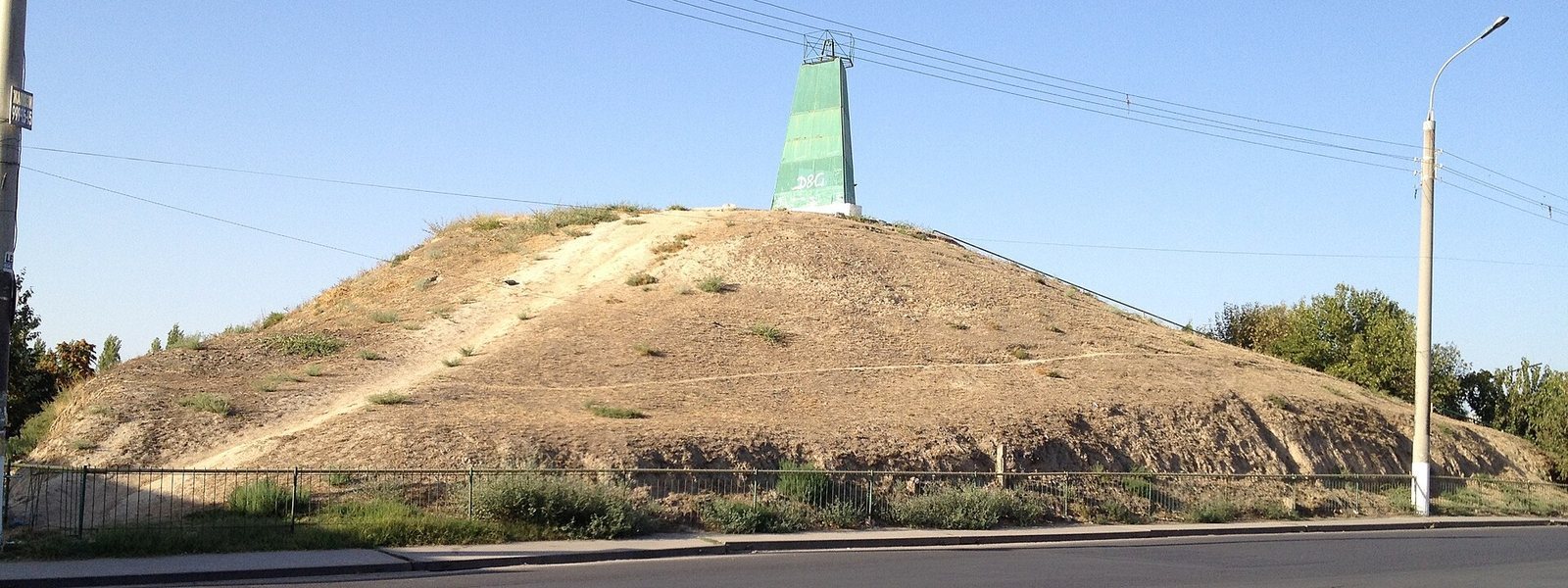
By 2008, the citadel was the only preserved part of the site. It survives as a steep-sided mound, 30 meters in diameter at the top and 6 to 8 meters high. Dense modern construction has levelled much of the settlement, though sparse traces remain discernible in the terrain southwest and northeast of the mound.