Château Soutard: An Eighteenth-Century Wine Estate in Saint-Émilion
Site at a Glance
- Popularity
- Medium
- Country
- France
- Primary era
- Early Modern
- Eras represented
- Early Modern
- Civilizations
- French
- Site type
- Domestic
- Remains
- Manor House
On this page6 sections
History
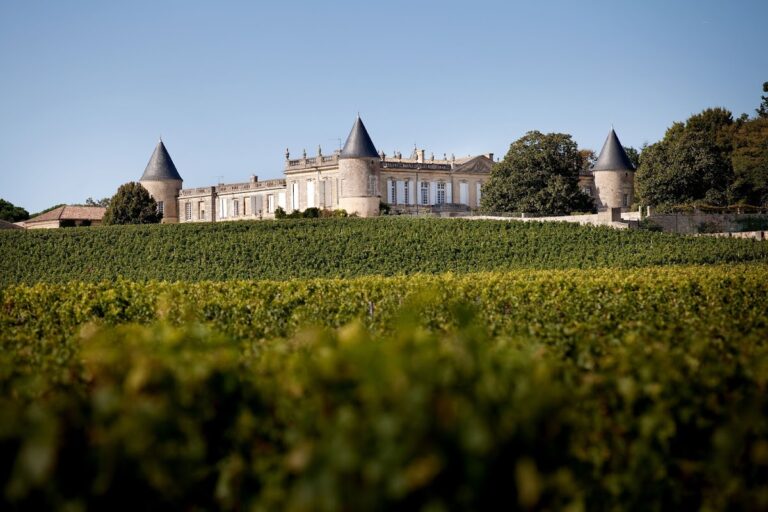
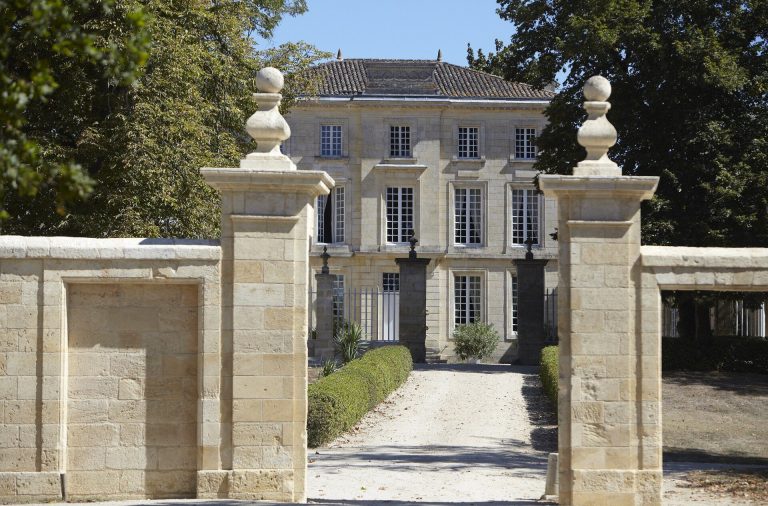
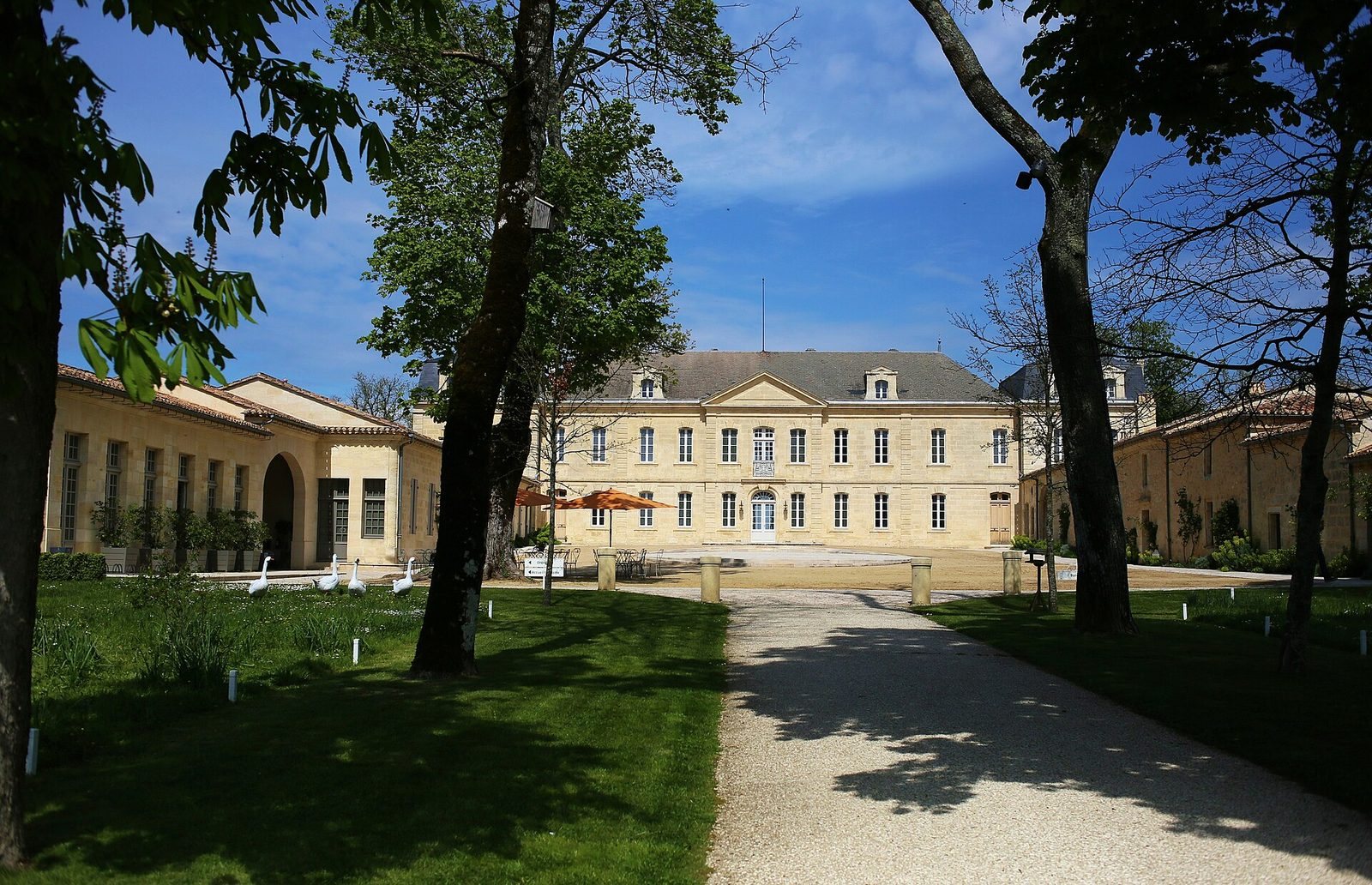
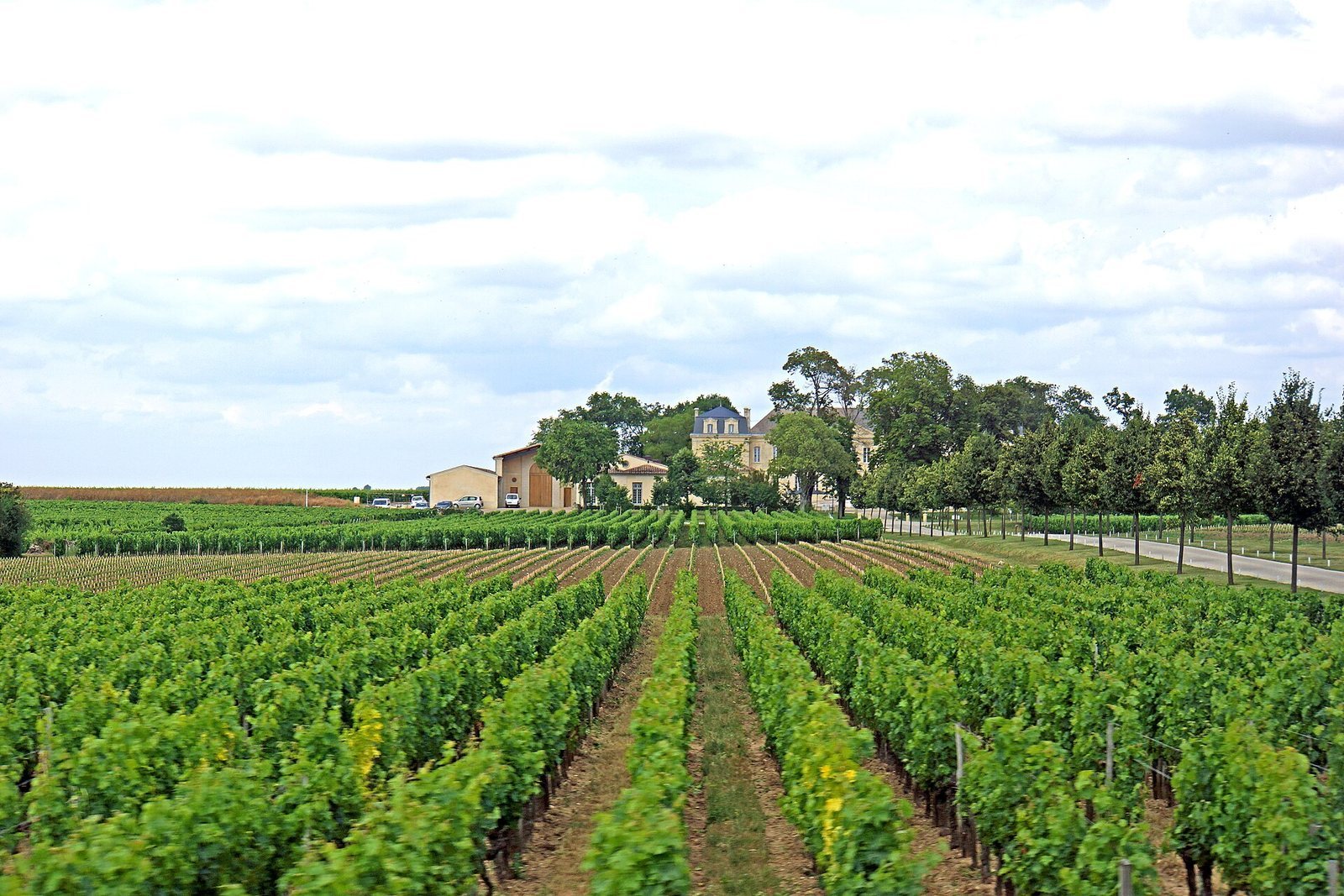
Château Soutard is an eighteenth-century neoclassical wine château in Saint-Émilion, France, with a design drawing on classical Greek and Roman forms. Its vineyard was among the first to be planted in rows, rather than in the irregular pattern customary at the time.
Early records and construction
The estate’s earliest recorded mention dates to 1513, when it was called the bourdieu of Mayne de Soutard. A bourdieu was a Gascon estate organized around a farm and a mill. The name Soutard may derive from an English family name.
Jean Couture, a municipal magistrate in Saint-Émilion, bought the property in 1699. His daughter Marie built the château in 1741.
Vineyard development and later ownership
Wine-growing expanded under Marie’s son, Jean Combret de Faurie, who devoted himself to cultivating the vines. Jean Lavau, a prominent Saint-Émilion property owner, later developed the estate and increased its prosperity. In 1919, ownership passed to Michel des Ligneris, whose descendants managed it for nearly a century.
AG2R La Mondiale, a French insurance and social-protection group that already owned Château Larmande and Château Grand Faurie La Rose, acquired Soutard in 2006. The estate is identified as a Saint-Émilion Grand Cru, a regulated wine-appellation category associated with the area. In 2015, the château and its park were listed as historic monuments, a French heritage-protection status for buildings and sites.
Remains
Château
The château combines an eighteenth-century façade with wings built of rubble stone, a form characteristic of traditional sixteenth-century farmsteads in Bordeaux.
Vineyard
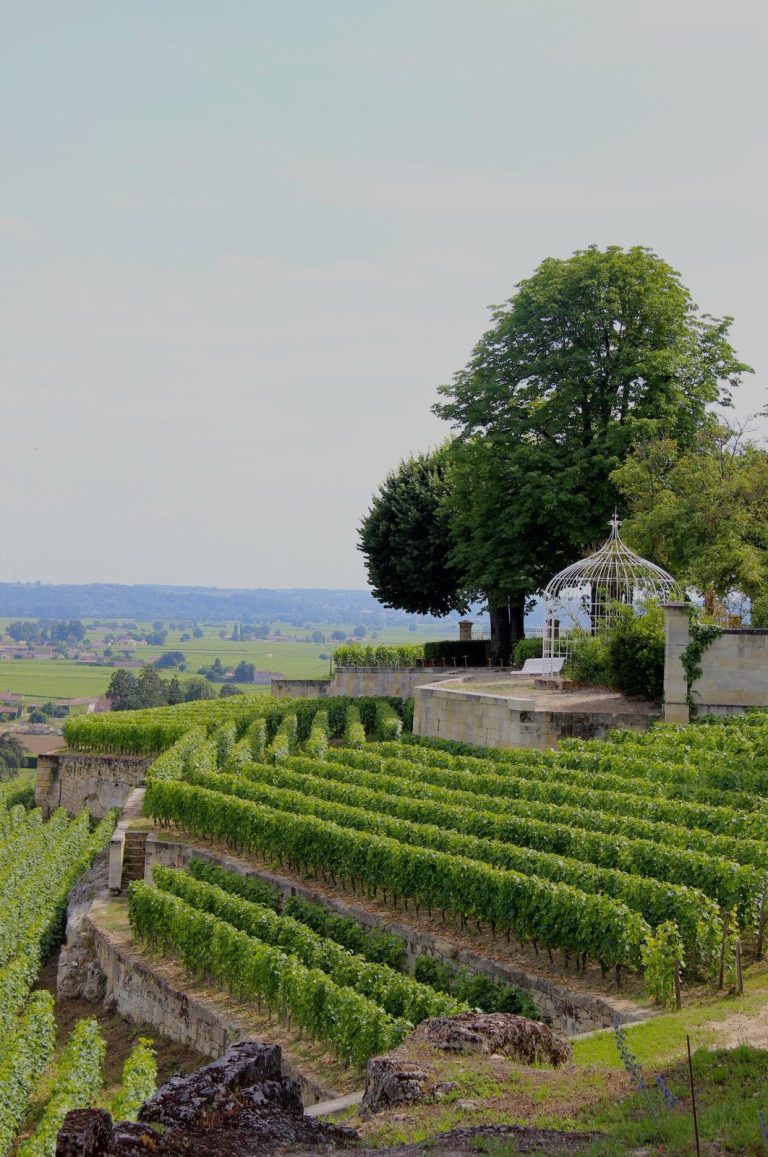
The contiguous vineyard covers 30 hectares on the Saint-Émilion limestone plateau. Its terrain comprises 70 percent clay-limestone plateau, 17 percent clay slopes, and 13 percent sandy land at the foot of the slopes. Planting density averages 6,500 vines per hectare. Merlot covers 63 percent of the planted area, Cabernet Franc 28 percent, Cabernet Sauvignon 7 percent, and Malbec 2 to 3 percent. The vineyard is managed organically without certification.