Château les Bouysses: Historic Estate and Vineyard in France
Site at a Glance
- Rating
- 4.4
- Popularity
- Low
- Country
- France
- Primary era
- Modern
- External website
- Open
- Eras represented
- Medieval, Early Modern, Modern
- Civilizations
- French
- Site type
- Domestic
- Remains
- Castle
On this page10 sections
History
Château les Bouysses, also called Château des Bouysses, is a historic estate in Mercuès, France, formed in the thirteenth century and later developed as a residence and wine-producing property. In 1232, following a royal order, Raymond de Lard, lord of Rassiels, donated the land of Les Bouysses to Guillemette, the second abbess of Leyme. She established a Cistercian priory there, a religious house belonging to an order that emphasized communal observance and agricultural self-sufficiency, and about twelve nuns settled at the site.
The priory and the Hundred Years’ War
During the Hundred Years’ War, the prolonged conflicts between the English and French crowns fought from the fourteenth into the fifteenth century, English forces expelled the nuns from their lands. The community recovered the estate in 1600. Afterward, part of the property was converted into a vineyard producing Cahors wine, while the nuns of Leyme continued to develop the estate.
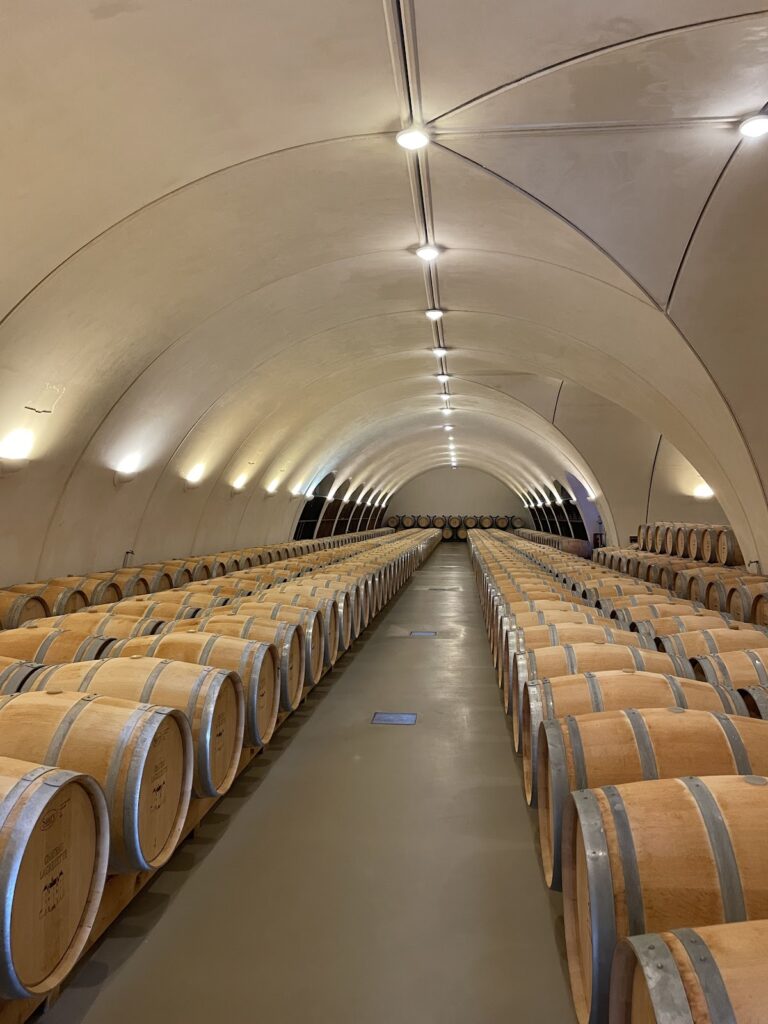
In 1745, the nuns authorized the demolition of their chapel to make room for a wine cellar. This change marked the increasing importance of wine production within the property. The older cellars later provided the base for the château rebuilt at the end of the eighteenth century.
From revolutionary sale to the Mosbourg estate
During the French Revolution, the estate became national property, meaning that it was confiscated by the revolutionary French state and offered for sale. In 1791 it was purchased by François Agar, mayor of Mercuès and a wine merchant whose business operated in Mercuès and Paris-Bercy. He rebuilt the château over the older cellars.
A fire destroyed Agar’s Paris warehouses and led to his bankruptcy. In 1823 he sold the estate to his cousin Jean-Michel Agar, Count of Mosbourg. Mosbourg had received his title from Louis XVIII, king of France after the Bourbon Restoration from 1814 to 1824. He had also served as finance minister to Joachim Murat, the Napoleonic marshal who became king of Naples.
After returning to the Lot, Mosbourg served as a departmental deputy from 1830 to 1834 and presided over the Lot departmental general council for fourteen years. He built or rebuilt most of the structures that survive today, including the main residence, entrance arrangements, orangery, and stables. The Italian character of the entrance architecture reflected his travels.
Later ownership and agricultural development
At the end of the nineteenth century, Mosbourg’s inheritance passed to his nephews, the Viscounts of Rougé, because his son had no children. The Rougé family was a long-established lineage mentioned from 1045 and attested from 1375. The last viscount gradually sold parts of the estate, which came into the ownership of the Marre family in 1933.
Doctor Pierre Marre became the owner of the estate and château in 1963. He began a major agricultural program, planting 14 hectares of Franquette walnut trees in 1969 and establishing 24 hectares of vines in 1973. The vineyard included Malbec, Merlot, and Tannat at the time of planting, with its present composition comprising Auxerrois, Tannat, and Merlot.
Marre’s death in an accident in 1993 halted an ambitious development plan. His children began a smaller project in 1996. Masonry and roofing works followed from 1996 to 1998, interior rehabilitation from 1998 to 1999, and work on the outbuildings and residential buildings from 1999 to 2004. These interventions sought to preserve the estate’s condition under Mosbourg and made extensive use of older materials. Part of the château, including the cellars and exterior staircase, has been protected as a registered historic monument, a formal French heritage designation, since 5 September 1989.
Remains
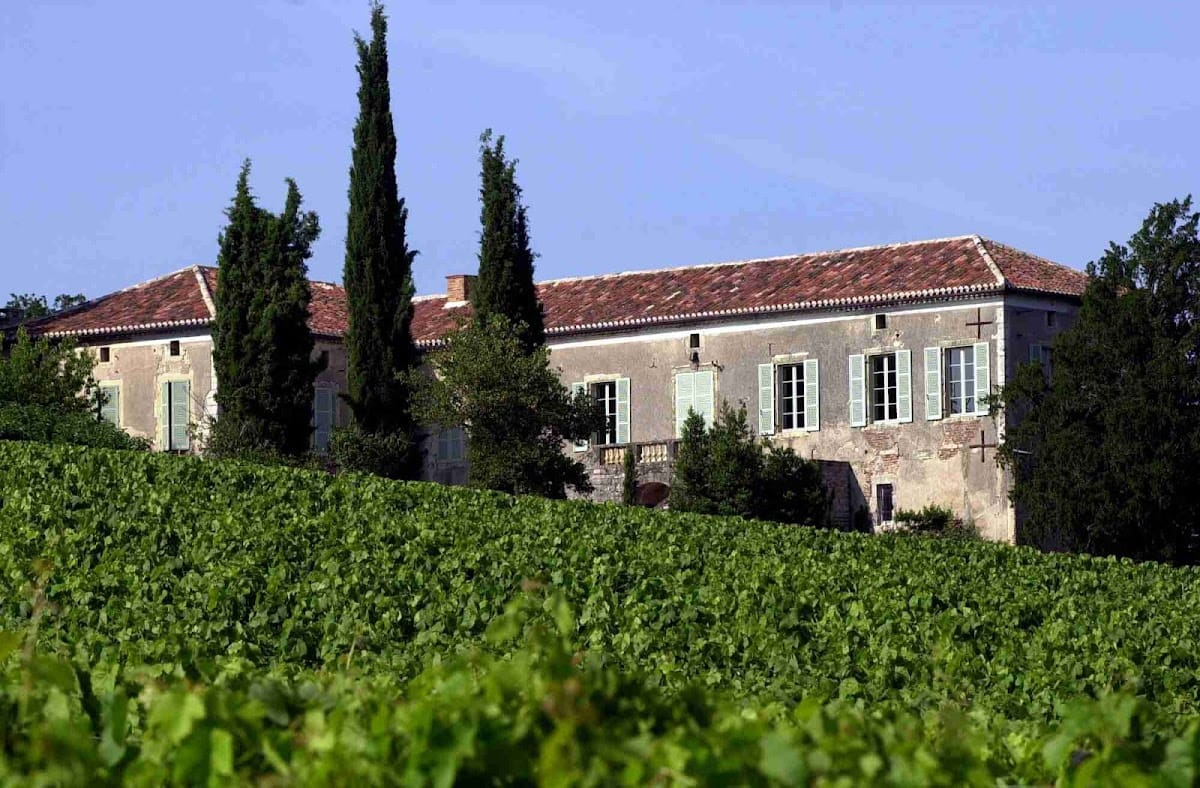
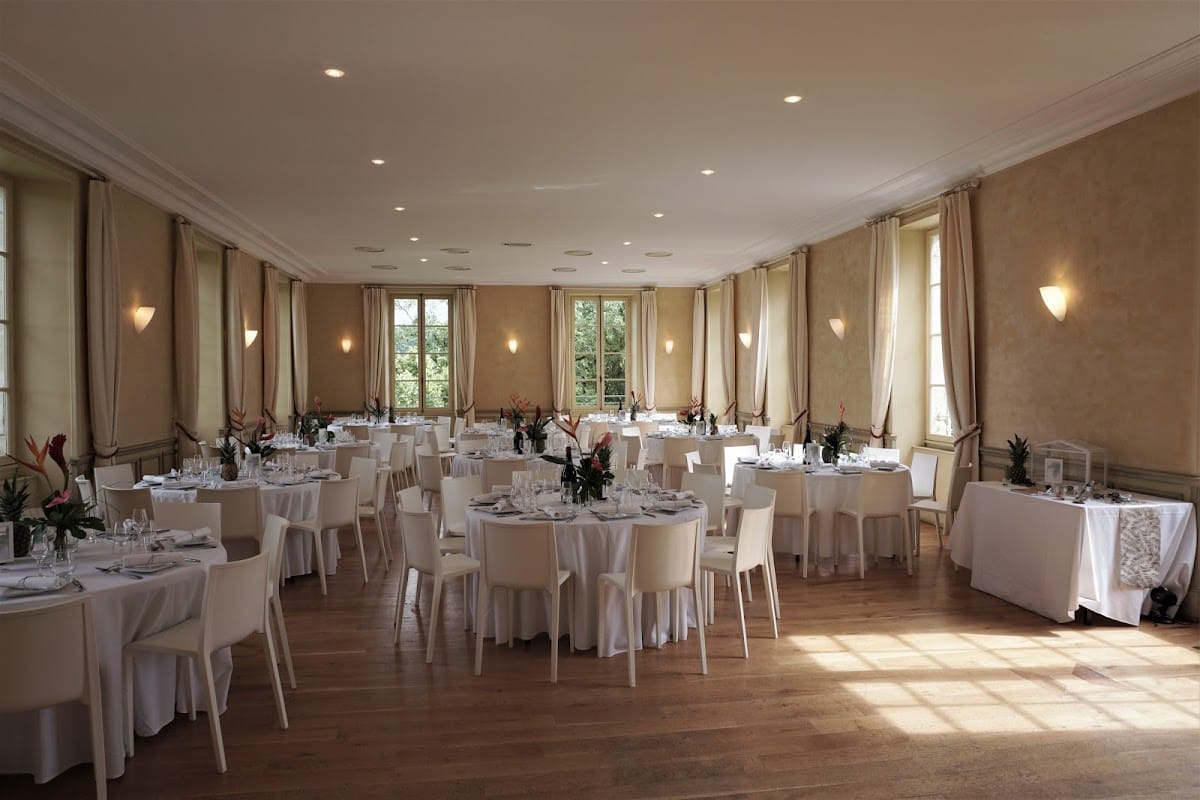
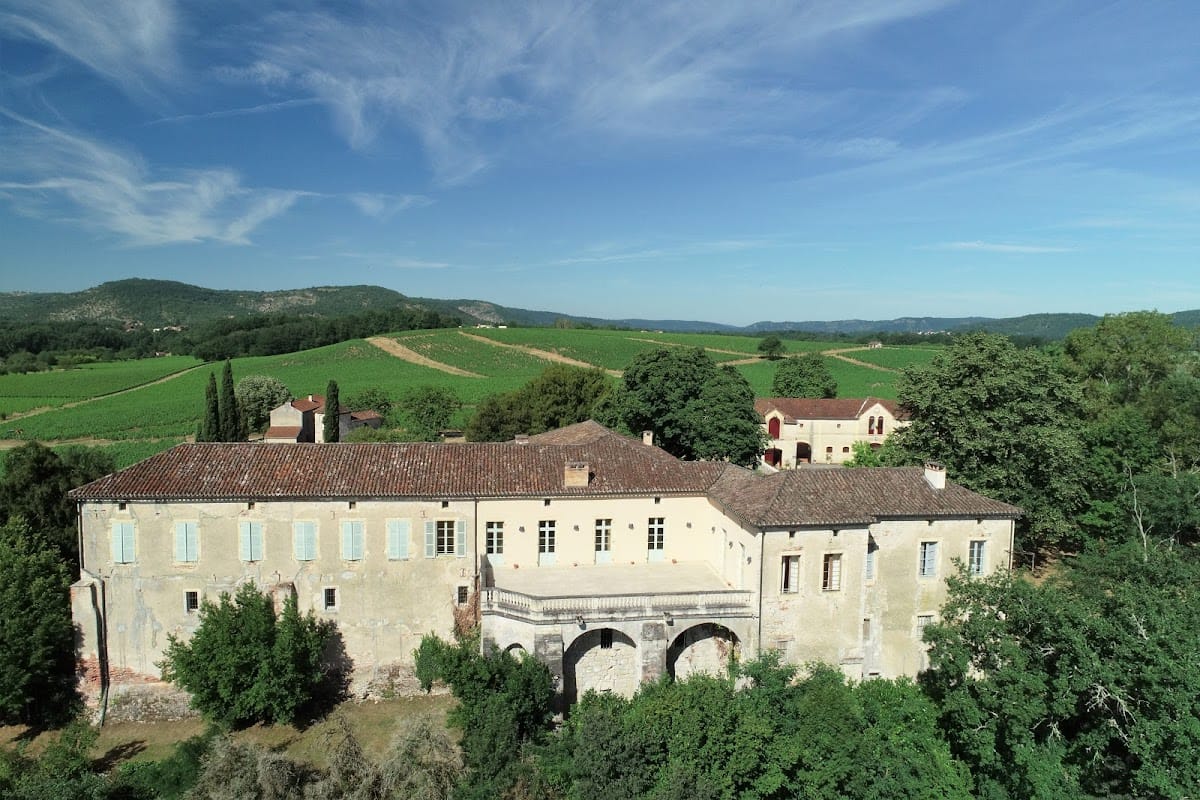
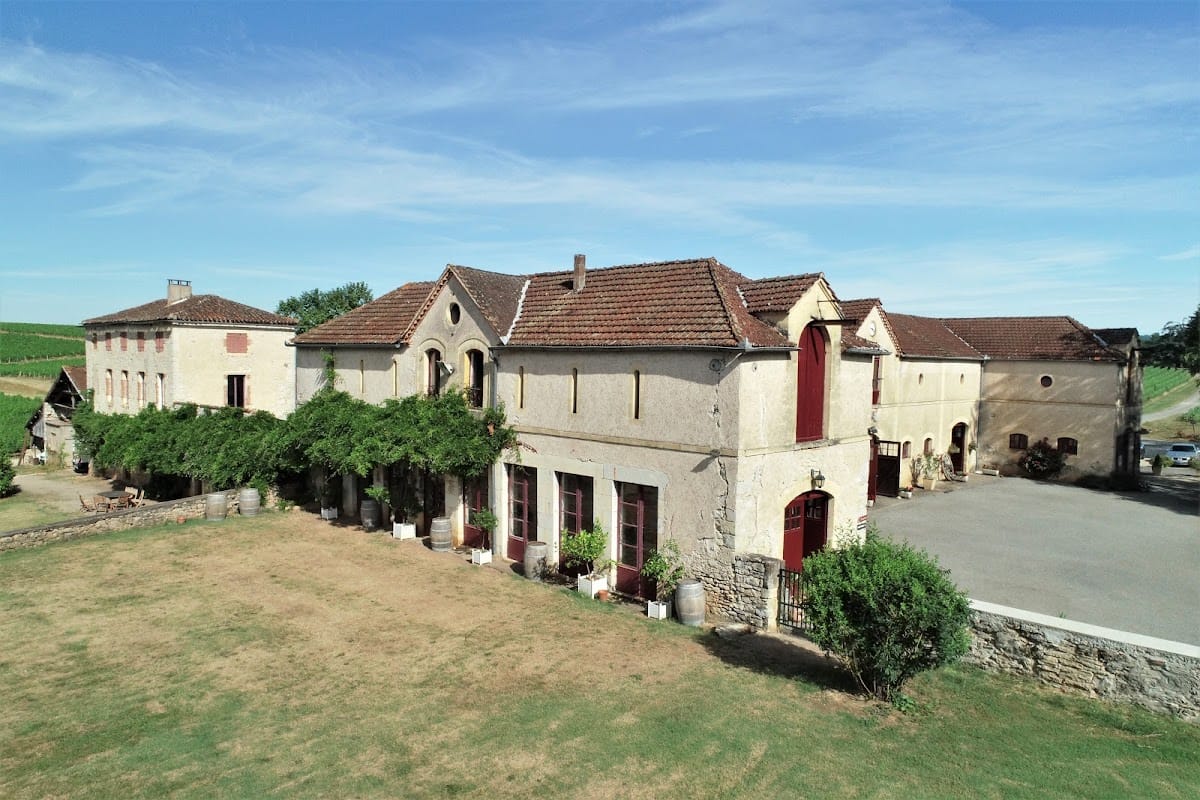
Château les Bouysses combines older vaulted cellars with an Italian-inspired residential building and a group of nineteenth-century estate structures. The main residence stands over the earlier cellars and is joined by a wing set at a right angle. A formal exterior staircase and an Italian-style entrance porch shape the principal approach, while the orangery and adjoining stables form part of the later agricultural and domestic complex.
Historic buildings
Thirteenth-century cellars
The cellars have semicircular vaults and are said to date from the thirteenth century. They may represent the surviving remains of the former Cistercian priory. Their continued use beneath the later château also reflects the estate’s transition from a religious foundation to a wine-producing property.
Main residence and entrance
The main residential building was constructed over the older cellars at the end of the eighteenth century and is described as Italian-inspired. Its right-angled wing extends the main arrangement. A double-flight staircase, consisting of two formal runs of steps, ornaments the facade. The estate also has an elegant Italian-style entrance porch, or raised exterior entrance structure, associated with Count of Mosbourg’s travels.
Orangery and stables
An orangery, a building intended to shelter citrus trees and other tender plants, was built in 1820. Stables were constructed beside it, adding to the group of buildings that Mosbourg developed during the nineteenth century.
Vineyard and walnut plantations
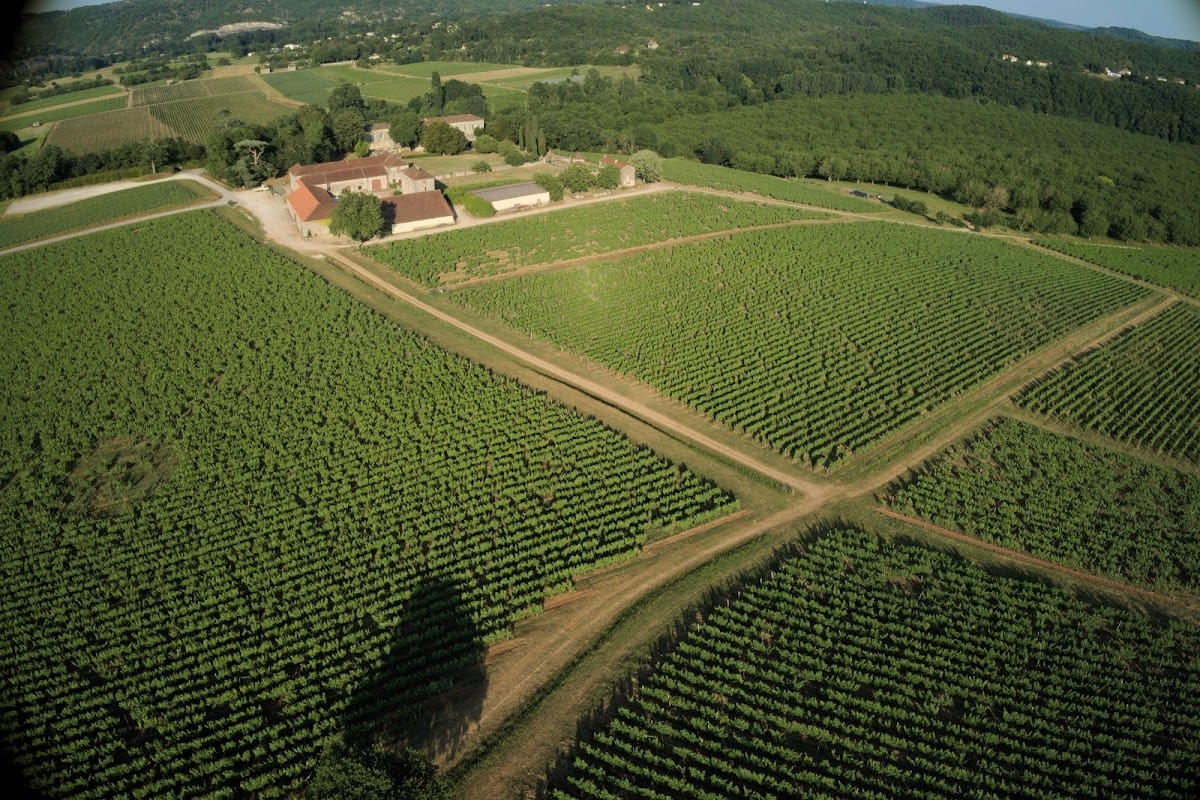
The agricultural estate includes a 24-hectare vineyard planted with Auxerrois, Tannat, and Merlot, grape varieties used in the property’s later wine production. It also contains 14 hectares of Franquette walnut trees, a cultivated walnut variety planted in 1969. Together, these holdings preserve the agricultural character that has shaped the estate since its religious and later wine-producing phases.
Nearby sites