Ruine Schiltach: Remains of a Medieval Hilltop Castle in Germany


Site at a Glance
- Rating
- 4.1
- Popularity
- Very Low
- Country
- Germany
- Primary era
- Medieval
- External website
- Open
- Eras represented
- Medieval
- Civilizations
- Holy Roman Empire
- Site type
- Military
- Remains
- Castle
On this page5 sections
History
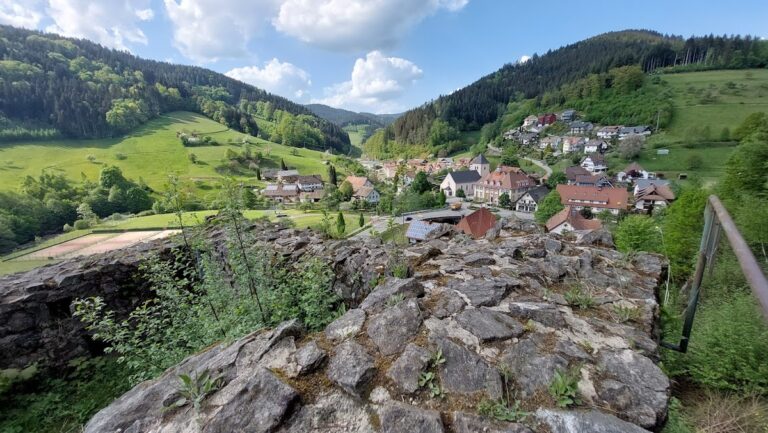
Ruine Schiltach is the remnant of a castle above Schiltach in Germany, in the Black Forest. Probably built before 1250 by the Dukes of Teck together with the town below, it formed a defensible supply center that could be administered and controlled from the elevated stronghold.
Origins and the Teck defensive system
The castle’s precise origin is uncertain. Its position above the town and its role in overseeing the Schiltach Valley suggest that it served both local administration and territorial defense. It was probably part of a defensive line maintained by the Dukes of Teck, alongside Klingenburg and Schilteck castles, to monitor and secure the valley.
From Urslingen inheritance to Württemberg outpost
Inheritance brought the castle and town in 1371 to Konrad VII of Urslingen, the nephew of the deceased Hermann of Teck. The Urslingen family sold the property to the Counts of Württemberg in 1381. The Counts were the ruling dynasty that expanded and administered Württemberg, and under their control Schiltach became a fortified outpost for the territory.
Troops were permanently housed at the castle. After 1700, the stronghold, also known as Hohe Landsehr Castle or Fortress, became increasingly dilapidated through the continual billeting of soldiers. The Swabian Circle, an administrative and military district of the Holy Roman Empire, repaired it in 1733, reinforcing the castle’s continuing connection with territorial defense.
Dismantling and later preservation
In 1747, urgent repairs were again reported to the Hornberg administrative office. Peace had returned, and the castle was no longer considered necessary, so the duke approved the dismantling and sale of usable building materials. From 1749, wood, windows, stoves, and doors were removed and auctioned. Tiles and timber were auctioned again in 1760, while the masonry was to remain untouched. The proceeds from that sale helped repair the castle tower and the customs house.
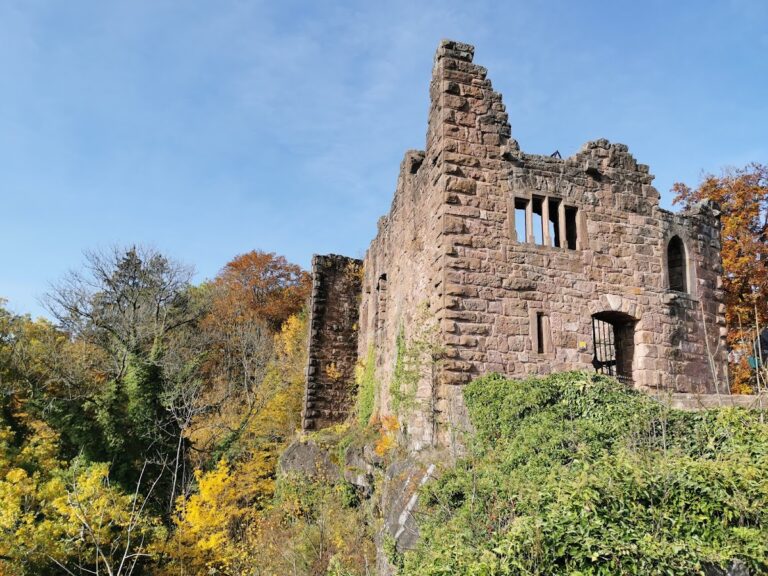
After a fire devastated the town in 1791, residents took stones from the castle walls to rebuild their houses. Accidents during the breaking of the masonry led to a decision in 1805 to lower the walls to the level of the window openings. When Schiltach became part of the Grand Duchy of Baden in 1810, the Offenburg Waterways and Roads Inspectorate opposed further dismantling. A wall collapse in 1826 nevertheless prompted the St. Georgen domain administration to report that demolition was urgently necessary. The grand duke approved the measure, and between 1829 and 1830 the ruin was dismantled down to its foundations and a few remaining wall sections, especially on the southern side. A reconstruction is exhibited at the Museum am Markt in Schiltach.
Remains
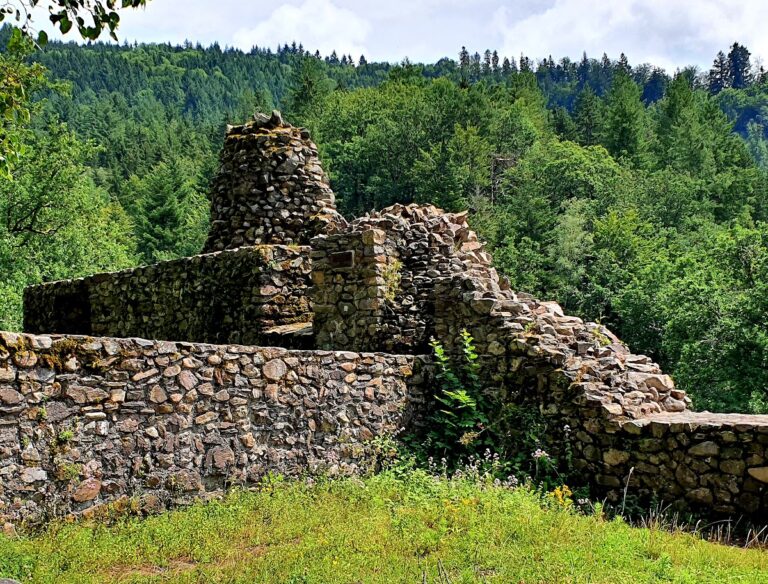
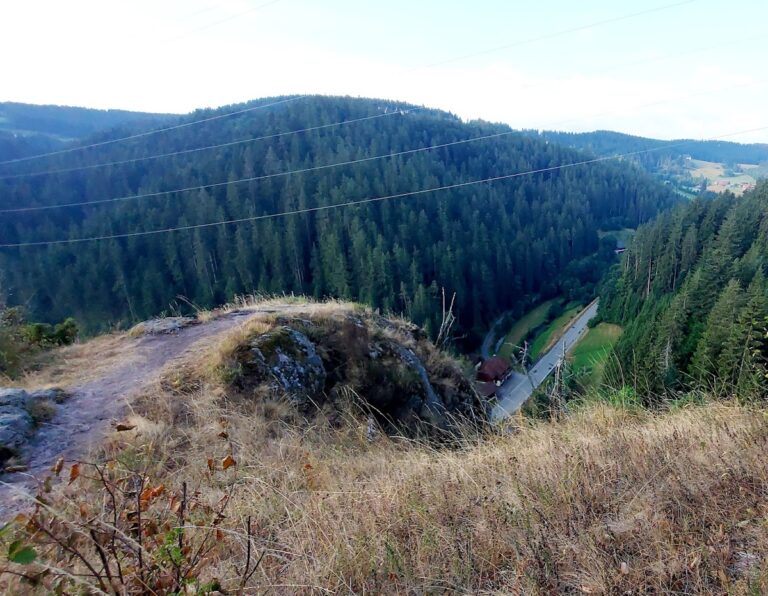
Ruine Schiltach occupies a hilltop spur position at approximately 420 metres above sea level, above the town of Schiltach. This type of castle used a projecting ridge or elevated spur, with the surrounding slopes strengthening its defenses. The surviving site consists of castle grounds within the remaining wall lines, foundations, and a few fragments of masonry, particularly on the south side. These remains represent the castle after its dismantling between 1829 and 1830.
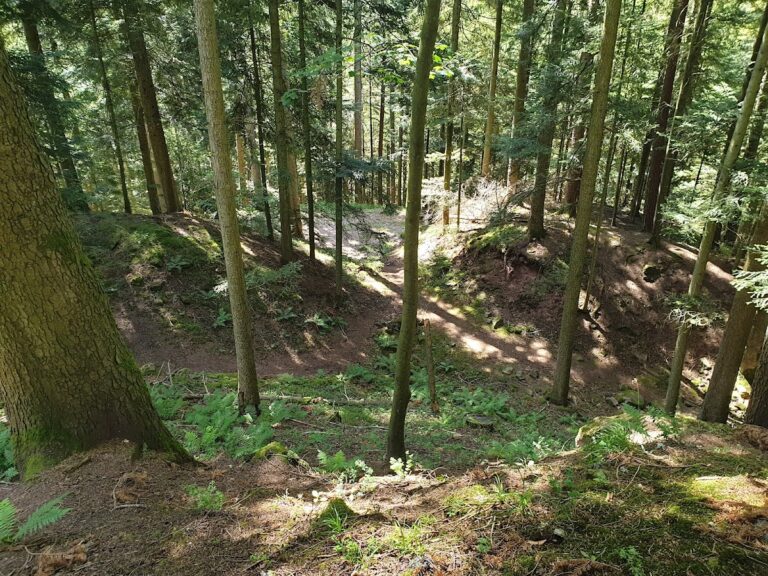
A wooden bridge crosses the neck ditch to the castle site. The ditch was cut across the narrow land connection to the spur, and the bridge stands where the former drawbridge was located. Together, the ditch, bridge, foundations, and surviving wall sections preserve the basic physical setting of the former hilltop castle.
Nearby sites