Château-fort de Seyssuel: A Medieval Episcopal Castle in France

Site at a Glance
- Rating
- 4.3
- Popularity
- Very Low
- Country
- France
- Primary era
- Medieval
- Eras represented
- Medieval
- Civilizations
- Holy Roman Empire
- Site type
- Military
- Remains
- Castle
On this page7 sections
History
Château-fort de Seyssuel is a twelfth-century episcopal castle at Seyssuel in France. An episcopal castle was a fortified residence and stronghold controlled by a bishop or archbishop. The fortress initially belonged to the archbishops of Vienne and was also called the Château épiscopal and the Château de la Roche-Piquée.
Episcopal stronghold and rebuilding
The castle became involved in a conflict between Jean de Torchefelon, lord of Montcarra, and Thibaud de Rougemont, archbishop of Vienne. The archbishop sought to make Torchefelon his vassal, meaning a subordinate lord bound to a superior through loyalty and service. In opposition, Torchefelon set fire to the castle. It was rebuilt afterward and remained intact until the second half of the sixteenth century.
Wars of Religion and later protection
During the Wars of Religion, the conflicts that divided France between Catholics and Huguenots, French Protestants, the Huguenots seized Château-fort de Seyssuel. They completely dismantled the castle, which was never rebuilt. The ruins were listed as historic monuments by an order dated 19 May 1994.
Remains
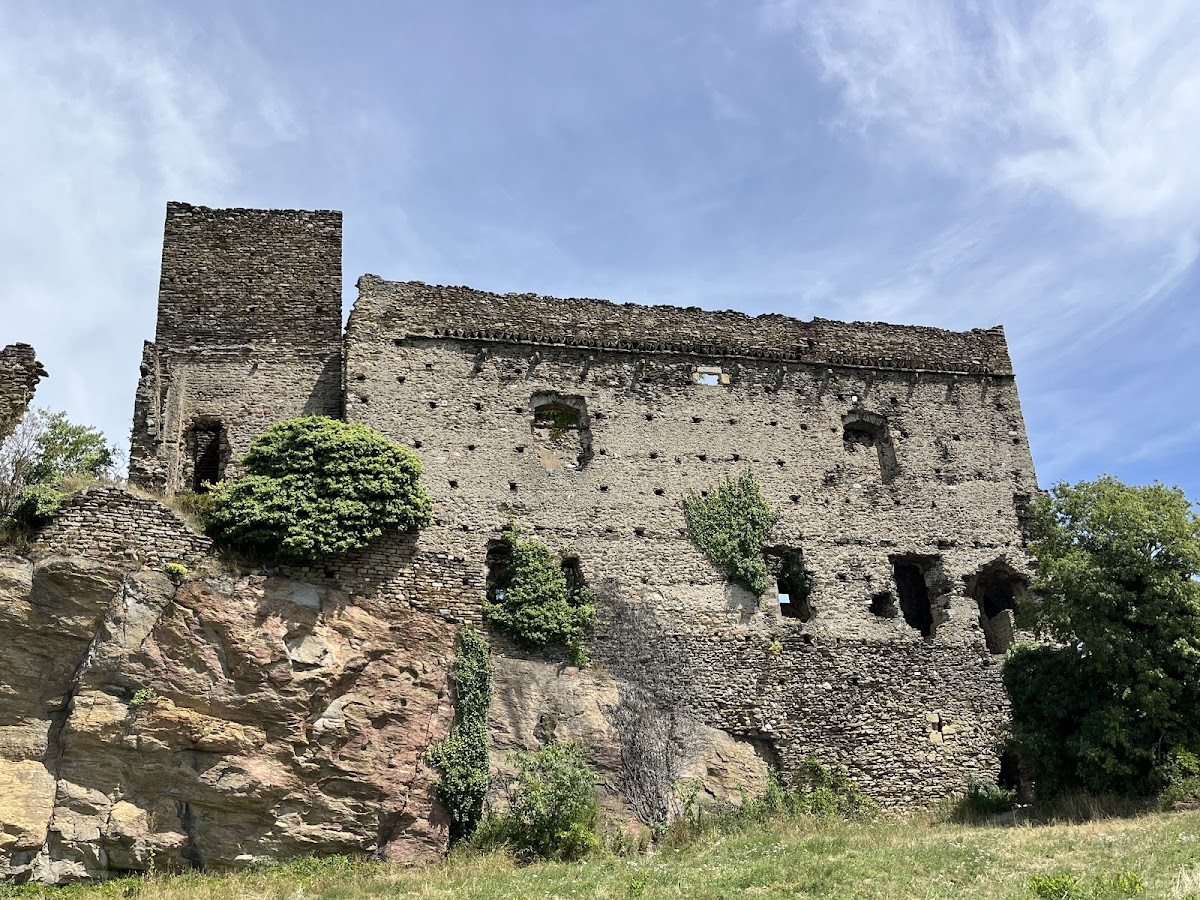
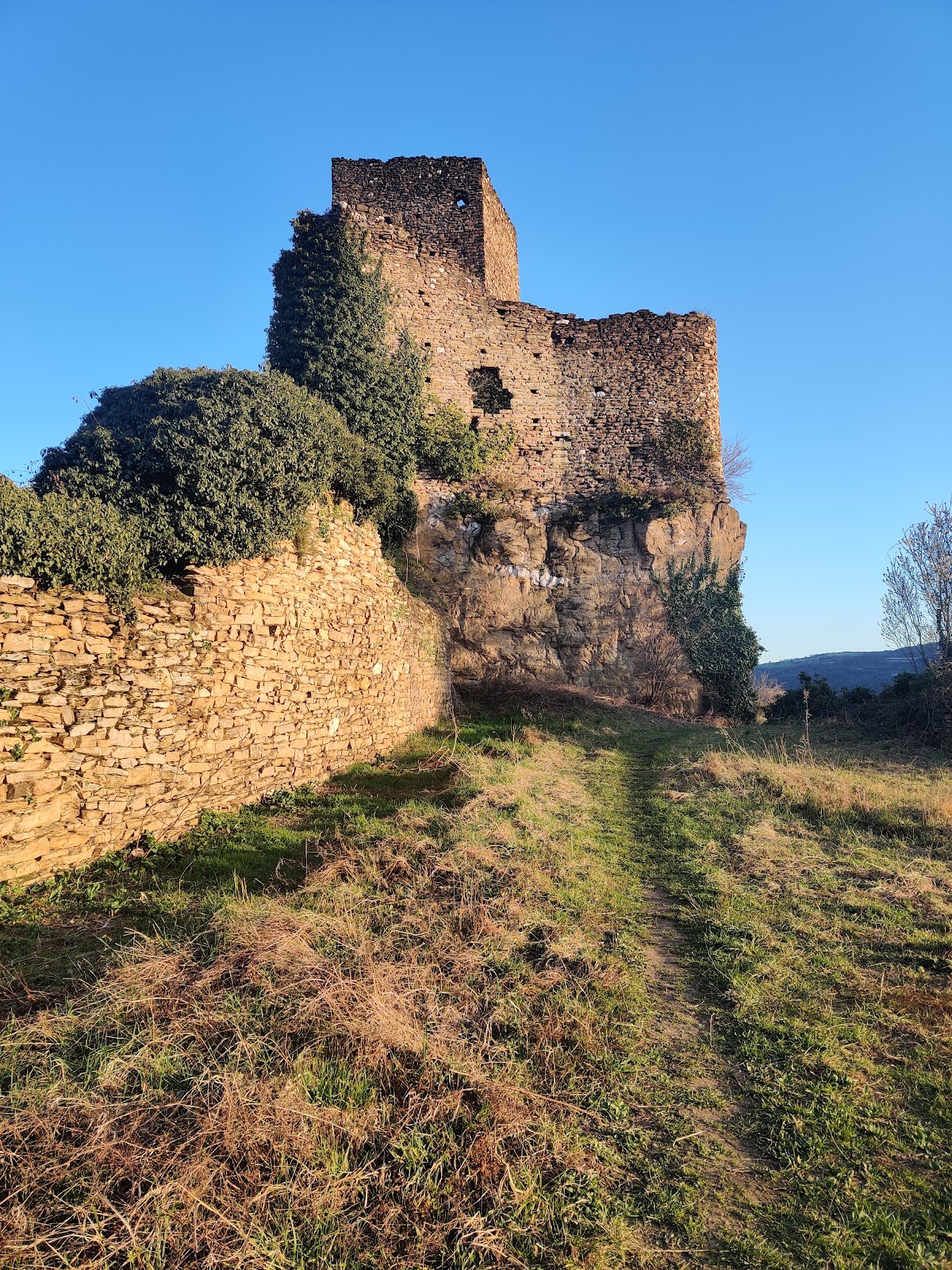
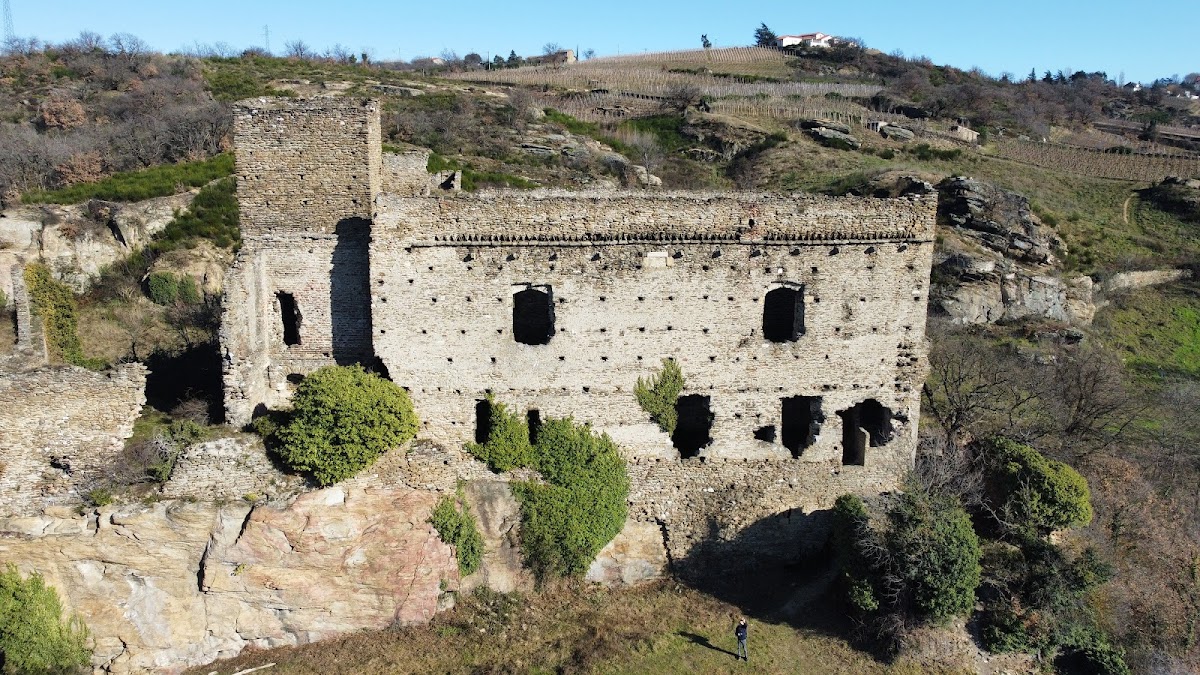
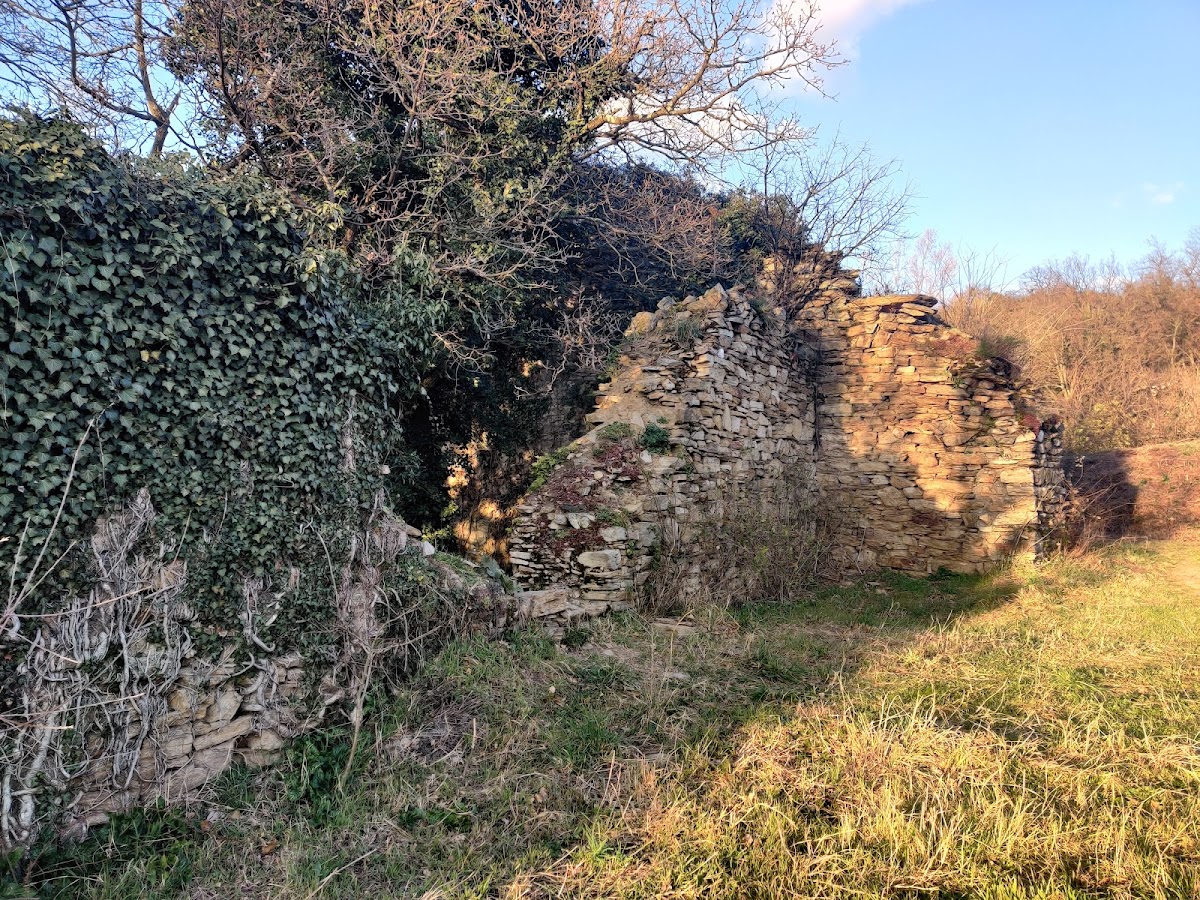
The remains stand on the Roche-Piquée rock above the Rhône. From this position, the ruins overlook the river and dominate the A7 motorway and the Paris–Lyon to Marseille–Saint-Charles railway line. The surviving fortress consists of a square keep and sections of the walls belonging to the principal residential building. The ruins have been described as the best-preserved remains in the Isère department, and they are visible from the Rhône riverbanks.
Fortress structures
Square keep
The square keep is the clearest surviving element of the former fortress. It forms the central standing remnant of the ruined castle on the Roche-Piquée rock and preserves part of its fortified character.
Principal residential building
Sections of the walls of the principal residential building also survive. These fragments represent the castle’s residential and administrative core alongside the keep, allowing the ruins to retain evidence of both the defensive and domestic parts of the episcopal stronghold.