Château des Célestins: A Former Monastery and Defensive Refuge in France
Site at a Glance
- Rating
- 4.4
- Popularity
- Very Low
- Country
- France
- Primary era
- Early Modern
- Eras represented
- Medieval, Early Modern
- Civilizations
- French, Holy Roman Empire
- Site type
- Religious
- Remains
- Monastery
On this page6 sections
History
Medieval Defensive Origins
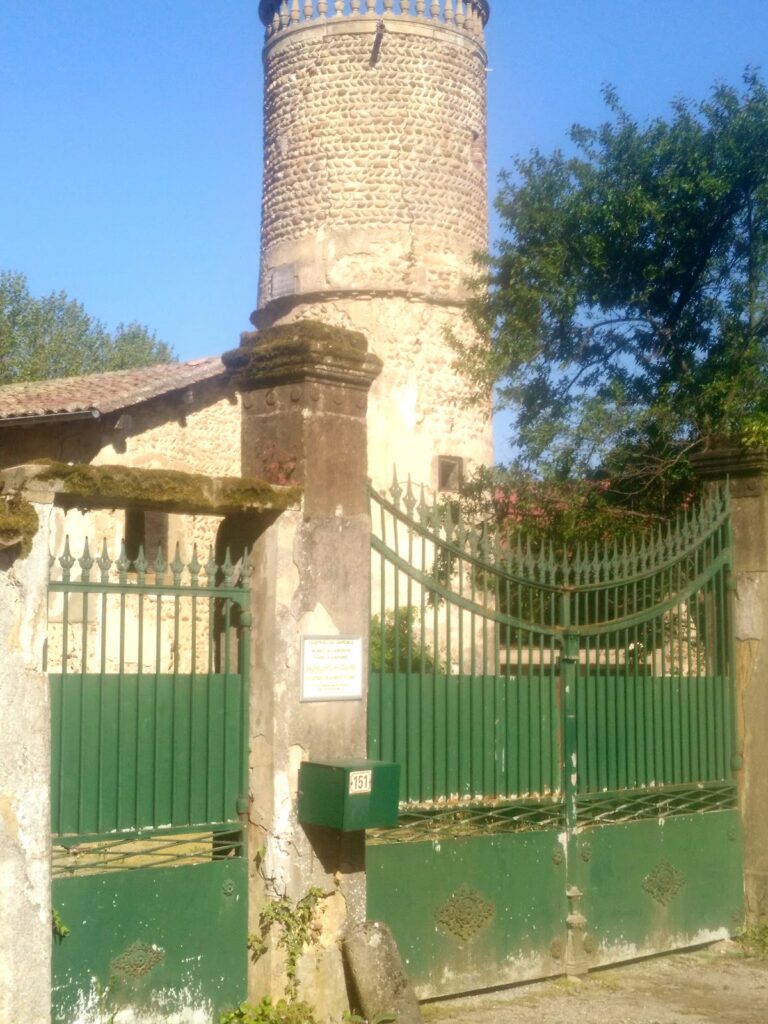
The Château des Célestins is a former château-monastery in Colombier-le-Cardinal, France, whose complex developed between the twelfth and seventeenth centuries. It already existed in the twelfth and thirteenth centuries as an important defensive and refuge site, held by the Malatour-Colombier family of Annonay.
Foundation of the Celestine Community
Pierre de Colombier, a cardinal and bishop of Ostia who later served as a papal legate, initiated the creation of a Celestine community at the château. The Celestines were a Catholic religious order founded by Peter of Morrone, later Pope Celestine V, whose monastic life followed a form of the Benedictine tradition. In accordance with Pierre de Colombier’s testamentary wishes, the community was installed at the château after his death in 1361.
The Celestines of Colombier used the arms shared by their communities elsewhere in France: a gold cross and a silver S on a blue field, accompanied by two silver fleurs-de-lis. In heraldry, the blue field is called azure, while the fleur-de-lis is a stylized lily emblem.
Destruction and Reconstruction
During the Wars of Religion, the sixteenth-century conflicts between Catholics and Huguenots in France, the monastery became a Catholic headquarters and refuge. Huguenot forces destroyed it in the 1560s. Following the pacification edict of 1585, the monastery was almost entirely rebuilt in 1655.
Suppression and Later Ownership
The Celestine order was suppressed in 1773 because it no longer followed the Rule of Saint Benedict, the Benedictine rule that had shaped its monastic discipline. The château-convent at Colombier-le-Cardinal closed in 1778.
In 1790, the château buildings were sold as national property to the Monneron brothers. The château and adjoining land passed to the Barou de La Lombardière de Canson family in 1859, to Saint-Gobain in 1961, and to the Ardèche Mixed Syndicate for Equipment in 1982. The syndicate leased the property to the Departmental Federation of Rural Family Associations. Parts of the château are classified as a historic monument under the 1963 designation, while other parts are registered under the 2017 designation. In France, these designations provide legal protection for heritage sites and structures, with classification generally representing the stronger level of protection.
Remains
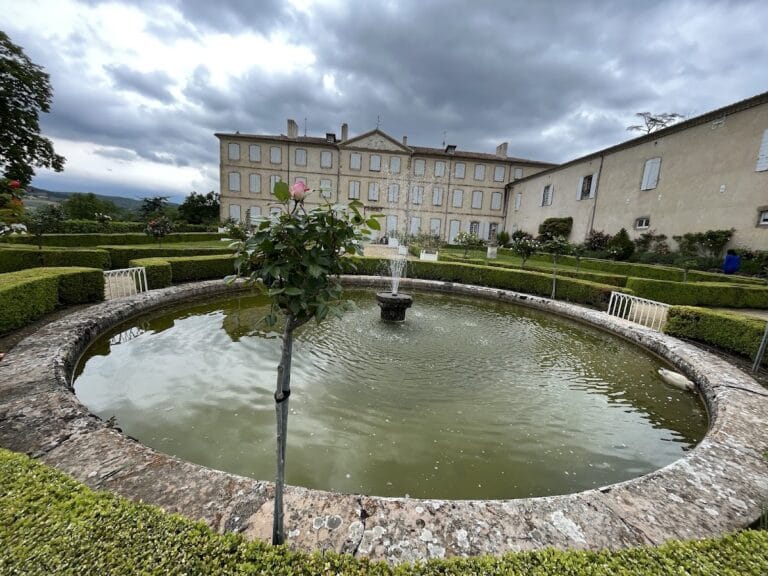
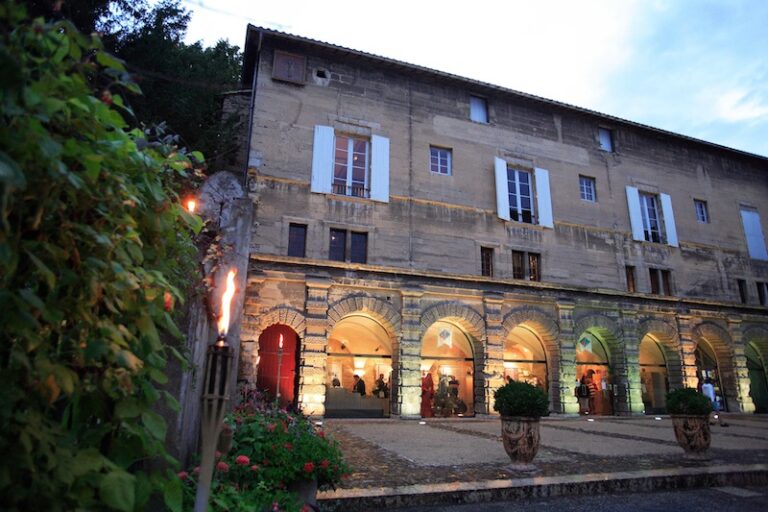
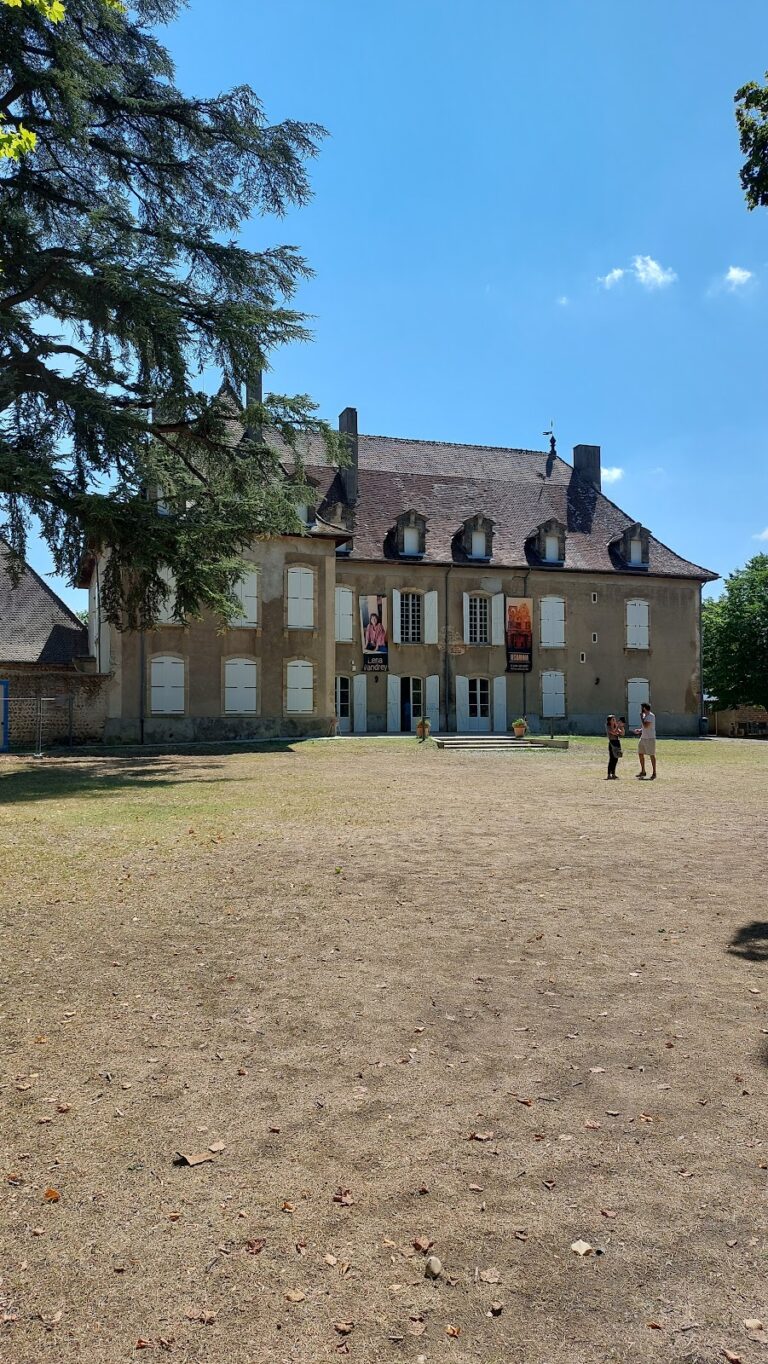
The Château des Célestins survives as a former monastery occupying approximately 5,000 square metres within an 18-hectare park. Its construction spans the twelfth to the seventeenth century, bringing together the medieval château-monastery and the near-total rebuilding undertaken in 1655 after the destruction of the Wars of Religion. The surviving complex therefore reflects both its earlier defensive and refuge function and its later development as a Celestine convent.