Château de Villerouge-Termenès: A Medieval Archiepiscopal Fortress in France

Site at a Glance
- Rating
- 4.4
- Popularity
- Low
- Country
- France
- Primary era
- Medieval
- External website
- Open
- Eras represented
- Medieval
- Civilizations
- French
- Site type
- Military
- Remains
- Castle
On this page8 sections
History
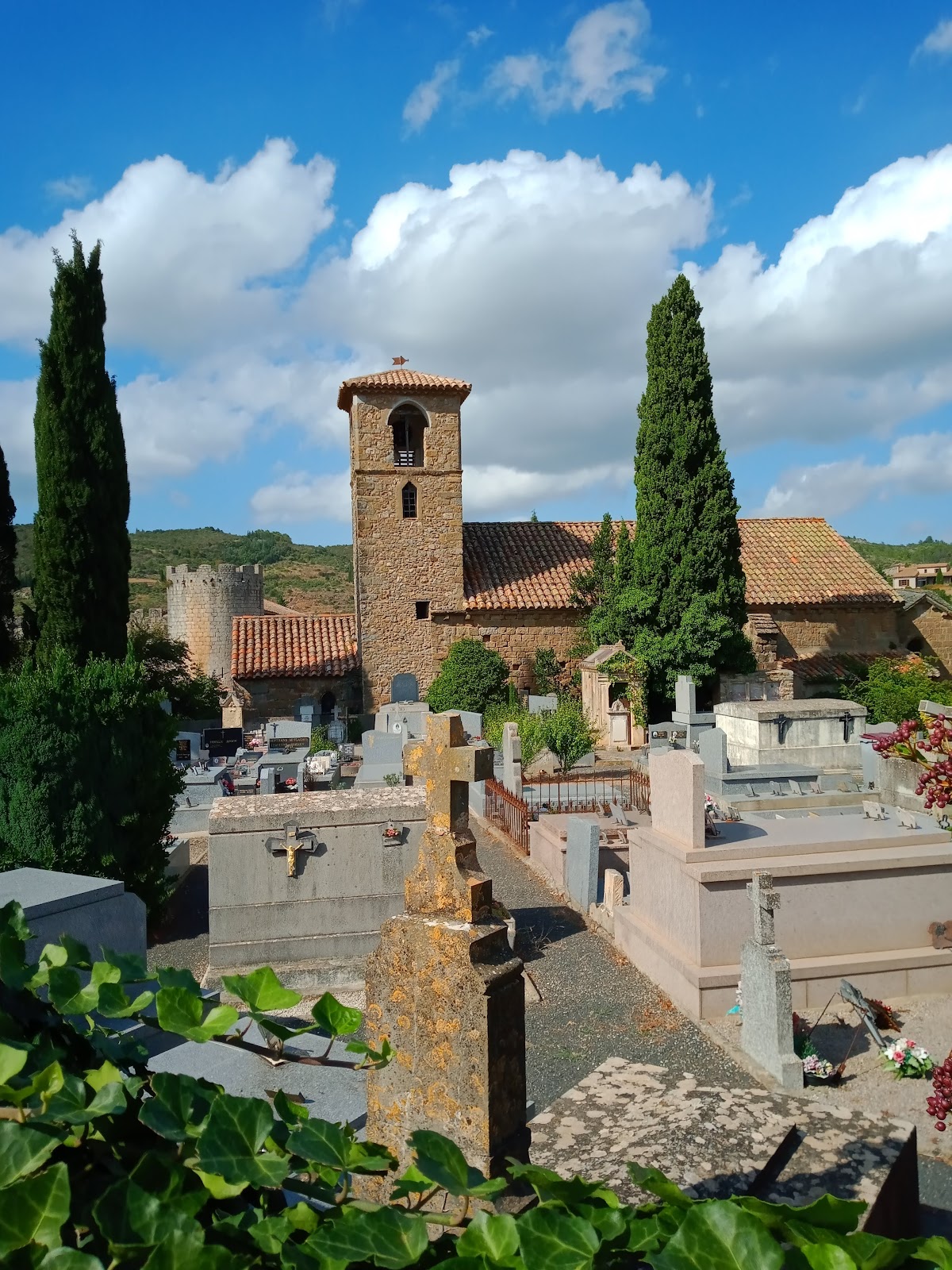
Château de Villerouge-Termenès is a medieval fortified castle in France, whose origins date to the late eleventh century and whose surviving citadel was probably developed in the thirteenth century. A castle at the site was first recorded in 1110. Built in the Corbières of the Aude department, the fortress stood within a substantial ecclesiastical lordship controlled by the archbishops of Narbonne.
Archiepiscopal Lordship
From 1110 until the French Revolution, the castle and village belonged to the archbishops of Narbonne. The archbishop was both a senior Catholic church official and a feudal lord with territorial, judicial, and financial authority over dependent communities. Villerouge served as the seat of one of the eleven administrative districts, known as baylies, within the archbishopric. A bailli, the official who administered such a district, governed the archbishop’s vassals from the castle and collected tithes, taxes, and other dues from surrounding villages.
Fortification and the Albigensian Crusade
The archbishops fortified Villerouge to protect their possessions from neighboring aggressors and armed bands. These defensive efforts continued both before and after the Albigensian Crusade, the thirteenth-century military campaign directed mainly against Cathar communities and their political supporters in southern France. During that century, the castle also formed part of the defense of Catholic authority against the Cathar movement, a medieval Christian religious movement condemned as heretical by the Catholic Church.
The main citadel was probably constructed during the thirteenth century, possibly in its third quarter, and may have replaced an eleventh-century fortified church. The castle later became associated with one of the final episodes of Cathar history. Guilhem Bélibaste, regarded as the last Cathar “good man,” was burned alive at Villerouge on 24 August 1321.
Later Condition and Protection
After falling into a ruinous state, the castle was restored, preserving substantial portions of its medieval structure. It has been classified as a French historic monument since 6 October 1976.
Remains
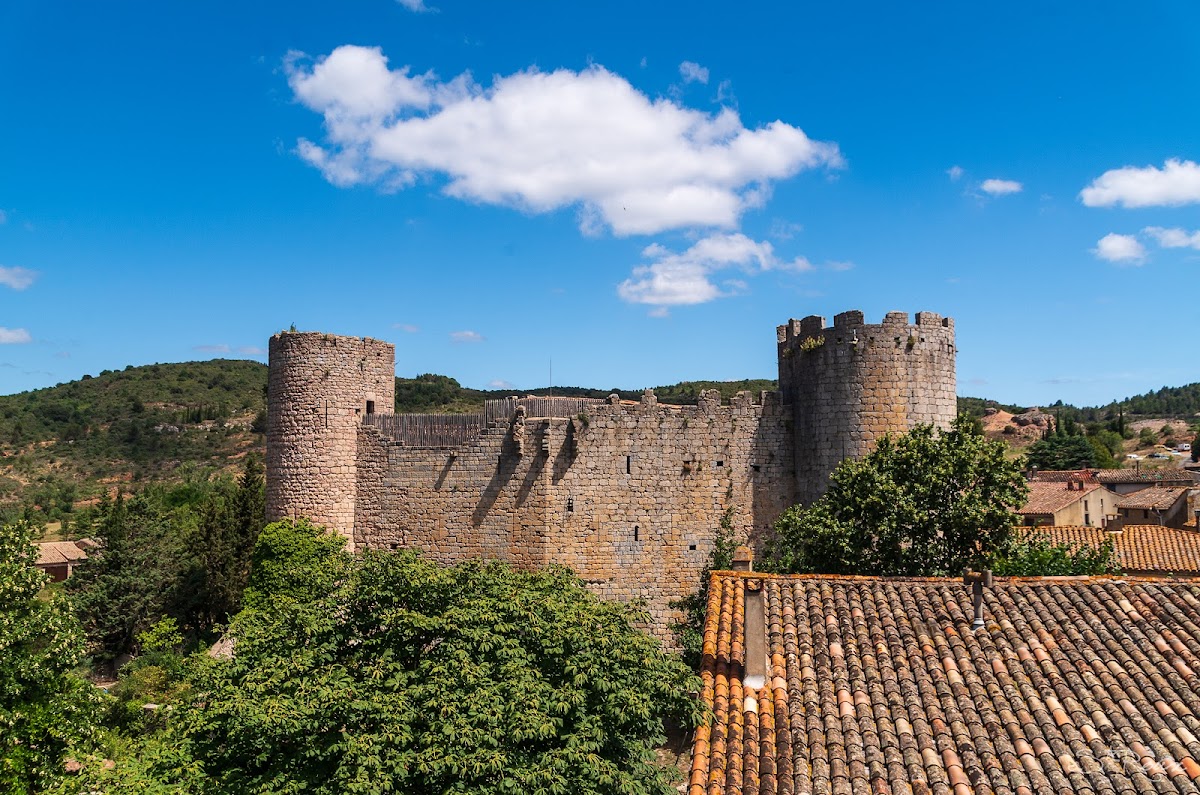
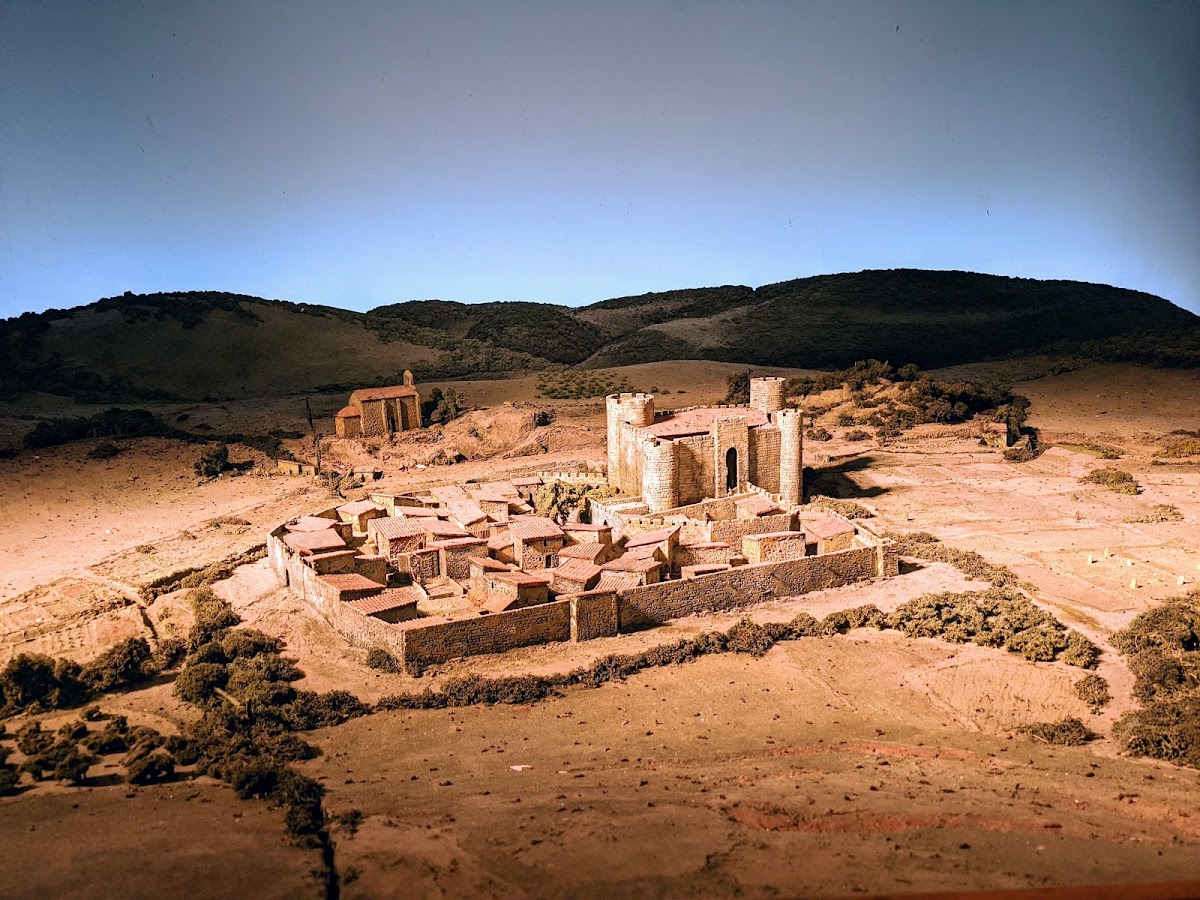
At approximately 310 metres above sea level, the castle forms a square or quadrangular fortress integrated into the village. Four round corner towers are joined by curtain walls, the connecting defensive walls between towers. The exterior is pierced chiefly by loopholes, while the upper curtain walls formerly carried defensive walkways and crenellations, the raised and recessed sections along a wall top.
Fortified Enclosure
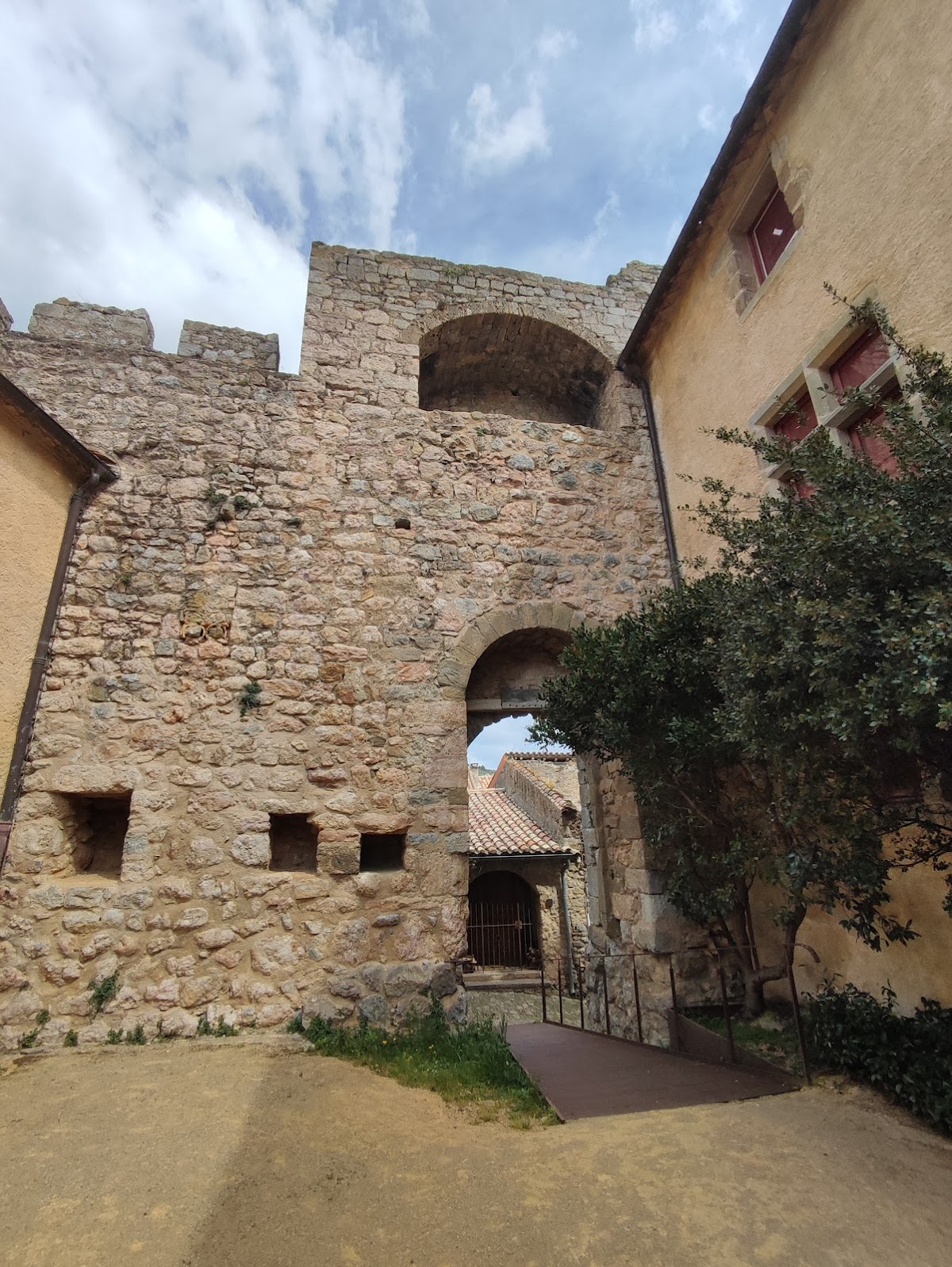
The principal entrance lies on the north side and could once be secured by a defensive gate. A smaller southern postern, or secondary gate, provided another means of passage. The corner towers have exceptionally thick walls, built with masonry facing on both their outer and inner surfaces and filled with unworked rubble bound by a construction material. Most buildings within the courtyard date from the fourteenth century, and substantial parts of the medieval fabric survive within the restored ruin.
Great Tower
The larger and taller southeastern tower is the donjon, the castle’s principal fortified tower. It contains three rooms placed one above another, with stairways incorporated into the massive walls. A spiral staircase within the tower is nearly 80 centimetres wide. The upper arrangement opens onto a crenellated terrace and has been interpreted as possibly including the residential quarters of the bailli.
Painted Interiors
A painted beam in the great hall carries the arms of Bernard de Farges, archbishop of Narbonne from 1311 to 1341. Another room contains a Gothic fresco showing a table scene. Knives are placed on the table, while the hanging front of the tablecloth displays the arms of the archbishops of Narbonne. A later reconstruction also added a painting with geometric motifs.
Nearby sites