Alcázar de Toro: A Royal Fortress in Spain



Site at a Glance
- Rating
- 4.3
- Popularity
- Low
- Country
- Spain
- Primary era
- Medieval
- External website
- Open
- Eras represented
- Medieval
- Civilizations
- Kingdom of León
- Site type
- Military
- Remains
- Castle
On this page5 sections
History
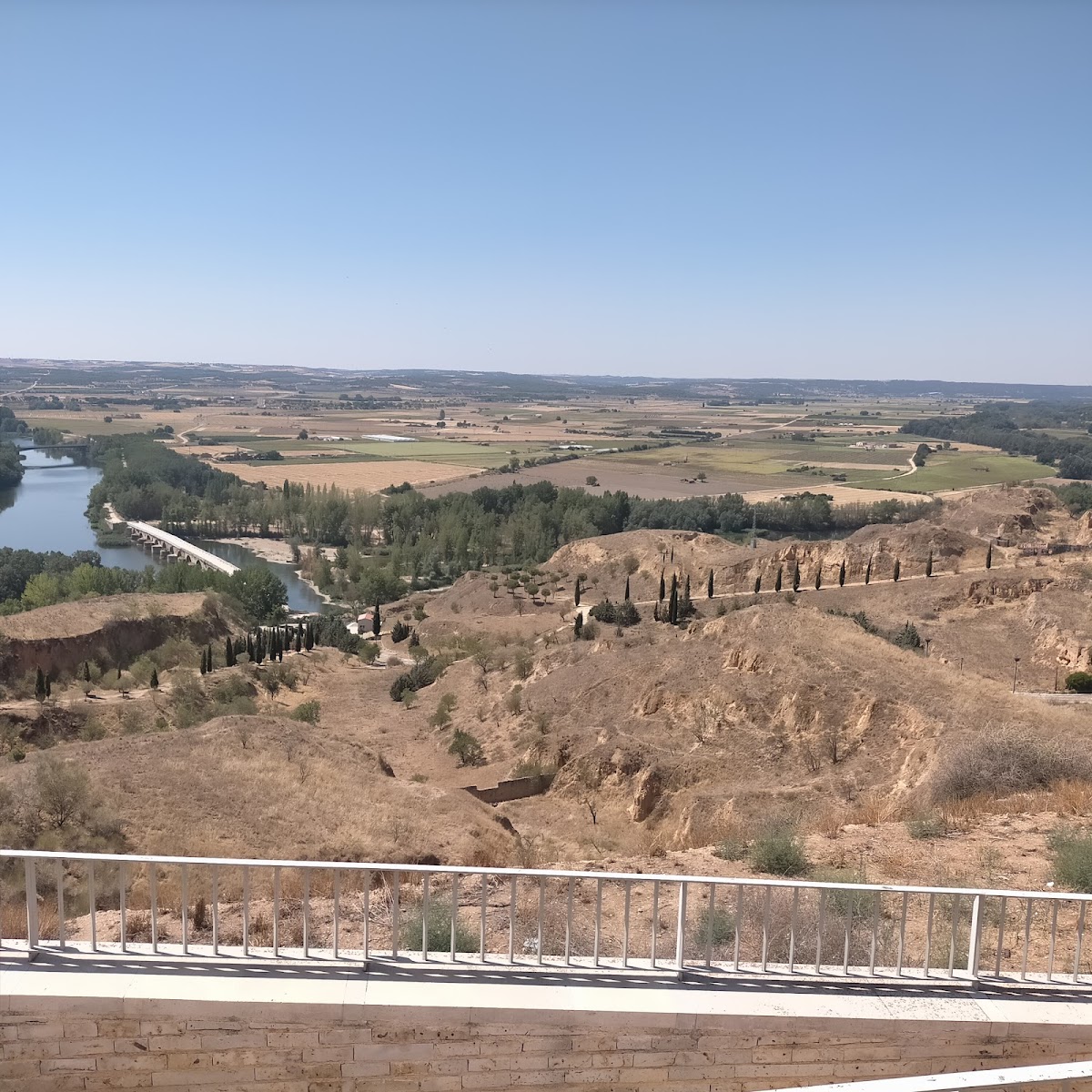
The Alcázar de Toro, also called the Royal Alcázar of Toro, is a fortified royal palace and castle in Toro, Spain. Built by the medieval inhabitants of the city in the tenth century, it occupied the acropolis, the elevated and defensible part of a historic city, on ground about 110 metres above the Duero River. The fortress formed part of the walls enclosing and protecting Toro.
Royal power and conflict
On 16 January 1356, the alcázar became the setting for a massacre ordered by Peter I of Castile, the fourteenth-century king also known as Peter the Cruel. Peter arrived while Maria of Portugal, the wife of his father, Alfonso XI, was present. He then ordered his squires to kill several nobles who were accompanying the queen.
The fortress later served as a residence for John II of Castile when he attended the Cortes at Toro. These representative assemblies of the medieval Iberian kingdoms were convened by the monarch to address political and fiscal matters, although other royal residences may also have existed in the city.
The alcázar also played a role in the Castilian War of Succession, a fifteenth-century conflict over the Castilian throne. Its history was connected particularly with the Battle of Toro on 1 March 1476, a major engagement in that conflict.
Decline and modern history
After the building ceased to function as a royal residence in the sixteenth century, it entered a gradual decline. In 1936, during the Spanish Civil War, the insurgent side used the alcázar as a detention centre for Republicans. More than 200 prisoners were held there and subjected to repression during that year.
The alcázar was declared a Historic-Artistic Monument in 1931. It later became a Spanish Asset of Cultural Interest as a monument in 2012, a legal designation protecting cultural properties. From 2014 to 2016, it also appeared on the Red List of Endangered Heritage, which identifies heritage sites considered at risk.
Remains
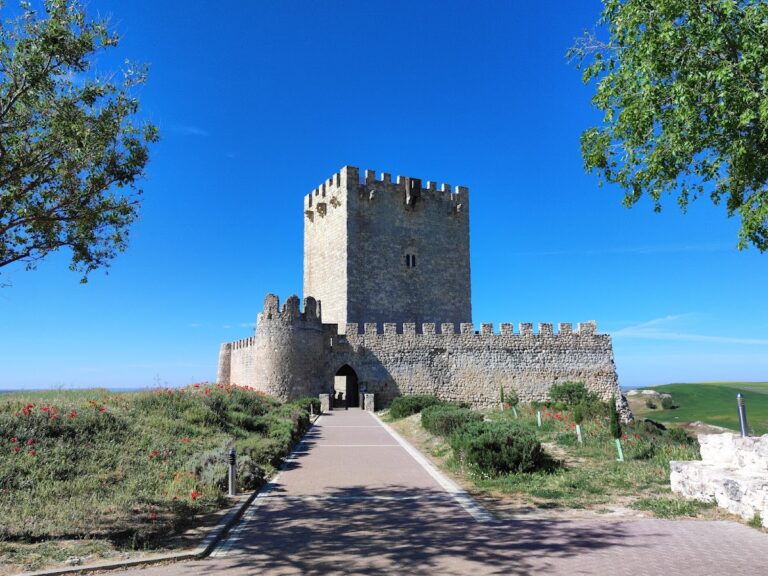
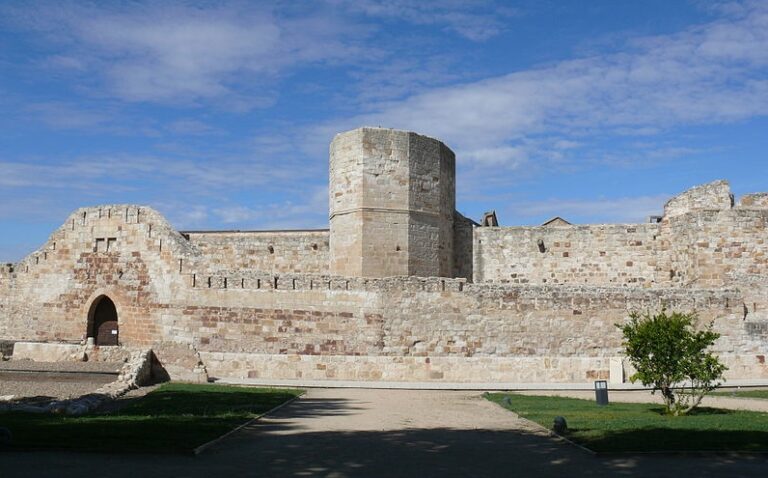
The Alcázar de Toro is a square-plan defensive structure on high ground near the riverbank. Its walls are integrated into the wider fortification system that enclosed the city, and seven towers flank the defensive perimeter. The surviving building reflects numerous reconstructions, giving it much of its later character rather than preserving only the fabric of the tenth-century fortress.
Fortified enclosure
The square defensive layout and projecting towers organized the alcázar as part of Toro’s larger protected boundary. Its position on the elevated city acropolis placed the fortress above the Duero River and connected it physically with the defensive walls. The present structure therefore combines its role as a royal stronghold with the accumulated fabric of successive rebuilding phases.