Pierre-Levée Castle: An Eighteenth-Century Country House in Vendée
Site at a Glance
- Popularity
- Medium
- Country
- France
- Primary era
- Early Modern
- Eras represented
- Early Modern
- Civilizations
- French
- Site type
- Domestic
- Remains
- Elite Residence
On this page6 sections
History
Pezot’s commission
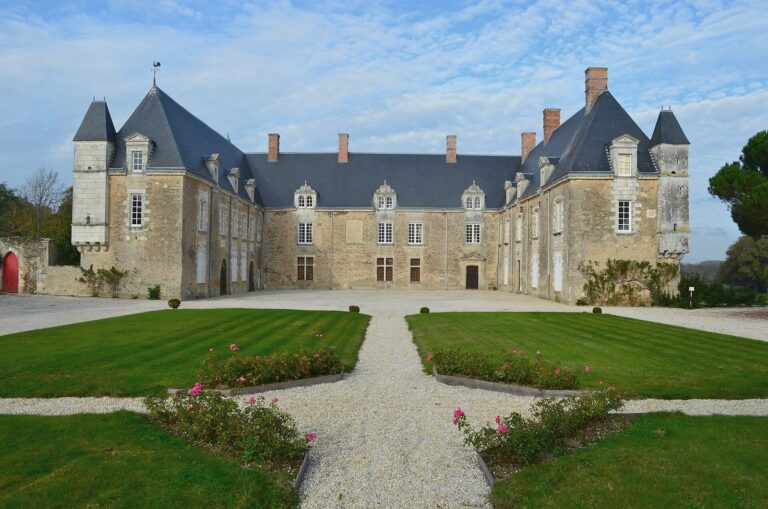
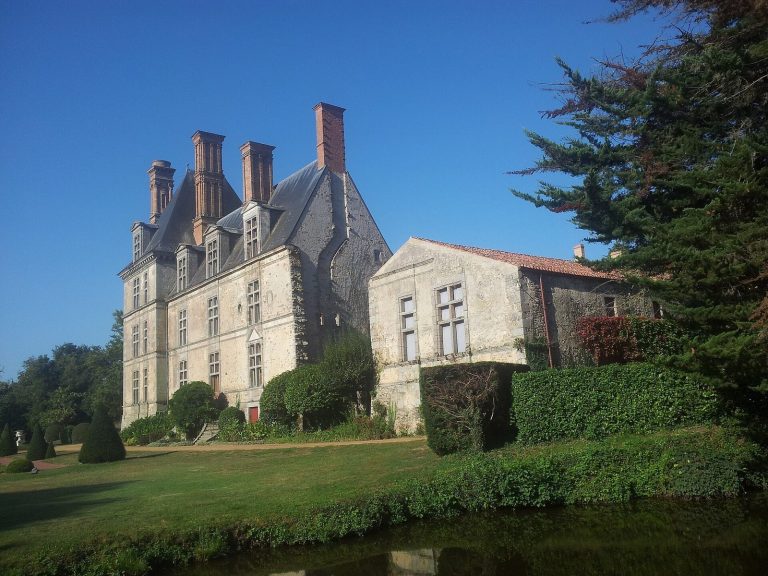
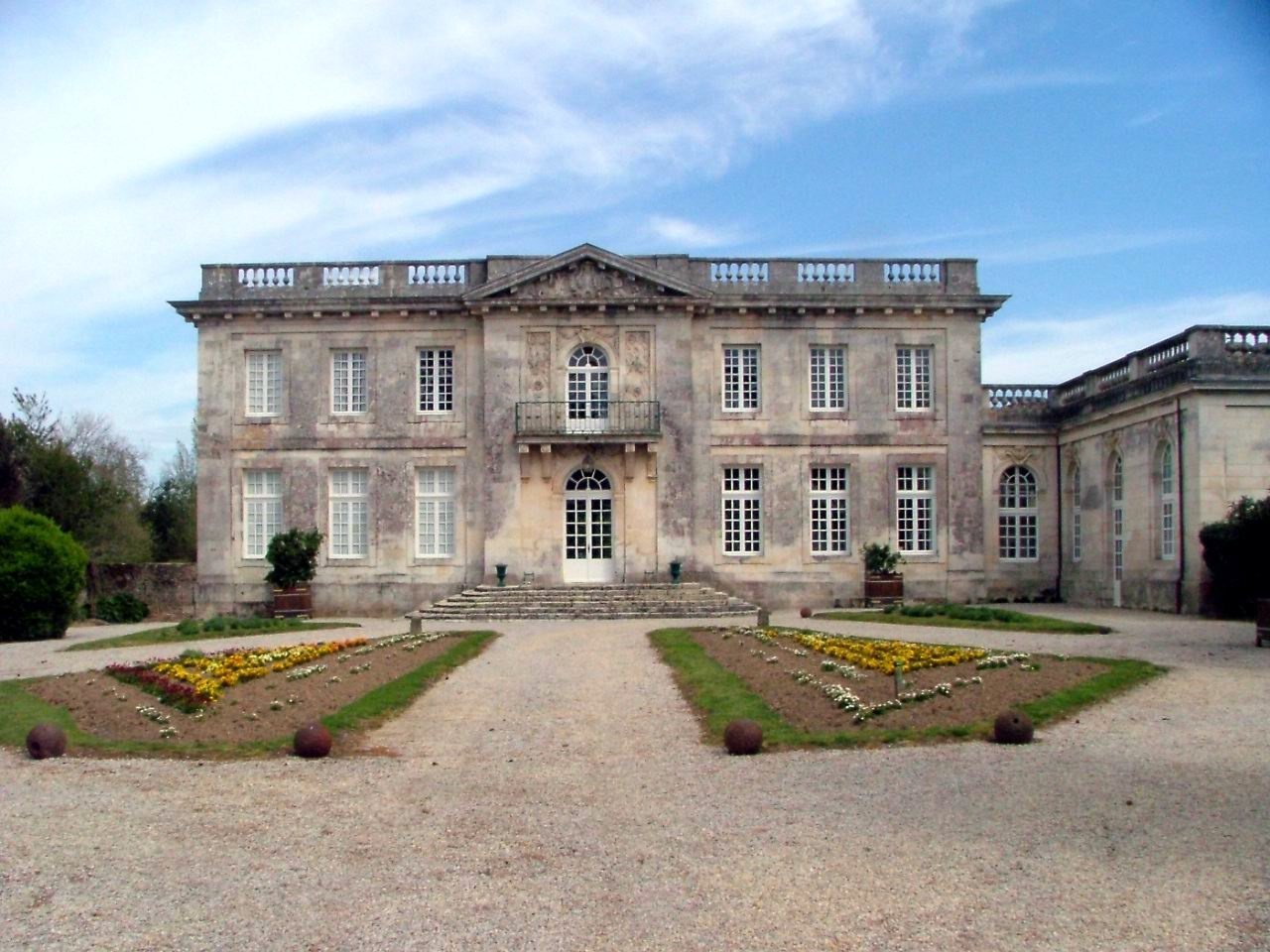
Pierre-Levée Castle is an eighteenth-century country house at Olonne-sur-Mer, in the commune of Les Sables-d’Olonne, Vendée, France. Built in the third quarter of the century, it was commissioned by Luc Pezot in the 1770s. A wealthy and ambitious member of the bourgeoisie, the non-noble urban group associated with commerce and civic life, Pezot was one of the town’s leading financial officers, a shipowner, an alderman, and a tax collector.
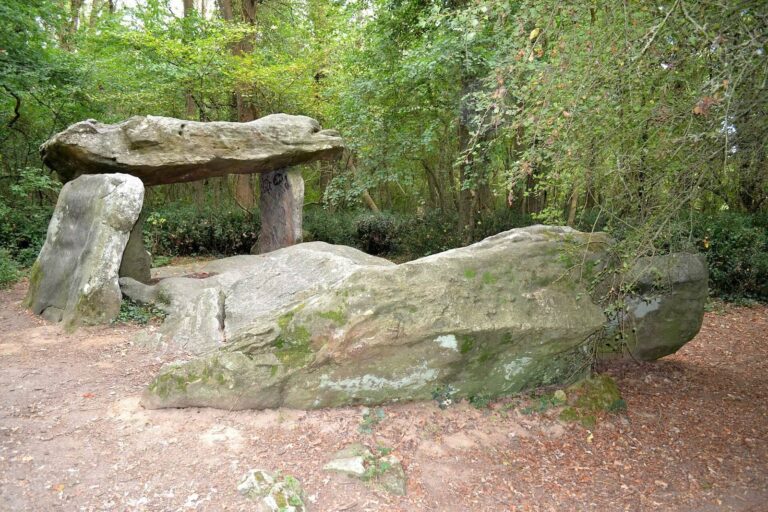
Pezot sought a residence on a royal scale where he could live like a prince. His ambition coincided with a period when the kingdom was close to bankruptcy and much of the population lived in poverty. He died without an heir. The name Pierre-Levée comes from two nearby prehistoric standing stones, mentioned in records as early as 1070, and the château was built at a place with prehistoric associations.
Later ownership and heritage protection
After the French Revolution, the château passed into the ownership of the Auvynet family. Their descendants continued to occupy it, and it remains in private use under the ownership of the de La Roche-Saint-André family.
The château and its surroundings received heritage protection in 1948 and 1949. The château’s remaining parts were listed on 10 April 1948. On 5 July, its façades, roofs, ground-floor rooms, enclosed park, sundial, and outbuildings were classified, the stronger of France’s two statutory heritage designations. A tree-lined avenue and the woodland opposite the château were listed on 17 June 1949.
Remains
Château and grounds
Designed by Nicolas Ducret, the château takes inspiration from the lines of the Petit Trianon, an eighteenth-century pavilion on the Versailles estate. It is also locally known as the Petit Trianon of Vendée. The grounds include an enclosed park, a sundial, and outbuildings. A tree-lined avenue and woodland lie opposite the château. The identified parts of the building include its façades, roofs, and ground-floor rooms.
Prehistoric standing stones
Two upright stones of prehistoric origin stand near the château.