Bessonies Castle: Ancestral Seat of the Lords of Bessonies
Site at a Glance
- Rating
- 4.4
- Popularity
- Low
- Country
- France
- Primary era
- Medieval
- Eras represented
- Medieval, Early Modern, Modern
- Civilizations
- French
- Site type
- Domestic
- Remains
- Castle
On this page7 sections
History
Bessonies Castle, in Bessonies, Lot, France, is first documented in 1555 and stands on medieval foundations. It became the ancestral seat of the lords of Bessonies, a noble family with estates in the historic regions of Quercy and Rouergue.
Family seat and revolutionary upheaval
René de Bessonies arranged repairs to the family castle in 1730. In 1789, it belonged to Jean Joseph René de Bessonies (I), royal governor of Figeac. During the French Revolution, the political upheaval that began that year, he was condemned to death by guillotine. He escaped execution after the fall of Maximilien Robespierre, a leading revolutionary figure. While Jean Joseph was imprisoned, the castle was plundered and badly damaged.
Jean Joseph’s son, Ambert, left France to escape revolutionary persecution. After returning, he married a first cousin of Michel Ney’s wife, connecting the family to the French commander.
Michel Ney’s arrest
After Napoleon’s brief return to power in 1815, known as the Hundred Days, Ney resumed service under him. Following Napoleon’s final abdication and the restoration of Louis XVIII, the Bourbon king, Ney was pursued for treason. He took refuge with relatives at Bessonies Castle, where he was arrested on 3 August 1815. He was held before being taken to Paris, where he was executed. Ney was a French military commander and Marshal of the Empire, a senior rank under Napoleon.
Later ownership and restoration
Ambert’s son, Jean Joseph René de Bessonies (II), was compelled to leave royal service and live on his estates. He died without children in 1871, leaving his property to his nephew Edgard d’Arnaldy-Destroa, the son of his sister Marie Charlotte Louise. Edgard’s eldest daughter, Eugénie Julie Aglaé, later inherited the Bessonies property. After the castle had remained empty for more than sixty years and the estate had fallen into neglect, a new owner acquired it in 2001 and restored it.
Remains
Castle and grounds
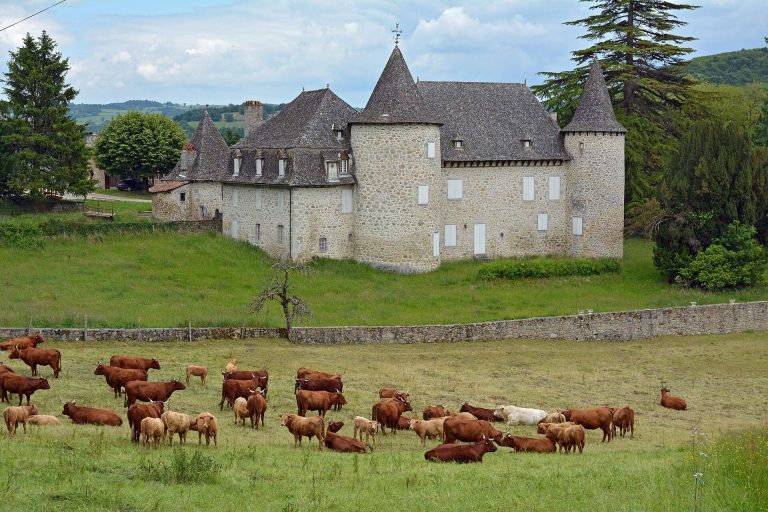
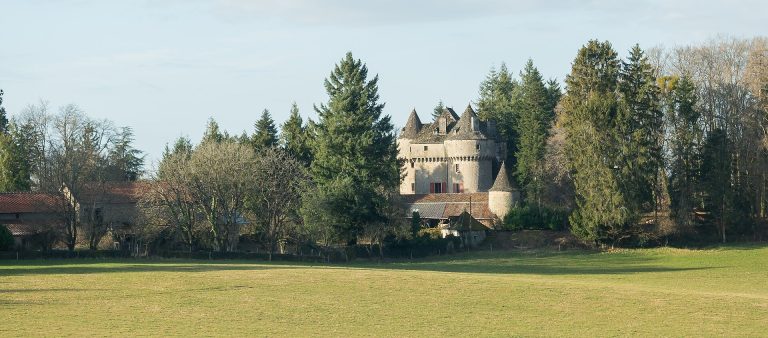
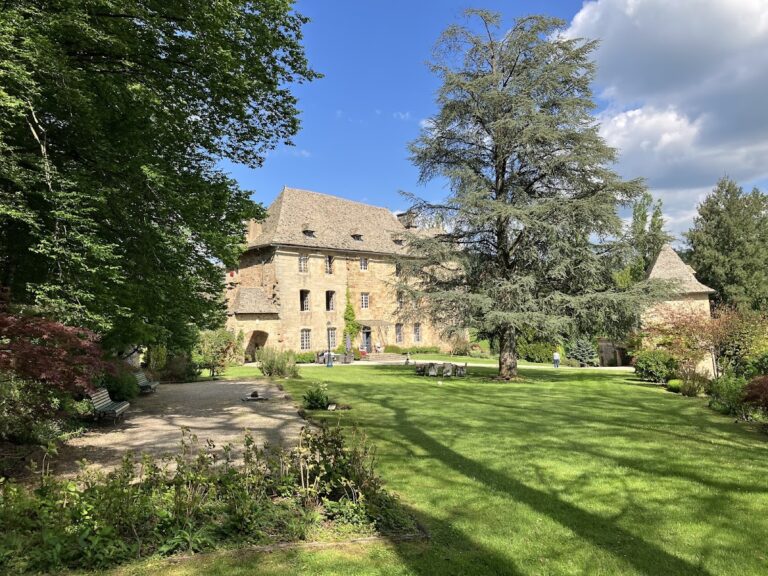
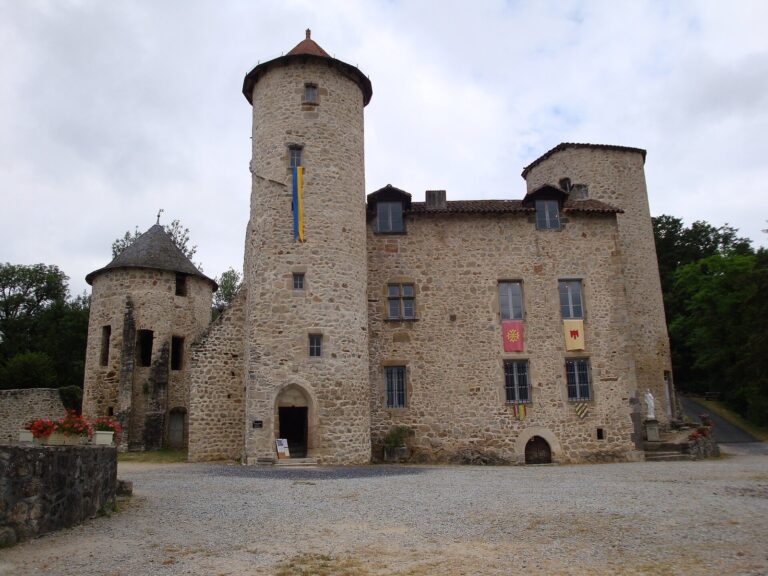
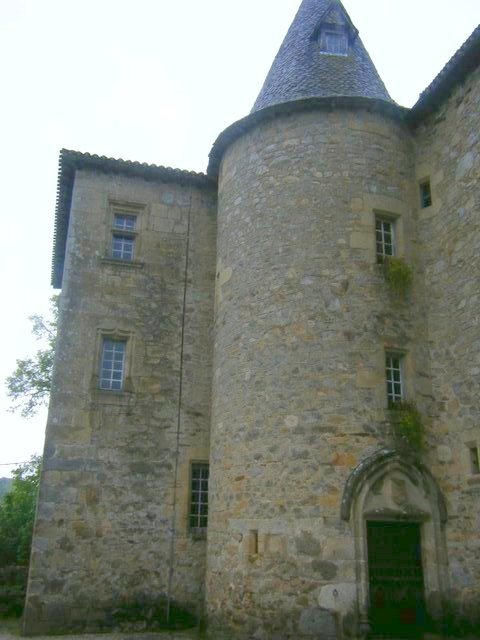
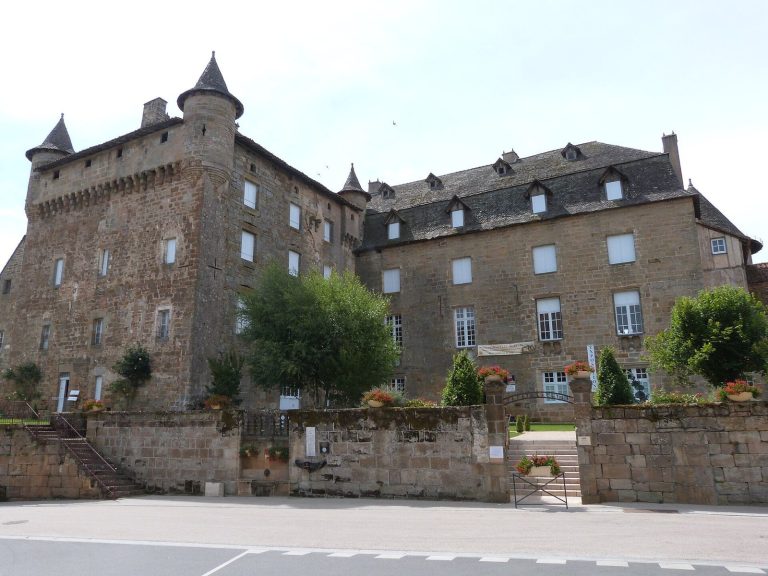
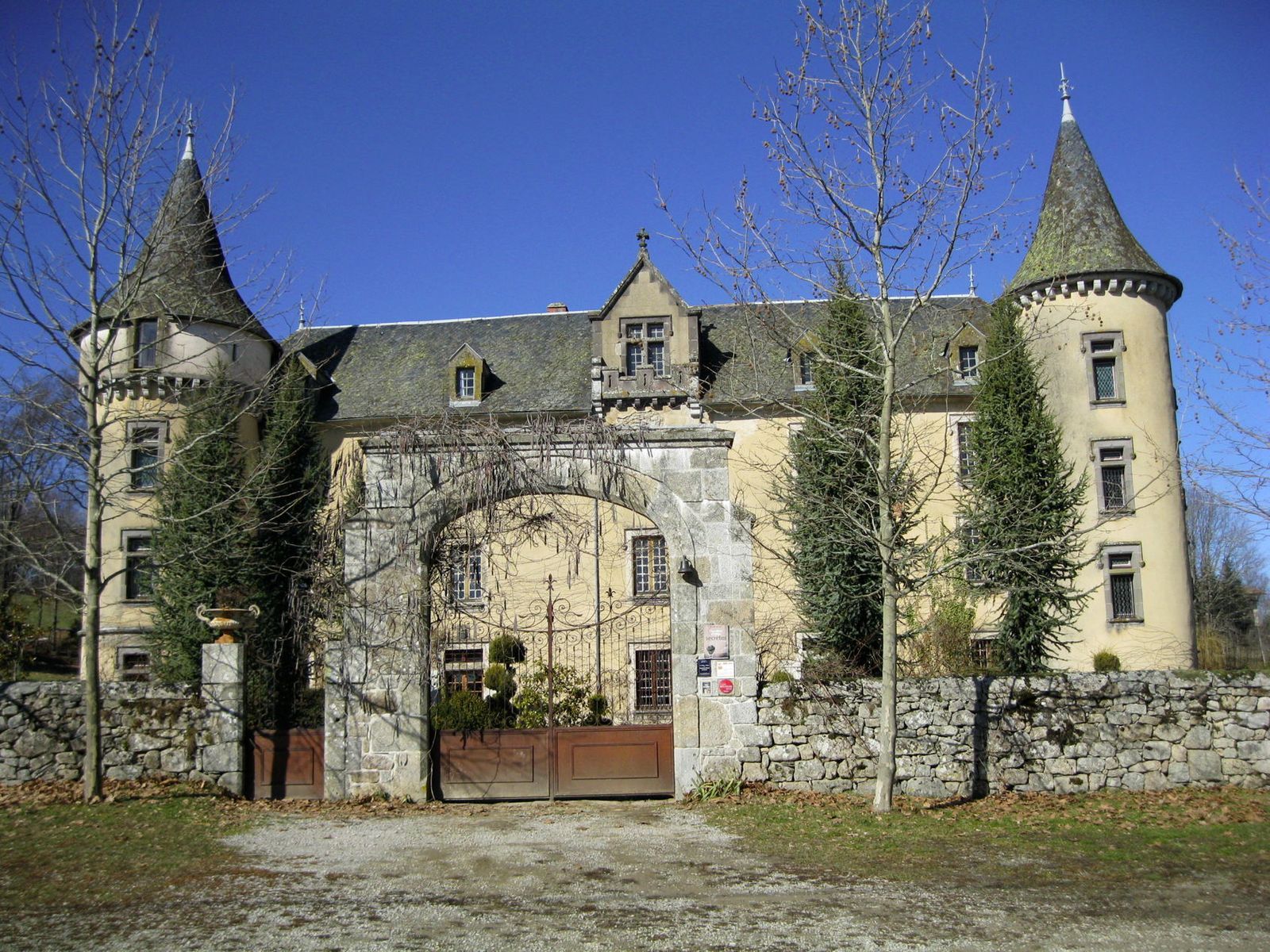
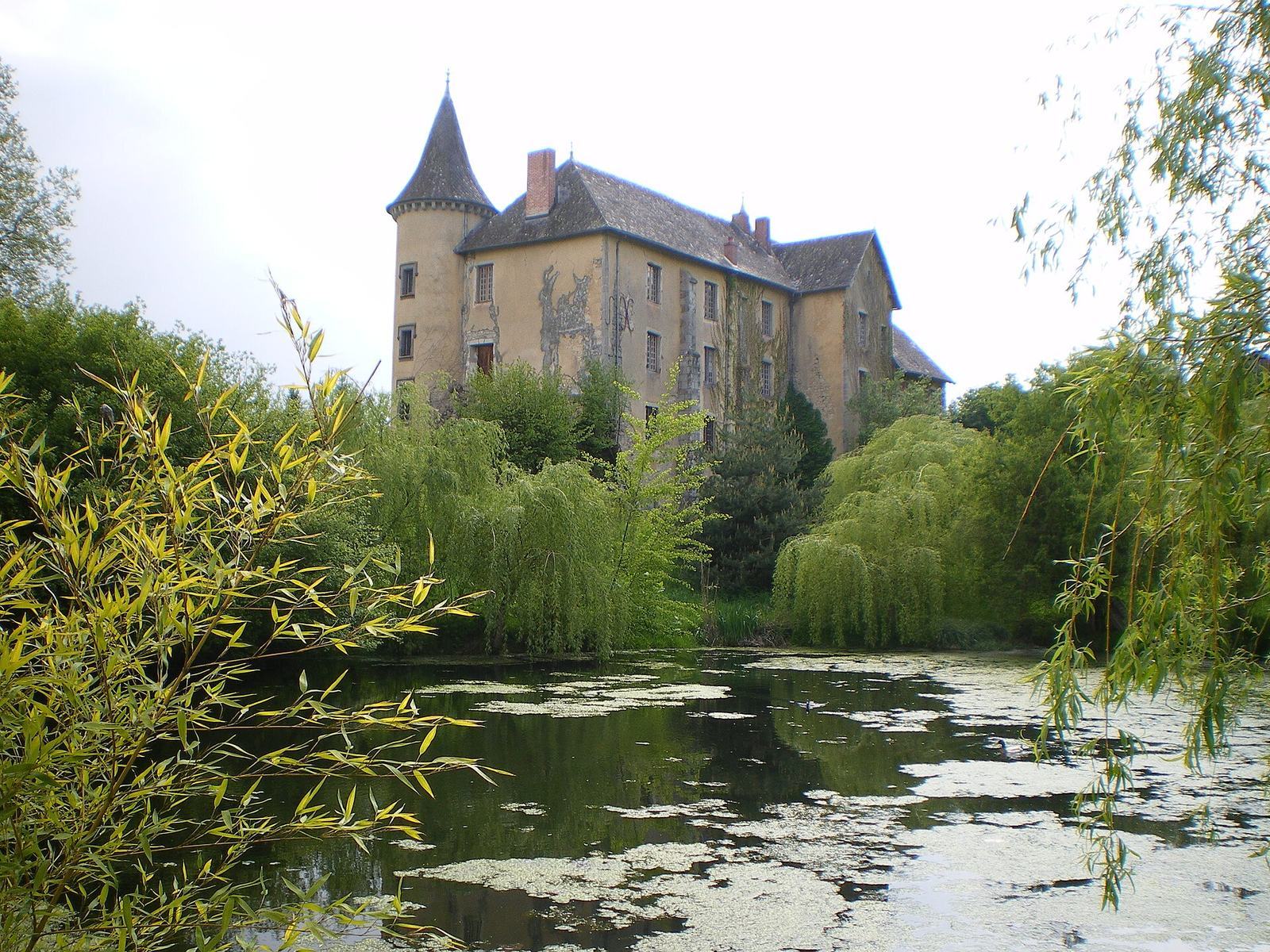
The small castle comprises a residential building with a round tower at each southern corner, set within a two-hectare park. Its construction incorporates medieval foundations. The towers date to the 15th century, while the residential building includes phases from the 15th, 18th, and 19th centuries.
Ground-floor rooms
Among the ground-floor rooms are a carefully restored chamber and a library. Ney was held in the library after his arrest.