Royal Abbey of Notre-Dame de Lieu-Dieu: A Premonstratensian Abbey in France
Site at a Glance
- Popularity
- Medium
- Country
- France
- Primary era
- Medieval
- Eras represented
- Medieval
- Civilizations
- Duchy of Aquitaine
- Site type
- Religious
- Remains
- Monastery
On this page9 sections
History
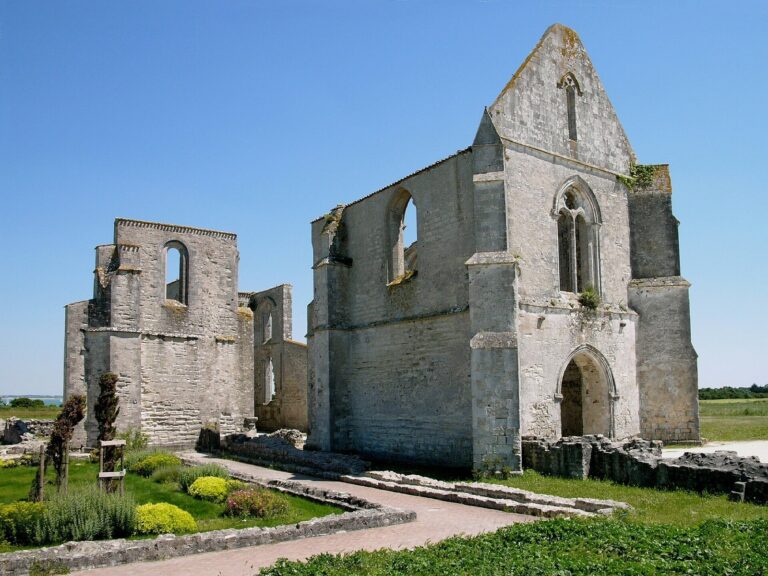
The Royal Abbey of Notre-Dame de Lieu-Dieu is a former abbey at Jard-sur-Mer, France. Richard the Lionheart, king of England, founded it in 1197 for canons of the Premonstratensian Order, a Catholic order whose clergy lived according to a religious rule. Dedicated to Our Lady, the Catholic title for the Virgin Mary, the abbey was home to this religious community.
The abbey in the 13th and 14th centuries
Bertrand de Got stayed at the abbey from the night of 30 April to 1 May 1305, with his entourage supported at the abbot’s expense. The next morning he attended Mass and confirmed and tonsured several clerics. Tonsure was a rite marking entry into the clerical state. About a month later, Bertrand de Got was elected pope as Clement V.
After roughly two centuries of prosperity, the abbey suffered a series of major attacks. In 1372, forces of the French king Charles V, commanded by Bertrand du Guesclin, retook it from the English and pillaged and burned it. The attack took place during the Hundred Years’ War, the prolonged conflict between England and France.
Attacks and contested appointments
In late January 1484, the canons elected René de La Tremblaye as abbot. Before his appointment was confirmed, envoys of Jean de La Trémoille demanded the position for him. After the envoys were turned away, they returned with 200 men and plundered the abbey. Following René’s death, the king appointed Jean commendatory abbot. A commendatory abbot received the position by appointment rather than election by the religious community; this system could separate control of the abbey’s income from life among its canons. The practice was introduced in 1484.
The Peace of Amboise, a 1563 settlement intended to end the first French War of Religion between Catholics and Protestants, did not stop attacks on Catholic religious sites. On 31 March 1568, Calvinists entered the abbey, looted it, and set fire to the dormitory or convent and most of the church.
Transfer to the order’s Paris college
A report from 1664 put the abbey’s revenue at 30,000 livres, a historical French unit of currency. It counted seven or eight reformed Premonstratensian canons and named Gilbert de Clérembault, bishop of Poitiers, as holder of the abbey’s title. In 1667, the Premonstratensian leader Michel II de Colbert de Terron sought to transfer the abbey’s property and income to the order’s college in Paris. After more than 60 years of litigation, abbot-general Claude-Honoré-Luc de Muin secured a royal order on 17 August 1720 directing the union.
In February 1721, the seneschal of Fontenay-le-Comte, an administrative and judicial officer, inspected the abbey and its estate. The abbot-general then took possession of its goods, titles, and effects. The first sale of furnishings and fittings raised 10,000 livres, and further sales followed in 1722.
Farm, sale, and restoration
The abbey became a farm in 1733. Its estate was divided into six lots for auction on 17 August 1790. Notices were posted on 28 March 1791, and on 4 May the abbey was purchased by Coppat, a merchant from Les Sables-d’Olonne. Local contractors bought reusable building materials. Part of the abbey’s remains was listed as a historic monument on 12 April 1927. Alain du Peloux and his wife acquired the site in January 2012 and began restoration work with their children.
Remains
Surviving buildings
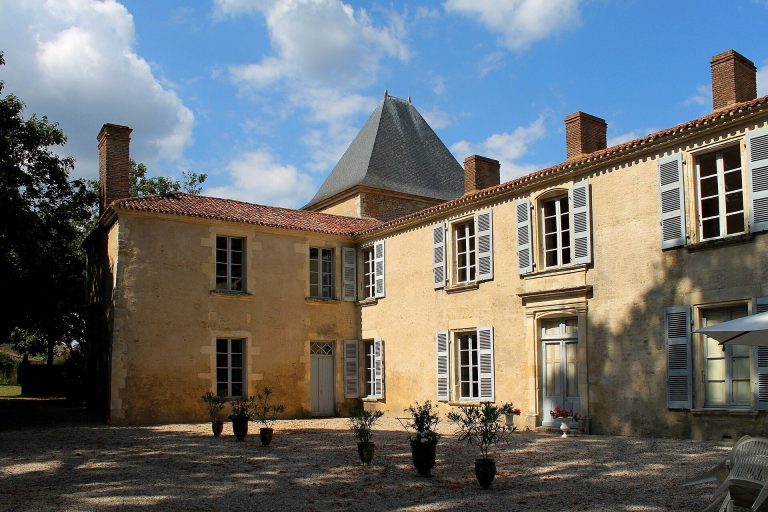
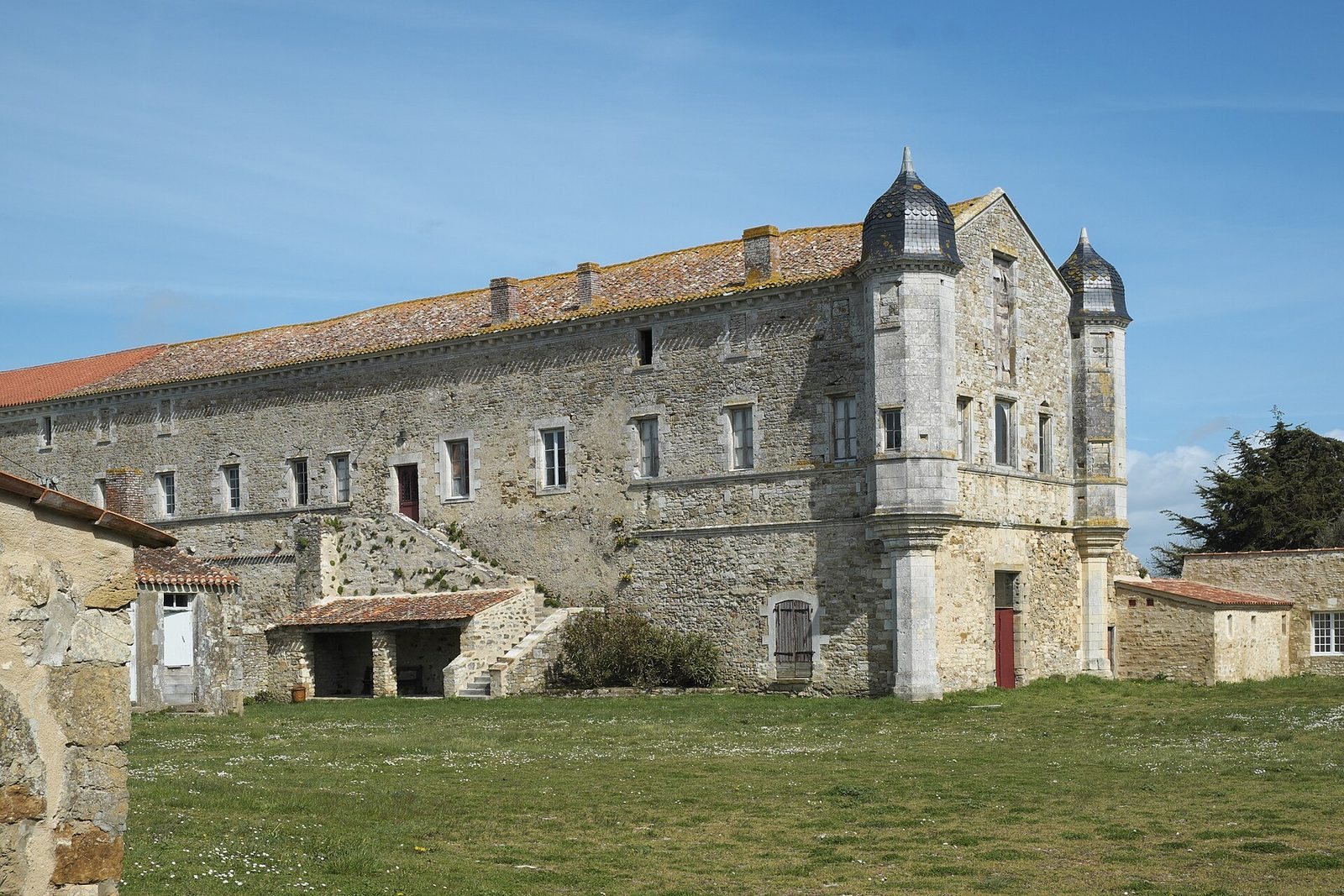
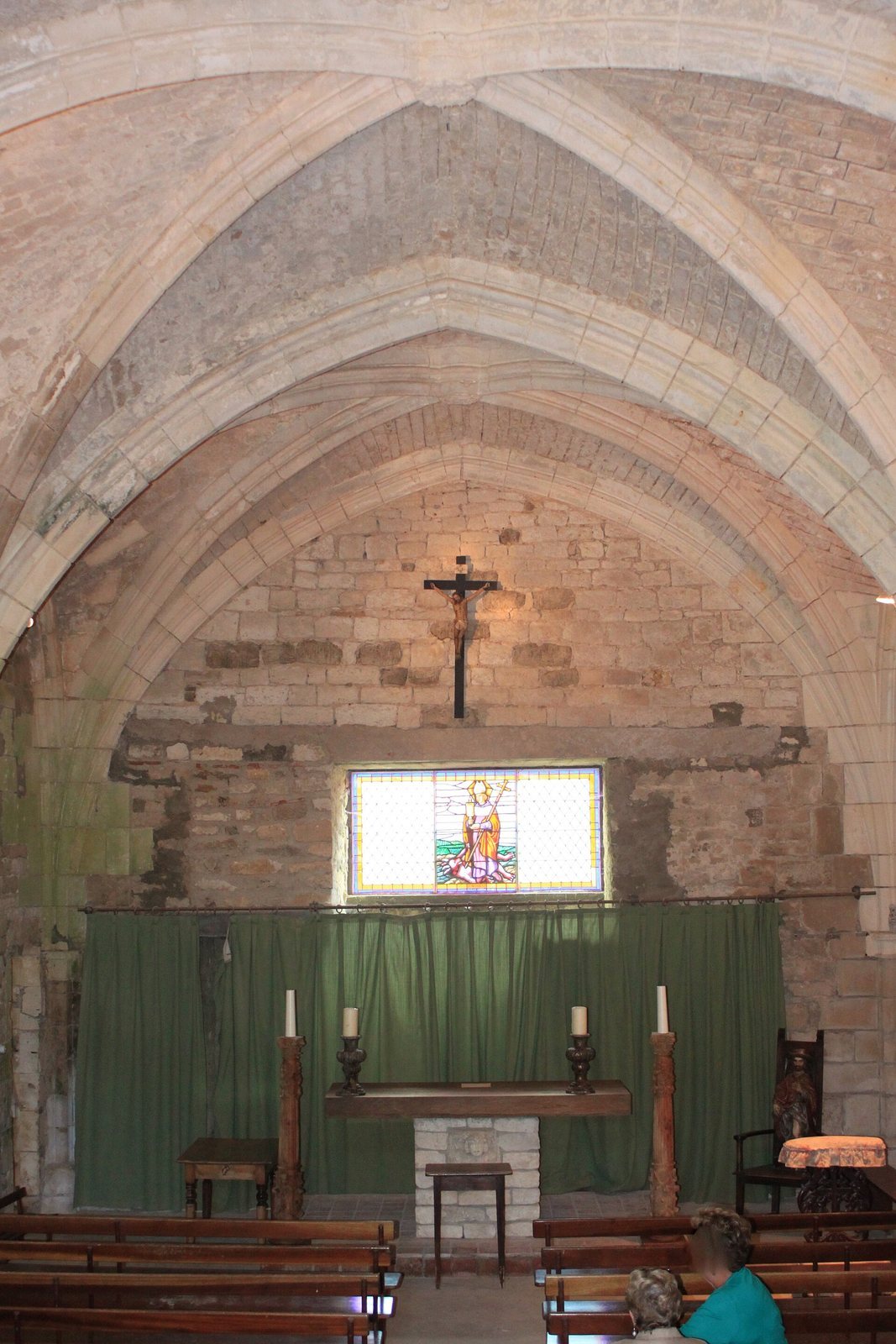
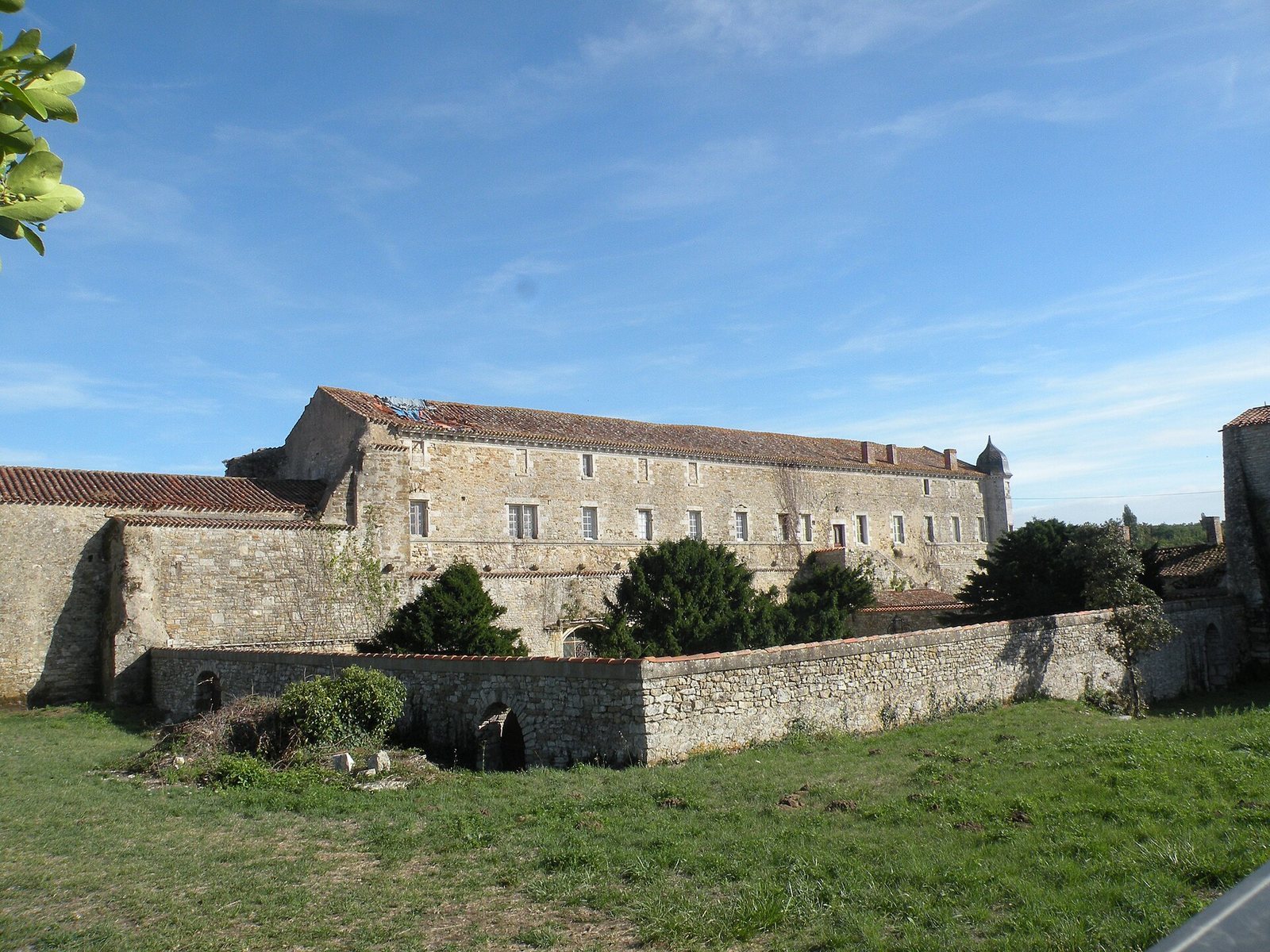
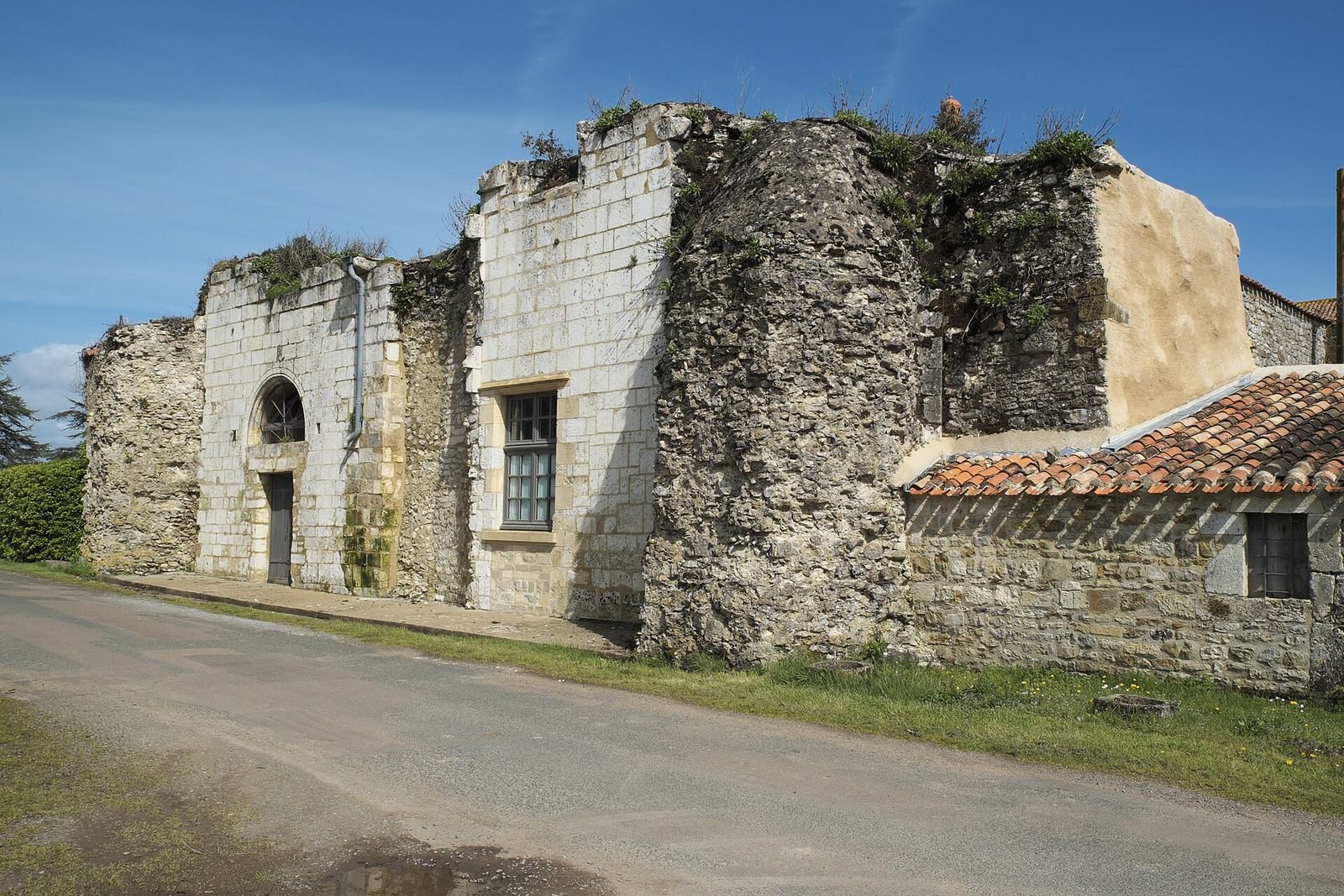
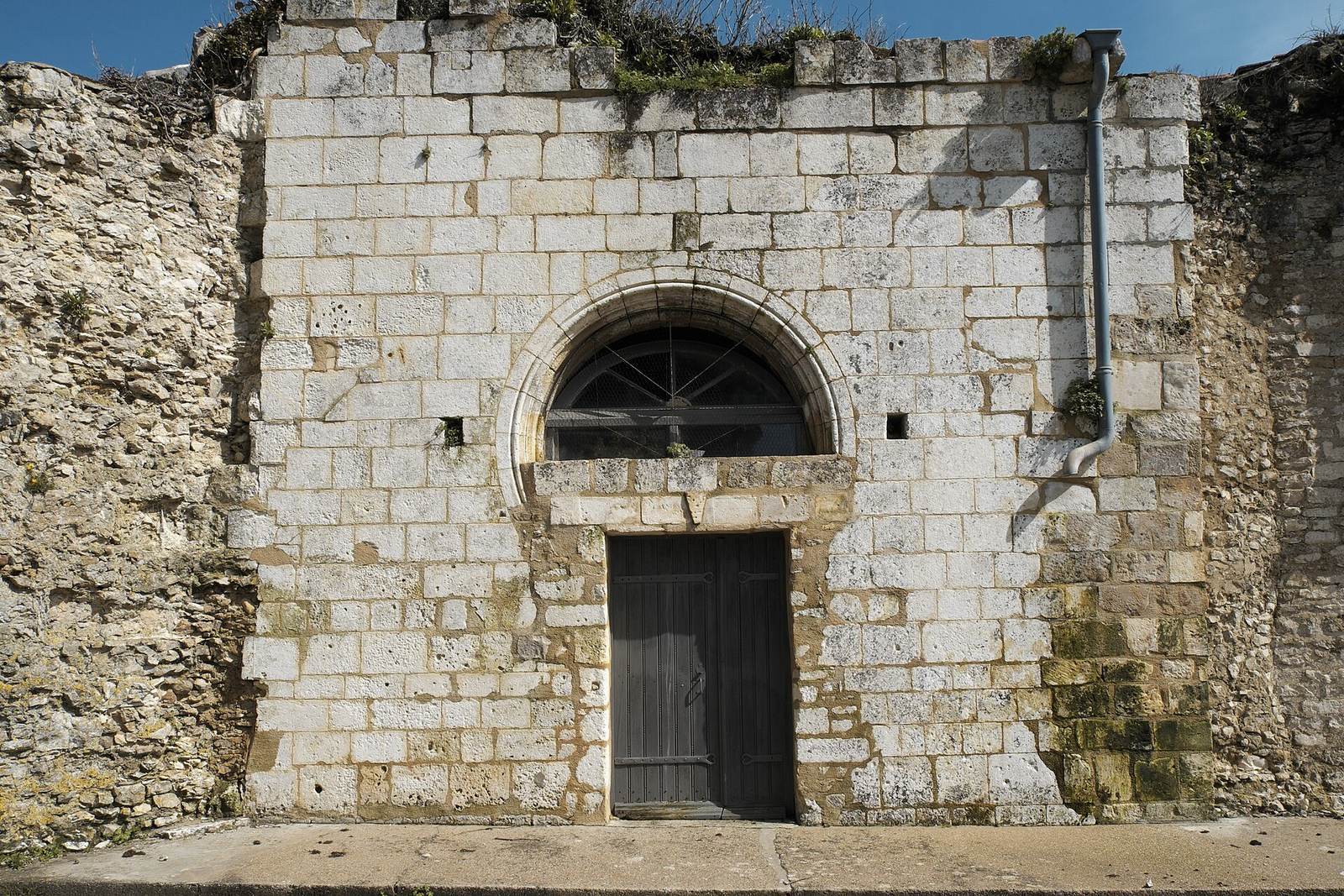
The surviving fabric includes a large building with a cellar, a chapter house, the room where the religious community met for business, and a staircase. Portions of both the abbey church and the parish church also remain. These buildings and fragments form the principal surviving parts of the former abbey complex.
Fittings and materials sold
Sales following the 1721 seizure dispersed interior furnishings and parts of the buildings. Items included wall panelling, window glass, doors and hinges, crosses, crucifixes, candlesticks, paintings, a vessel for consecrated hosts, an incense burner, silverware, and organs. In 1722, paving and some stone pillars from the old nave were sold, along with three bells, a clock, an organ and its gallery, and roofing materials of slate, tile, and timber from chapels and other buildings. In 1791, buyers acquired ashlar, finely cut masonry blocks, from the abbey church’s buttresses, projecting supports against a wall, as well as stone from the lay brothers’ refectory, their communal dining room, and the warming room, a heated communal space.
Plans and historical depiction
A detailed description of the buildings and a plan of the estate, prepared in connection with the 1721 inspection, survive. An 1860 print by Octave de Rochebrune depicts the abbey under the name Abbey of Jart.