Château de Malherbes: A Historic Vineyard Estate in France
Site at a Glance
- Rating
- 4.8
- Popularity
- Very Low
- Country
- France
- Primary era
- Modern
- External website
- Open
- Eras represented
- Medieval, Early Modern, Modern
- Civilizations
- Duchy of Aquitaine, English, French
- Site type
- Domestic
- Remains
- Castle
On this page7 sections
History
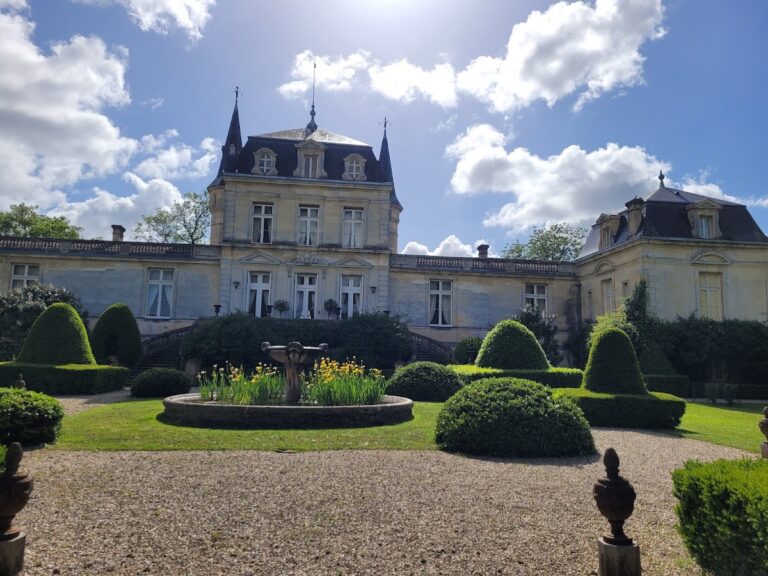
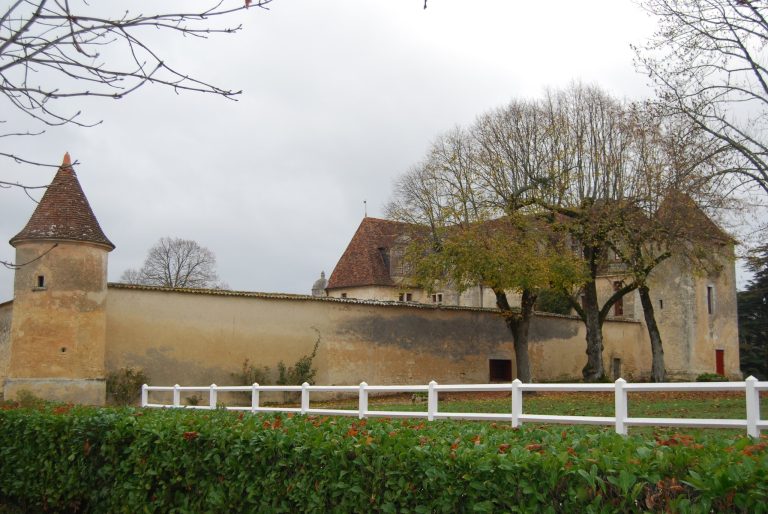
Château de Malherbes is a château and vineyard estate in Latresne, France, in the Entre-deux-Mers region of southwestern France near the Garonne. The estate was created in the late fourteenth century by Guilhem de Malherbes, a knight returning from the Crusades, the medieval Western European military expeditions conducted under religious and political auspices. A noble house on the property is documented from the sixteenth century.
From noble estate to wine property
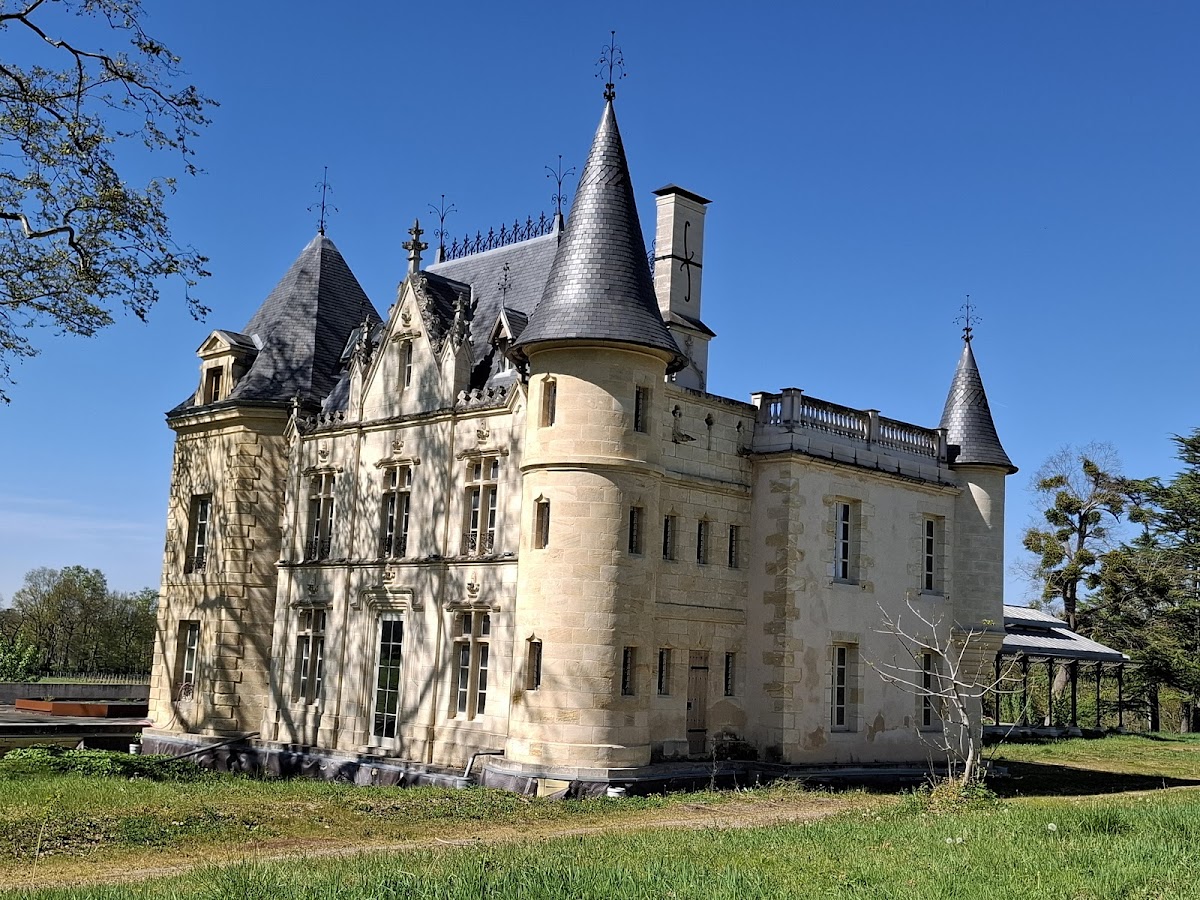
The site developed from its medieval foundation into a noble residential and agricultural estate. Its main residential building was later reconstructed in the nineteenth century in a style recalling the sixteenth century, while parts of the agricultural buildings preserve earlier fabric alongside later construction.
Modern wine production
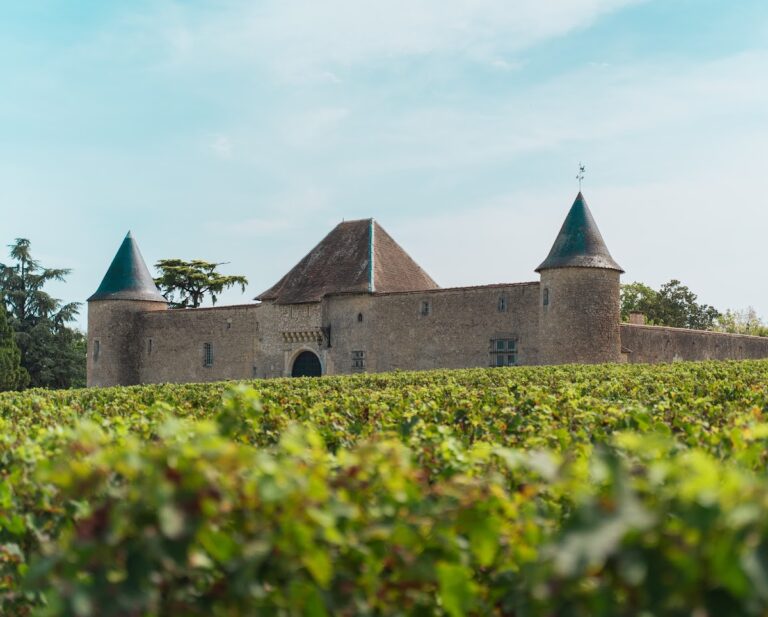
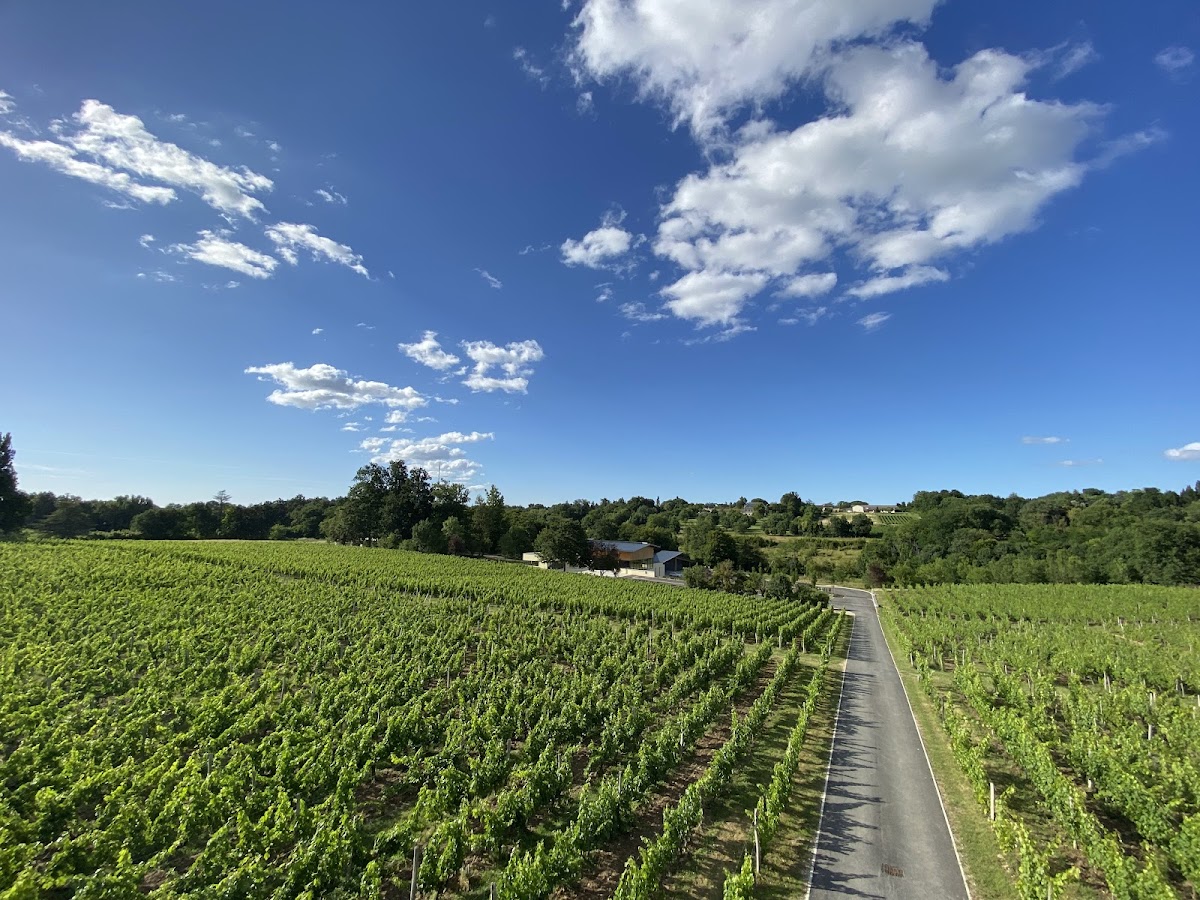
Until the 2010s, the estate’s wine was mainly delivered to a cooperative winery. In 2014, the Russian businessman Mikhaïl Bereshchanskii bought the property and invested several million euros. The planted vineyard area grew from 7 hectares in 2014 to 12 hectares in 2023. The estate now covers 25 hectares, including 12 hectares of contiguous vines, and produces red wine under the Cadillac-Côtes-de-Bordeaux appellation and white wine under the Bordeaux Blanc appellation. These are protected Bordeaux wine names that define geographical areas and production conditions. The vineyards are managed through reasoned agriculture, an environmentally conscious French approach that seeks to limit agricultural inputs and environmental impacts while retaining conventional production methods.
Remains
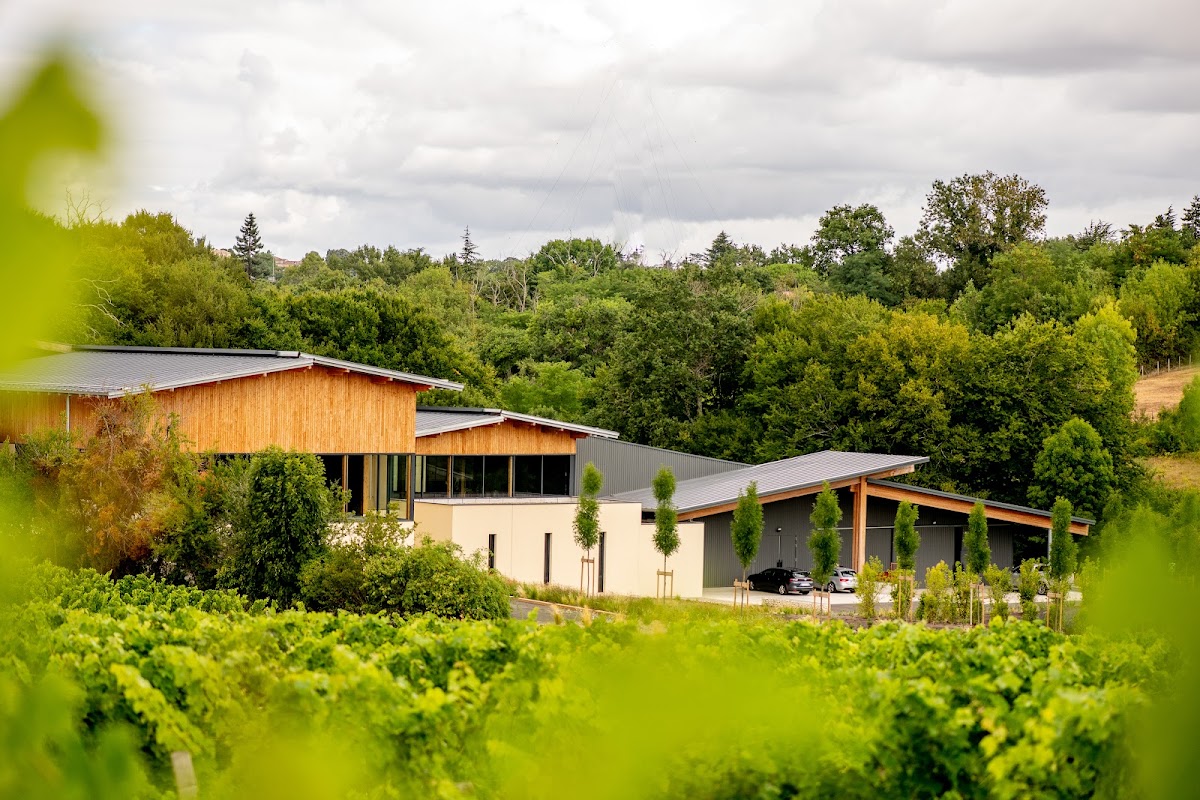
Château de Malherbes combines a nineteenth-century residential building, older agricultural structures, contiguous vineyards, and a modern winery arranged across sloping ground. The buildings reflect successive periods of construction, while the winery uses the site’s elevation as part of its production design.
Residential and agricultural buildings
The principal residence was rebuilt in the nineteenth century with architectural references to the sixteenth century. Some components of the agricultural buildings date from the seventeenth century, although most of their surviving fabric belongs to the eighteenth century. Together, these structures preserve the estate’s development from a noble house into a long-established agricultural property.
Winery and vineyard
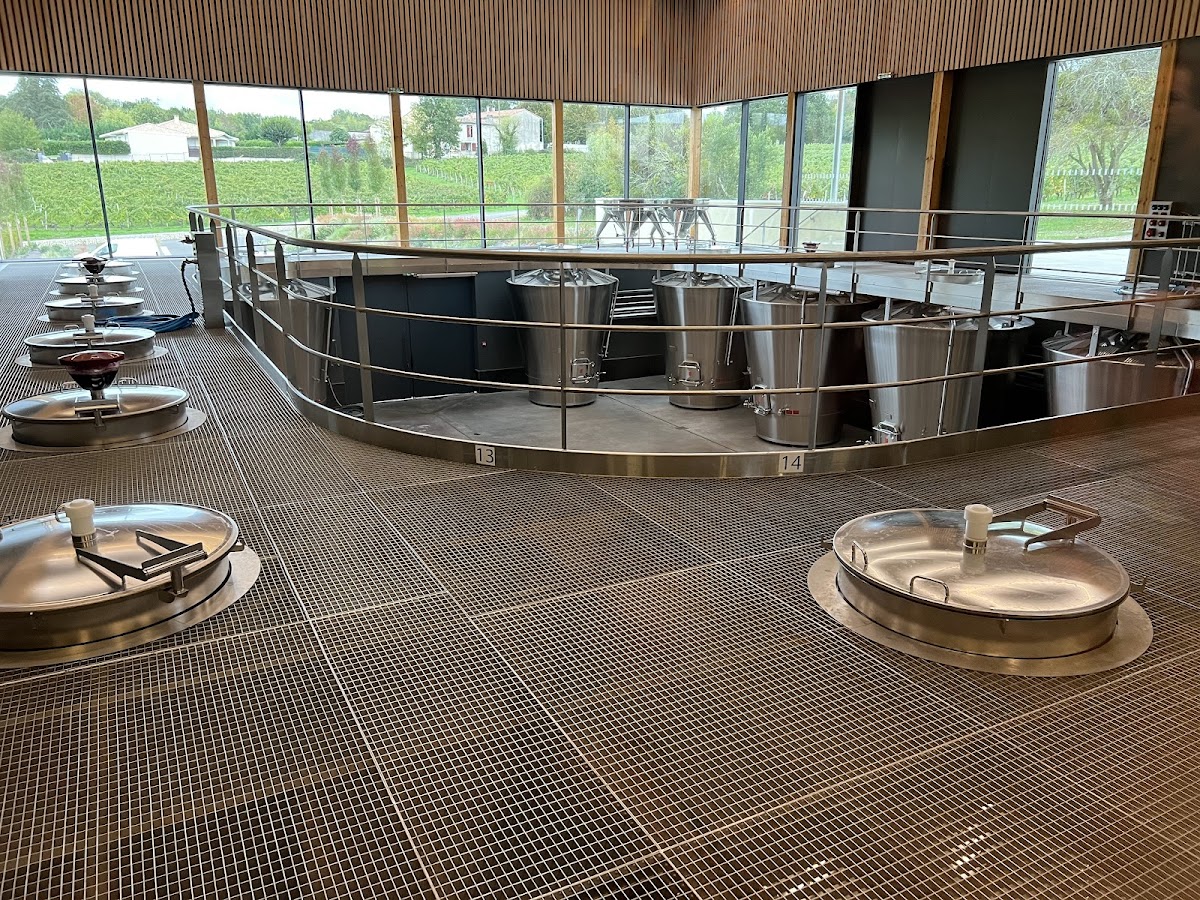
Built in 2021, the winery contains 14 stainless-steel tanks shaped as inverted truncated cones. It follows the slope of the estate so that grapes and wine can pass between stages by gravity rather than by pumps. This reduces handling that could damage the grapes or wine. The vines grow in gravel and clay, as well as clay-limestone soils, and have an average age of approximately 25 years.
The red-wine plantings comprise Merlot at 60 percent, Cabernet Sauvignon at 25 percent, and Cabernet Franc at 15 percent. White-wine plantings comprise Sémillon at 60 percent and Sauvignon Blanc at 40 percent. Harvesting is carried out by hand with crates. The grapes are cooled in a cold room and sorted by density to select the ripest berries. Production includes cold pre-fermentation maceration, alcoholic fermentation in tanks, malolactic fermentation in barrels, and later aging in new barrels.
Wines produced on the estate
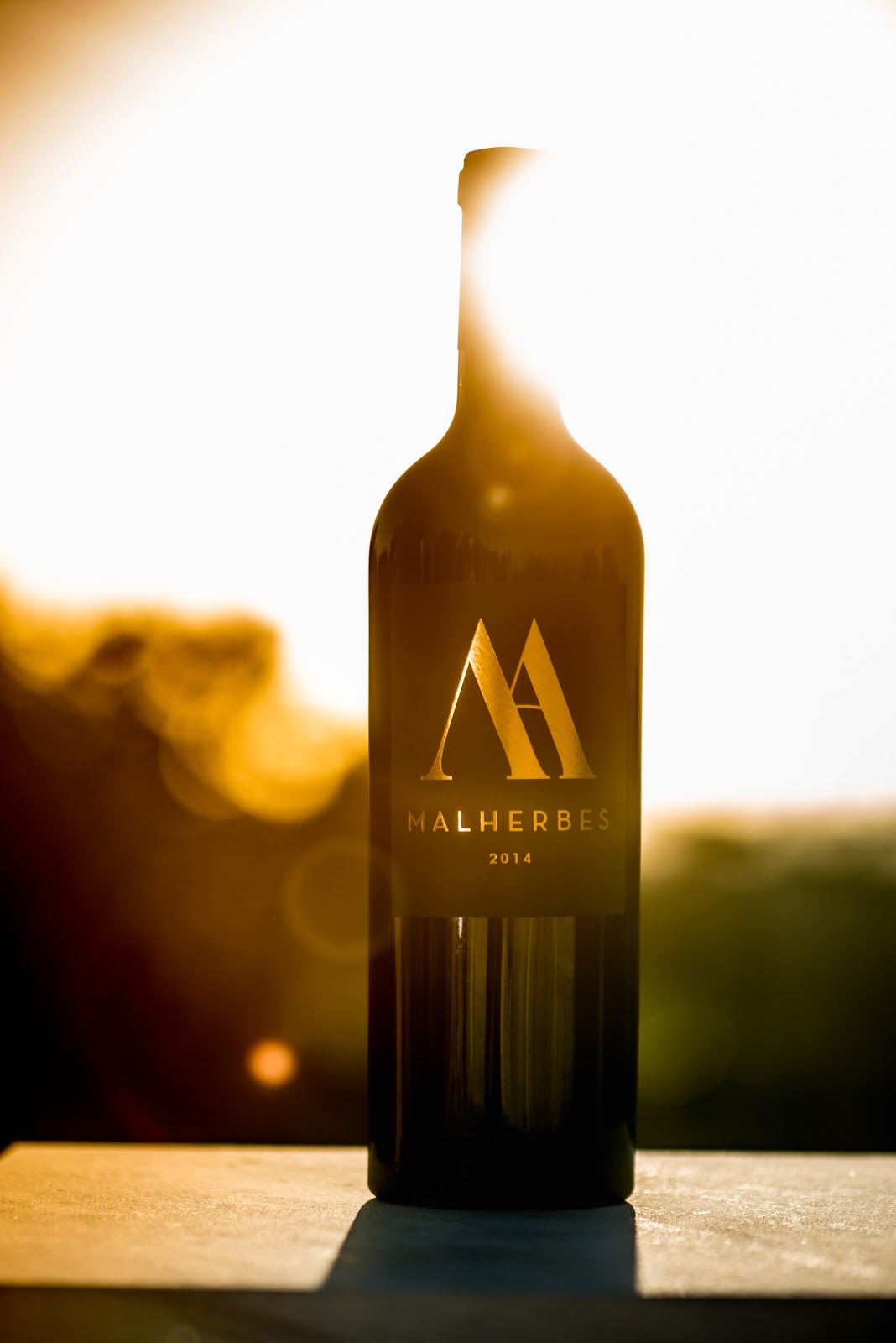
The estate produces three wines. Château de Malherbes red uses Merlot, Cabernet Sauvignon, and Cabernet Franc, while Château de Malherbes white is made in barrels from Sémillon and Sauvignon Blanc. Malherbes red uses the same three red varieties in proportions of 60 percent, 25 percent, and 15 percent, and is aged for 18 months in new barrels.