Lunegarde Castle: A Residence Built by the Vidal de Lapize Family
Site at a Glance
- Rating
- 5
- Popularity
- Very Low
- Country
- France
- Primary era
- Early Modern
- Eras represented
- Early Modern
- Civilizations
- French
- Site type
- Domestic
- Remains
- Elite Residence
On this page5 sections
History
Medieval origins and destruction
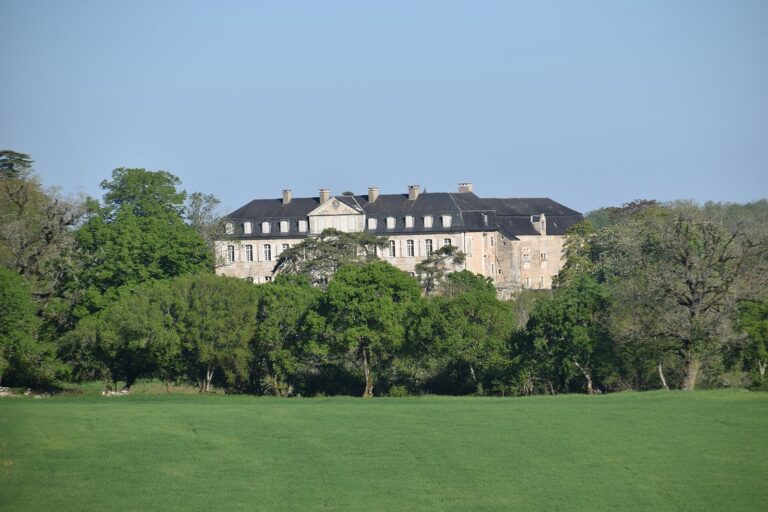
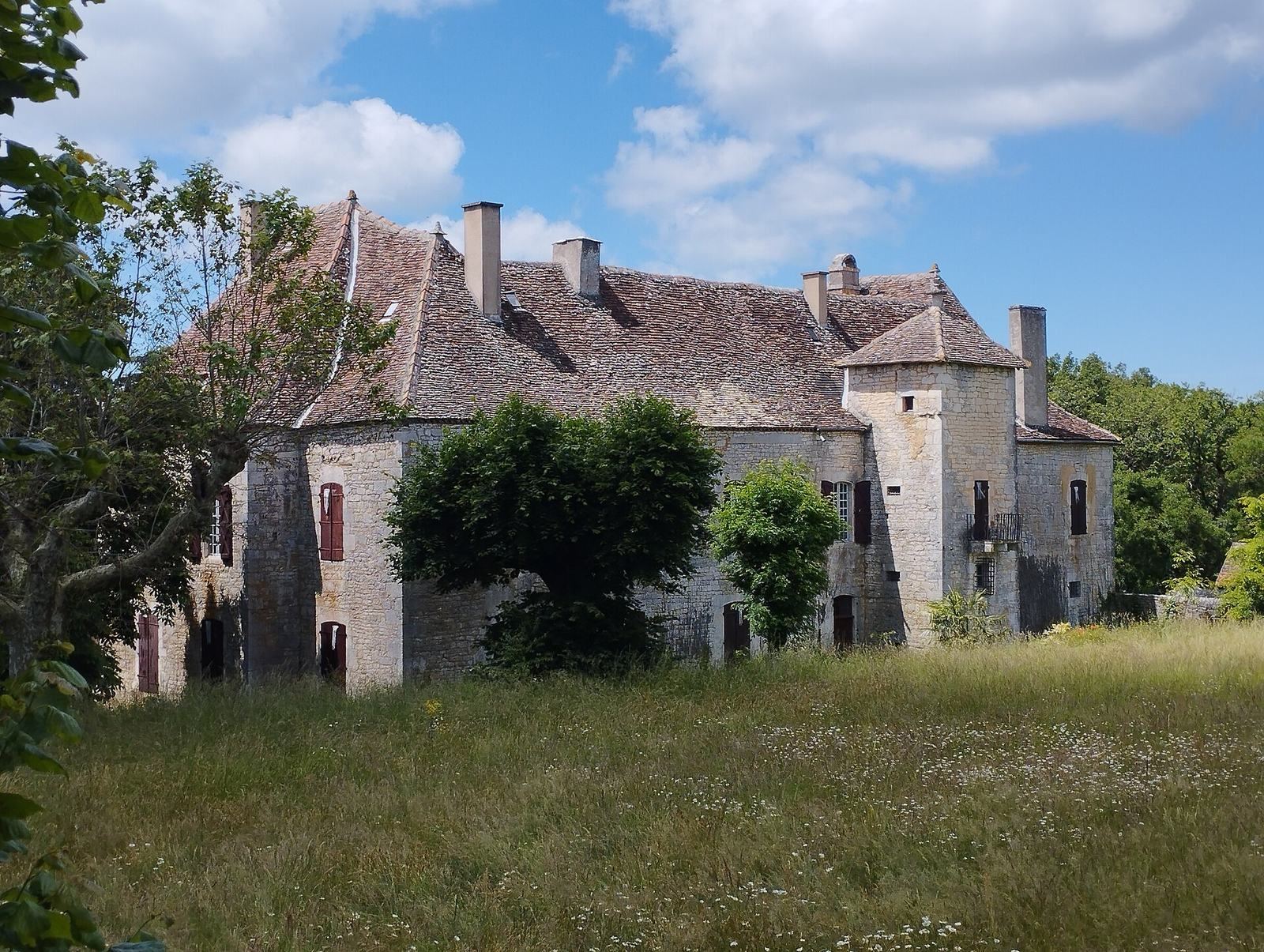
Lunegarde Castle is an eighteenth-century residence built by the Vidal de Lapize family at the edge of Lunegarde village in the Lot department of France. The fief of Lunegarde, land held within a feudal relationship, belonged to the office of cantor, a church post responsible for leading liturgical singing, at the Abbey of Saint-Pierre in Marcilhac-sur-Célé. The de Gourdon family held it first, followed by Guillaume Balène from 1290 to 1301.
An earlier château, probably situated near the church, passed to Mafre de Solignac through marriage. It was destroyed during the Hundred Years’ War, a prolonged conflict between the English and French crowns conventionally dated from 1337 to 1453.
Changing holders
In the fifteenth century, the Gauléjac family of Puycalvel held the lordship, meaning the domain and rights associated with a lord. A 1504 record names Jean d’Auriole as its holder, while allowing the lord of Puycalvel to redeem it. The property later passed through the Lagarde family of Reilhac and the Ginouilhac family to the Crussol family of Uzès.
The Vidal de Lapize family
In 1659, the Duke of Uzès leased the lordship to Antoine Vidal de Lapize. His family built the present château as a residence, and their descendants own it today. The château was registered as a historic monument on 16 September 1991.
Remains
The château comprises a main residential block with a wing on each side, one to the west and one to the east. The main block and western wing date to 1736; the eastern wing was built in 1773.