Podmalinsko Monastery: A Serbian Orthodox Monastery in Montenegro
Site at a Glance
- Rating
- 4.9
- Popularity
- Very Low
- Country
- Montenegro
- Primary era
- Medieval
- External website
- Open
- Eras represented
- Medieval
- Civilizations
- Serbian
- Site type
- Religious
- Remains
- Monastery
On this page7 sections
History
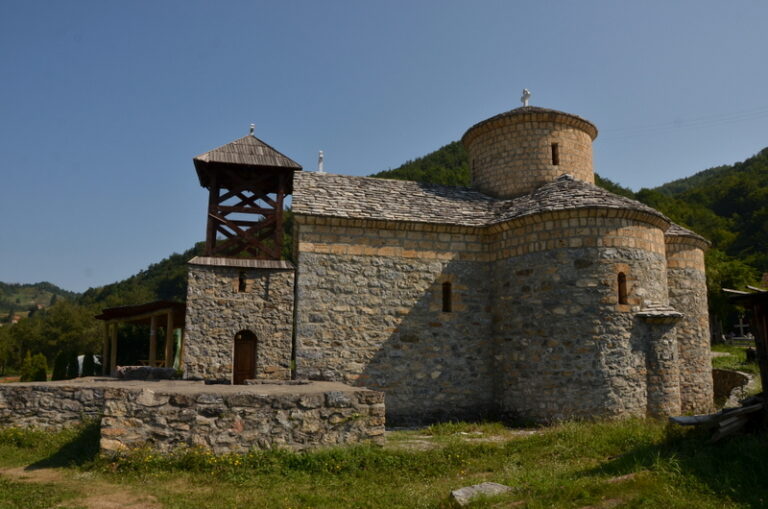
Podmalinsko Monastery is a Serbian Orthodox monastery in Montenegro, traditionally believed to have been founded around 1252 by King Stephen Uroš I of Serbia, a medieval ruler of the Nemanjić dynasty. Also called Tušinski Monastery after the nearby village of Tušina, it takes the name Podmalinsko, meaning “beneath Malinsko,” from the village of Malinsko across the Bukovica River. The church is dedicated to Saint Michael, the patron saint of the Nemanjić dynasty, and the monastery is affiliated with the Serbian Orthodox Church.
Foundation tradition
A foundation legend links Podmalinsko Monastery with the construction of Morača Monastery. It says that stones were passed along a human chain stretching about 20 kilometres between a stone mine at Tušina and the Morača building site. After Morača Monastery was completed, the stones were supposedly returned and used to build Podmalinsko.
Drobnjaci meetings and destruction
The monastery was destroyed and rebuilt several times. It served as a traditional meeting place for the Drobnjaci, a regional tribal community. Their last meeting there took place in 1840, when they decided to inform Njegoš, the commonly used name of Petar II Petrović-Njegoš, of their intention to kill Smail-aga Čengić.
After Smail-aga Čengić was killed near the monastery, Ottoman forces plundered the Drobnjaci region and destroyed the monastery. A small cemetery in the grounds includes the grave of Mirko Aleksić, a prominent Drobnjaci voivode, or military leader, who beheaded Smail-aga Čengić.
Ecclesiastical administration and restoration
Podmalinsko belonged to the Eparchy of Herzegovina, an Orthodox territorial diocese, until 1878. Following the liberation and annexation of Old Herzegovina to the Principality of Montenegro, it became part of the newly established Eparchy of Zahumlje and Raška. That eparchy was abolished in 1931 and incorporated into the Metropolitanate of Montenegro and the Littoral, a higher-ranking ecclesiastical jurisdiction. The monastery was destroyed during the Second World War, restoration began in 1998, and since the establishment of the Eparchy of Budimlja and Nikšić in 2001 it has belonged to that eparchy.
Remains
Church and monastery grounds
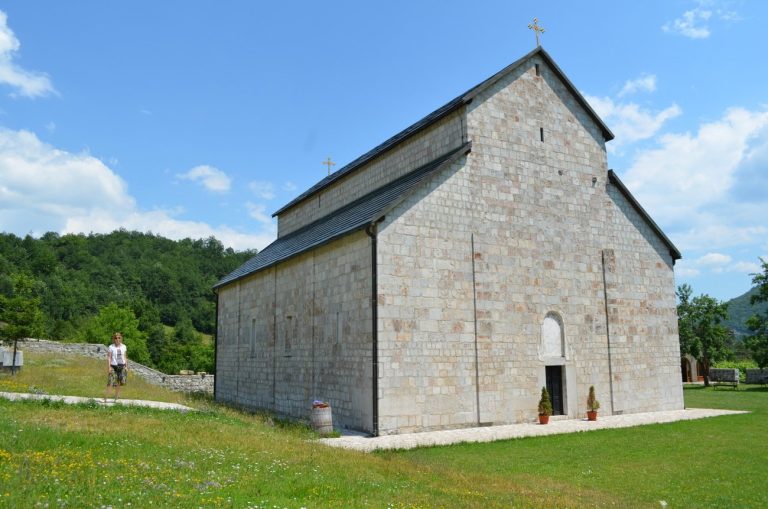
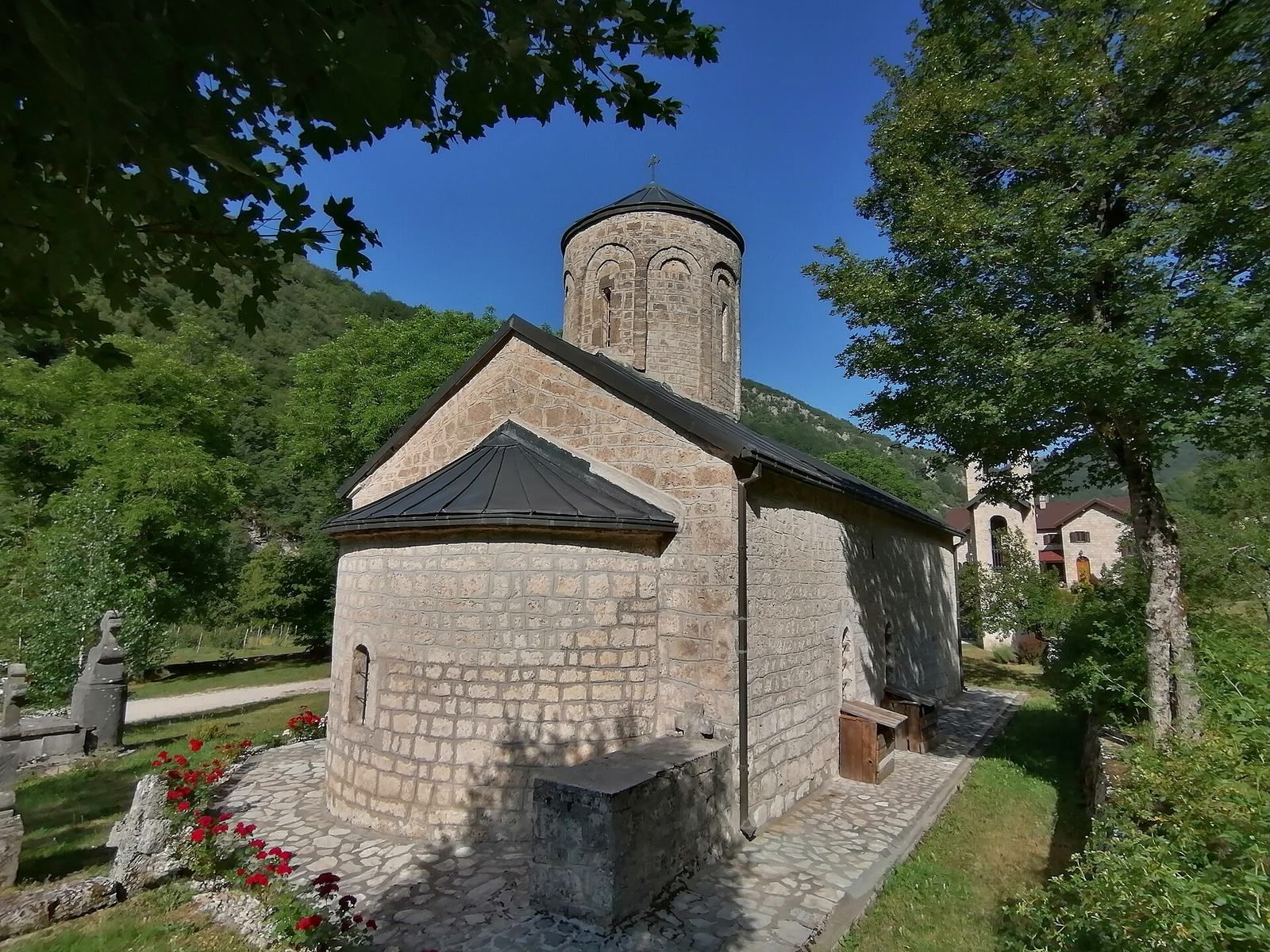
Podmalinsko Monastery lies in the valley of the Bukovica River beside its right bank, between Malinsko and Tušina, in the traditionally defined regions of Drobnjaci and Uskoci. The monastery church measures approximately 16.5 metres in length and 7.5 metres in width. Local limestone known as siga was used in its construction.
Former buildings and cemetery
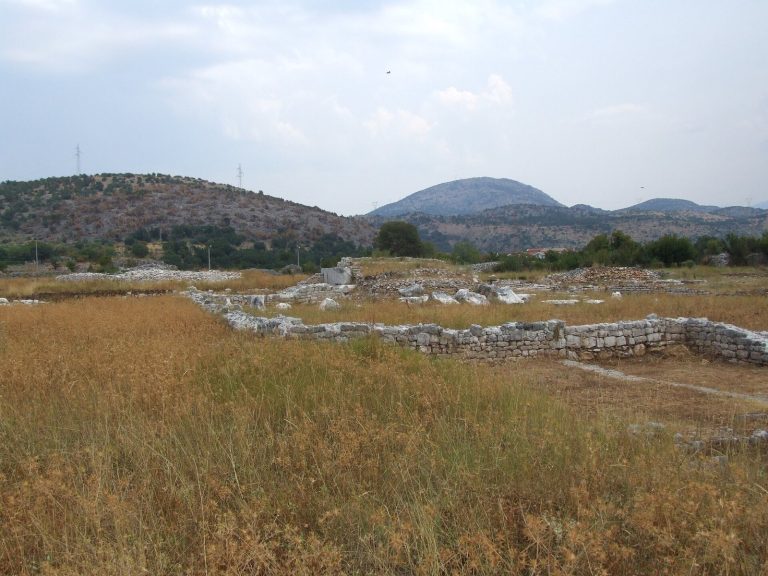
Ruins of several former monastery buildings survive north of the church. The grounds also contain a small cemetery, including the grave of Mirko Aleksić, whose role in the killing of Smail-aga Čengić connects the surviving burial place with the nineteenth-century history of the monastery and the Drobnjaci community.