Château de Fresneaux-Montchevreuil: An Aristocratic Residence in France


Site at a Glance
- Rating
- 4.6
- Popularity
- Very Low
- Country
- France
- Primary era
- Medieval
- External website
- Open
- Eras represented
- Medieval, Early Modern, Modern
- Civilizations
- French
- Site type
- Domestic
- Remains
- Castle
On this page7 sections
History
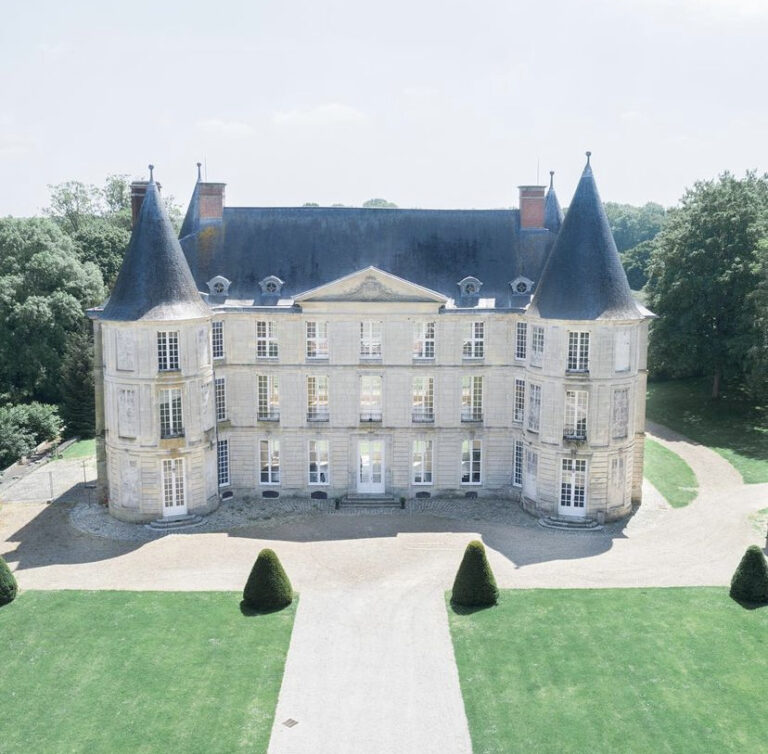
Château de Fresneaux-Montchevreuil is an aristocratic country residence in France, with construction extending from the fifteenth to the nineteenth century. It stands on the hillside of Montchevreuil and was built on the foundations of an older château probably dating from the twelfth century.
The Mornay seigneury
The seigneury of Montchevreuil, a territorial lordship, belonged to Jean Chenu at the beginning of the sixteenth century. After his death, his cousin Pierre de Mornay received the land as a donation in 1539. The Mornay family and its descendants then retained the château until the middle of the twentieth century.
The building’s early construction has been attributed either to Guillaume de Mornay or to his son Pierre de Mornay, although the attribution remains uncertain. During the seventeenth century, extensions were added at both ends of the château, and stables were built as part of the expanding residence.
The château in the seventeenth and eighteenth centuries
In the seventeenth century, the château belonged to Henri de Mornay, Marquis of Montchevreuil, who lived from 1623 to 1706. He served as governor and captain of Saint-Germain-en-Laye. His wife, Marguerite Boucher d’Orsay, was governess to the Duchess of Orléans. Henri and Marguerite were held in high esteem by King Louis XIV and the Marquise de Maintenon, a prominent figure at Louis XIV’s court.
Their son René de Mornay later served as Louis XV’s ambassador to Portugal and became Archbishop of Besançon. An archbishop is a senior bishop who oversees an archdiocese, while an ambassador is a state’s senior diplomatic representative.
Alterations and later history
Toward the end of the Second Empire, the period of Napoleon III’s rule from 1852 to 1870, Augustin Philippe de Mornay restored the château. The work changed the interior arrangement, added return wings, and enlarged the dependencies.
Princess Michel of Bourbon-Parma sold the château in 1956. It ceased to be inhabited and began falling into ruin from the 1980s. The façades and roofs have been registered as historic monuments since an order dated 21 February 1983. Archives from Château de Montchevreuil are held in the French National Archives in the Mornay and Soult collection, subseries 402 AP.
Remains
Château de Fresneaux-Montchevreuil occupies a hillside site and is arranged over three levels. Its surviving form combines the earlier château with additions made during the seventeenth century and further alterations undertaken toward the end of the Second Empire.
Building and medieval foundations
The main château rises on the foundations of a structure probably dating from the twelfth century. The present construction belongs to a long sequence extending from the fifteenth to the nineteenth century. The building’s early fabric is associated with the uncertain attribution to Guillaume de Mornay or Pierre de Mornay.
Wings, stables, and dependencies
During the seventeenth century, wings were added to both ends of the château, and stables were constructed. Later, return wings extended the building further, while the dependencies were enlarged during the restoration carried out toward the end of the Second Empire.
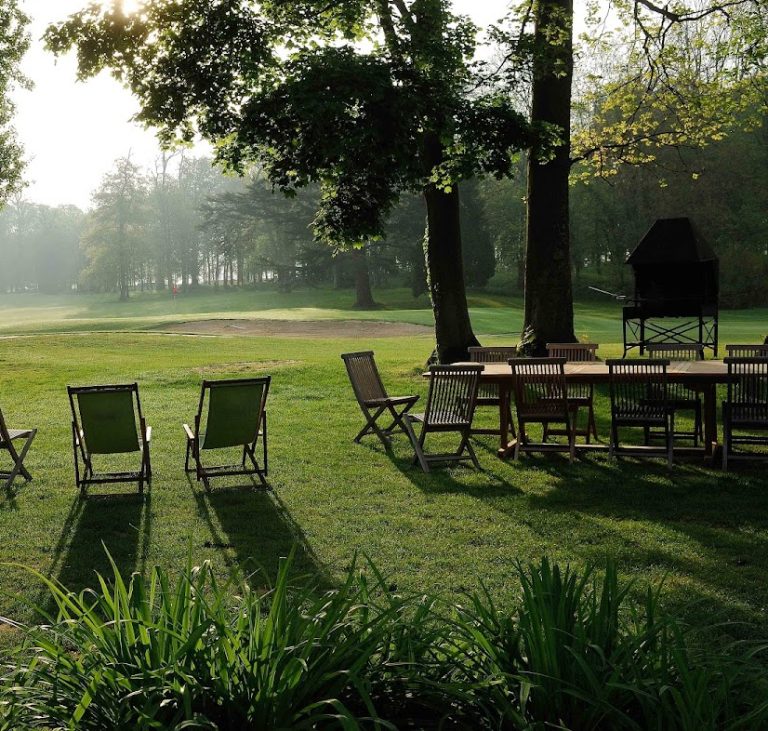
The château itself has subsequently fallen into ruin. Its dependencies and its 200-hectare park remain maintained, preserving the wider setting of the residence and its associated buildings.