Déomas Castle: A Nineteenth-Century Residence and Public Cultural Venue
Site at a Glance
- Popularity
- Medium
- Country
- France
- Primary era
- Modern
- Eras represented
- Modern
- Civilizations
- French
- Site type
- Domestic
- Remains
- Elite Residence
On this page4 sections
History
Construction and private ownership
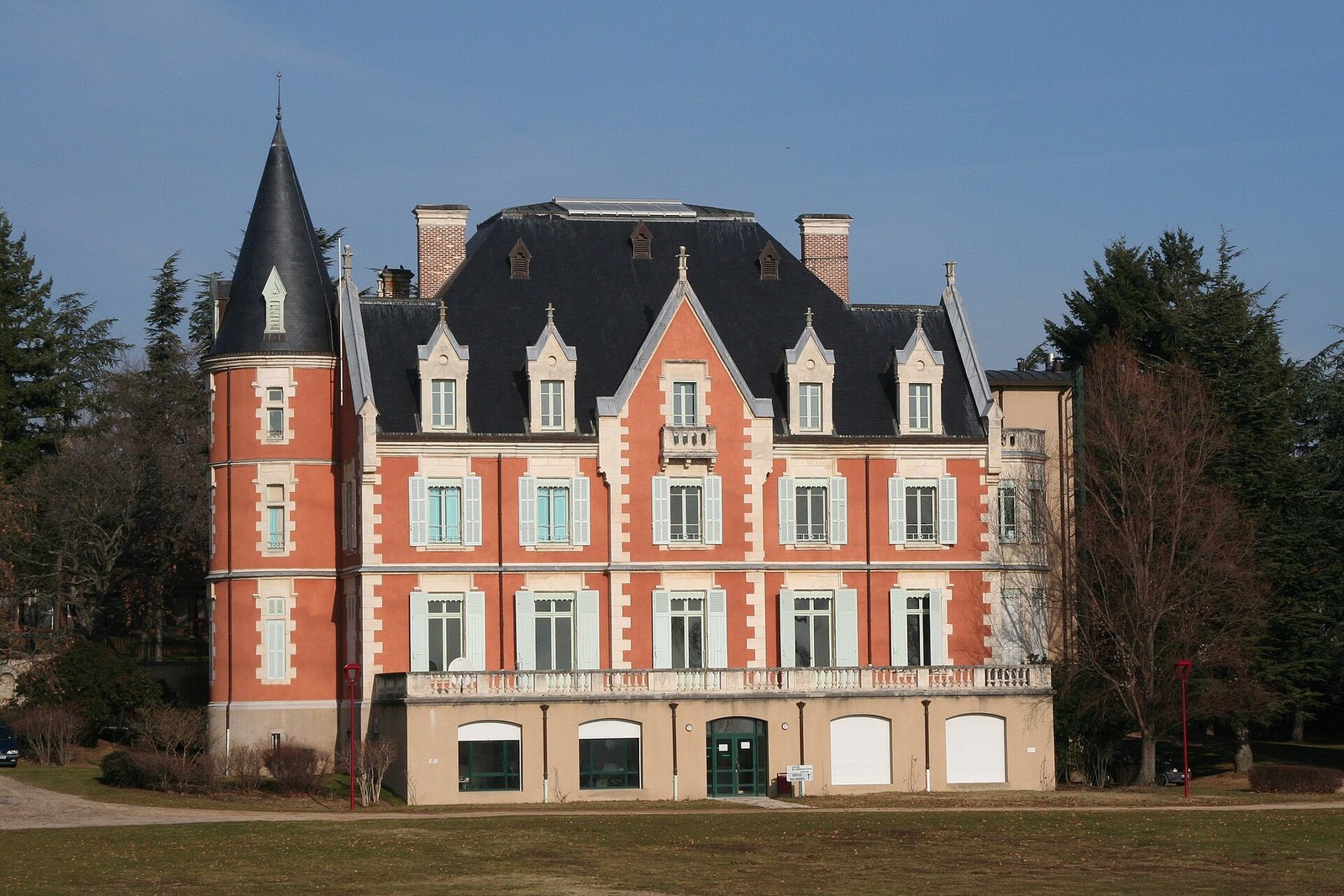
Déomas Castle is a nineteenth-century residence north of Annonay in Ardèche, France, built by Paul Seguin in 1876 in the classical style. Seguin and his wife, Caroline Perisse de Montgolfier, were its first owners. After Seguin’s death, Claire Cyprien-Fabre (1872–1967), from a prominent Marseille family, bought the property in 1897. She was married to George Vignat, a man of independent means in Annonay.
The couple’s third child, Christiane, was born in 1906 and married Jacques Rueff in 1937. Rueff was a French economist and public official, serving as deputy governor of the Banque de France, the country’s central bank, and as a member of the Académie française, a learned institution concerned with French language and literature.
Municipal ownership and public use
Rueff sought to sell the property to Annonay in 1971, when Henri Faure was mayor. After Rueff’s death in 1978, the municipality completed the purchase on 7 March 1979 under Faure’s successor, Jean Parizet. An accidental fire in the early 1990s was followed by restoration. The City of Annonay now owns the château, which serves as a public multipurpose venue and houses the town’s Youth and Culture Centre.
Remains
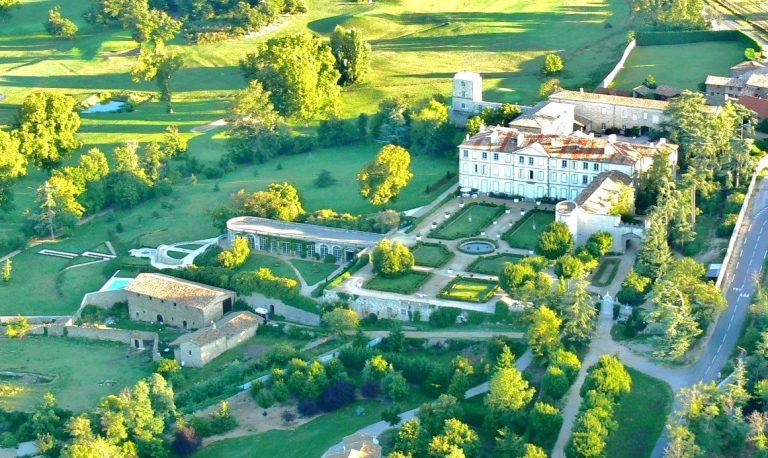
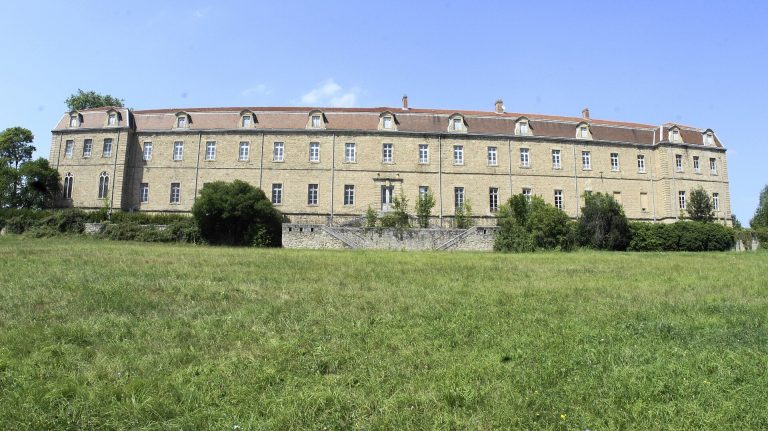
The château is a four-storey building in the classical style, with each floor measuring 250 square metres. Its interior combines classical and modern architecture, and several rooms have marquetry, decorative inlay made from pieces of wood or other materials. The garden level has six rooms used mainly for multimedia; five more rooms occupy the ground and first floors, with three on the second floor.
The building stands within a wooded park covering 13 hectares, planted with plane trees, oaks, sequoias, and cedars. It serves as the park’s central decorative feature. The château’s name comes from the nearby Deûme River, which is called Déôme in some places.