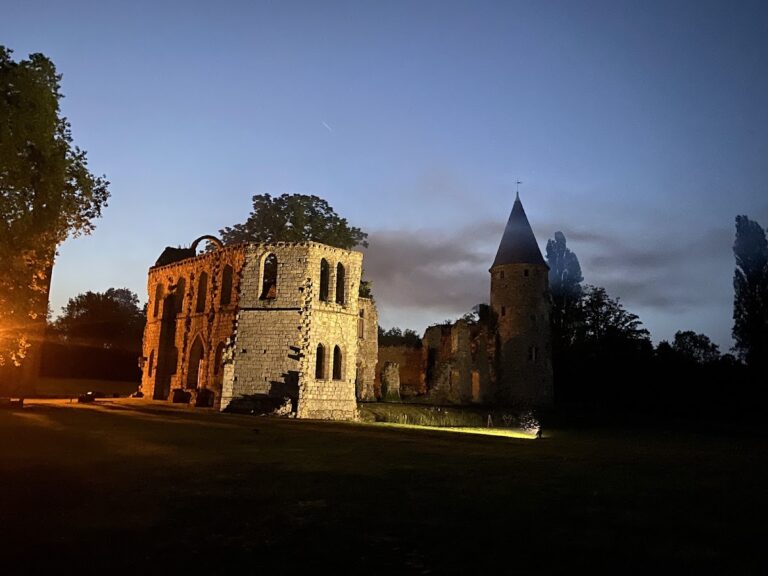
Château de Bois-Boudran: A Historic Hunting Estate in France
Site at a Glance
- Rating
- 4.6
- Popularity
- Very Low
- Country
- France
- Primary era
- Early Modern
- Eras represented
- Early Modern, Modern
- Civilizations
- French
- Site type
- Domestic
- Remains
- Castle
On this page8 sections
History
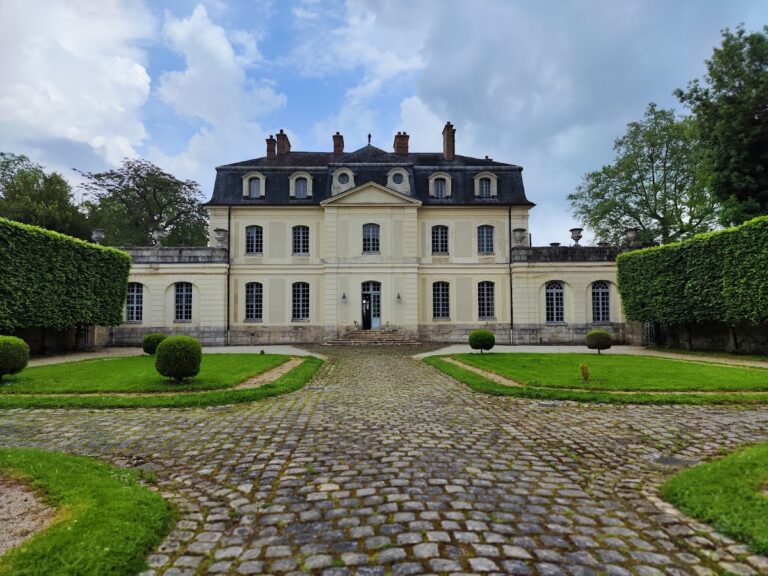
Château de Bois-Boudran is a historic château in Fontenailles, France, whose surviving main building includes a seventeenth-century classical-style section. The estate later became an extensive hunting property under the Greffulhe family and a setting for political, intellectual, and high-society gatherings.
The Greffulhe Estate
The estate was acquired in the early nineteenth century by Count Jean-Henry-Louis Greffulhe, who developed it as a hunting estate. It passed by inheritance to Count Louis-Charles Greffulhe and then to his son, Count Henry Greffulhe.
Henry Greffulhe expanded the property to approximately 4,500 hectares. Its administration occupied an entire building, where the estate manager and eight secretaries managed the extensive domain. Greffulhe hunted with firearms and with hounds at Bois-Boudran, and he assembled a major library devoted to hunting. Part of this collection was sold at the Galerie Charpentier on 9 December 1937, with the auction conducted by Étienne Ader.
Political and Social Life
Henry Greffulhe also pursued a public career. He was elected deputy from 1889 to 1893 and later served as a cantonal councillor, a local elected representative associated with a canton.
His wife, Countess Élisabeth Greffulhe, was a prominent hostess of the late nineteenth and early twentieth centuries. Together they received political figures, intellectuals, and members of high society at the château. Élisabeth Greffulhe inspired Marcel Proust, a major French novelist of the period, as well as the painter and illustrator Antonio de La Gandara.
The château’s hunts were held from September to January and attracted French presidents and crowned heads of Europe. In some years, as many as 30,000 pheasants were released for the events.
Later Transformation
The estate’s later history brought major physical and functional changes. The monumental wing commissioned by Henry Greffulhe was demolished during the 1960s. Château de Bois-Boudran is now incorporated into the Fontenailles golf course, while hunting continues across a substantial part of the former estate, including plains, woods, and marshes.
Remains
Main Buildings and Architectural Additions
Seventeenth-Century Main Building
The surviving château includes a main building facing north and built in the classical style of the seventeenth century. Its south side was enlarged by a wing in the First Empire style, the monumental Neoclassical architecture associated with Napoleon Bonaparte’s rule and the French Empire established in 1804.
Monumental Right Wing
Henry Greffulhe commissioned a monumental right wing designed by the architect Ernest Sanson. The wing contained a theatre, a large reception salon, an immense dining room, and apartments for guests. Georges Hoentschel decorated its interiors in an eighteenth-century style, incorporating older wood panelling. This wing was demolished during the 1960s.