Château de Beauregard: A Seventeenth-Century Private Residence in France


Site at a Glance
- Rating
- 4.4
- Popularity
- Low
- Country
- France
- Primary era
- Early Modern
- External website
- Open
- Eras represented
- Early Modern
- Civilizations
- French
- Site type
- Domestic
- Remains
- Elite Residence
On this page7 sections
History
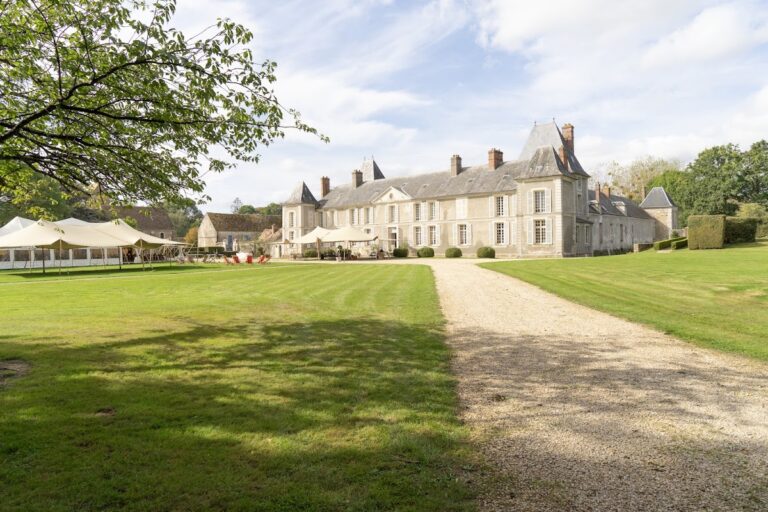
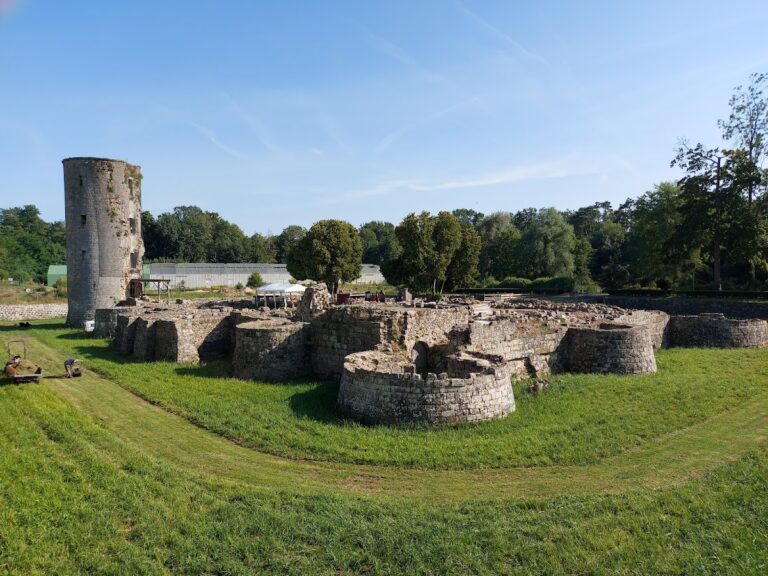
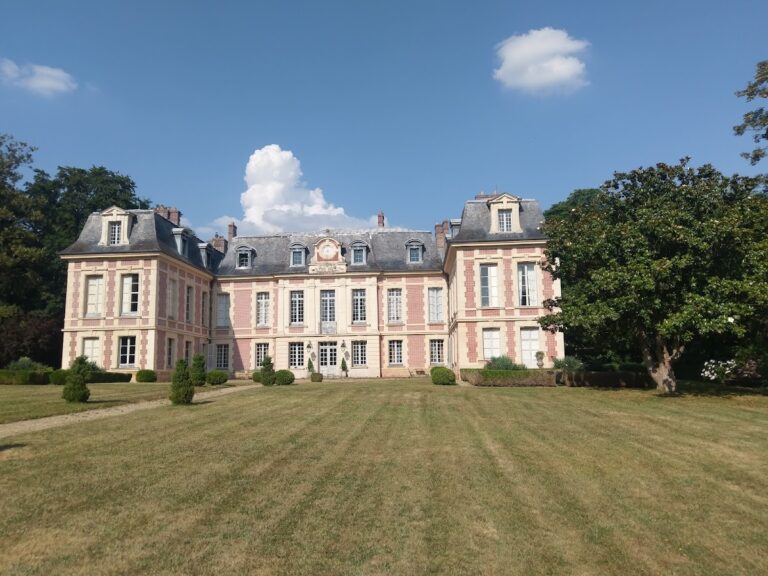
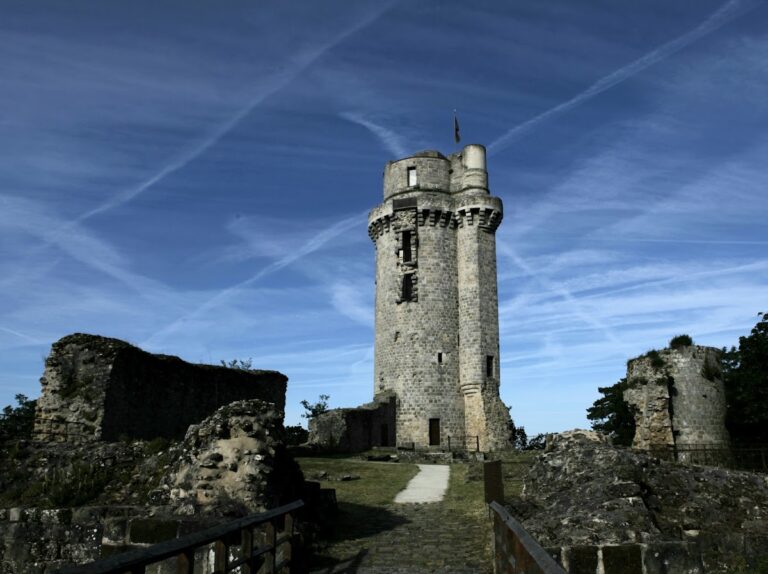
Château de Beauregard, formally Château de Saint-Jean-de-Beauregard, is a seventeenth-century residence in Saint-Jean-de-Beauregard, France, about 25 kilometres southwest of Paris. Construction began in 1612 at the request of François Dupoux, a councillor to King Louis XIII, during the reign that lasted from 1610 to 1643. The new château replaced the ruins of Montfaucon, which stood opposite the former Château de Montlhéry.
From Montfaucon to Beauregard
François Dupoux asked Louis XIII to replace the name Montfaucon, which had an unpleasant reputation, with Beauregard. The king ordered the settlement’s name to change from Saint-Jean-de-Montfaucon to Saint-Jean-de-Beauregard. A local tradition instead connects the name with the view from the château’s terraces across the Salmouille valley, considered the finest panorama available to the first occupant.
Changes of ownership
François Garnier, an écuyer, a member of the lesser nobility associated with landholding and service, acquired the estate in 1638. It later passed to Charles Doullet de Neufville and Gabriel de Méhérenc de Saint Pierre before being acquired in 1669 by Pierre de La Mouche, a councillor to the king.
About a century later, Laurent Charron purchased the château. He was Receiver-General of the Domains and Forests for the Paris généralité, a major administrative and fiscal district under France’s ancien régime. After his death, his widow, Françoise Matagon, used the estate as her country residence. She died in 1768, and their only son, Laurent Charron, died the following year.
The estate then passed to Françoise-Mélanie Charron, the younger Laurent Charron’s third daughter. Her marriage to Victor-Amédée d’Auberjon, Count of Murinais, brought the property into a family connected with the army and royal service. He was a brigadier, a maréchal de camp (a senior military rank broadly comparable to a major general), and a knight of the Order of Saint-Louis. During this period, parts of the park began to adopt the English style.
Later history and protection
Château de Beauregard was bequeathed to Quatresolz de Marolles in 1866. In 1879, the Count, later Duke, of Caraman purchased the estate. Ownership is now listed as belonging to the de Curel family. The property was intended as a residence and remains privately owned.
The château was entered on France’s register of historic monuments in 1926. In 1993, the entire estate received classification under the country’s legal heritage-protection system. The grounds also carry the designation of a Remarkable Garden, recognizing gardens of notable historical, botanical, or landscape interest.
Remains
The château and formal garden
The main building is a three-storey, classically designed structure of the seventeenth century, built from light sandstone. Service buildings accompany it, including a dovecote, a building designed to house pigeons, and an orangery, a structure used to shelter citrus and other delicate plants.
Terraces extend the château toward views over the Salmouille valley. The principal perspective from these terraces, together with the ground immediately around the residence, forms a French formal garden. A kitchen garden adjoins the service buildings and remains in use for rare vegetables.
English-style park and auxiliary structures
The remainder of the estate follows the English style adopted during the period of Françoise-Mélanie Charron and Victor-Amédée d’Auberjon. This part of the grounds contains a chapel built of millstone and an icehouse, an insulated building for storing ice. Together with the château, terraces, formal garden, kitchen garden, dovecote, and orangery, these elements form the surviving estate.