Échoisy Castle and Estate: A Monastic and Lime-Working Site in France
Site at a Glance
- Rating
- 4.4
- Popularity
- Low
- Country
- France
- Primary era
- Modern
- External website
- Open
- Eras represented
- Medieval, Early Modern, Modern
- Civilizations
- French
- Site type
- Economic
- Remains
- Production Complex
On this page12 sections
History
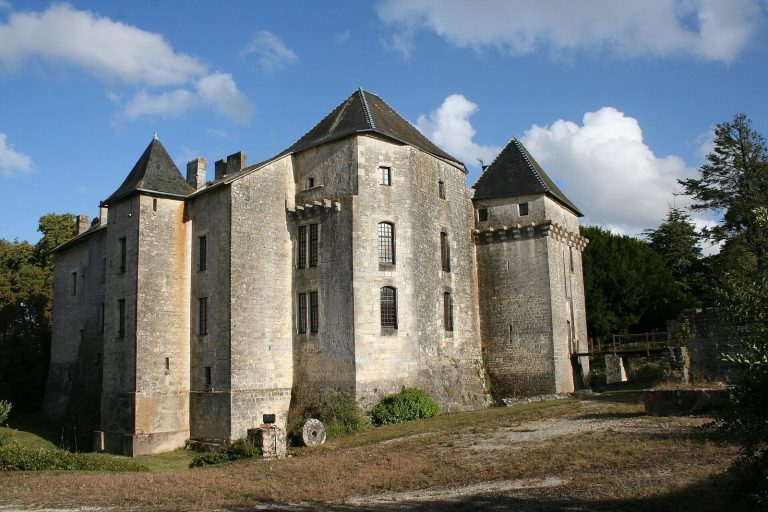
Échoisy Castle is a historic estate in Cellettes, France, with agricultural origins in the eleventh century. Over time, it served religious communities and noble proprietors before developing into a lime-producing center.
Medieval cultivation and monastic houses
In the eleventh century, peasants and monks brought about 130 hectares of land into cultivation after clearing it from the Boixe forest. The counts of Angoulême, hereditary rulers of the surrounding county, later granted land and rights to the Benedictines of Saint-Amant-de-Boixe. The Benedictines followed the Rule of Saint Benedict.
A Cistercian monastery was subsequently established at Échoisy with support from Bernard of Clairvaux, a prominent twelfth-century Cistercian abbot and religious reformer. The Cistercians arose from the Benedictine tradition and sought stricter observance. The Benedictines attacked and displaced the monastery to recover their rights, then founded a priory, a religious house headed by a prior.
Seigneurial estate and eighteenth-century works
From 1571 to 1802, Échoisy was a seigneurial domain, an estate governed through a lord’s authority and rights. It included a residence used by the marquises of Lesmerie, holders of a hereditary noble title ranked below a duke and above a count. Farming, livestock raising, and crafts supported the estate. From the sixteenth century, its crafts included carpentry, blacksmithing, weaving, and the milling of oil and paper.
A castle was built around 1750. In 1764, the estate gained a tile works and its first lime kiln, a furnace that heats limestone to make lime for construction and other industries.
Demolition and lime production
The castle’s owner ordered its demolition in 1850. On 8 February 1851, the estate belonged to Jean-Auguste Modenel, a wealthy notable from Ruffec and mayor of Cellettes. He completed the demolition, and some of the building material was used to pave areas beside the river. Modenel moved into the old lodge, renamed it the castle, and managed the lime works.
Construction of the railway linking Paris and Bordeaux in 1852 prompted the creation of an industrial lime-kiln operation. Échoisy lime earned a national reputation for its exceptional quality. Competition from cement and chemical binders led the company into liquidation, and the site was abandoned in 1956.
Municipal stewardship and cooperative use
Cellettes acquired the estate in 1993 at the instigation of Claude Bonnefon. A preservation association then undertook extensive renovation and maintenance. Associative activities developed on the estate, alongside a spirulina farm, cultivating a food-producing cyanobacterium, and an educational farm. In 1994, the lime works, grounds, and limestone quarry were listed as historic monuments.
In 2010, the municipality divided the estate into two properties while seeking to transfer responsibility for its upkeep. In 2021, the Oasis du Coq à l’Âme, a collective of roughly twenty households, bought the property containing the lime works and noble residence. The collective manages a large part of the estate as a cooperative ecological and social transition project, with aims that include shared resources, food autonomy, energy conservation, and sustainable construction.
Remains
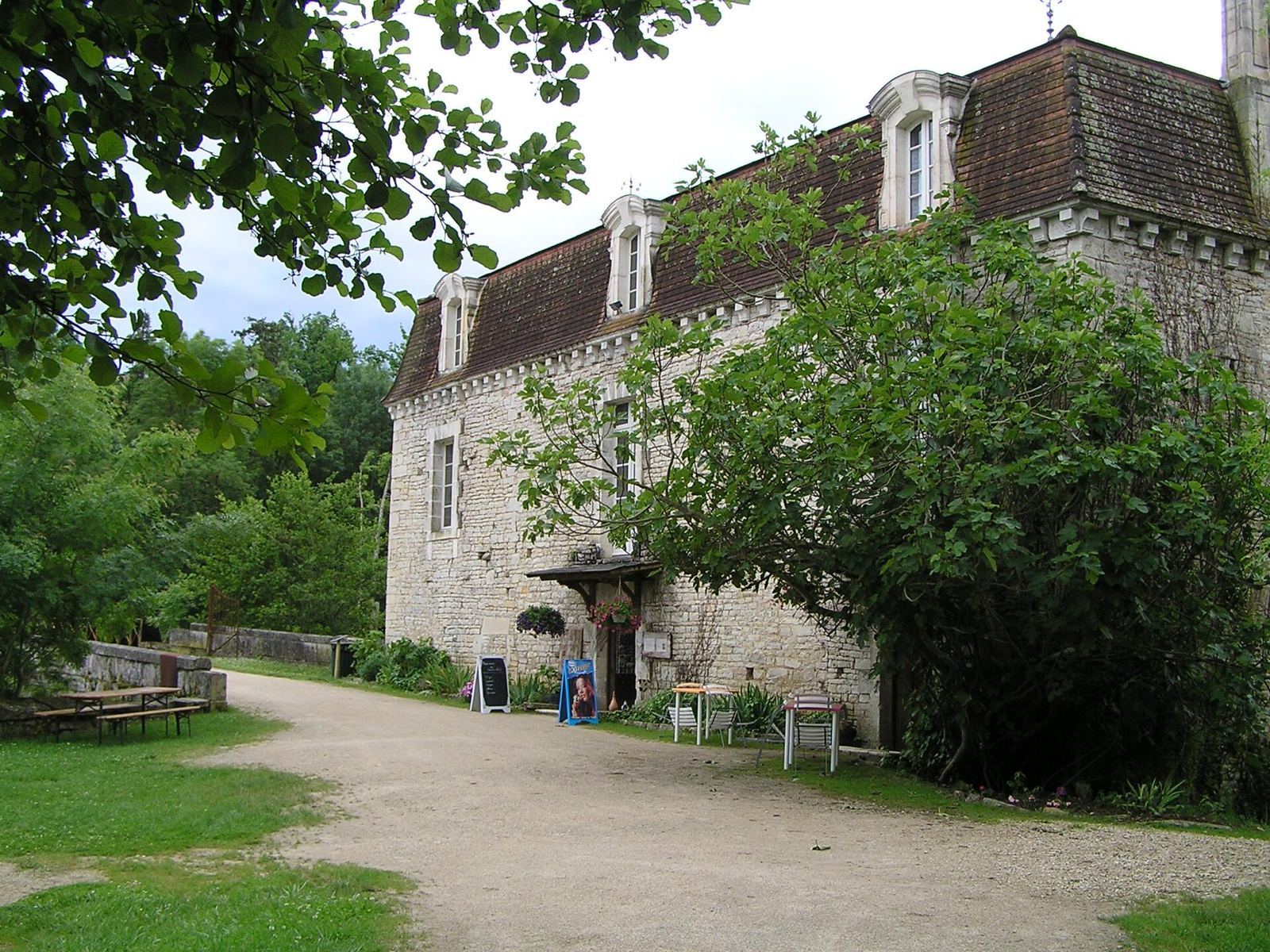
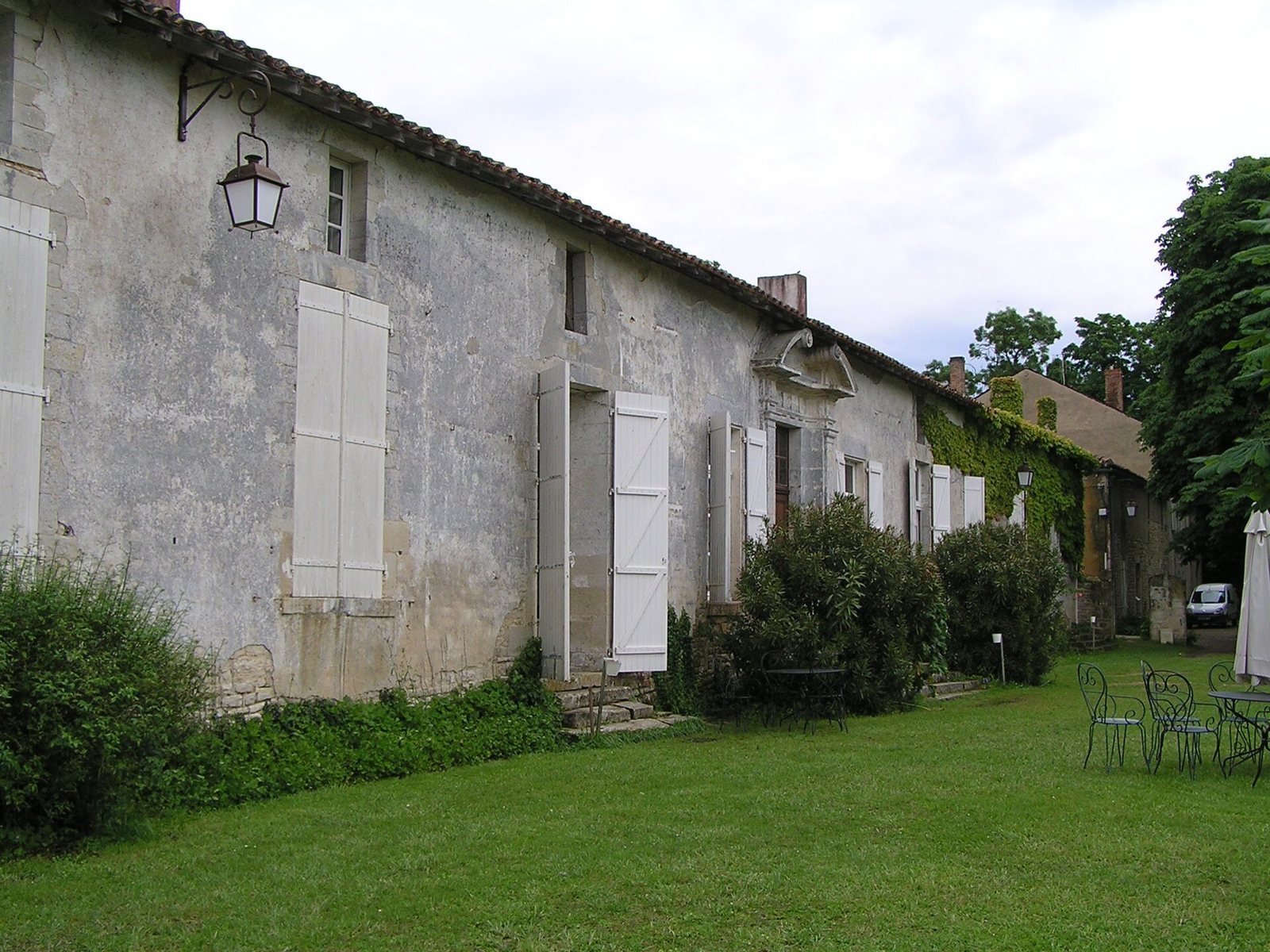
The estate covers about 40 hectares and contains building traces from medieval, classical-revival, and modern periods. Its features are distributed across two properties: a mill parcel beside and extending across the Charente River, and a property containing the lime works, noble residence, farm complex, water tower, and windmill remains. The estate also supports notable biodiversity.
Residence and agricultural buildings
Noble residence and entrance
The estate includes a noble residence. An entrance doorway is framed by Doric pilasters, flat, wall-attached forms of classical columns. Gardens extend toward the Charente River.
Farm and service buildings
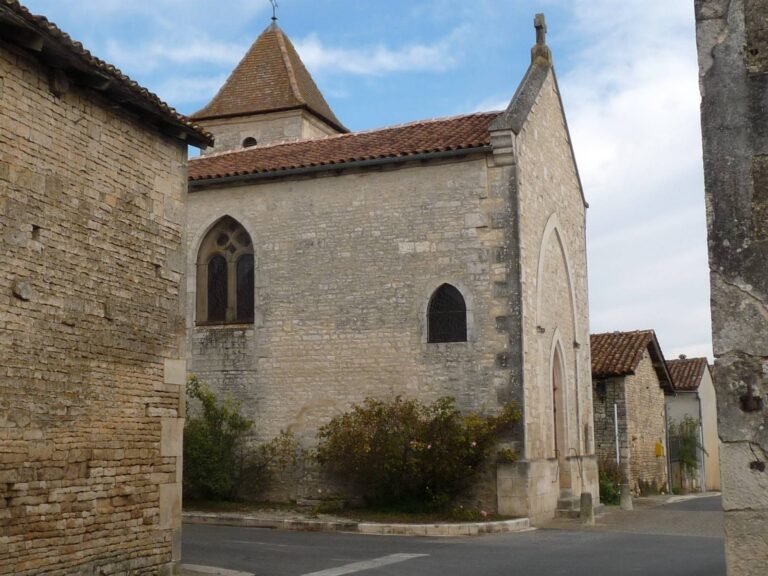
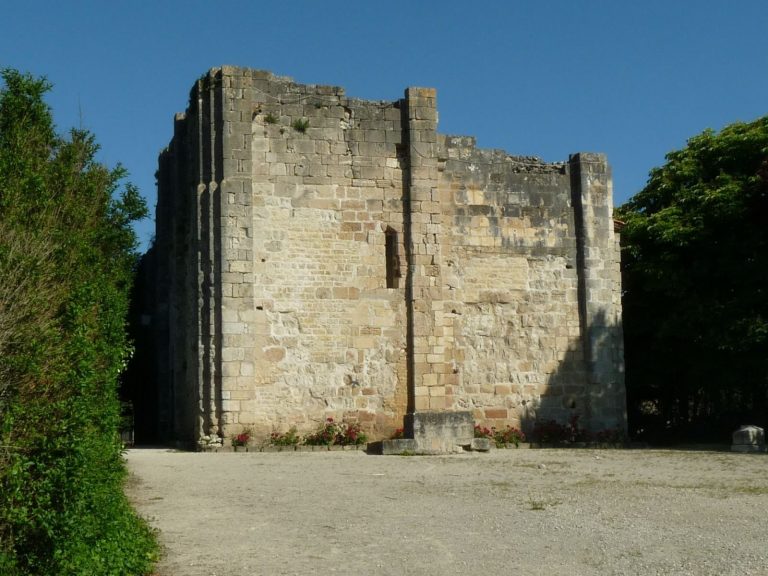
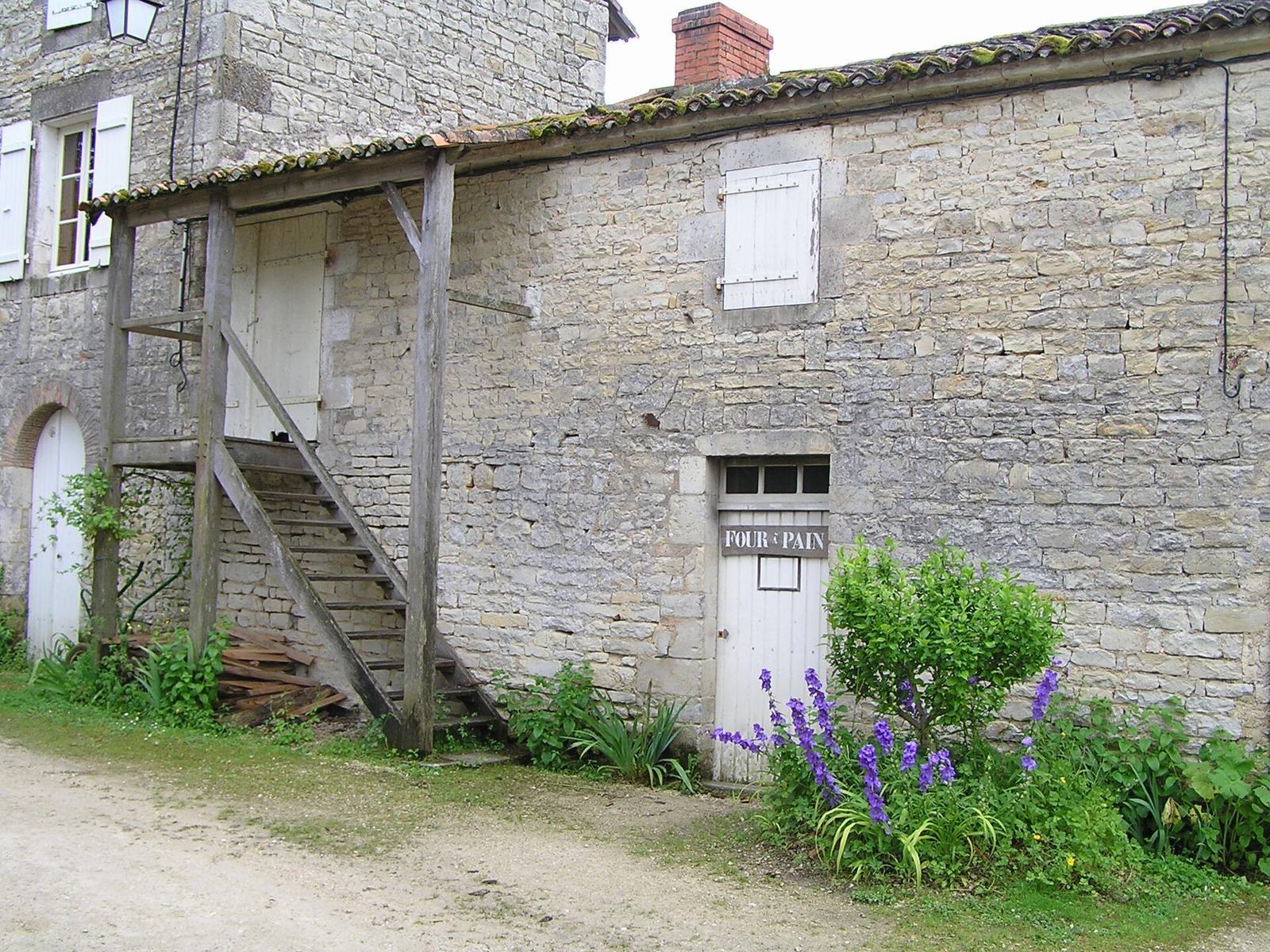
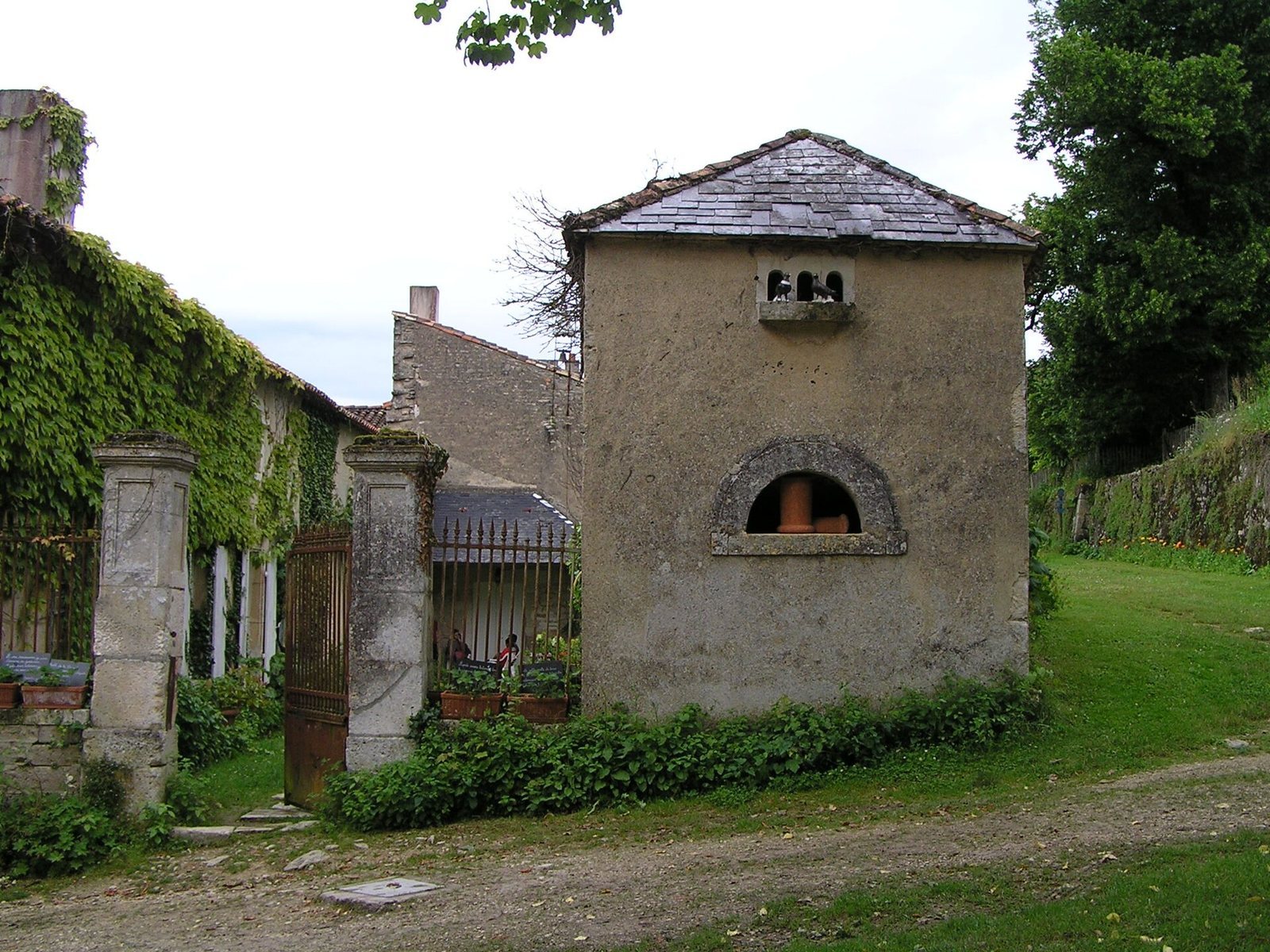
The farm complex includes dwellings, stables, and livestock sheds. Other estate features include a building for estate managers, a distillery for Cognac, the regional grape brandy, a fishpond, washhouse, bakehouse, cellars, and dovecote. The remains of a chapel bell tower also survive.
Mills and industrial remains
Mills and the river parcel
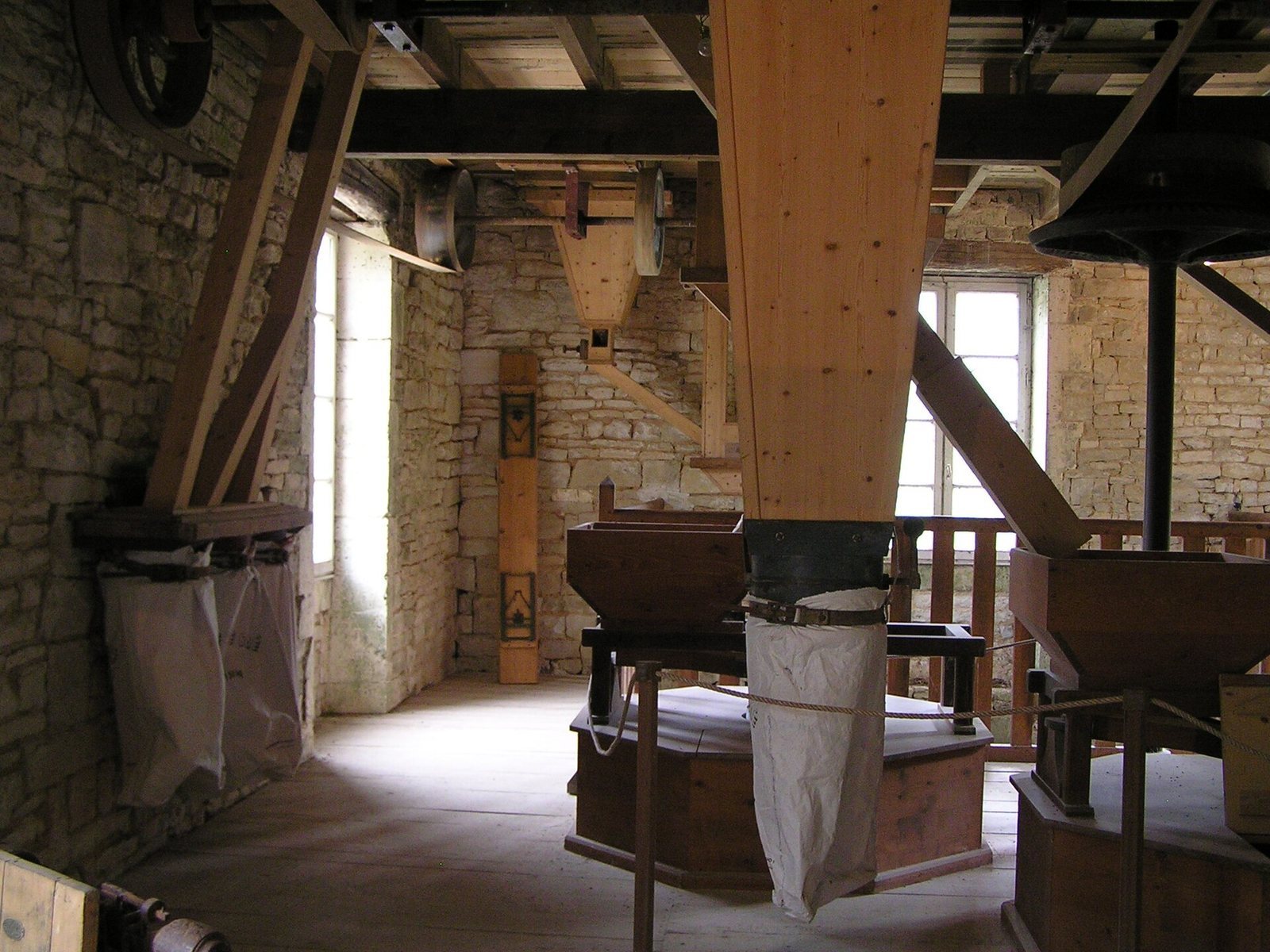
Three mills belong to the estate, including a windmill whose remains survive. One mill has a fully renovated mechanism. Its property contains the mill and two cottages beside the Charente, and the parcel extends across the river.
Lime works and quarry
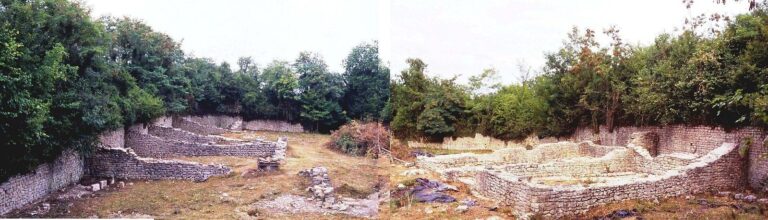
The lime works comprise a factory and an associated limestone quarry. The same property also contains a water tower.