Château Bertaud: A Neo-Gothic Estate and Coastal Stronghold in France


Site at a Glance
- Rating
- 4.4
- Popularity
- Low
- Country
- France
- Primary era
- Early Modern
- External website
- Open
- Eras represented
- Early Modern, Modern
- Civilizations
- French
- Site type
- Domestic
- Remains
- Castle
On this page10 sections
History
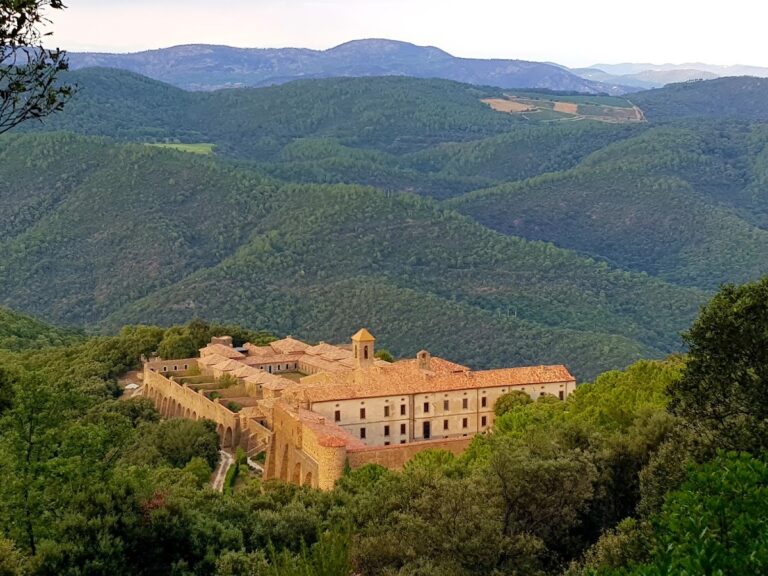
Château Bertaud is a historic château in France, in the commune of Gassin near the shore at the far end of the Gulf of Saint-Tropez. Built by the lords of Bertaud, it developed between the sixteenth and nineteenth centuries in a neo-Gothic style, which revived medieval Gothic forms such as pointed arches and vertically oriented decoration. Its position gave it both a maritime and defensive role.
Ancient occupation
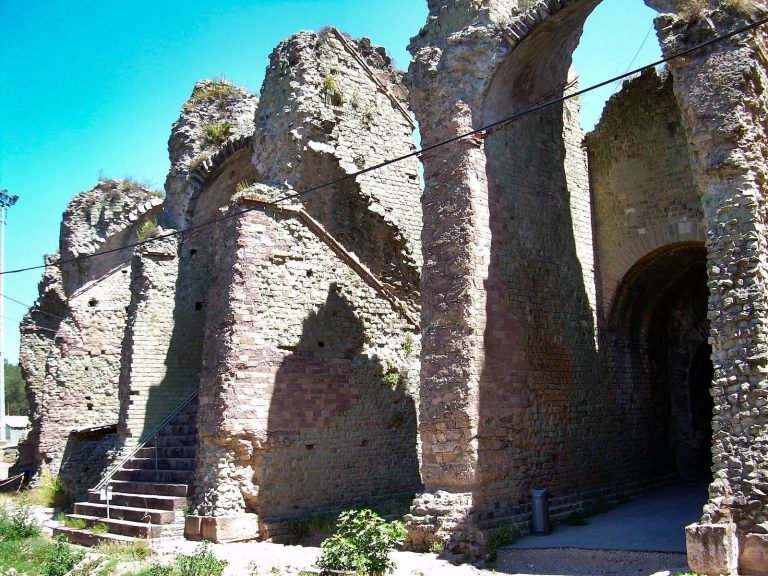
The site was occupied in antiquity. Alphonse Donnadieu, a physician and author who recorded regional historical and archaeological observations, noted column bricks and eleven Roman coins at Bertaud. Work at the torpedo factory in 1970 produced further coins, a Gallic amphora, a large ceramic vessel used to store and transport goods, and pottery.
These discoveries may point to a Roman villa, a substantial rural residence or estate, comparable to the villa at Pardigon across the communes of Cavalaire-sur-Mer and La Croix-Valmer. That comparison remains tentative.
Feudal and coastal role
From 1240, Bertaud was an arrière-fief, a subordinate feudal holding dependent on another fief, under Grimaud and attached to the parish of Gassin. The lords of Bertaud were also co-lords of Gassin until the Marquis of Grimaud sold the lands to Antiboul of Saint-Tropez. After that sale, the lords of Bertaud no longer held lordship over Gassin.
The château’s coastal position allowed it to serve as an anchorage for boats in the Gulf of Saint-Tropez. It was also regarded as a strategic point in the defense of Saint-Tropez toward the La Môle valley. The site is mentioned in a text by Nicolas Milet de Monville, a military engineer responsible for fortifications in Provence.
Name and present use
The name Bertaud came to designate several features in this part of Gassin, including Colle-Bertaud, the Plaine de Bertaud, the Bertaud quarter, and the Bertaud road. Its origin is unknown. A possible Germanic derivation from Bertoaldus has been proposed, although that name is not attested as either a first name or a family name on the Saint-Tropez peninsula.
Naval Group is the current owner, and the château is used as a private residence.
Remains
The surviving site combines the château with associated features at the Pointe de Bertaud. Its physical history includes a neo-Gothic building whose construction extends from the sixteenth to the nineteenth century, along with two mills, a fountain, and a chapel. Archaeological material from the site and from the 1970 work at the torpedo factory provides evidence for earlier occupation.
Archaeological evidence
Roman and Gallic material
Column bricks and Roman coins were found at Château Bertaud, while additional coins, a Gallic amphora, and pottery emerged during work at the torpedo factory in 1970. Together, these finds form the archaeological evidence for the site’s ancient occupation and support the possibility of a substantial Roman rural residence in the area.
Château and associated features
Château
The château is neo-Gothic in style, with construction extending from the sixteenth through the nineteenth century. It stands within a coastal estate whose later architectural character reflects the revival of medieval Gothic forms.
Mills, fountain, and chapel
Two mills stood at the Pointe de Bertaud in association with the château. The estate also included a fountain and a chapel, forming a group of functional and religious features connected with the main residence.