Vivier maritime de la Gaillarde: A Gallo-Roman Fishpond in France


Site at a Glance
- Rating
- 4.5
- Popularity
- Low
- Country
- France
- Primary era
- Classical
- Eras represented
- Classical
- Civilizations
- Roman
- Site type
- Economic
- Remains
- Production Complex
History
Vivier maritime de la Gaillarde is a former maritime fishpond in France, probably dating from the Gallo-Roman period, when Roman political, economic, and cultural systems developed in Gaul, including the region later known as Provence. The installation is regarded as evidence of Roman occupation in Provence and of the ancient economic life of Var, a department in southeastern France.
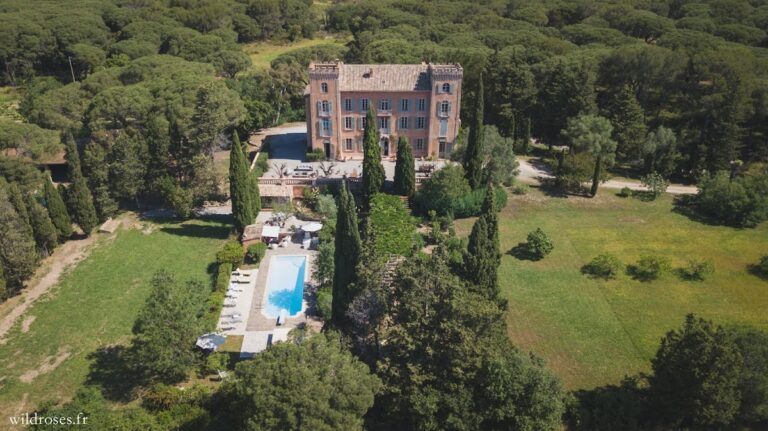
The fishpond served an artisanal purpose. It was intended to hold fresh fish for the production of garum, a fermented fish sauce widely made and consumed in the Roman world. Its position apart from nearby residential buildings supports this function. The nearest Roman villa, a country estate that could include residential, agricultural, and industrial facilities, stood approximately 500 metres away in the Gaillarde valley, while a cistern for storing fish sauce occupied the adjoining property. The site is now unused and belongs to the French state. An order dated 23 May 1939 classified its remains as a French historical monument.
Remains
Fishpond Layout
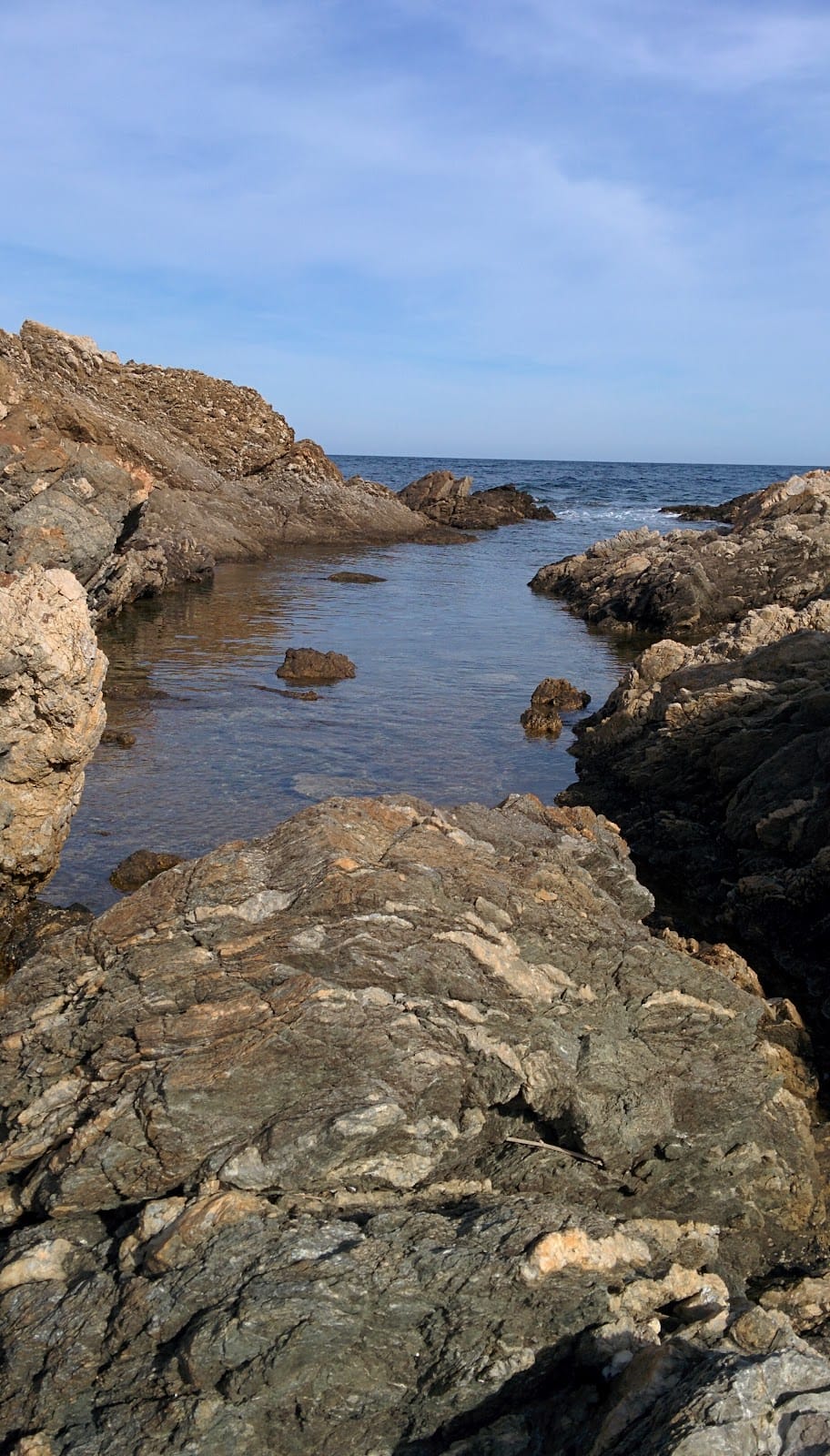
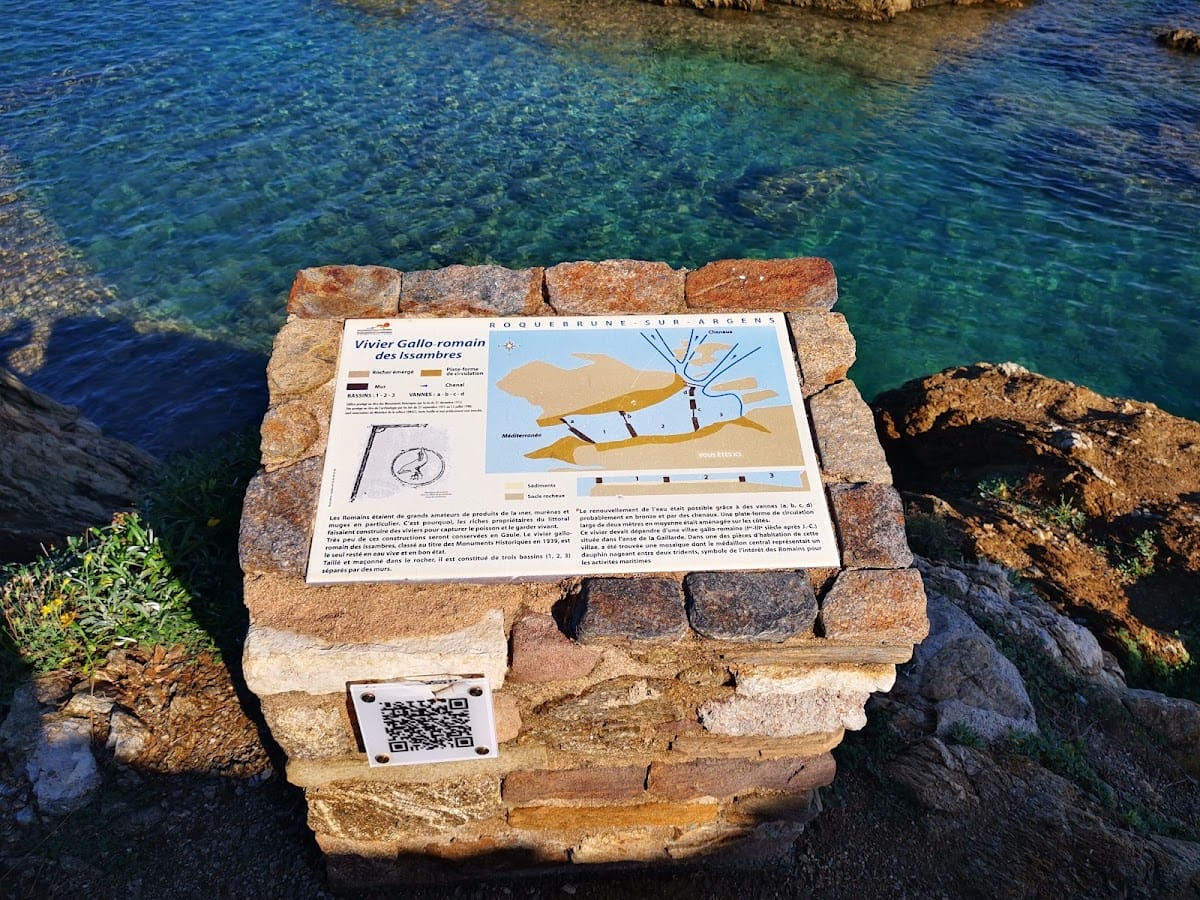
The installation occupies a natural cove about 20 metres long and between 5 and 12 metres wide. Oriented from north to south, the cove lies between the shoreline and five rocks. Small dividing walls separated it into three basins of unequal width and depth. Seawater was probably controlled through sluice gates or valves, allowing the fishpond to function as a managed holding installation. Its design used a reservoir-trap fishing technique, in which water and fish were regulated within the enclosed basins.