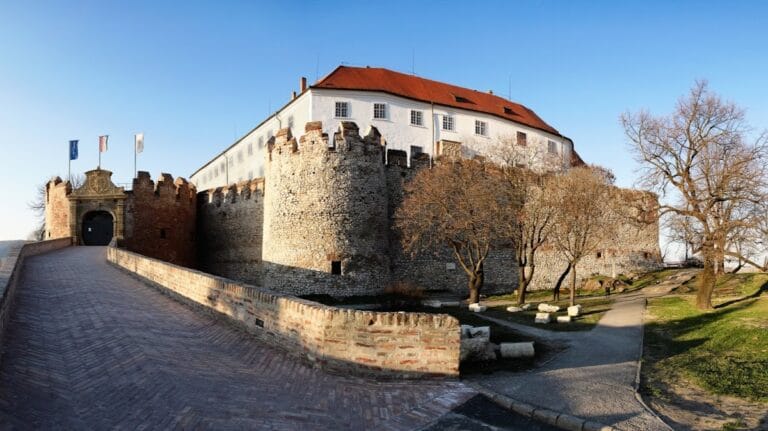
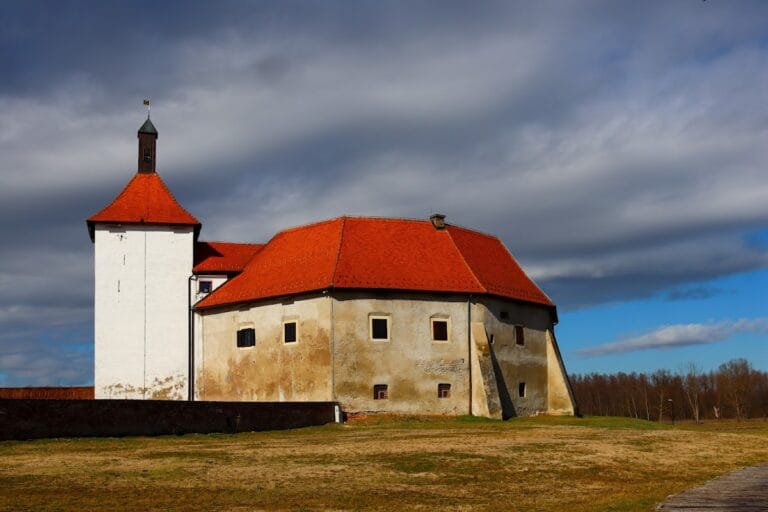
Castle of Szigetvár: A Historic Fortress in Hungary
Visitor Information
Google Rating: 4.6
Popularity: Medium
Official Website: varszigetvar.hu
Country: Hungary
Civilization: Early Modern, Ottoman
Site type: Military
Remains: Fort
History
The Castle of Szigetvár is located in the town of Szigetvár, in present-day Hungary. It was originally built by a Hungarian noble during the early 15th century, marking its origins within the medieval Kingdom of Hungary.
The fortress began around 1420 when Anthini (Szigeti) Oszvald constructed a castle on a natural island formed by the Almás stream in southern Transdanubia. This original stronghold featured a circular central tower known as a keep, enclosed by stone walls around a square courtyard. Over the next century, the castle was expanded into a more extensive complex that came to include a settlement within its protective perimeter. Ownership of the castle passed through several Hungarian noble families, transferring to the Garai family in 1463 and then to the Török family of Enying in 1471.
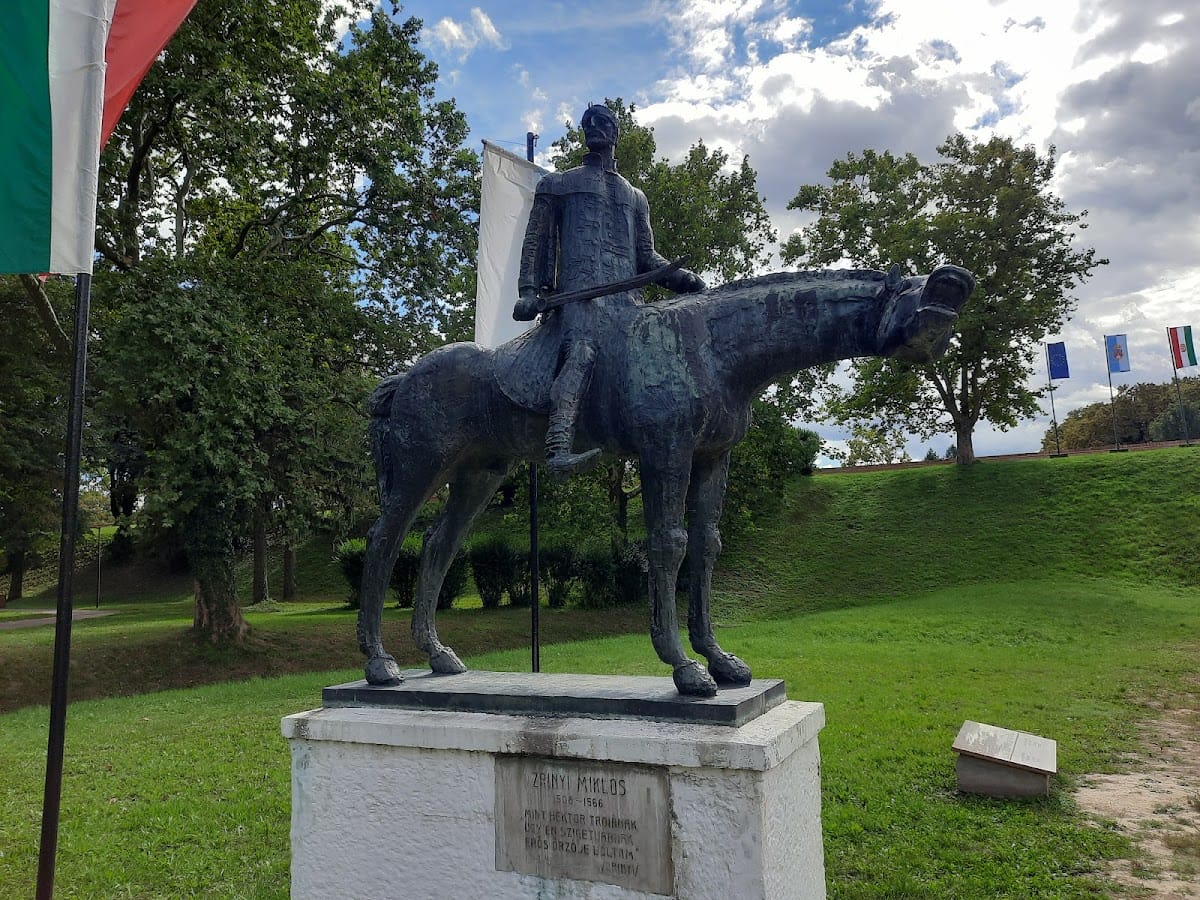
Following the significant Battle of Mohács in 1526, when the Ottoman forces defeated the Hungarian army, Szigetvár’s strategic role grew substantially. Positioned on the western frontier of the expanding Ottoman Empire, it became a key military base preventing further incursions into Hungarian lands. In 1555, Horváth Márk was appointed the fortress’s commander and achieved a notable victory by fending off a large Ottoman siege just a year later. Miklós Zrínyi assumed command in 1561, ushering in a heroic era for the castle.
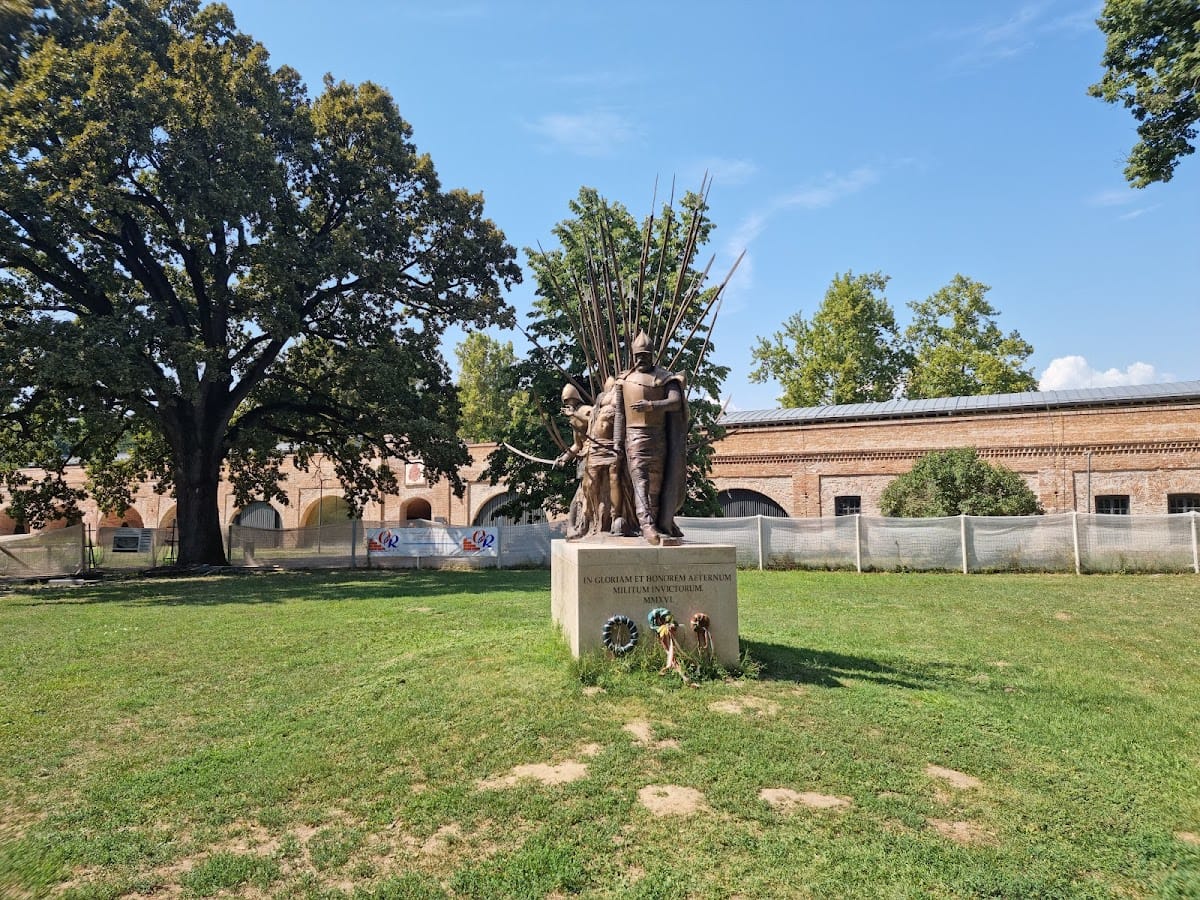
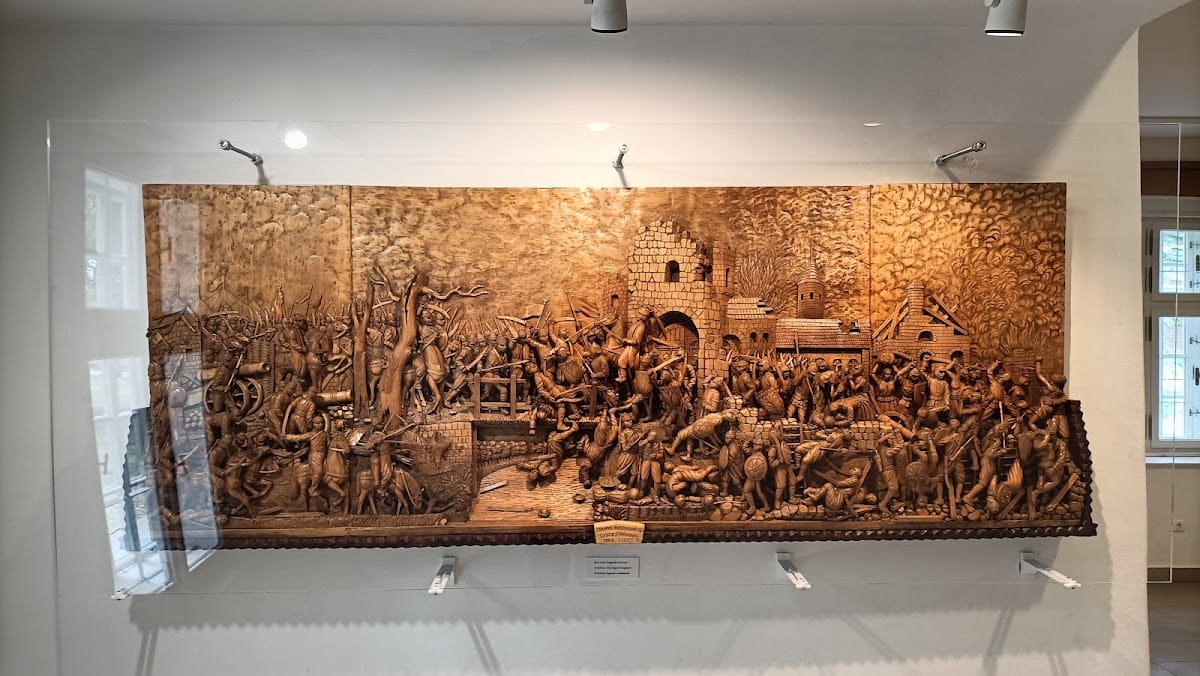
Zrínyi is best remembered for leading the defenders during the famous 1566 siege against Sultan Suleiman the Magnificent’s army. Approximately 2,300 defenders held out courageously for 34 days against overwhelming Ottoman forces. Though the fortress ultimately fell, Miklós Zrínyi died while attempting to break through enemy lines. Coincidentally, Sultan Suleiman also passed away during the siege, a fact kept hidden from his troops to maintain morale. Following this event, the Ottomans undertook a major reconstruction of the castle, transforming it into a bastioned fortress with thick walls and four corner bastions inspired by Italian military architecture, expanding it to enclose nearly six hectares.
The castle returned to Habsburg control in 1689 as the Ottoman presence in Hungary receded. It remained under their authority throughout the Rákóczi War of Independence in the early 18th century without being a battleground. Archaeological excavations into the castle’s past began in 1959, and extensive restoration occurred between 1963 and 1968 under architect Ferenc Erdei. In recent years, efforts to preserve and enhance the site have included plans to develop an Islamic cultural center within the castle area. This proposal involves restoring a truncated Ottoman minaret and has drawn support from Turkish investors and local Islamic groups, though it has also faced opposition from some nationalist voices. A large-scale renovation project funded by the European Union aims to improve exhibition spaces, restore bastions, and enhance visitor facilities and landscaping, further securing the castle’s legacy.
Remains
The Castle of Szigetvár presents a complex layout shaped by centuries of military necessity and cultural change. The original medieval fortress began as a circular central tower, called a keep, surrounded by sturdy stone walls forming a square courtyard. This core structure served as the defensive heart and administrative center, later growing to include residential and functional buildings that created a vibrant settlement within the walls.
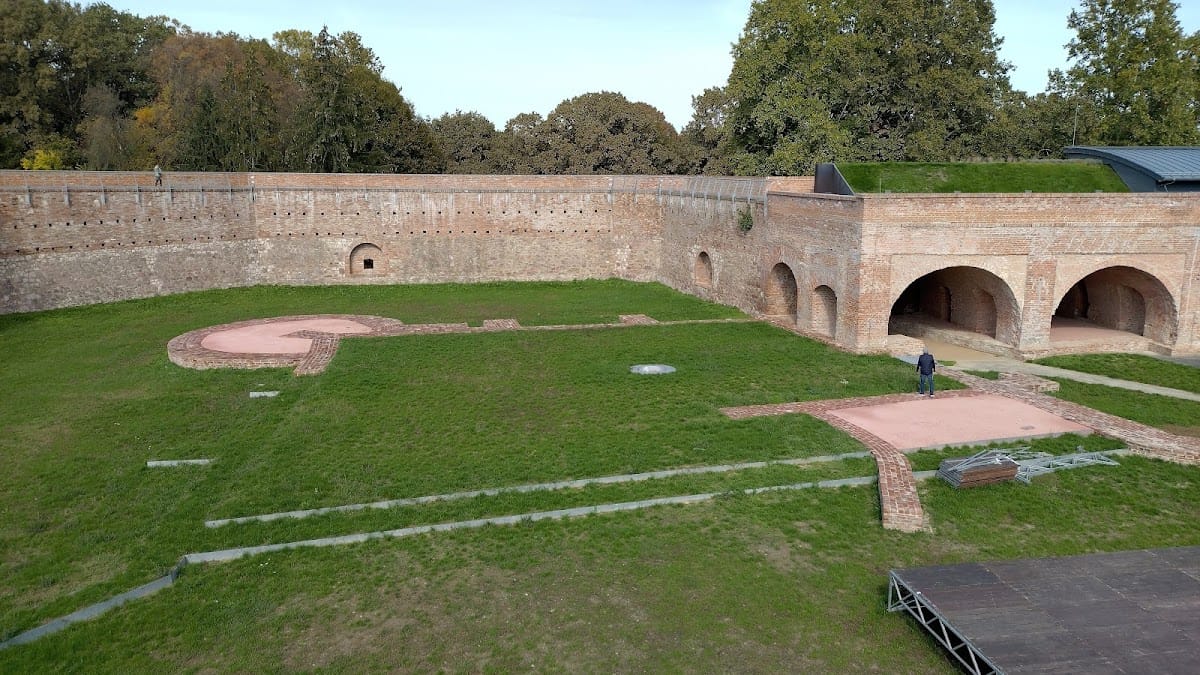
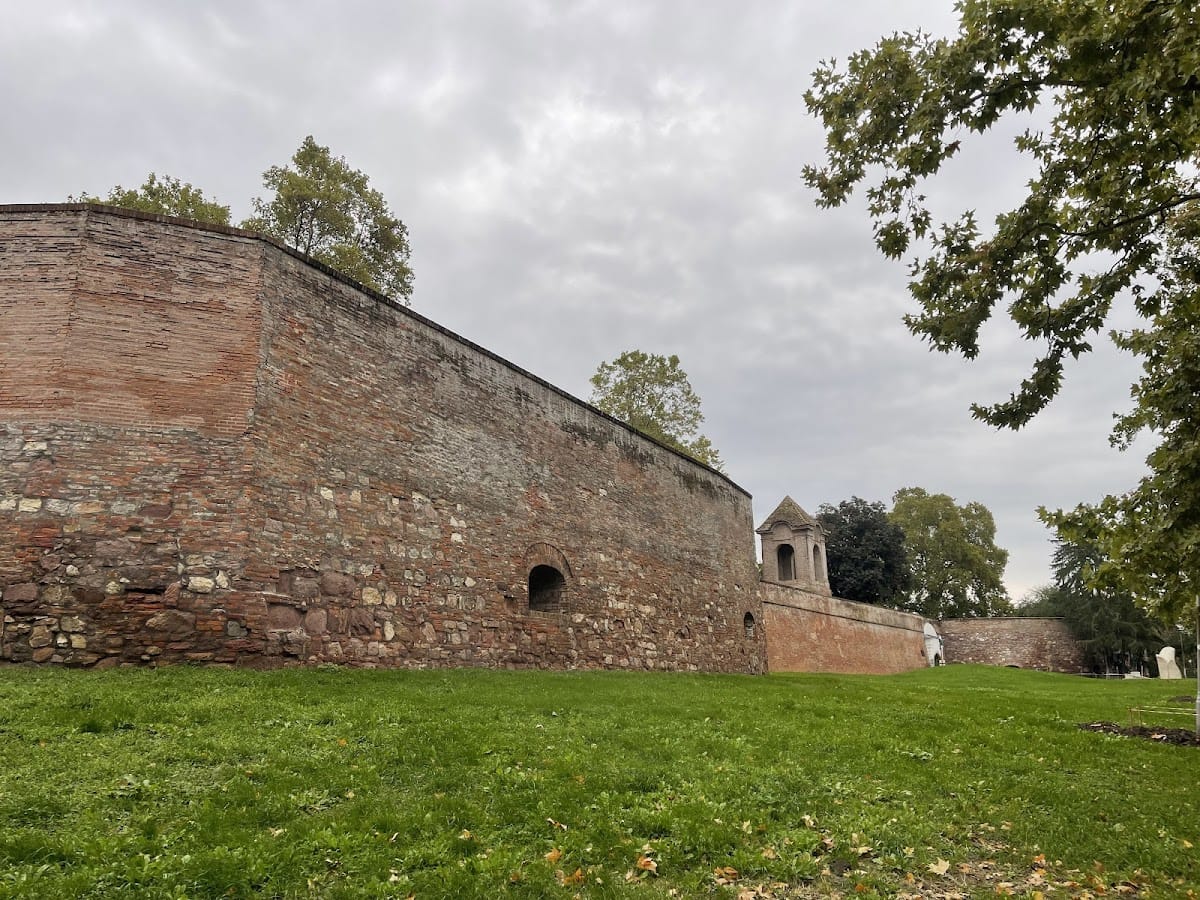
Following the Ottoman conquest, the fortress underwent significant enlargement and modernization. The rebuilt fortress enclosed almost six hectares, characterized by formidable walls approximately three meters thick and six meters tall. These walls were constructed from stone and earth, designed to withstand artillery fire. At each corner, Italian-style bastions projecting outward allowed defenders to cover all angles with cannon and musket fire, reflecting the influence of Renaissance military engineering. These bastions remain partially preserved today, their outlines clearly visible.
At the fortress’s center stands the “Castle” building, itself a historic structure housing modern exhibition spaces and visitor facilities after recent renovations. Within this building’s western ground-floor rooms, visitors can see displayed remains of the inner bastion associated with the castle’s 16th-century defense led by Miklós Zrínyi. These remnants offer a tangible connection to the period of intense conflict that defined the site’s history.
There are also visible traces of Ottoman architectural elements within the castle grounds, including sections of a mosque and remnants of a minaret. The minaret, now incomplete, is scheduled for restoration as part of ongoing preservation efforts. These features reflect the period of Ottoman administration and provide insight into the religious and cultural life during Turkish rule.
The fortress’s position on a marshy island created by the Almás stream was a deliberate defensive advantage. The surrounding wetlands hindered enemy siege operations and contributed to the castle’s resilience during prolonged attacks. The restoration initiatives have focused on maintaining the structural integrity of the fortress walls and bastions, as well as improving landscaping to highlight the historical island setting.
Together, these surviving elements document the Castle of Szigetvár’s evolution from a medieval stronghold to a Renaissance-era bastioned fortress, underlining its importance as a site of military, cultural, and historical significance in Hungary’s past.