Castle of Redondos: A Defensive Fortress in Portugal
Site at a Glance
- Popularity
- Low
- Country
- Portugal
- Primary era
- Medieval
- Eras represented
- Medieval
- Civilizations
- Portuguese
- Site type
- Military
- Remains
- Castle
On this page4 sections
History
The Castle of Redondos was a 15th-century defensive fortification in Portugal, associated with defenses protecting Buarcos anchorage at the mouth of the Mondego River. Its records include references to earlier towers guarding the anchorage and to the castle’s later decline and partial preservation.
Medieval references and military change
A donation made in 1096 by Abbot Pedro to Coimbra Cathedral referred to two towers above battlements used to defend the anchorage from pirates. This notice predates the castle’s stated 15th-century date and concerns defenses of the anchorage. The castle is also associated with a donation by Afonso I, Portugal’s first king, in 1143. In 1256, João Retundo was ordered to present himself to the master of Eimdie at the castle. A 13th-century property roll of the Monastery of Santa Cruz, a medieval community of Augustinian canons in Coimbra, lists the Tower of Buarcos with a vineyard.
Construction of the Fortress of Buarcos in the 14th century reduced the castle’s military importance, and it was abandoned.
Later records and preservation
In the 16th century, the tower was called the Tower Above the Church or the Tower of the Monastery of Santa Cruz, names that distinguished it from the Lower Tower, also known as the Tower of Gonçalo Pryvado. Around 1579, an account of the University of Coimbra’s estates and rents described the Castle of Buarcos as an important defensive tower-fort.
In 1697, D. Leonardo de Santo Agostinho granted the office of castle governor to his nephew, Pedro Viegas de Novais. A record concerning the Monastery of Santa Cruz’s rights in Redondos mentioned the tower in 1788, while later descriptions characterized the tower and fortifications as ruins. On 30 October 1854, the Ministry of Public Works ordered the castle’s demolition. Francisco Maria Pereira da Silva, an engineer specializing in surveys of waterways and coastlines, preserved and repaired a tower corner as a symbol of maritime history and as a fixed point for surveying and mapping the kingdom.
Remains
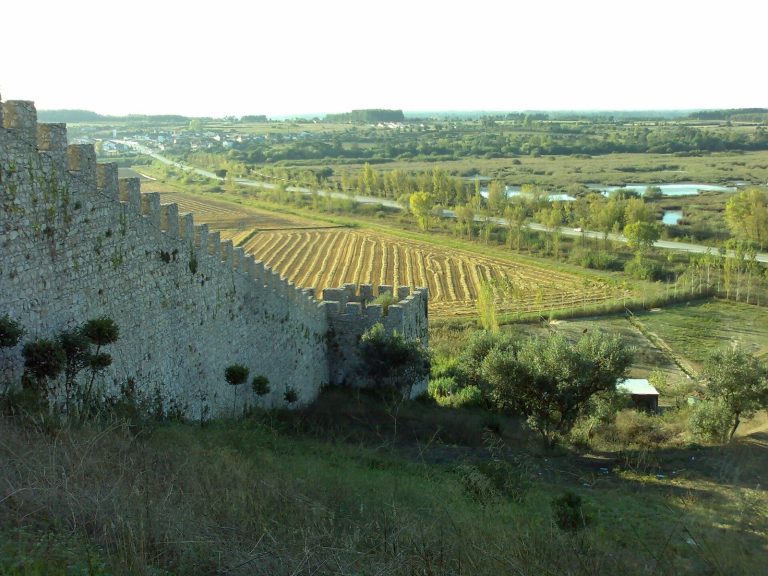
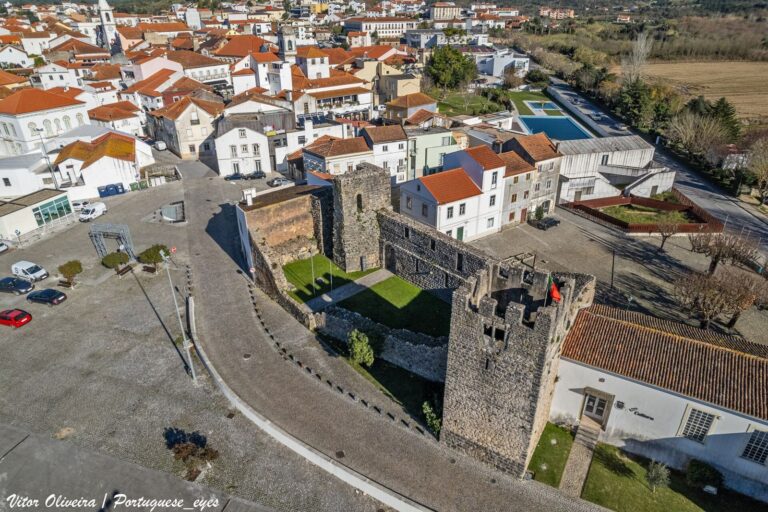
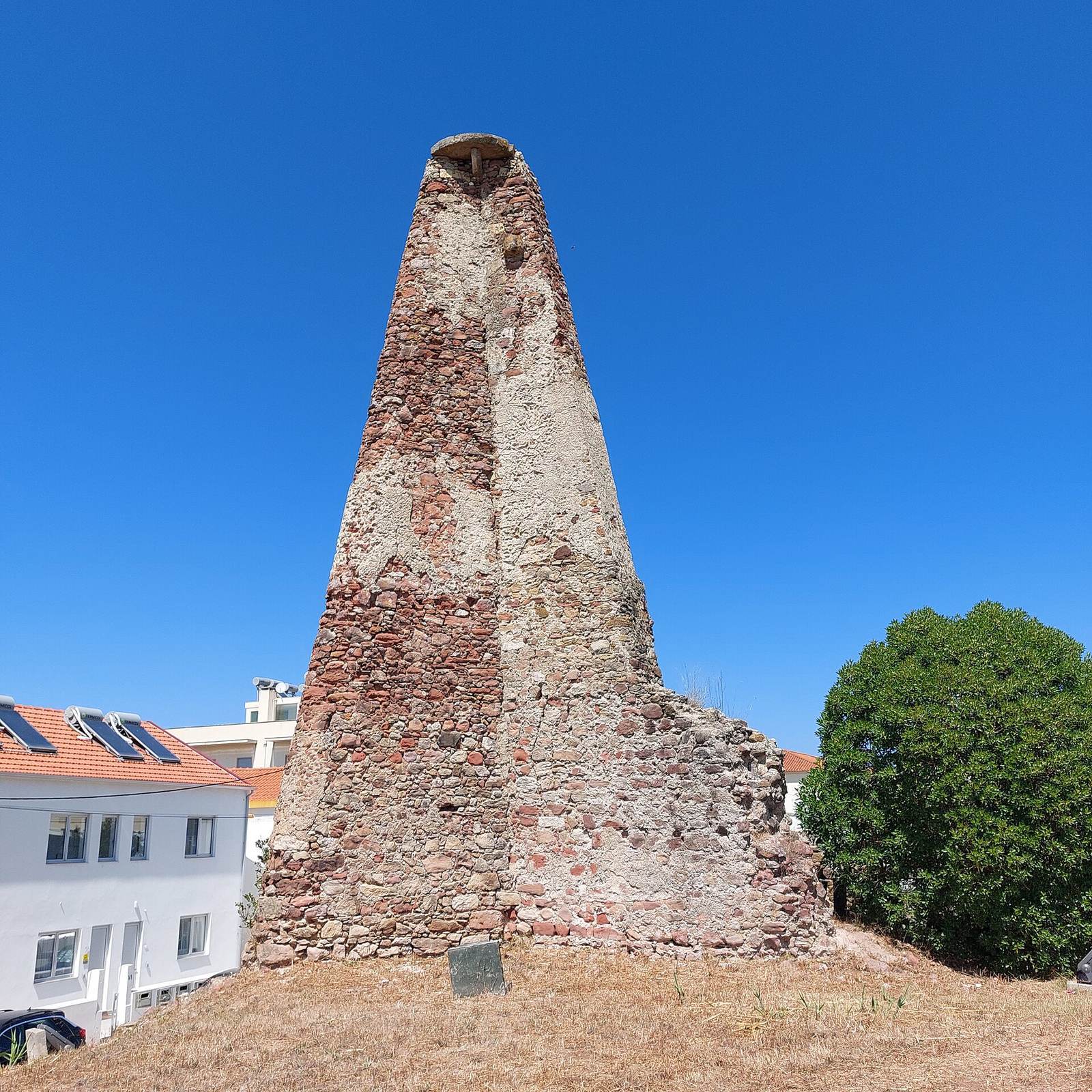
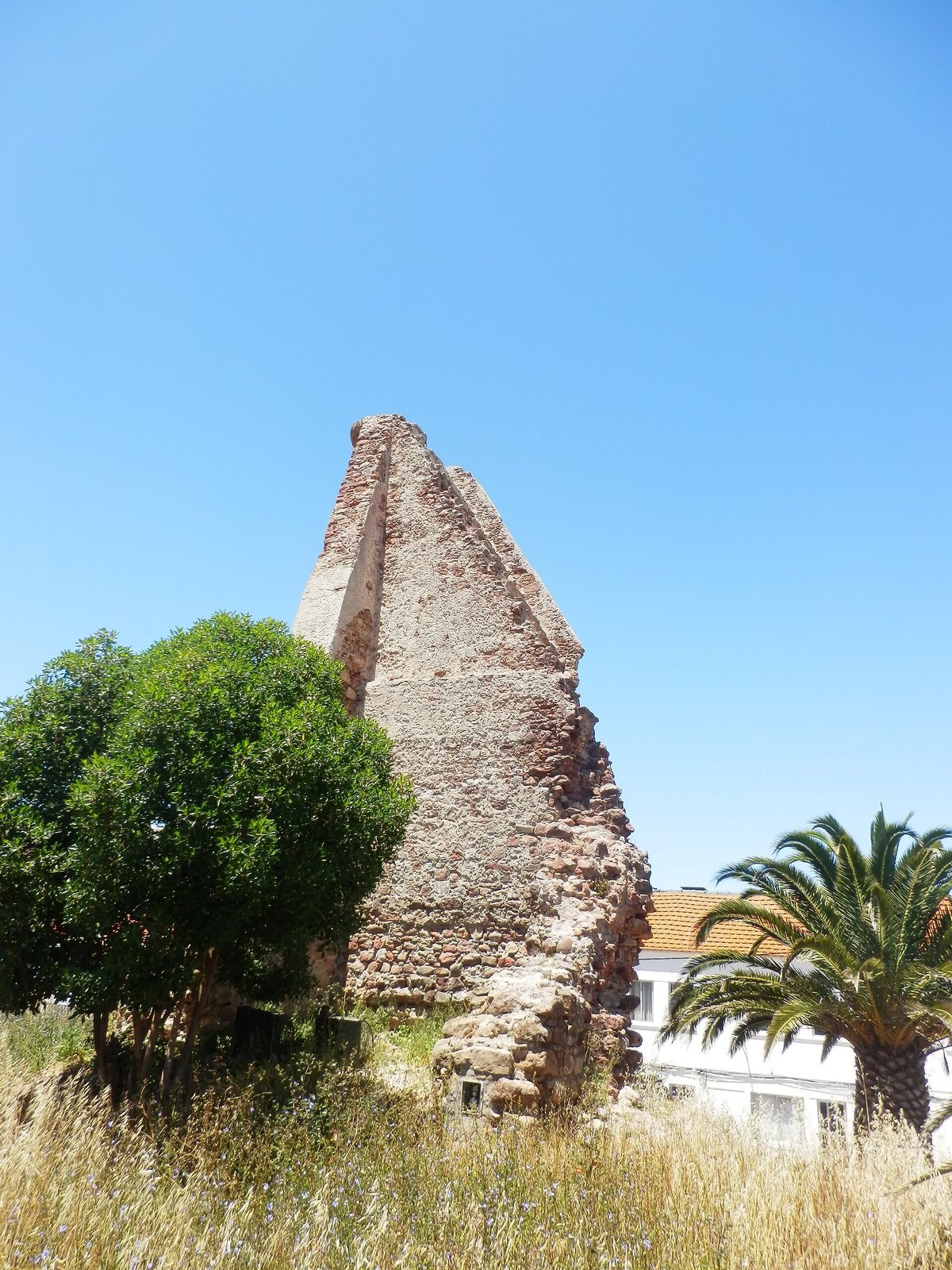
The castle had a square plan and stood beside the Mondego River. Its construction used masonry and mortar. The surviving remains are at the top of a hill in an urban area, at the junction of Santa Cruz Road and Rua do Castelo, among older houses and within a protective wall.
The remains comprise joined portions of two wall sections, including the preserved corner of the tower. This surviving fragment retains part of the castle’s former built structure.