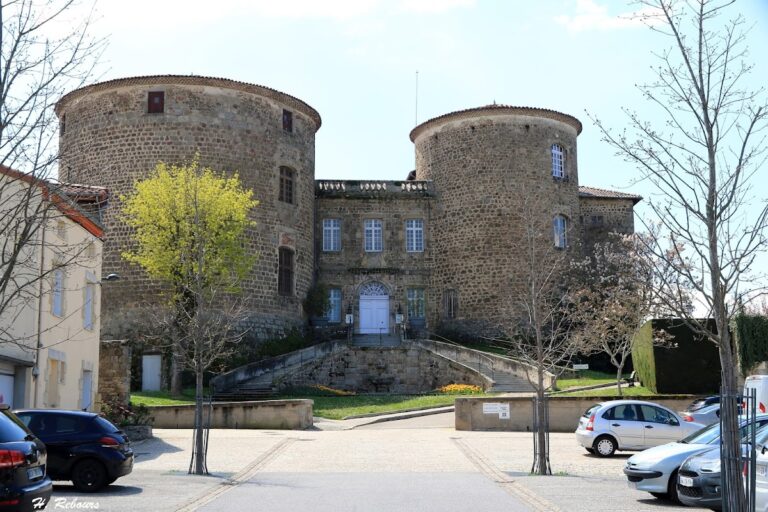
Castle of Grangent: A Ruined Fortified Castle in France


Site at a Glance
- Rating
- 4.5
- Popularity
- Very Low
- Country
- France
- Primary era
- Medieval
- Eras represented
- Medieval, Early Modern
- Civilizations
- Unclassified
- Site type
- Military
- Remains
- Castle
On this page7 sections
History
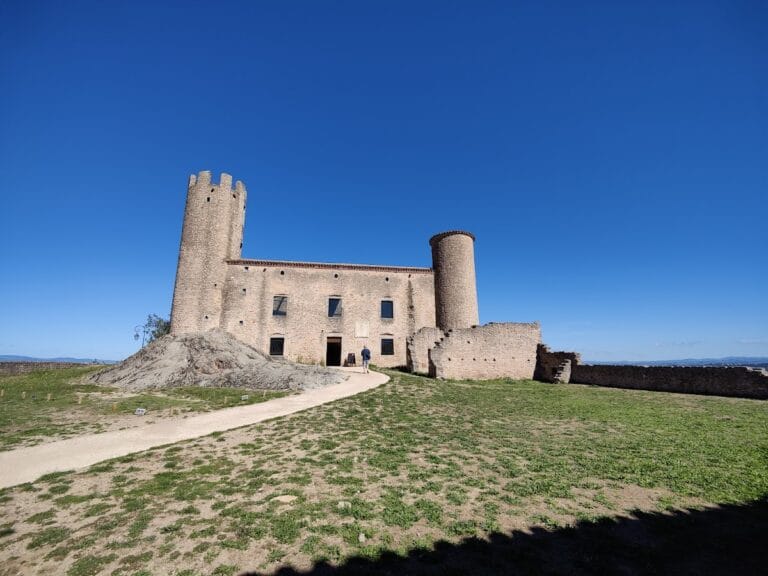
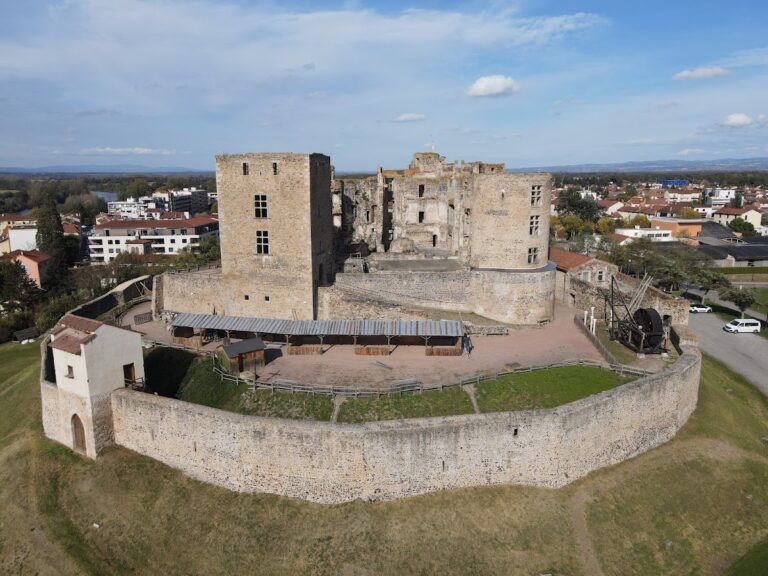
Castle of Grangent is a ruined fortified castle in France, at Saint-Just-Saint-Rambert. Its origins are placed around 800, while construction continued between the twelfth and sixteenth centuries. The castle is first documented in 1173, when its control was addressed in an exchange between the Count of Forez and the Church of Lyon.
Medieval lordship
The 1173 agreement required whoever held Grangent Castle to swear liege homage and fidelity to the Count of Forez. This placed the castle within the political and feudal obligations of the medieval county.
Destruction and rebuilding
During the Middle Ages and later periods, the castle suffered destruction. It was subsequently rebuilt and underwent several restorations, leaving a structure shaped by successive phases of damage and repair.
Modern transformation and protection
Castle of Grangent was sold as a national asset in 1796. In 1945, it was entered on the supplementary inventory of historic monuments because of the Sarrasine chimney in its tower. The entire site, including the tower and its surroundings, received protected-site designation on 12 March 1946.
The construction of the Grangent Dam in 1957 radically changed the castle’s setting. The former promontory above the Loire became a small island in the resulting lake. The castle remains privately owned and functions as a ruin.
Remains
Island setting
Castle of Grangent stands on a small island in Lake Grangent, in the southern part of Saint-Just-Saint-Rambert. Before the dam was built, the castle occupied a promontory approximately 50 metres above the Loire River. The surviving site consists of the ruined tower and its surrounding area. The larger Château d’Essalois overlooks it from the same area.
Keep and chimney
The keep, the principal fortified tower of a medieval castle, has a relatively narrow interior. Ladders provide movement between its levels. The tower contains the Sarrasine chimney, a traditional chimney with a broad hood and a distinctive roofed upper structure. This feature was the reason for the castle’s entry on the supplementary inventory of historic monuments in 1945.