Castle in Šilheřovice: A Historic Residence in Czechia
Site at a Glance
- Popularity
- Medium
- Country
- Czechia
- Primary era
- Early Modern
- Eras represented
- Early Modern, Modern
- Civilizations
- Habsburg, Habsburg Austria, Holy Roman Empire, Kingdom of Bohemia, Kingdom of Prussia
- Site type
- Domestic
- Remains
- Castle
On this page7 sections
History
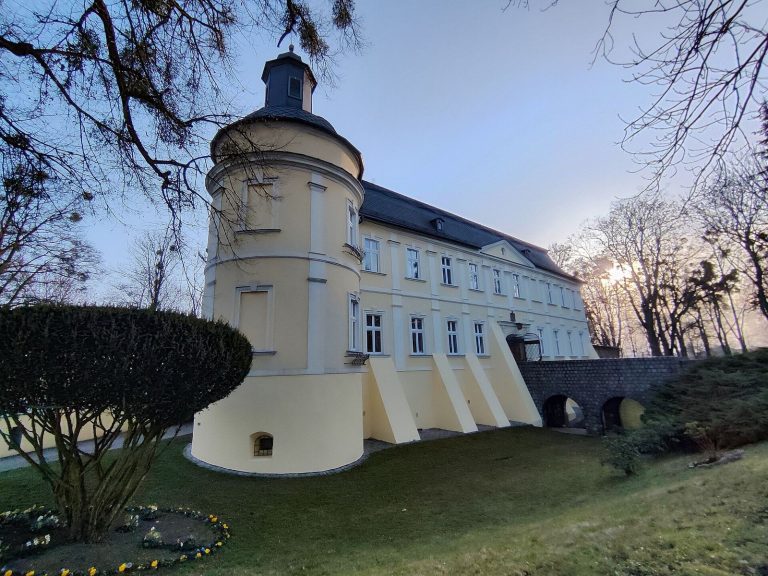
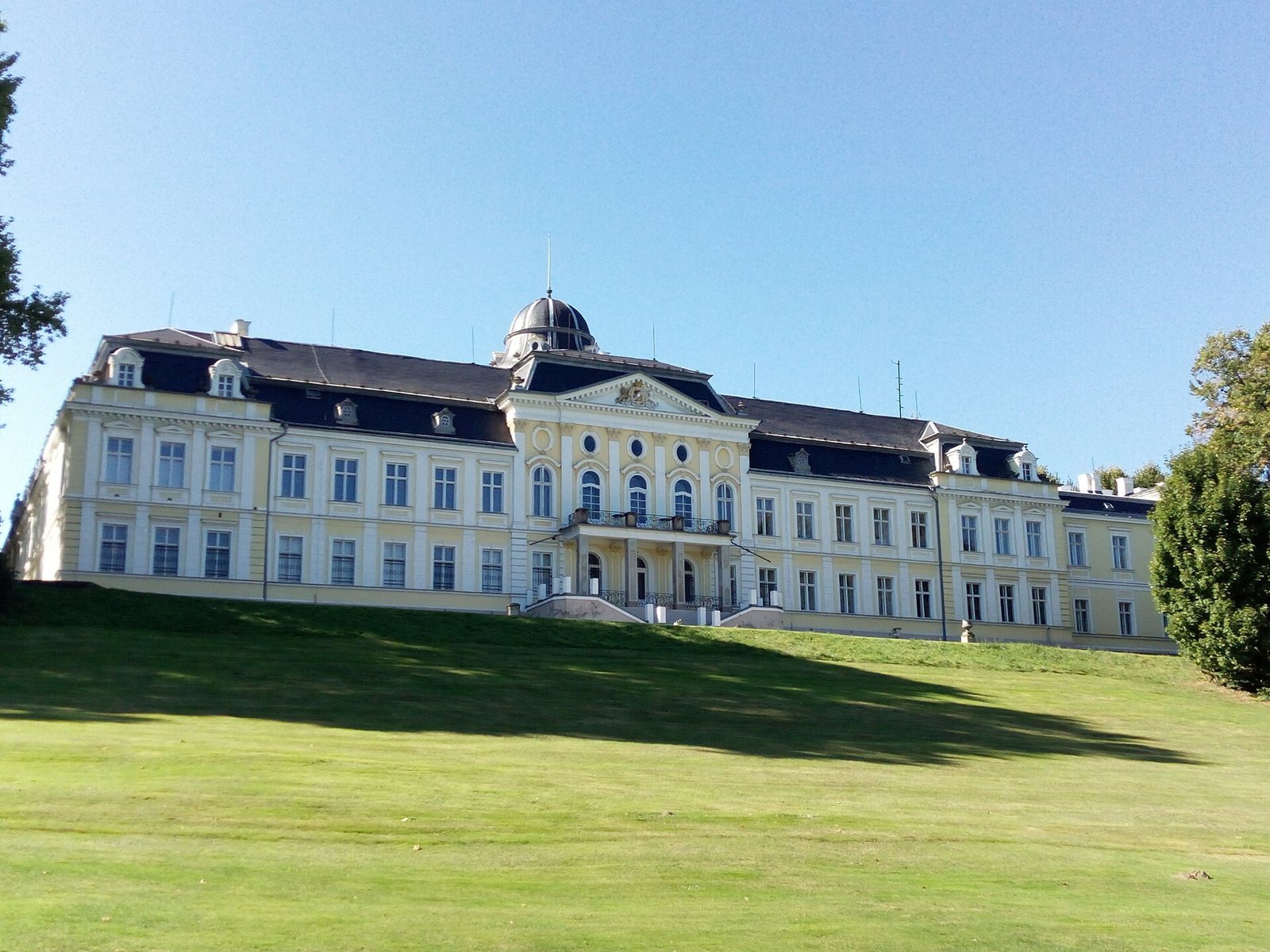
The Castle in Šilheřovice is a historic castle in Czechia, associated with a fortress mentioned in a record dated 18 April 1377. A Renaissance fortress is believed to have been built on the site in the second half of the 16th century. The present residence was later built in the Classicist style, which draws on ancient Greek and Roman forms.
Fortress and changing ownership
The Lords of Würben held Šilheřovice from 1560 to 1609 and are believed to have built the Renaissance fortress. In 1609, Jan of Vrbno sold the estate to Bohunka Stosch von Kaunitz; the sale deed also referred to the fortress. Bohunka gave the estate to her husband, Jan Geraltovský von Geraltovice. Their son Václav inherited it in 1617 and sold it two years later to his brother Jáchym for 5,000 thalers.
After Jáchym’s death, his wife inherited the estate and later married Jan Jindřich Šlik. When Jan died in 1639, his son Vilém Jindřich Šlik became the heir. In 1660, the estate passed to Vilém’s daughter, Marie Žofie, who died in 1662. Count František Borro then acquired it, followed in 1666 by his niece, Countess Barbara Perpetua von Ursenberg. She sold the whole estate to the Opava Jesuit College, an educational institution run by the Catholic religious order known as the Jesuits. They probably left the fortress in ruins.
The Classicist castle and Rothschild ownership
After the Jesuit order was suppressed in 1773, the estate passed to the Royal Chamber, the sovereign authority responsible for crown lands and revenues. In 1787, the Chamber sold the castle to Karl, Baron von Larisch, who soon sold the estate to Johann Friedrich von Eichendorff for 79,200 gold coins. Johann Friedrich had a Classicist castle built. The poet Joseph von Eichendorff, a German Romantic writer, visited it several times. A landscape park was laid out around the castle after 1820 and enlarged over time.
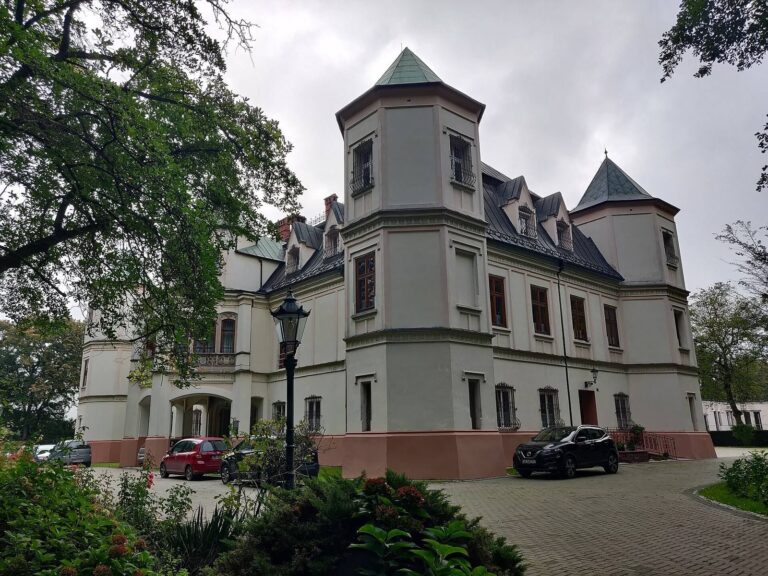
Salomon Meyer Rothschild bought the castle from the Eichendorff family in 1844. During Rothschild ownership, the park was expanded and greenhouses were built. In the second half of the 19th century, the castle was remodelled in a pseudo-Baroque style, a later revival of Baroque design. The Rothschild family retained ownership until the castle’s nationalization in 1945. Alfons Rothschild was its last owner before nationalization; his property had already been confiscated in May 1939, when the castle was converted into a field hospital.
Postwar use and reconstruction
The castle was not returned to the Rothschild family after 1945. It became a home for Greek children in 1951. A higher vocational school for mining opened there in 1962, and mining instruction ended in 1966. That year the castle passed to the National Restaurant and Canteen Company for use as a training facility. The training operation used it until 1989, and training continued at the castle until 2002, by which time some activities had moved into newer buildings. In 2008, the castle was sold to the Czech company RACIMOLO RONI a.s., which began extensive reconstruction. It is protected as a cultural monument of the Czech Republic.
Remains
Castle building
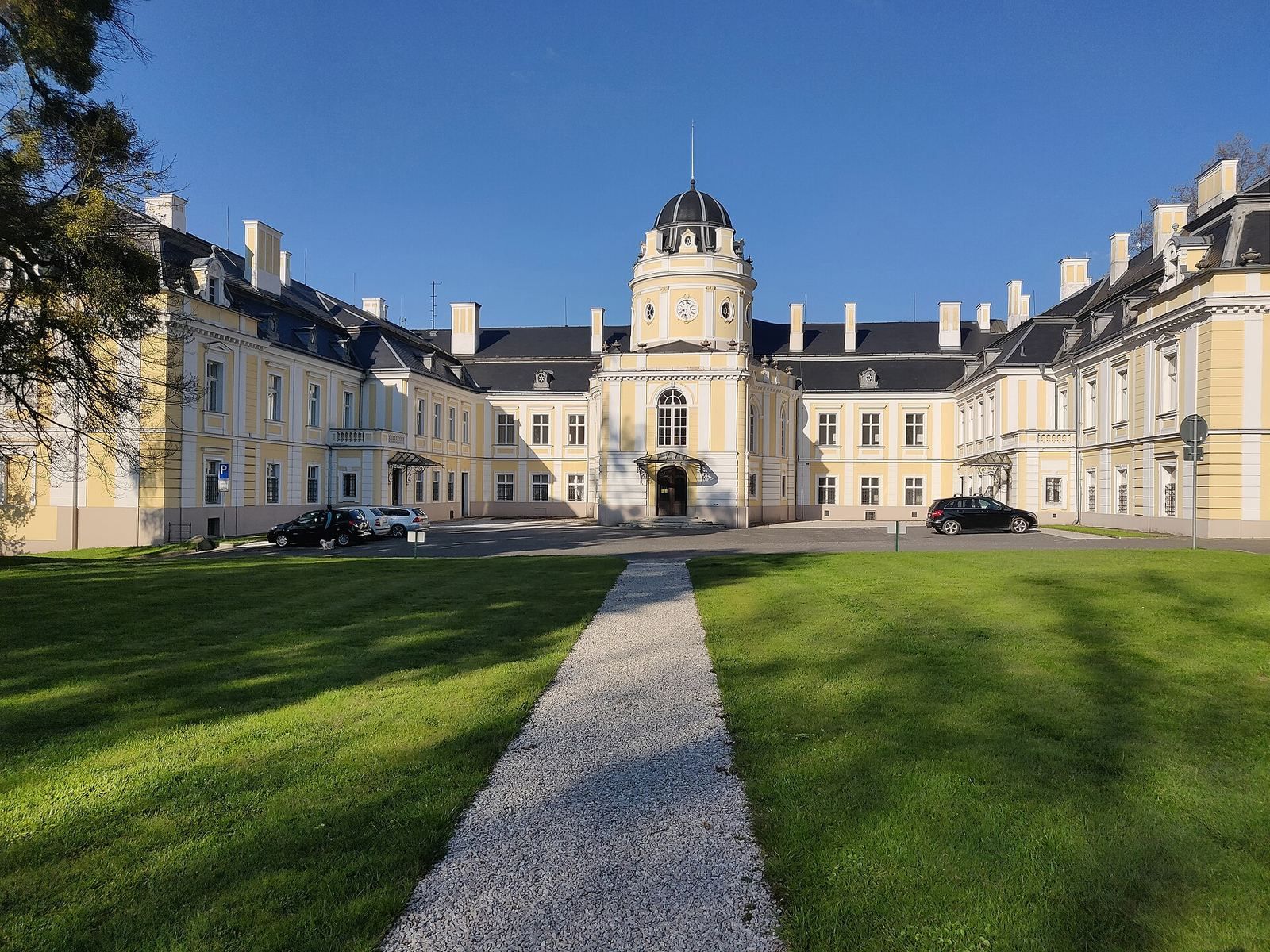
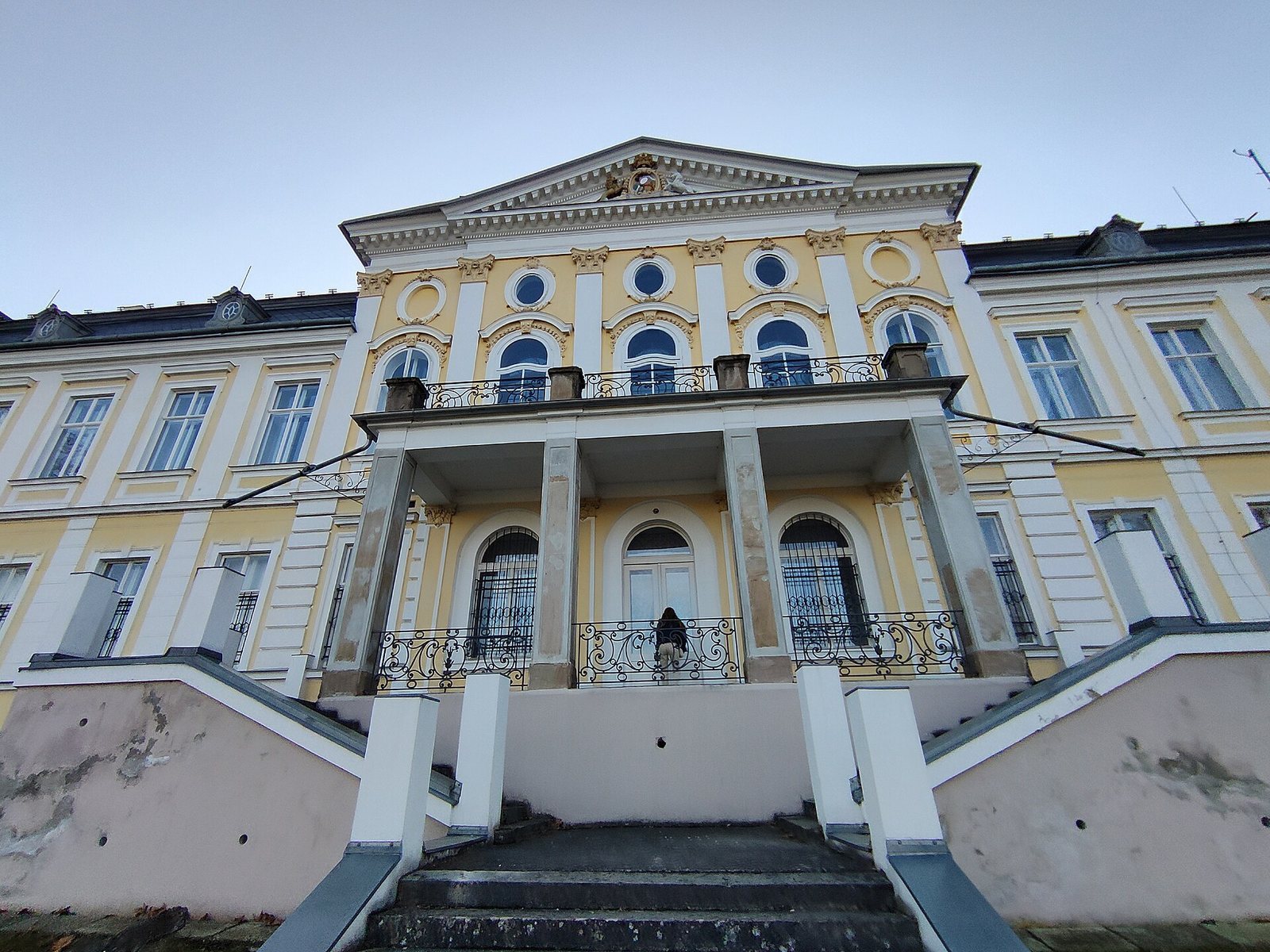
The main building is a three-winged Classicist structure, with a dome above its central section. Its 21 window axes face the historic castle park and establish the building’s visual symmetry. The castle was remodelled in a pseudo-Baroque style during the second half of the 19th century. Later alterations included unsuitable paintwork and iron stairs attached to the Neptune fountain, named for the Roman god of the sea. These changes were made without approval from the heritage-protection authority.
Park and grounds
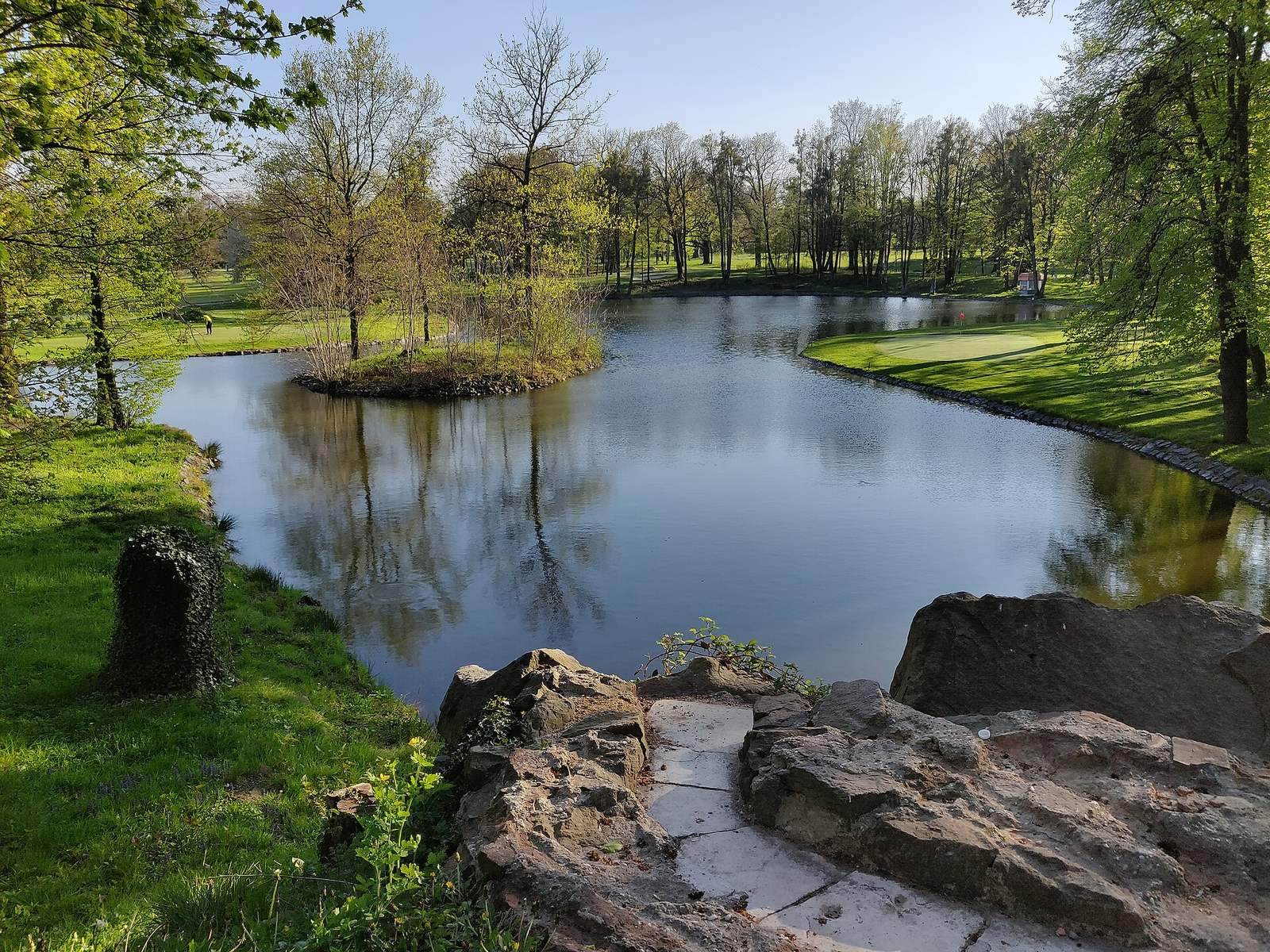
The grounds include the landscape park, now used as a golf course, and greenhouses built during Rothschild ownership. The Neptune fountain is another feature of the grounds; iron stairs were attached to it during postwar alterations.