Ratnagiri Fort: A Bahmani-Period Sea Fort in Maharashtra
Site at a Glance
- Popularity
- High
- Country
- India
- Primary era
- Medieval
- Eras represented
- Medieval, Early Modern
- Civilizations
- Maratha
- Site type
- Military
- Remains
- Fort
On this page6 sections
History
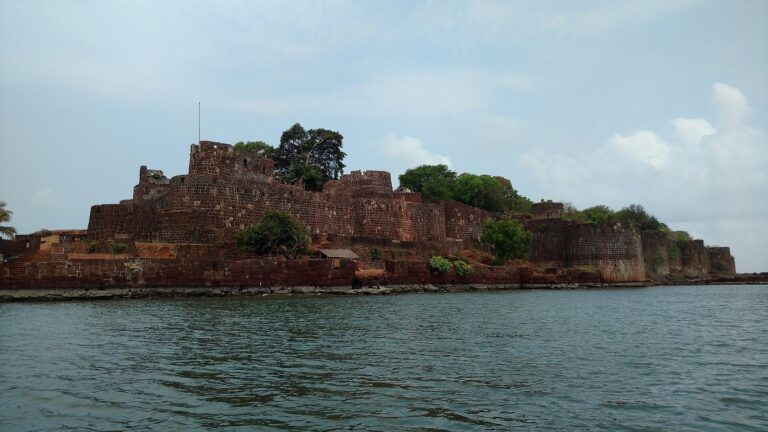
Ratnagiri Fort, also called Ratnadurg Fort and Bhagawati Fort, is a sea fort in Ratnagiri district, Maharashtra, India. It was built during the Bahmani period, when the Bahmani Sultanate, a medieval Muslim-ruled state in the Deccan, held power in the region.
Bahmani, Bijapur, and Maratha control
Bijapur controlled the fort from 1521 to 1594 under the Adil Shahi dynasty. In 1670, Maratha ruler Shivaji captured it from Adil Shah of Bijapur, bringing it under Maratha control. The Maratha Empire, the polity that expanded under Shivaji’s successors, held the fort from 1670 to 1818.
Maratha defenses and British rule
Maratha naval commander Kanhoji Angre strengthened the citadel’s defenses between 1750 and 1755. During the Peshwa regime, from 1755 to 1818, Dhondu Bhaskar Pratinidhi, a senior Maratha official, carried out minor repairs. The Peshwas, originally chief ministers, came to exercise governing authority in the Maratha state.
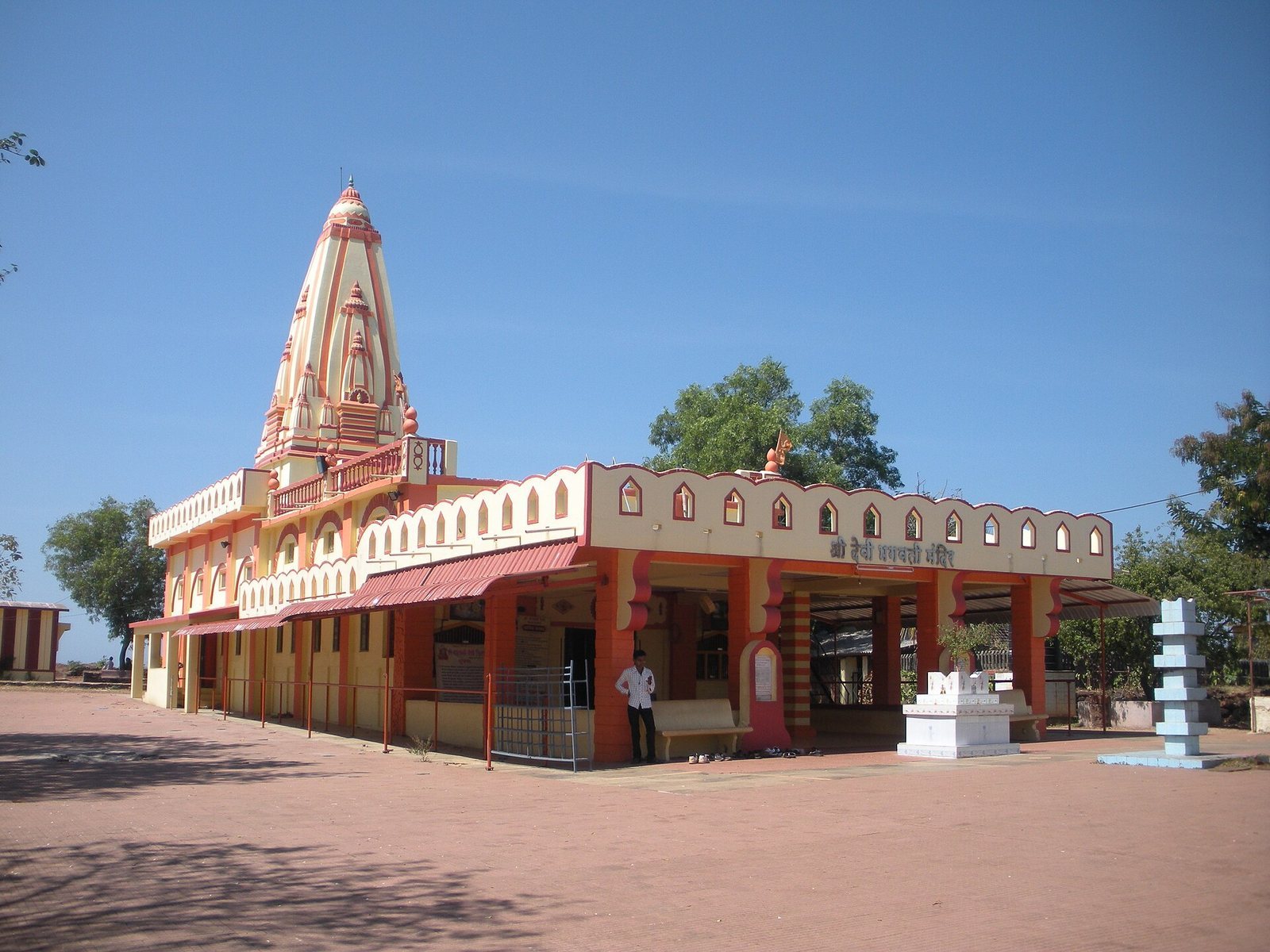
British forces captured the fort in 1818. The East India Company, a British corporation that exercised territorial rule in India, controlled it until 1857, when direct British Crown rule, known as the British Raj, began. The fort came under Indian control in 1947. The Bhagawati Temple was renovated in 1950.
Remains
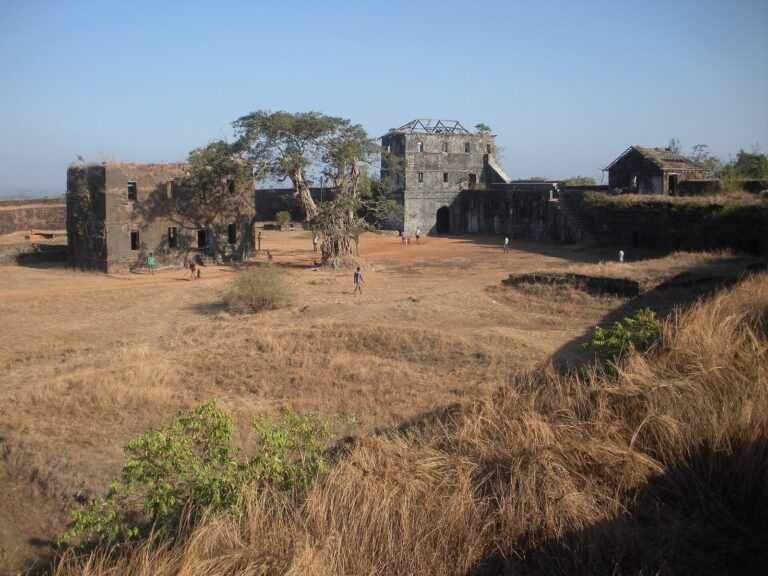
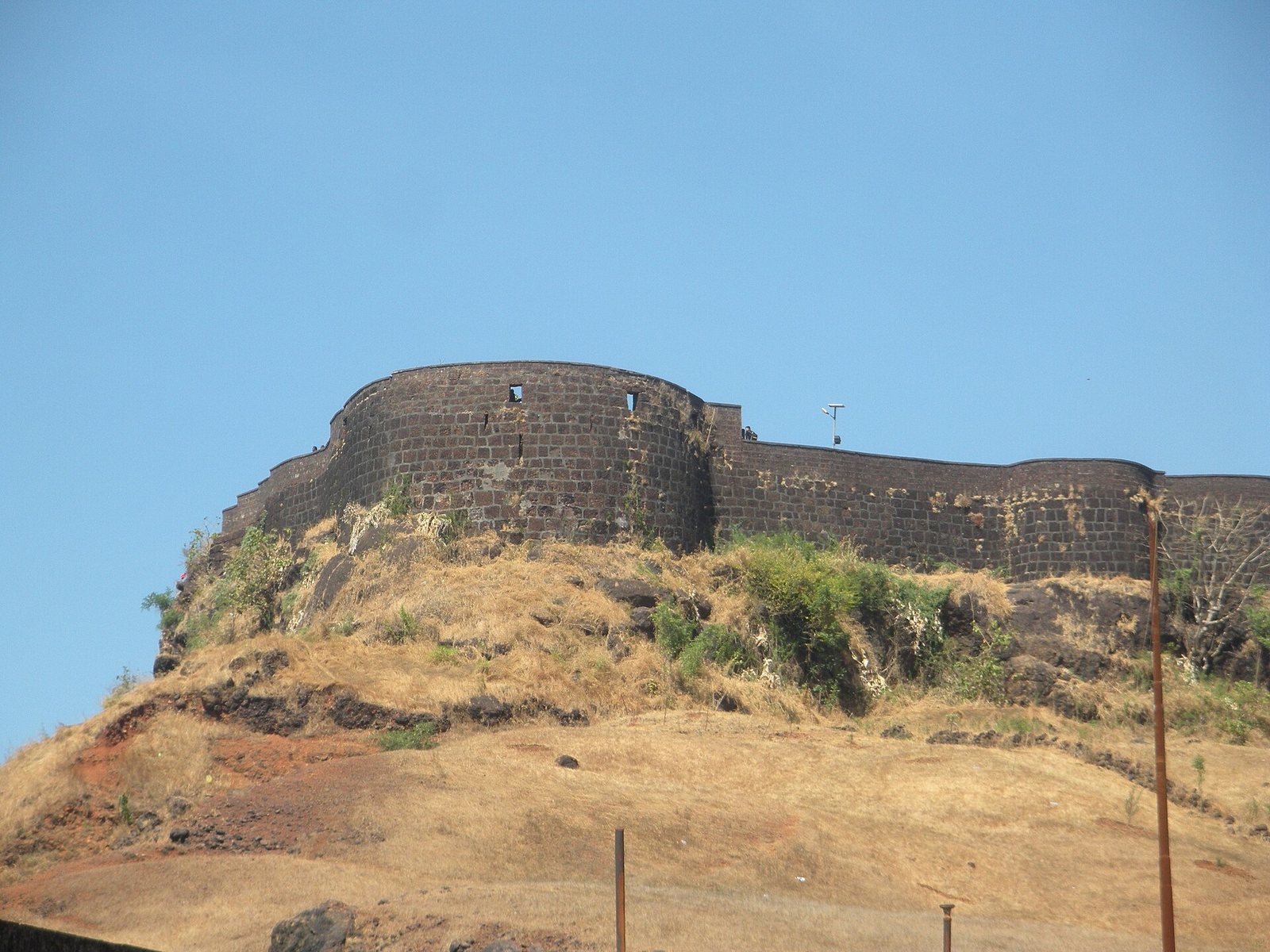
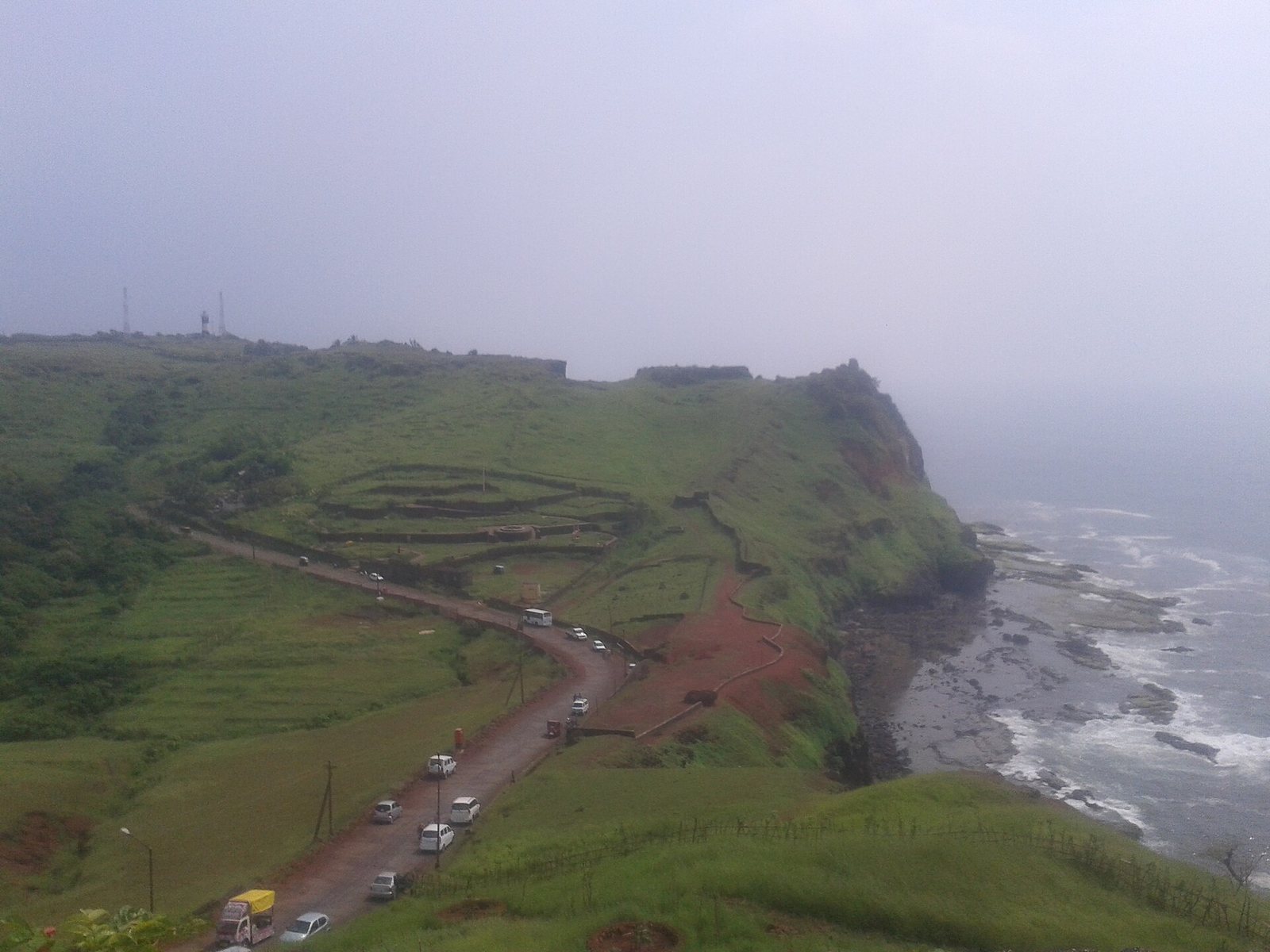
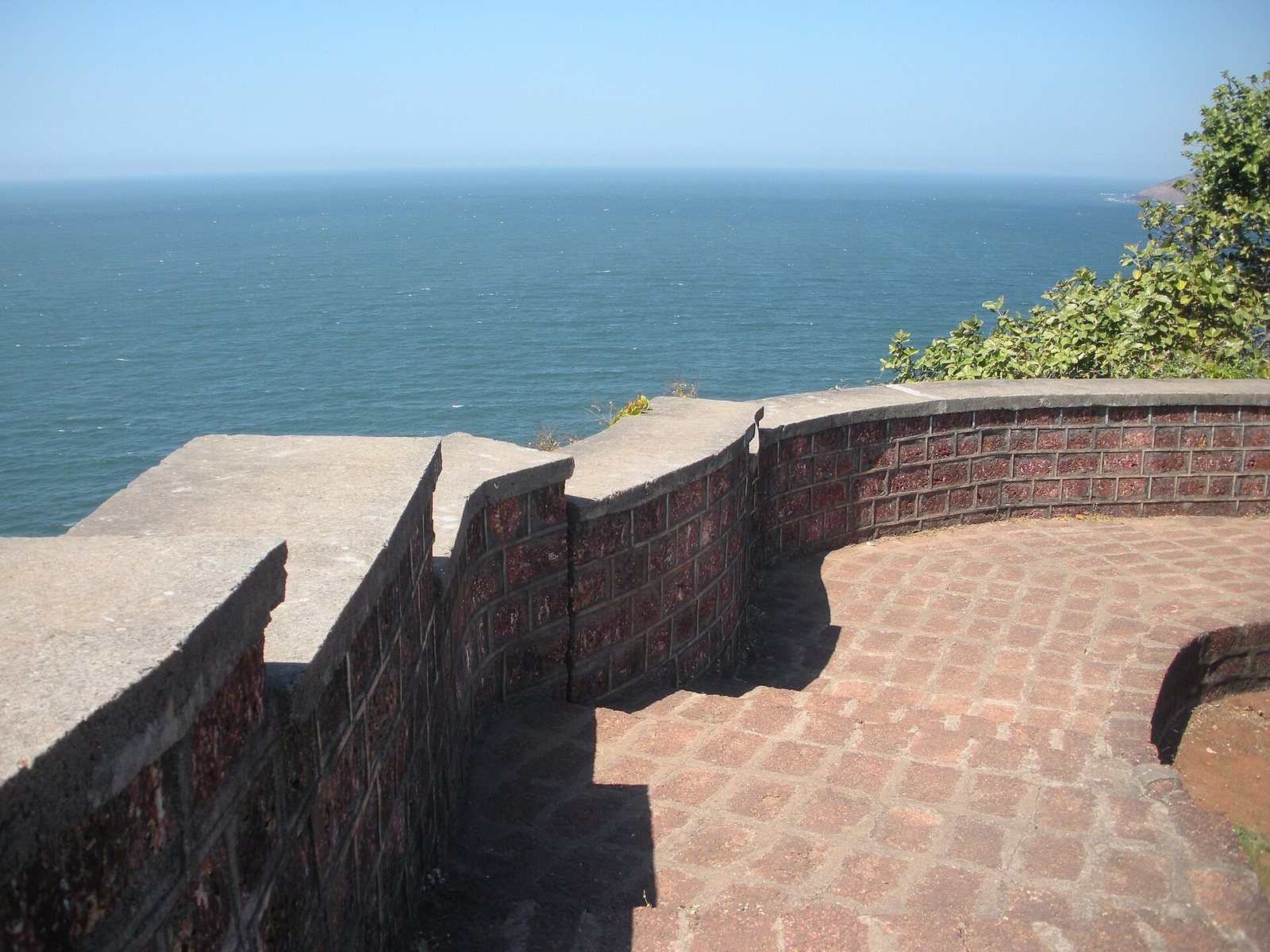
Built of laterite, a rock formed through intense weathering, the sea fort stands 200 feet high and is now in ruins. Its remains include a fortified inner stronghold, defensive works, and structures within and below the fort.
Fortifications and entrance
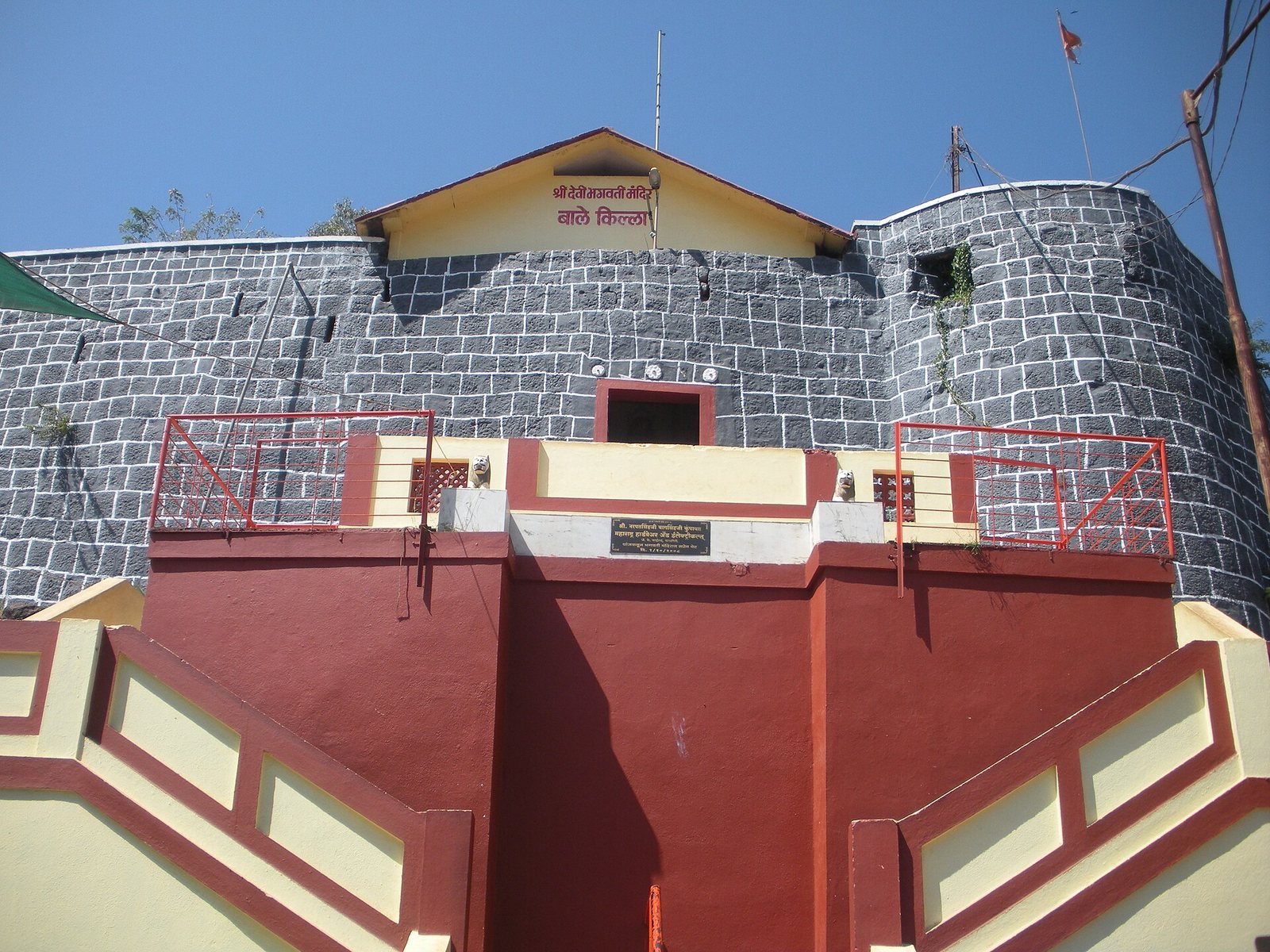
The fort includes a citadel, meaning a fortified inner stronghold, and several bastions, or projecting parts of the defenses. Rede Buruj is the strongest bastion. Protective towers occupy two commanding positions, one in the south and another near the old courthouse. An entrance gate forms part of the fort.
Structures within and below the fort
A lighthouse stands on one side of the fort. Within its bounds are the Bhagawati Temple, named for Bhagawati, a name for the Hindu goddess Devi, as well as a pond and a well. A cave lies below the fort.