Castle Freudenstein: A Medieval Aristocratic Castle in Italy

Site at a Glance
- Rating
- 4.7
- Popularity
- Low
- Country
- Italy
- Primary era
- Medieval
- External website
- Open
- Eras represented
- Medieval, Early Modern, Modern
- Civilizations
- Holy Roman Empire
- Site type
- Military
- Remains
- Castle
On this page8 sections
History
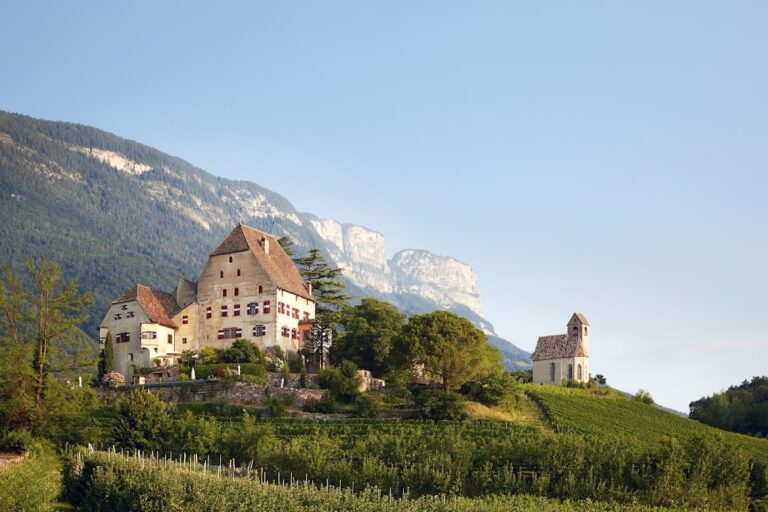
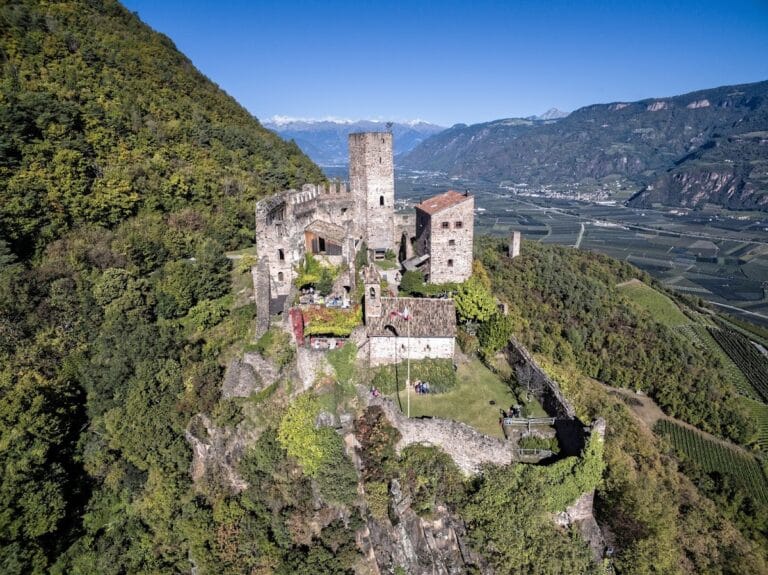
Castle Freudenstein is a medieval castle in Italy, standing northwest of St. Michael in the municipality of Eppan. The Counts of Eppan, a noble dynasty associated with South Tyrol, probably established the first castle in the twelfth century. The earliest documentary references to Freudenstein date from 1379, and the complex reflects both Romanesque and later Gothic architectural traditions.
From the Counts of Eppan to the Fuchs von Fuchsberg
By the fifteenth century at the latest, Freudenstein belonged to the noble Fuchs von Fuchsberg family. The original property consisted of two small castles. Toward the end of the sixteenth century, it was expanded into a larger castle, creating the more extensive aristocratic complex associated with the site today.
The Freudenstein branch of the Fuchs von Fuchsberg family continued until 1550. The wider family was later elevated to the rank of barons, admitted to the countly rank in 1634, and became extinct in 1828. From 1716, the property briefly belonged to the Trentino noble Lodron family. The Italian name Castel Lodron was later coined by Ettore Tolomei because of this association, but it never became widely used.
Nineteenth- and twentieth-century changes
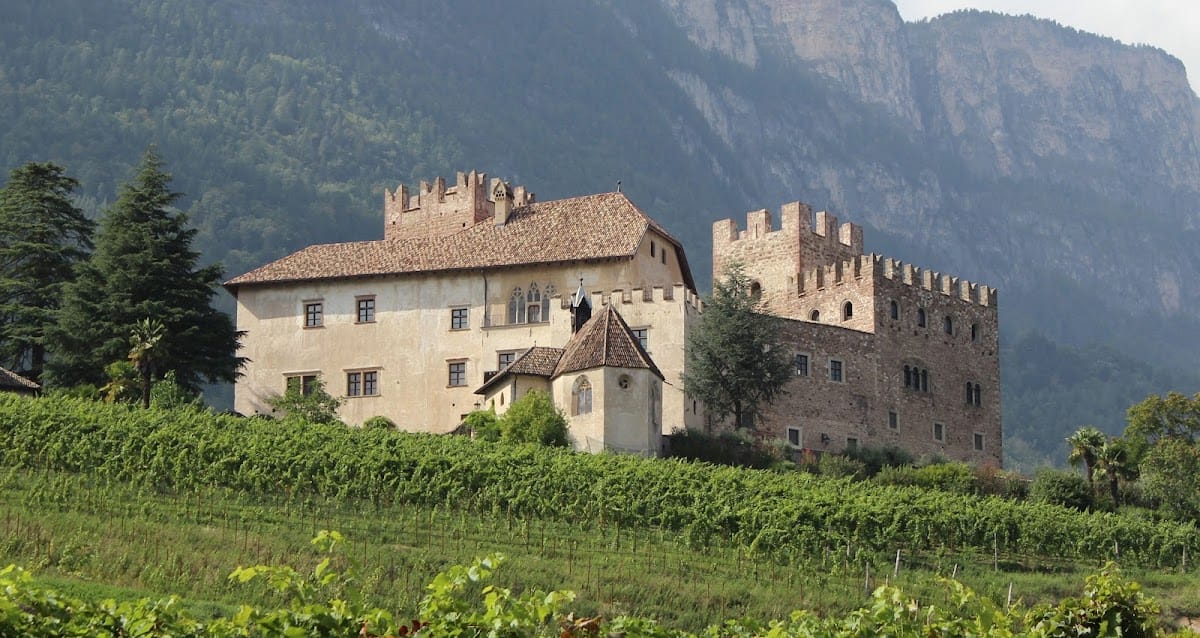
In the late nineteenth century, Heinrich von Siebold commissioned the architect Ferdinand Mungenast to renovate, remodel, and enlarge the castle. The work took place between 1860 and 1897 and shaped much of its present appearance. It included raising the east wing and expanding the interior fittings.
Hungarian officer Mikuleczky purchased the castle in 1918. His heirs later sold it, and during the 1960s the building underwent another renovation before being converted into a conference and recreation center. Castle Freudenstein is recognized as a protected cultural-heritage monument and as part of Italy’s national heritage.
Remains
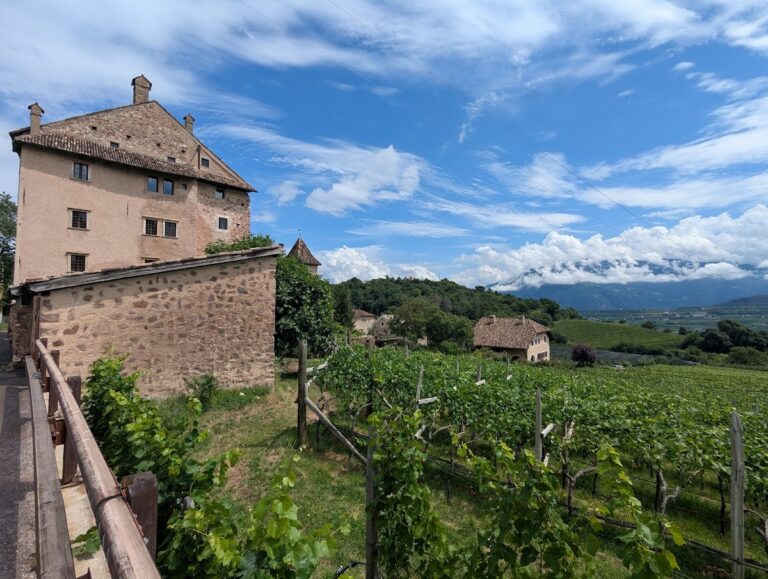
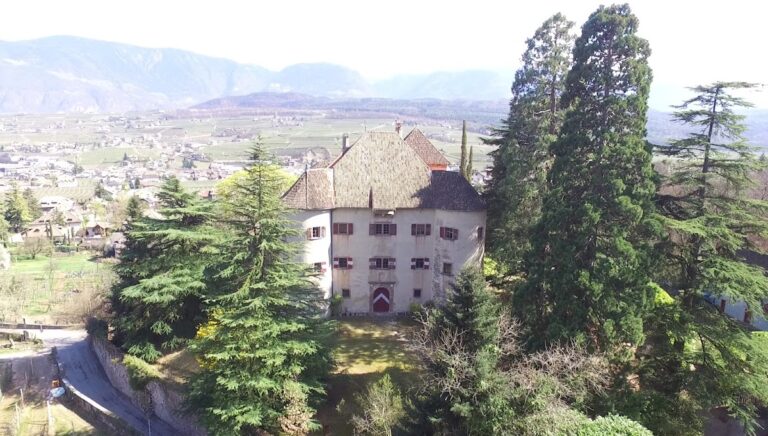
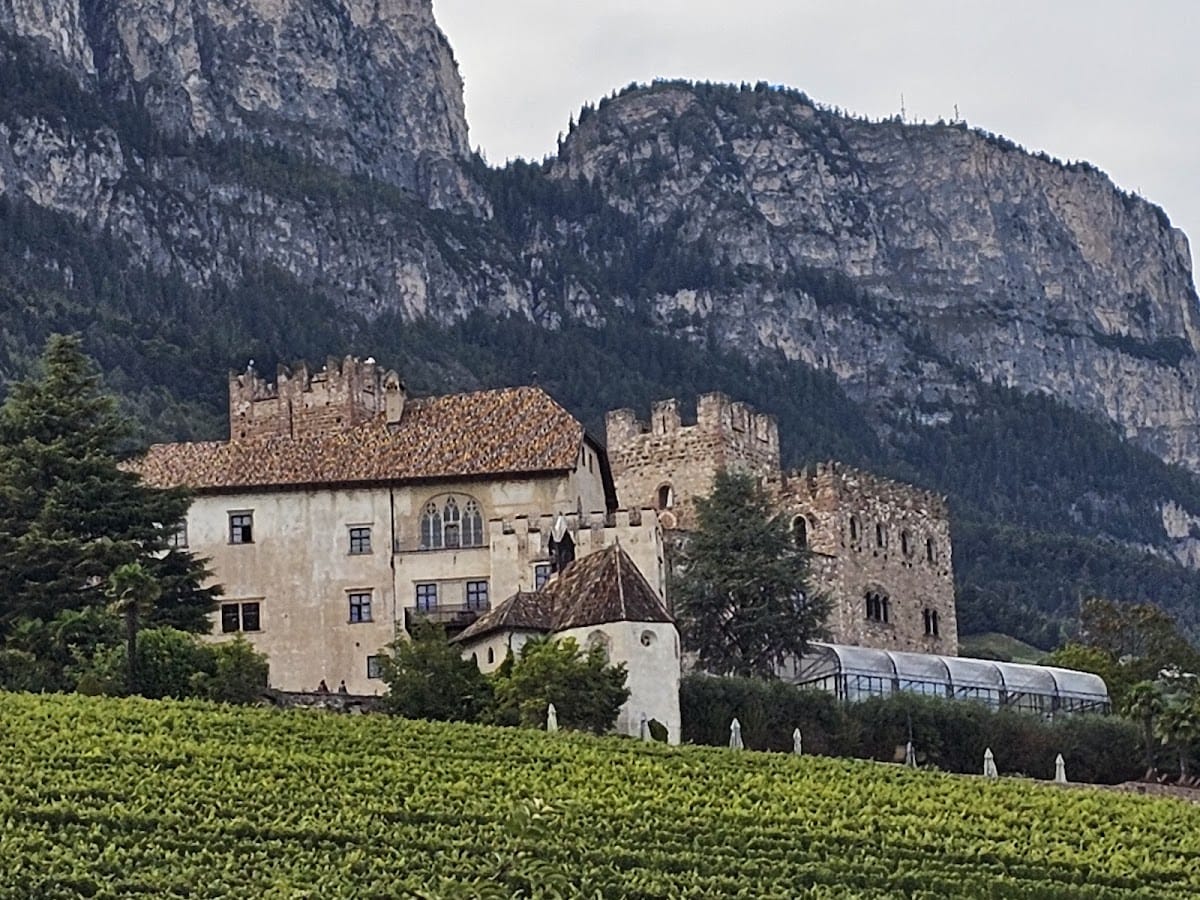
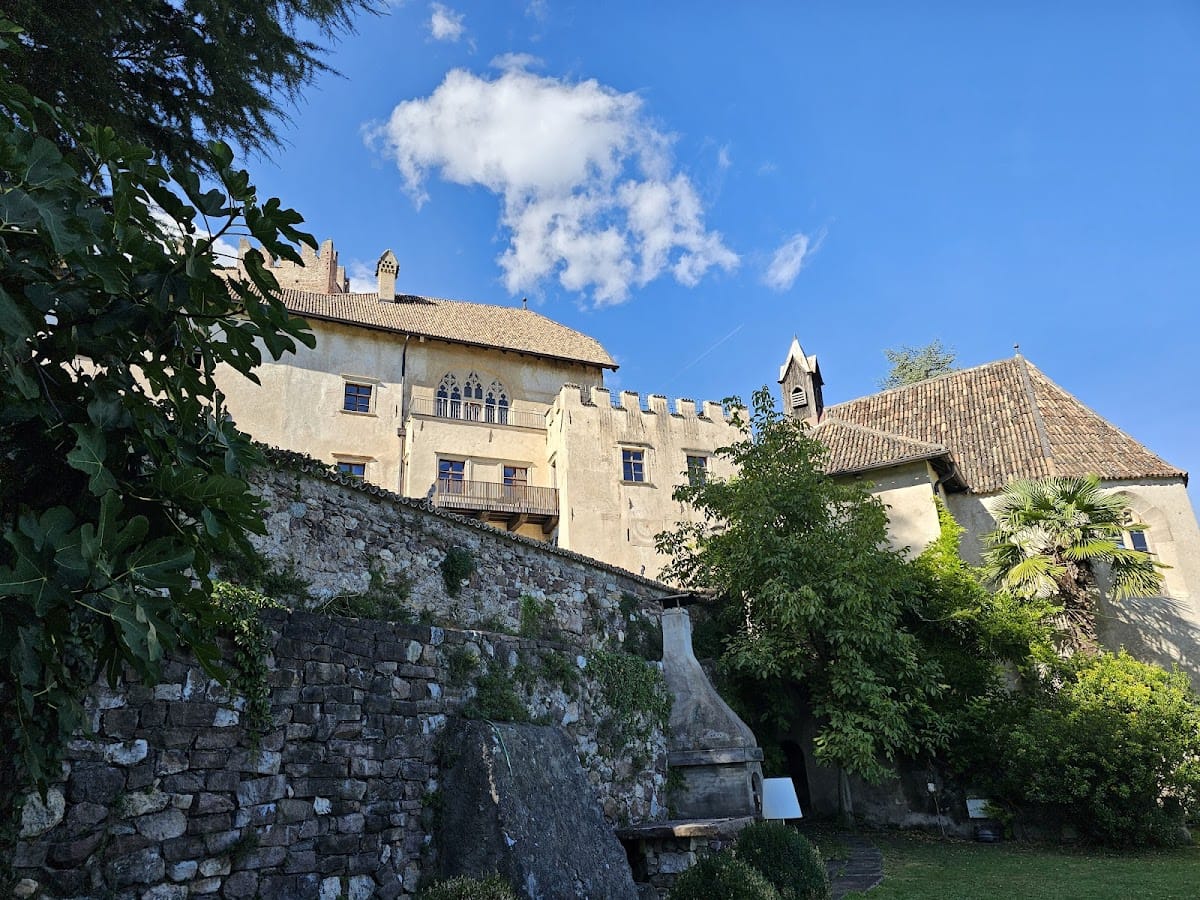
Castle Freudenstein occupies a flat, elevated hill northwest of St. Michael in the Überetsch and belongs to the Berg area of Eppan. A polygonal ring wall encloses the complex, whose layout and architecture reflect high-aristocratic building traditions. Gothic elements appear throughout the castle, while the surviving structures also preserve evidence of its earlier medieval phases and later enlargement.
Walls, towers, and early chapel
The enclosed complex contains two towers with different battlement forms. One carries Guelf battlements, associated broadly with papal political allegiance, while the other has Ghibelline battlements, associated broadly with imperial allegiance. The former Romanesque Chapel of St. Catherine belongs to the early castle complex and preserves the connection between the medieval foundation and the surviving buildings.
Chapels and interior spaces
Chapel of St. Andrew
The Chapel of St. Andrew was built in 1519 and consecrated in 1532. The earlier date is displayed above its entrance. Inside, the chapel room contains late-Gothic flat carvings, providing a surviving example of the decorative work associated with this phase of the castle.
Residential and social rooms
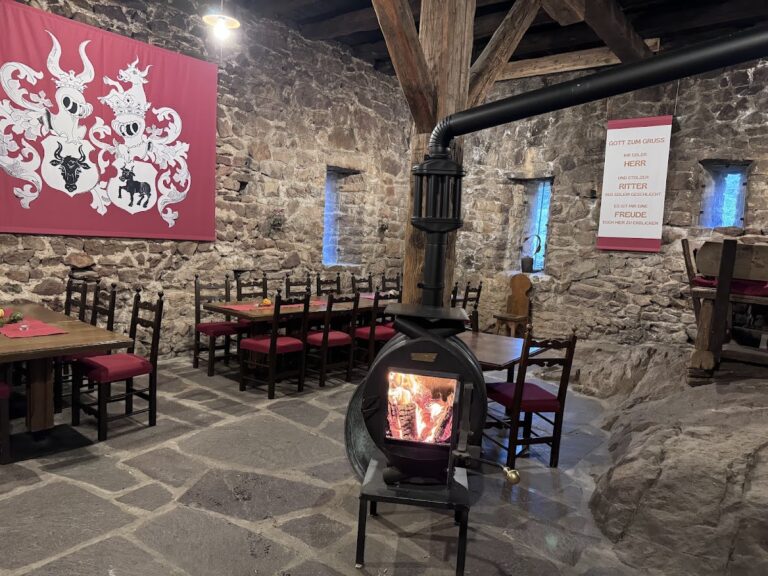
Wall paintings survive in the residential wing. The large hall contains inscriptions written in red chalk and charcoal. A preserved drinking hall includes a feature identified as a vomitorium, a physical feature traditionally associated with inducing vomiting during or after lavish feasts, as well as inscriptions left by former guests.