Montesarchio Castle: A Medieval Fortress in Italy
Site at a Glance
- Rating
- 4.6
- Popularity
- Low
- Country
- Italy
- Primary era
- Medieval
- External website
- Open
- Eras represented
- Medieval
- Civilizations
- Crown of Aragon, Lombard, Norman
- Site type
- Military
- Remains
- Castle
On this page7 sections
History
Early Fortifications
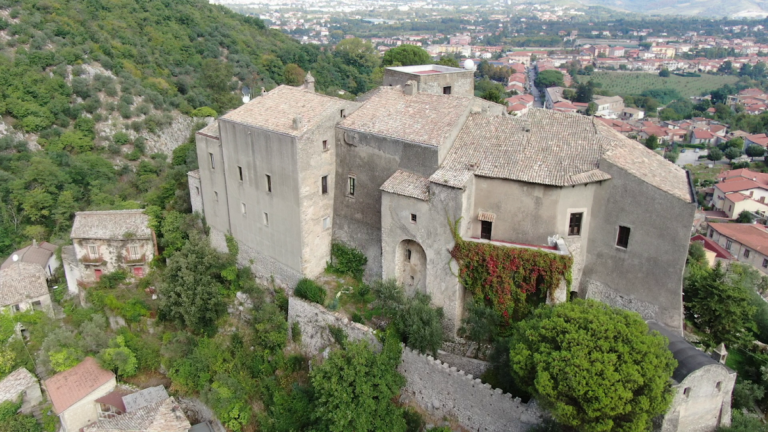
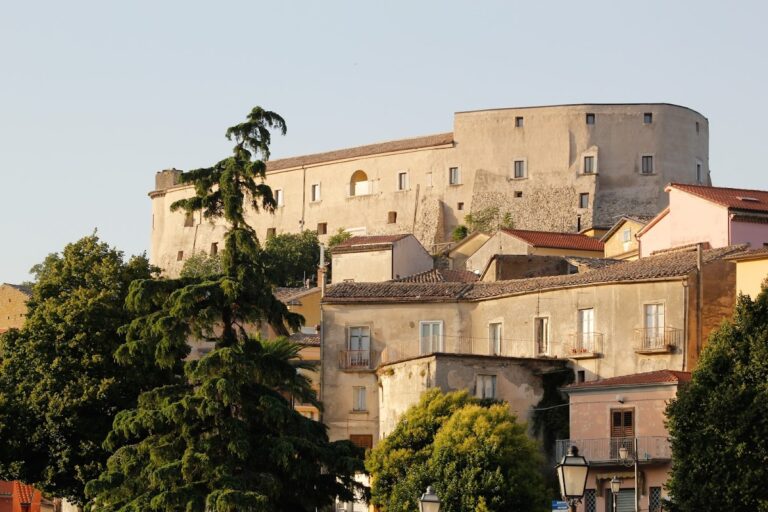
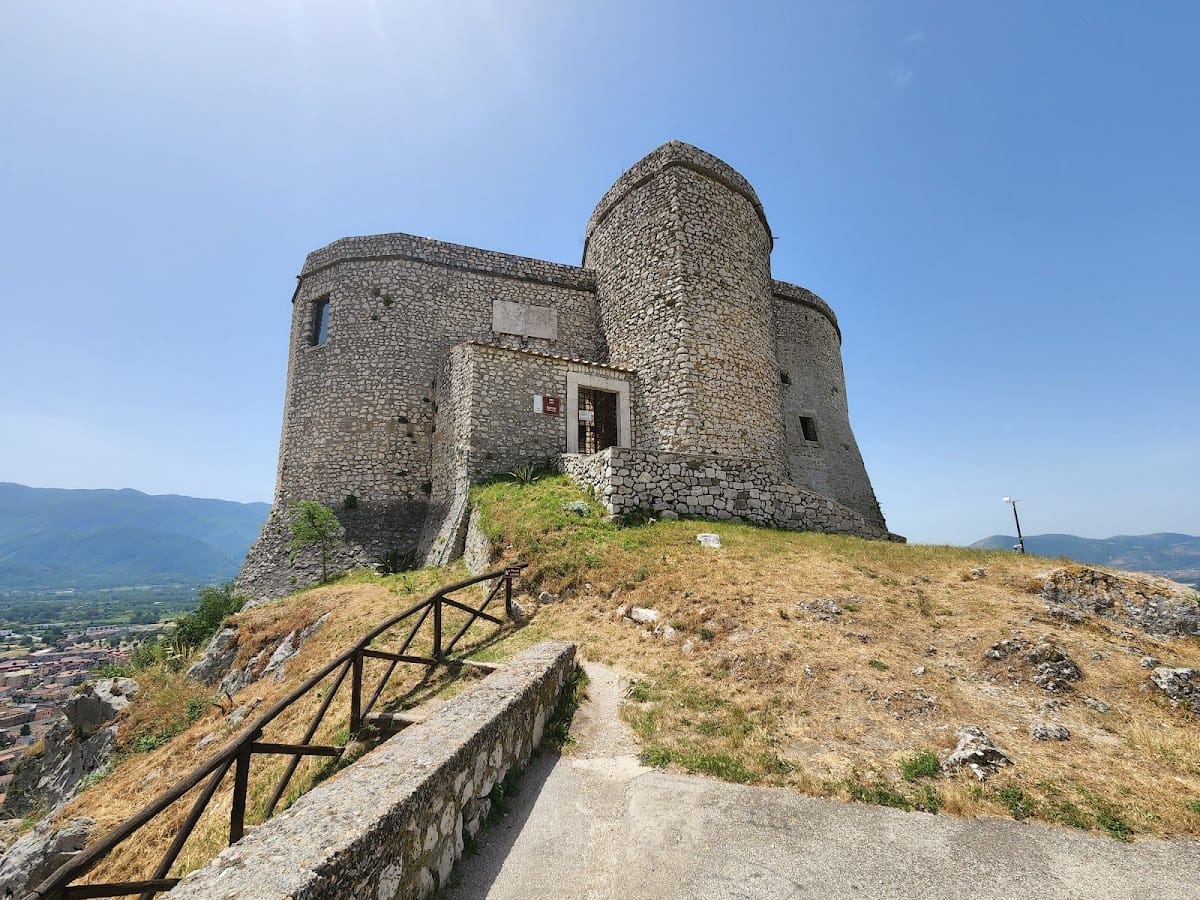
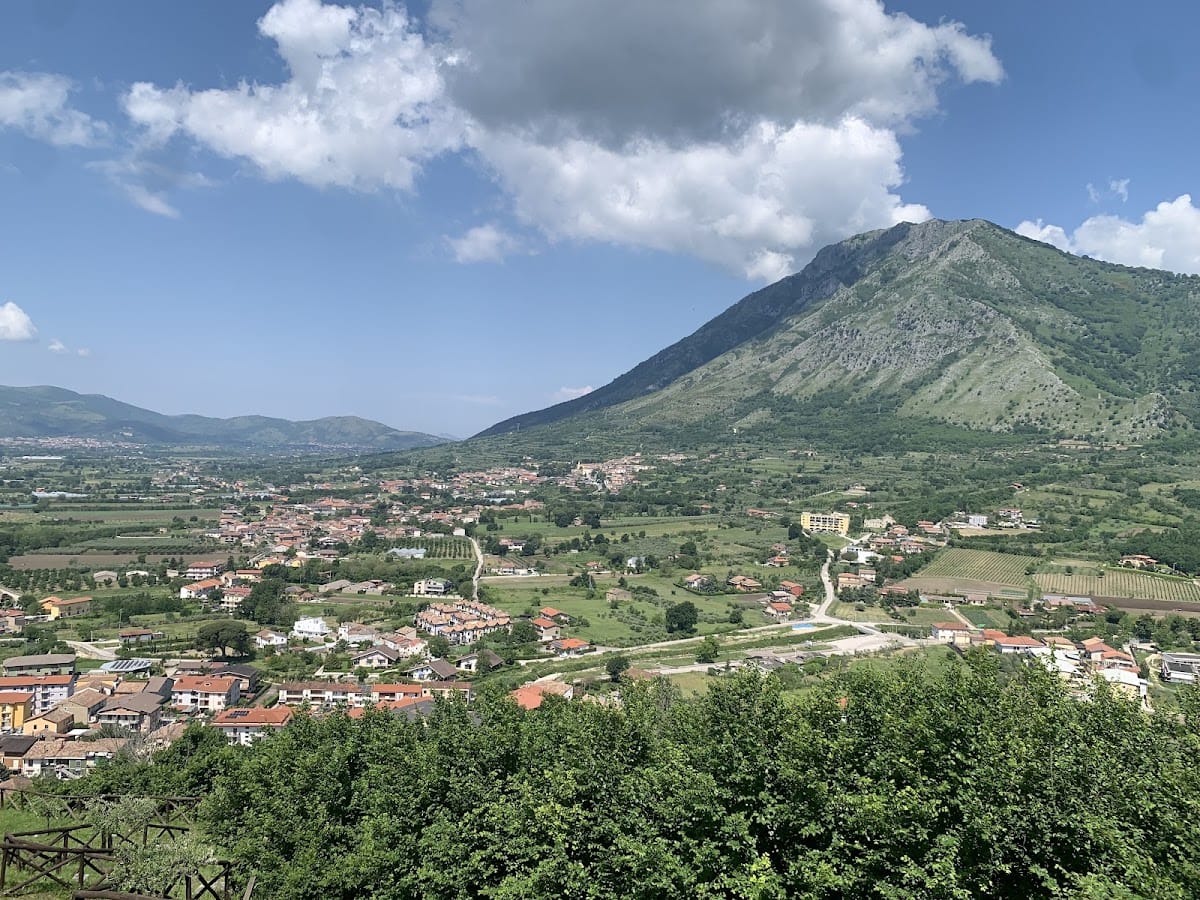
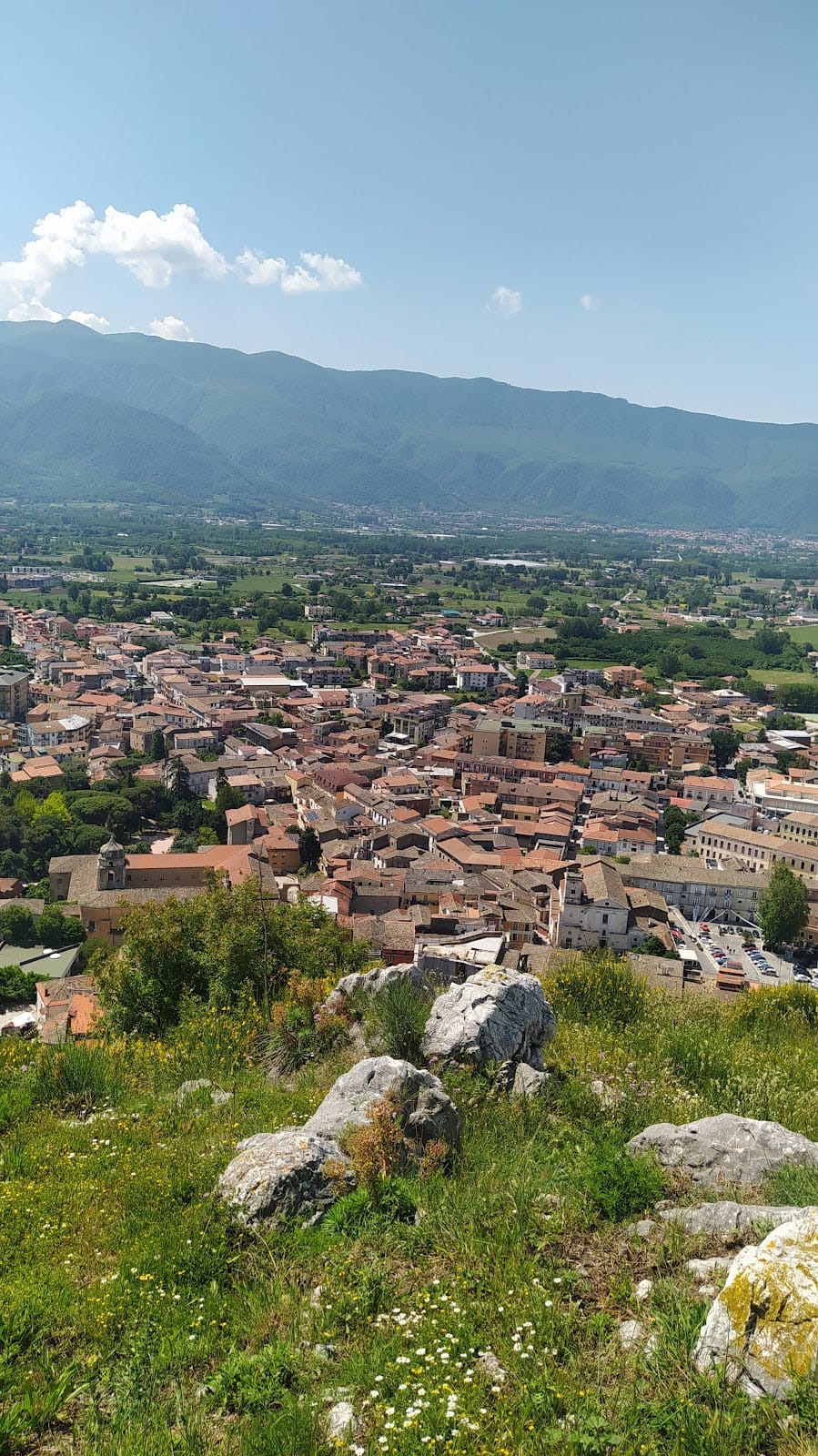
Montesarchio Castle is a medieval fortress in Italy, positioned on the hill above Montesarchio at the eastern end of the Caudina Valley. Its first construction is generally placed in the eighth century. The site formed part of a wider military complex with defensive walls and the Torre di Montesarchio, helping control the surrounding territory and maintain public order.
Earlier medieval fortifications occupied the hill. Some were associated with the Lombards under Arigis II, the eighth-century duke of Benevento, while others were linked to the Normans. The fortress was initially connected with the dukes and princes of Benevento.
Aragonese Reconstruction
The present structure was built mainly during Aragonese rule of the Kingdom of Naples. This was the period when the Crown of Aragon controlled Naples and strengthened or rebuilt existing fortresses in southern Italy. Montesarchio Castle was modified repeatedly over the following centuries.
In 1532, during the Italian Wars, a series of conflicts from 1494 to 1559 in which major European powers competed for Italian territories, the fortress was confiscated and granted to Alfonso II d’Avalos, Marquis of Vasto.
Prison and Museum
In 1830 the state confiscated the castle and converted it into a prison. Among the nineteenth-century political patriots held there were Carlo Poerio, Sigismondo Castromediano, Michele Pironti, and Nicola Nisco. The prison remained in use until the end of the Second World War. During the 1960s, the complex served as an orphanage, the Istituto Mater Orphanorum.
Since 2007, the castle has housed the Museo Archeologico Nazionale del Sannio Caudino, a national archaeological museum dedicated to the ancient settlements and material culture of the Caudine Samnites. Its collections come from Caudium, near modern Montesarchio, Saticula, now Sant’Agata de’ Goti, and Telesia, now San Salvatore Telesino.
Remains
Fortress and Defensive Works
The hilltop fortress stands at approximately 388 metres above sea level and is constructed of rubble masonry. It is well preserved and forms part of a complex that includes the castle, defensive walls, and the associated Torre di Montesarchio. The castle occupies the side of the hill opposite the tower, and an underground passage once connected the two structures.
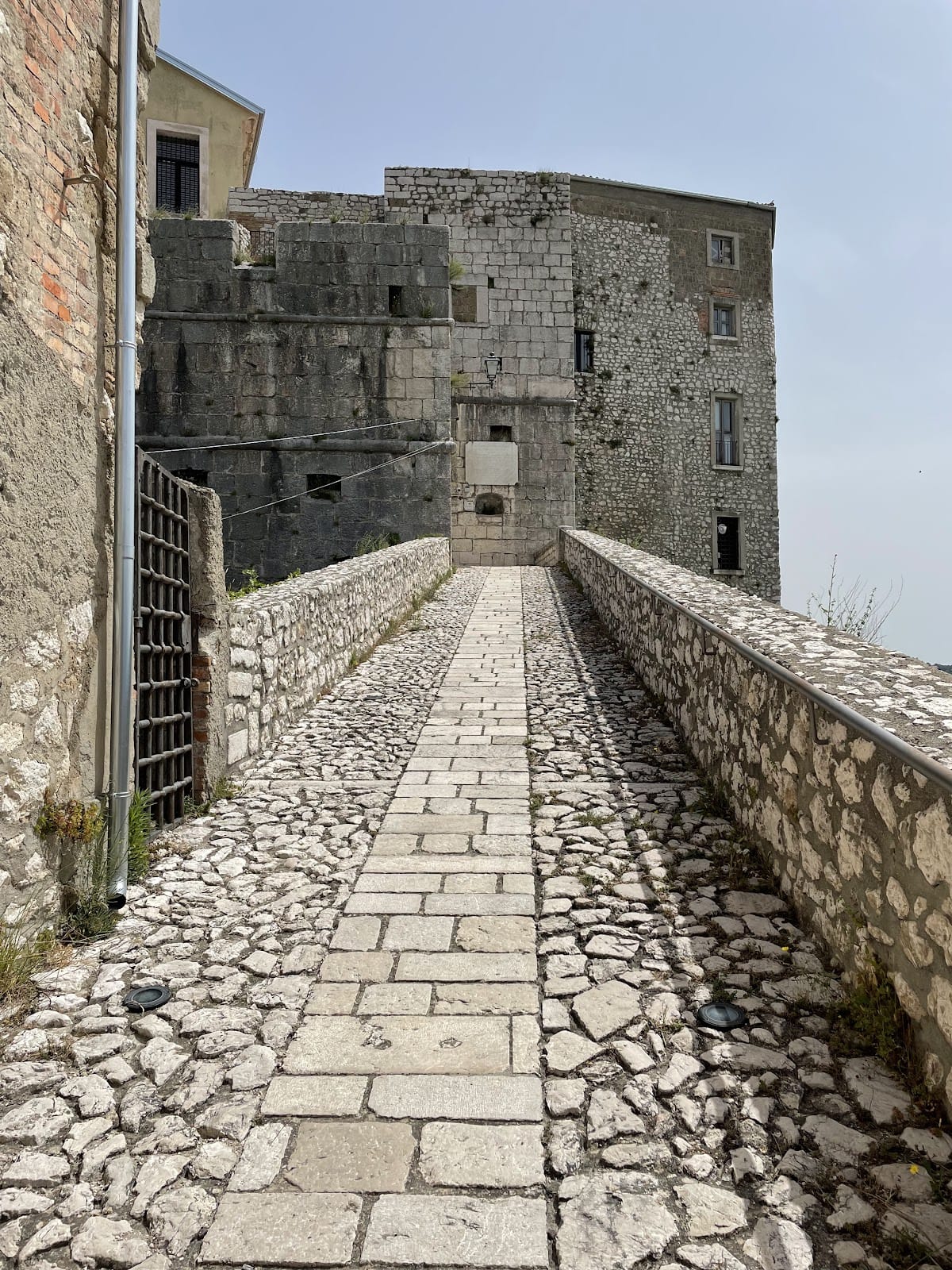
Surviving defensive features include the recesses that secured the drawbridge and the protective moat. Together with the walls and tower, these elements show how the hilltop position was organized as a connected military installation.
Prison and Museum Spaces
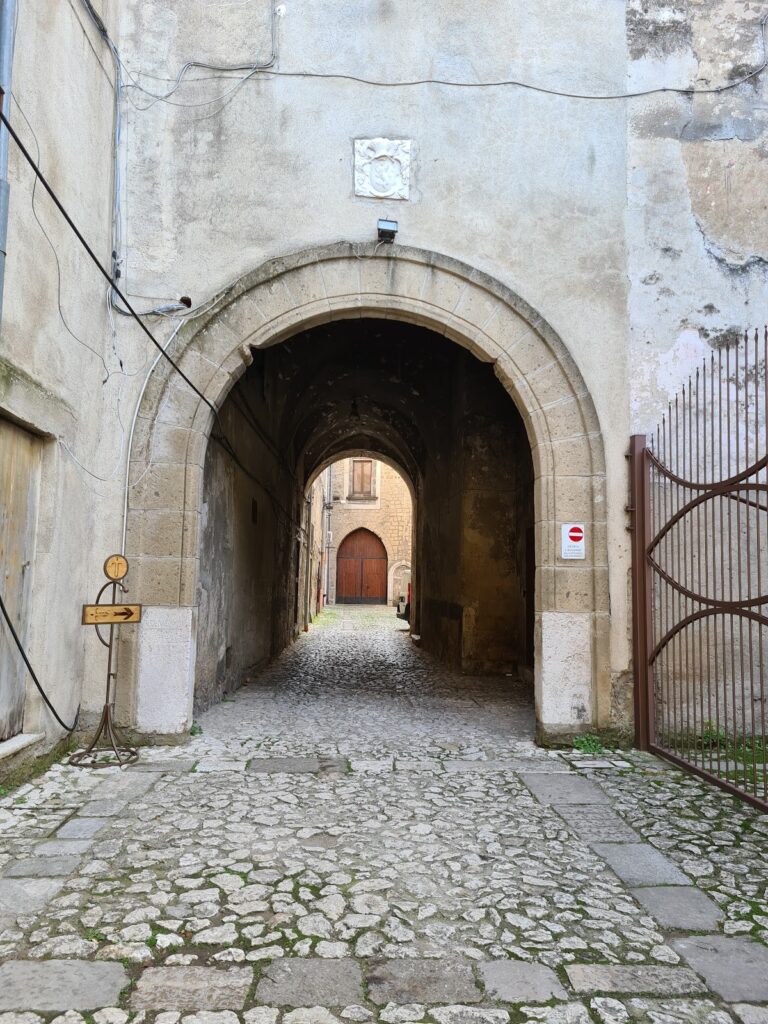
The former prison contains courtyard areas identified as spaces used by inmates. Inscriptions made by imprisoned patriots survive on the cell walls, linking the interior fabric of the building with its nineteenth-century penal history. A plaque at the entrance commemorates the passage of Gustaf Mauritz Armfelt, a Swedish-Finnish diplomat and military officer, in 1792.
The castle buildings now contain the archaeological museum and its collections from Caudium, Saticula, and Telesia. These ancient settlements belonged to the regional cultural world of the Caudines, a Samnite tribal group associated with the Caudina Valley.