Castello di Medusa: A Medieval Castle in Sardinia
Site at a Glance
- Rating
- 3.6
- Popularity
- Very Low
- Country
- Italy
- Primary era
- Medieval
- External website
- Open
- Eras represented
- Medieval
- Civilizations
- Unclassified
- Site type
- Military
- Remains
- Castle
On this page5 sections
History
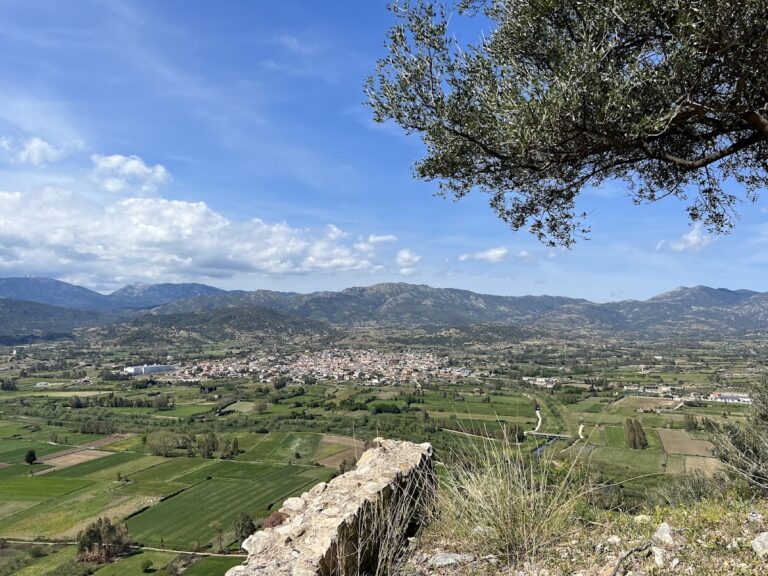
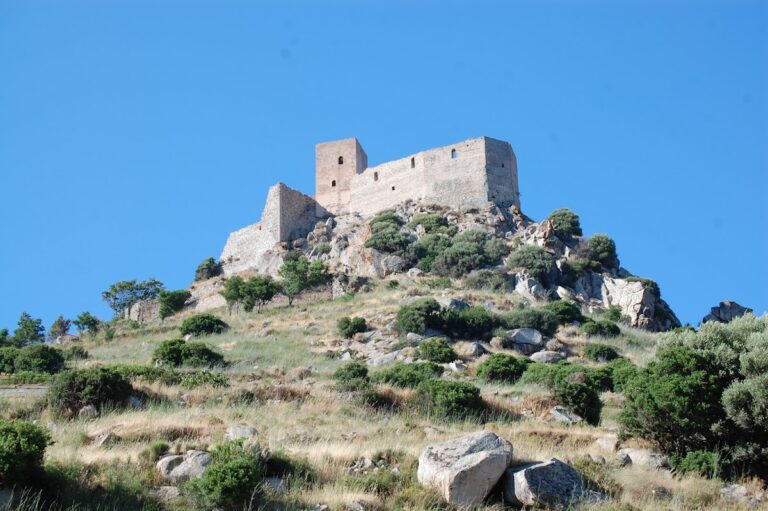
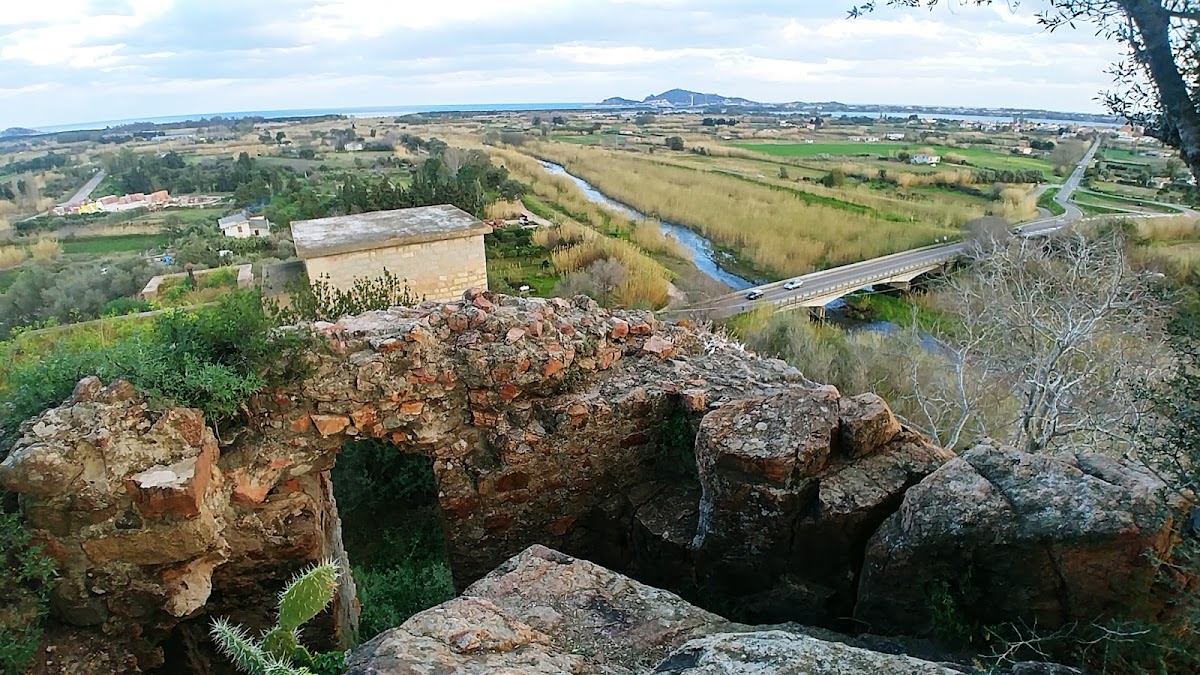
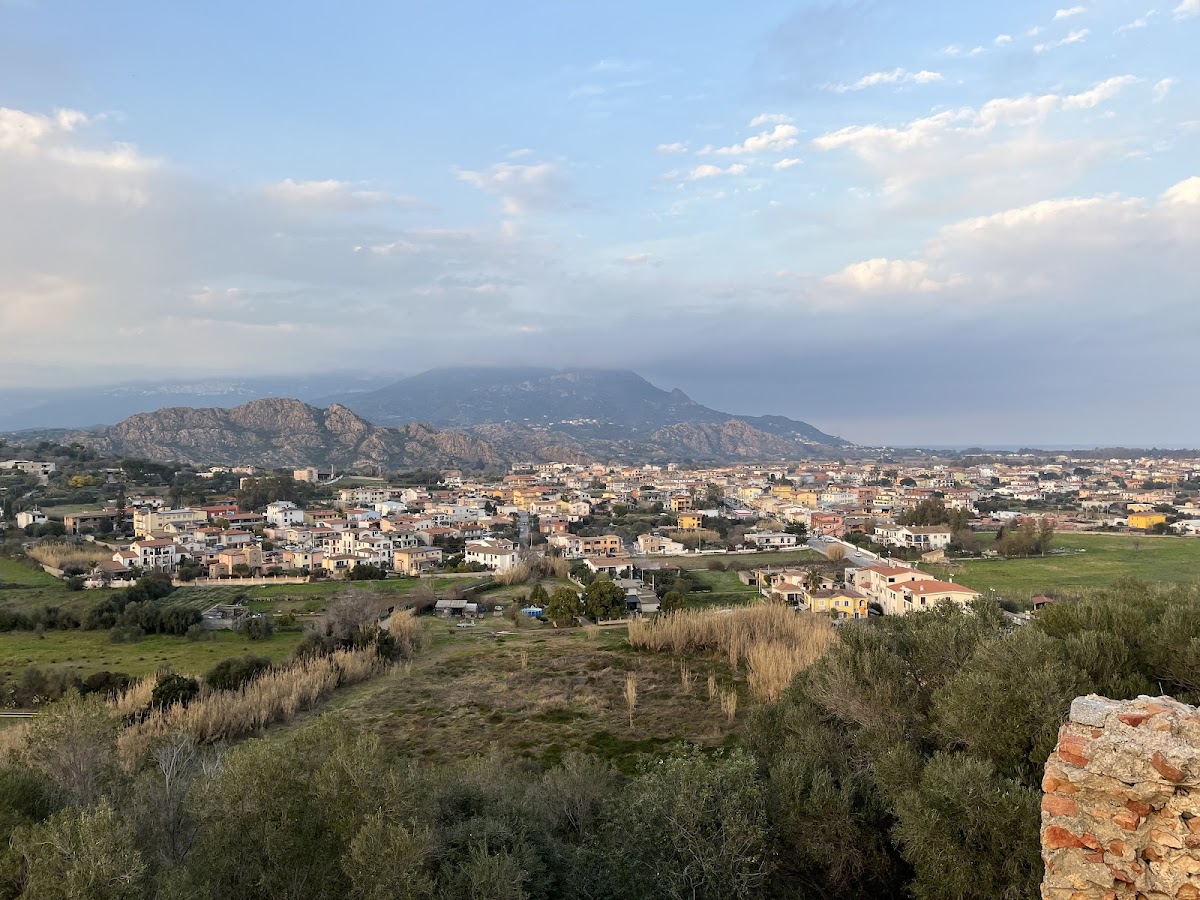
Castello di Medusa is a medieval castle in Italy, situated on a hill between Lotzorai and Girasole in Sardinia. Its position near the sea, the mouth of the Rio Girasole, and the edge of a fertile valley made it an important site in the medieval territory of Ogliastra.
A strategic site in medieval Ogliastra
The castle controlled a position where the river supported agriculture and provided a route toward the inland hills. The surrounding valley had already been used intensively from prehistoric times through later historical periods. Castello di Medusa stood near the boundary between the medieval giudicati of Gallura and Calari. A giudicato was an independent or partly independent Sardinian territory ruled by a giudice, a title that functioned more like that of a sovereign than a modern judge.
During the twelfth and thirteenth centuries, appeals from the papacy and from the Sardinian rulers encouraged Pisa and Genoa to cooperate against Saracen incursions. The Saracens were Muslim raiders and military forces active across the medieval Mediterranean. Their campaigns helped create conditions for deeper intervention by these maritime powers in Sardinia.
Pisan authority and destruction
In 1258, Ogliastra came under the authority of Giovanni Visconti, the Pisan judge of Gallura. The castle appears in written evidence in 1305 under the name castrum de Ollastro. Guglielmo di Ricoveranza, the political agent in Italy of the Aragonese king, listed it among the possessions of Giovanna Visconti, giudicessa and heir of Nino Visconti, a medieval Sardinian ruler of the Visconti family.
As Pisa prepared for an expected Aragonese invasion, it destroyed several Sardinian castles on 2 March 1308, including the castle of Ogliastra. Castello di Medusa may have been partly damaged or rebuilt soon afterward. Until 1323, it remained under the authority of a castellan, the official who administered or commanded a medieval castle, and a person exercising judicial or governing power in practice. The last recorded holder of this latter office was Piero Fini de Perlascio.
Traditions and historical status
The initial construction date is unknown. A local tradition attributed the castle to an unidentified Queen Medusa, whose identity had become part of legend. In 1841, Vittorio Angius, a Sardinian writer and geographer, reported another tradition that the castle had been built over the remains of a Punic-Roman temple. The Antonine Itinerary, a late Roman list of routes, stations, and settlements, placed a city called Sulci Orientale in this area. That settlement was distinct from the western Sulci at present-day Sant’Antioco.
Other local traditions tell of a Spanish princess from Navarre staying at the castle and of an underground passage running through the town to the river for use during emergencies. Castello di Medusa is designated Italian national heritage.
Remains
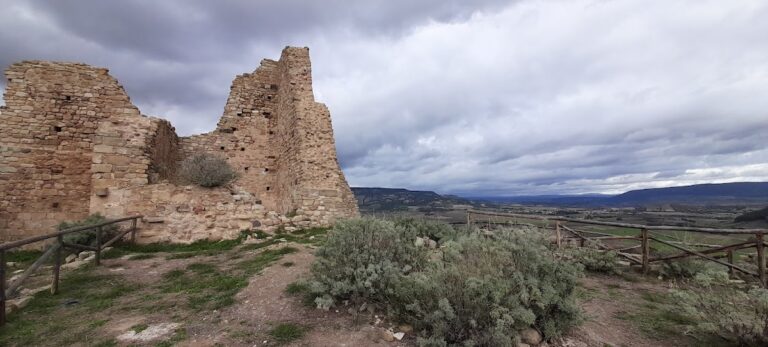
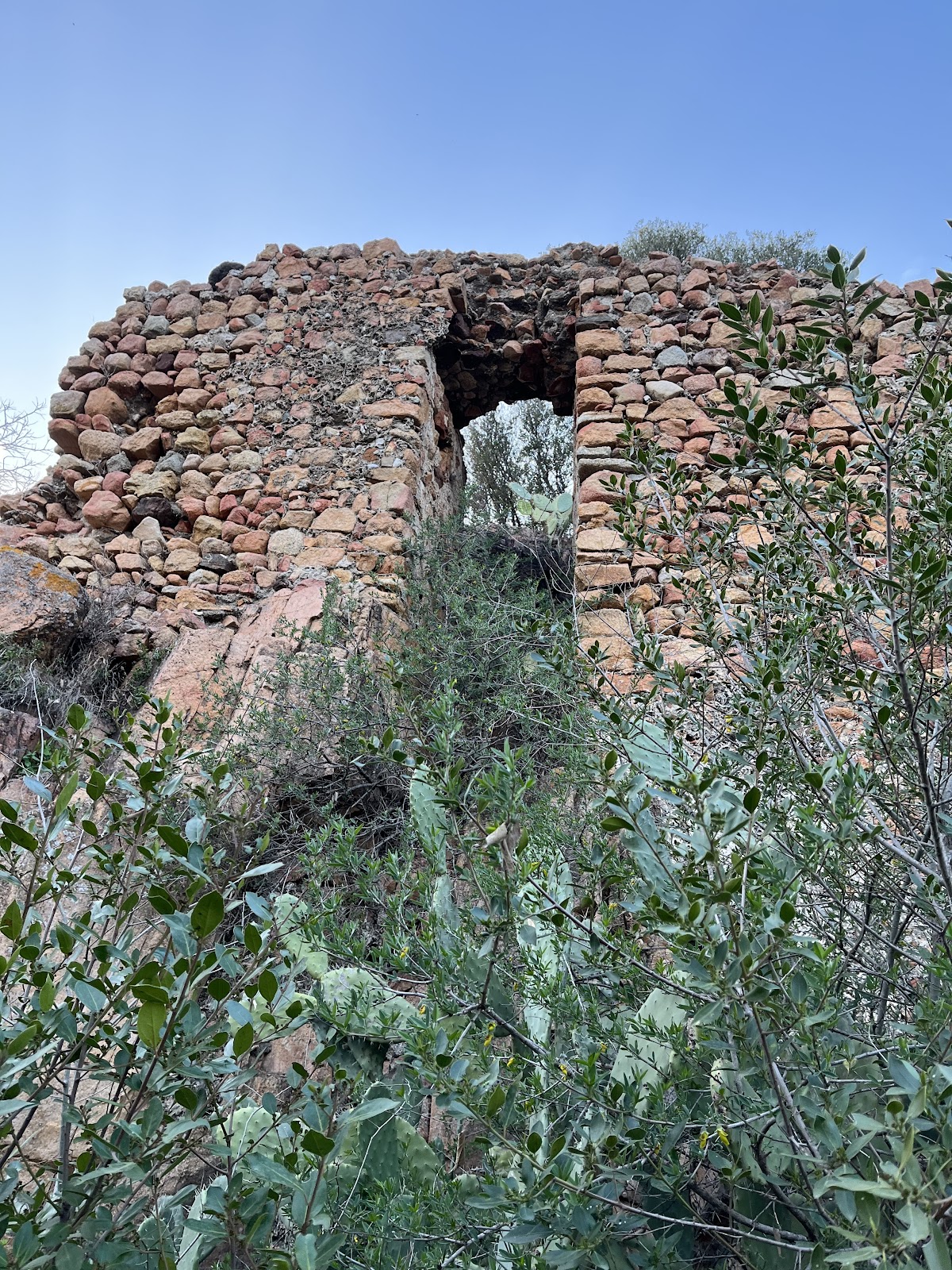
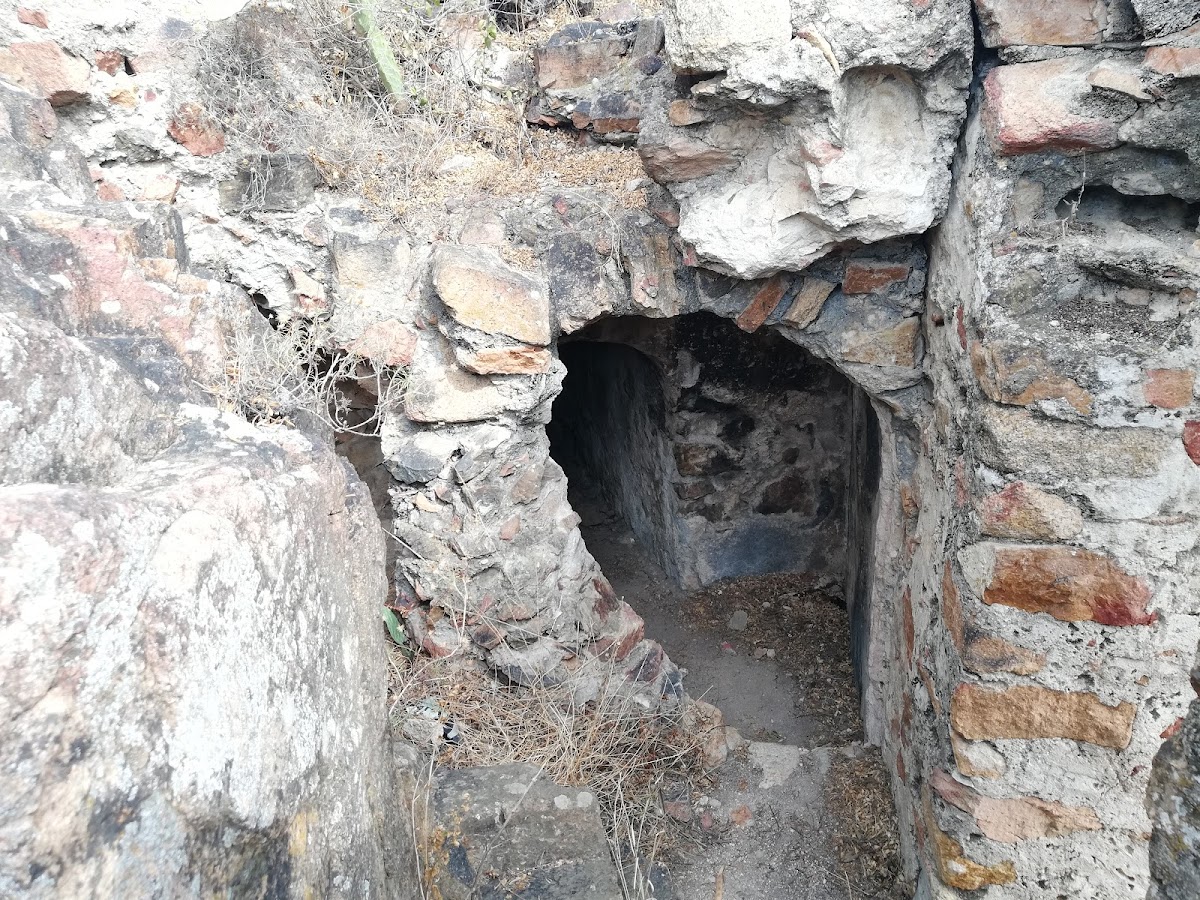
The surviving castle remains occupy a hill overlooking the valley enclosed by Baunei and Tortolì, with views toward the Lotzorai coastline. The hill stands near the mouth of the Rio Girasole, which flows below it. This elevated position supported observation and defense against attacks approaching by land or sea. The ruins are partly covered by vegetation and include the circuit of walls, which is in poor condition, together with the eastern facade. A surviving room retains a vaulted ceiling and white plaster, providing a more complete interior element within the fragmentary remains.