Castello di Casalmoro: A Historic Fortress and Farmstead Complex in Italy
Site at a Glance
- Rating
- 5
- Popularity
- Very Low
- Country
- Italy
- Primary era
- Medieval
- Eras represented
- Medieval, Early Modern
- Civilizations
- Duchy of Milan, Holy Roman Empire
- Site type
- Domestic
- Remains
- Elite Residence
On this page6 sections
History
Castello di Casalmoro is a historic complex in Italy, on the outskirts of Casalmoro in the province of Mantua. Its surviving central building dates from the first half of the fourteenth century, but it stands within the footprint of an older fortified site whose history was shaped by the rival powers of northern Italy. The complex is also known as Corte Castello and Cascina Castello, names preserved in the town’s Via Castello.
Medieval foundations and changing lordships
The site belonged to the Benedictine monks of Serle from the middle of the eleventh century. A defensive fortress was probably erected by Francesco I Gonzaga during the period when the Visconti, the ruling family of the Duchy of Milan, occupied Casalmoro. A moat supplied by the Fossa Regia, a canal that fed the defensive waterway, protected the stronghold.
In 1380 the fortress was sold to the Visconti for 30,000 ducats. It returned to the Gonzaga in 1389, together with the Asola district, and was sold to the Malatesta in 1405. In 1419 Francesco Bussone, known as Carmagnola, conquered Casalmoro for Filippo Maria Visconti, Duke of Milan. On 7 September that year, the population signed an act of submission to the lords of Milan.
The Gonzaga castle
Gianfrancesco Gonzaga later built a castle beside the pre-existing fortress at the community’s expense. It was intended to protect his subjects from attack and to serve as a hunting residence. In 1429 Francesco Foscari, doge of Venice, placed Casalmoro, then recorded as Casalismaurum, within the Brescian district of Asola. A peace treaty concluded in 1438 between the Visconti and the Gonzaga, who were then allied with Venice, definitively assigned Casalmoro to the Marquises of Mantua. In the same year, the Venetian commander Erasmo da Narni, known as Gattamelata, stayed at the castle with troops serving Venice.
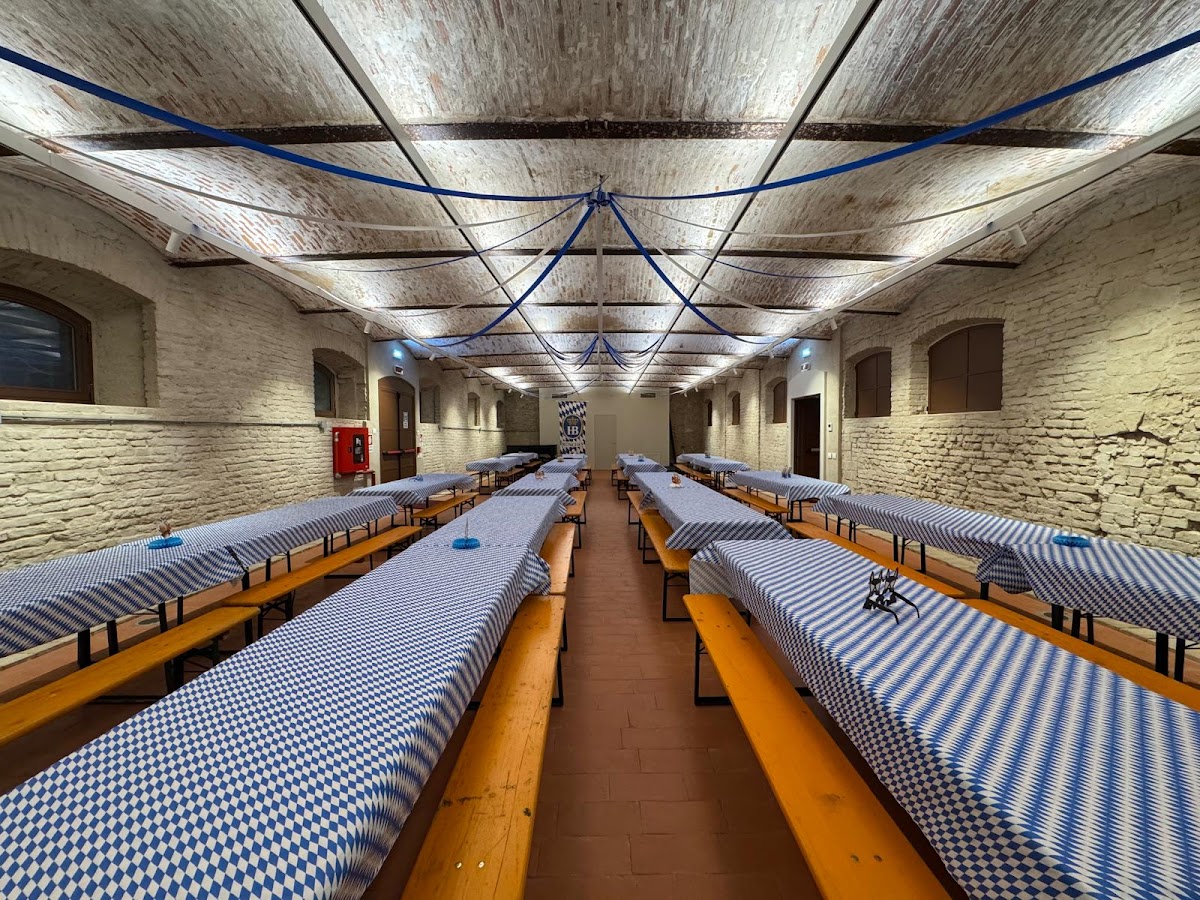
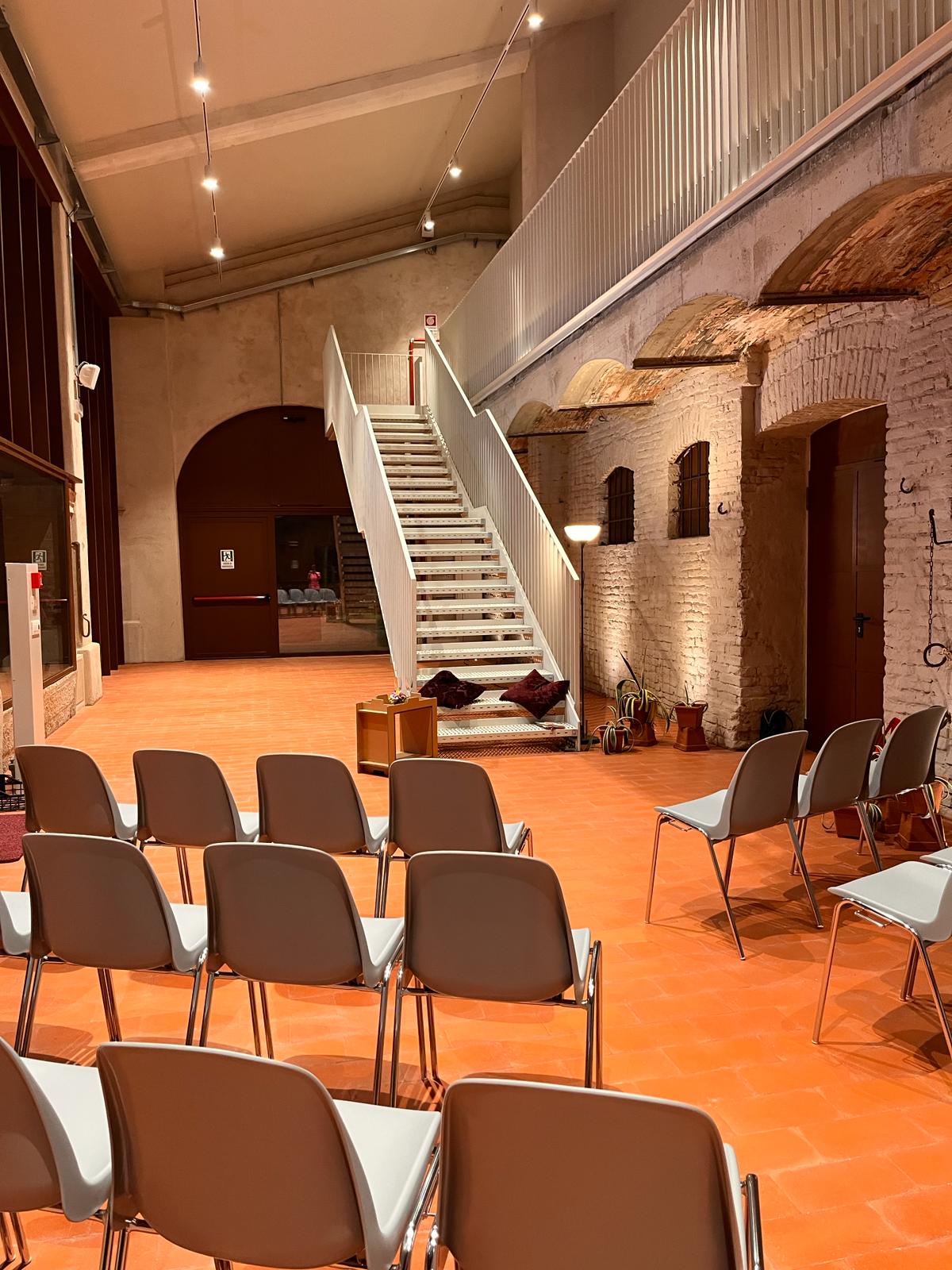
Casalmoro passed to the Gonzaga again on 10 August 1482. By 1541 the castle belonged to Alfonso Gonzaga, second Marquis of Castel Goffredo. Over the following centuries, the complex was adapted for agricultural use as a farmstead. Corte Castello underwent major restoration beginning in 2011, and the work was completed and inaugurated in spring 2018. The complex is partly in use and belongs to the Municipality of Casalmoro.
Remains
Fortified footprint and surviving buildings
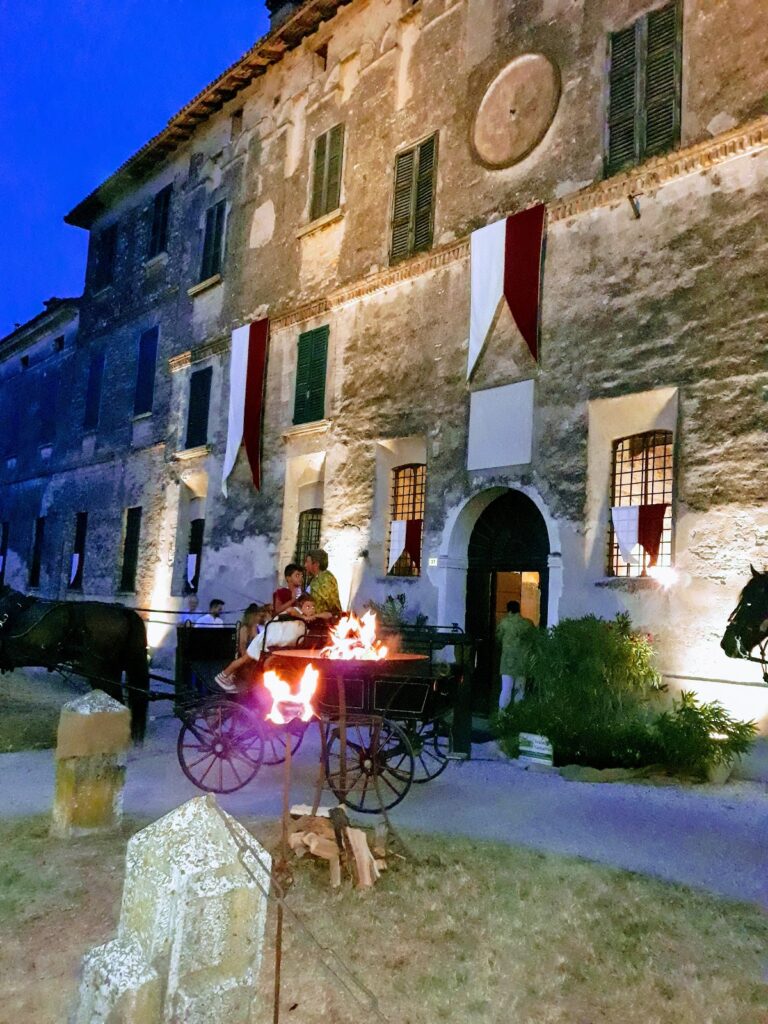
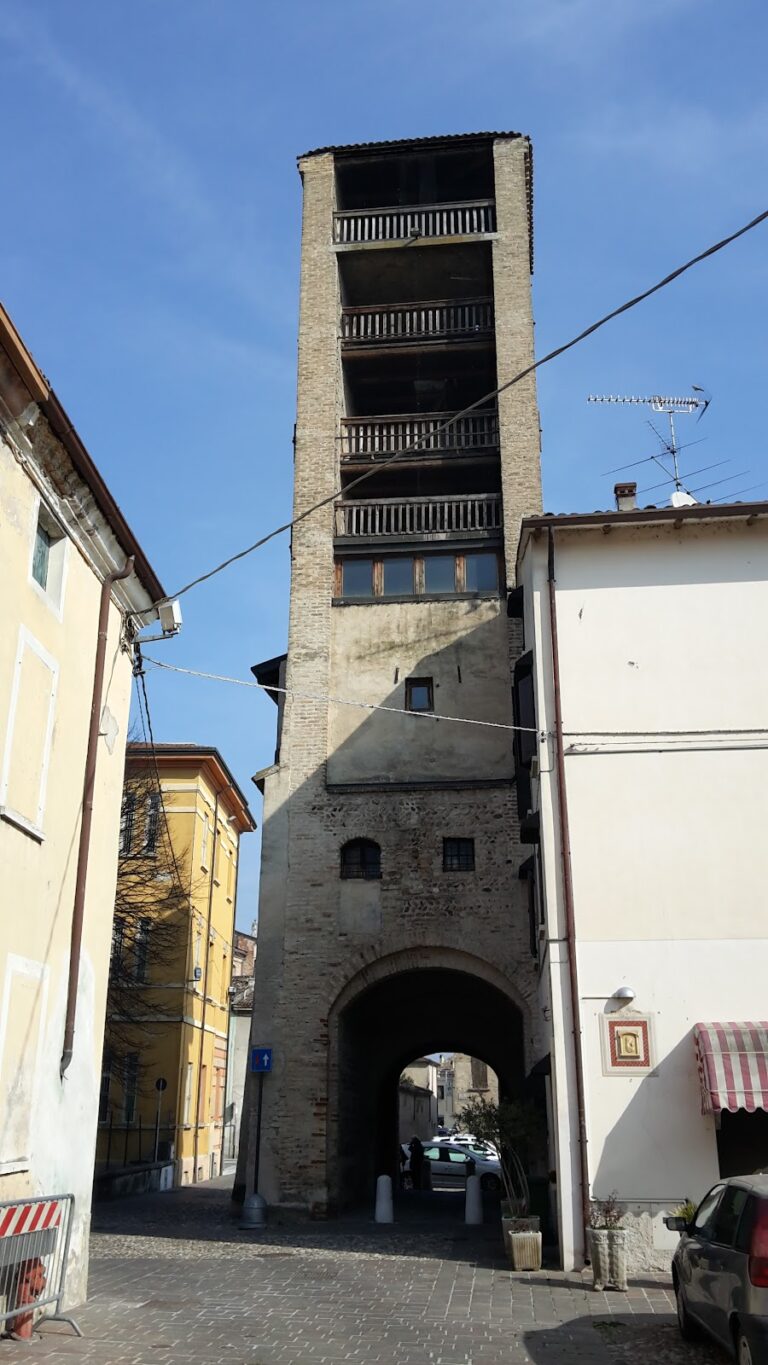
The present complex consists of a central building from the first half of the fourteenth century and several associated buildings added later. Mortar and brick are the principal construction materials. The buildings occupy the southwestern part of the wider castle area identified on seventeenth-century maps, while the earlier defensive fortress was associated with a moat fed by the Fossa Regia. The surviving structure is therefore not the original medieval castle, although the footprint of the military complex remained within the later arrangement.
Facade and painted decoration
The facade of the building known as Corte Castello dates from the second half of the fifteenth century and retains traces of fresco decoration. Its design has been tentatively attributed to Luca Fancelli, a Florentine architect who worked for the Gonzaga court, although the attribution has not been confirmed by documentary evidence.
Restoration revealed 42 painted ornamental tablets set within the ceiling structure on the first floor. They date from the beginning of the sixteenth century and include the coat of arms and emblems of Niccolò Orsini, Count of Pitigliano and a prominent military commander who served Venice. This heraldic imagery suggests that Corte Castello belonged to Orsini, who owned land at Asola and Ghedi. The building may have served as the residence of Orsini, his wife Guglielmina, and their children.