Castello di Mariana Mantovana: A Renaissance Border Fortification


Site at a Glance
- Rating
- 4.2
- Popularity
- Very Low
- Country
- Italy
- Primary era
- Medieval
- Eras represented
- Medieval
- Civilizations
- Unclassified
- Site type
- Military
- Remains
- Castle
On this page9 sections
History
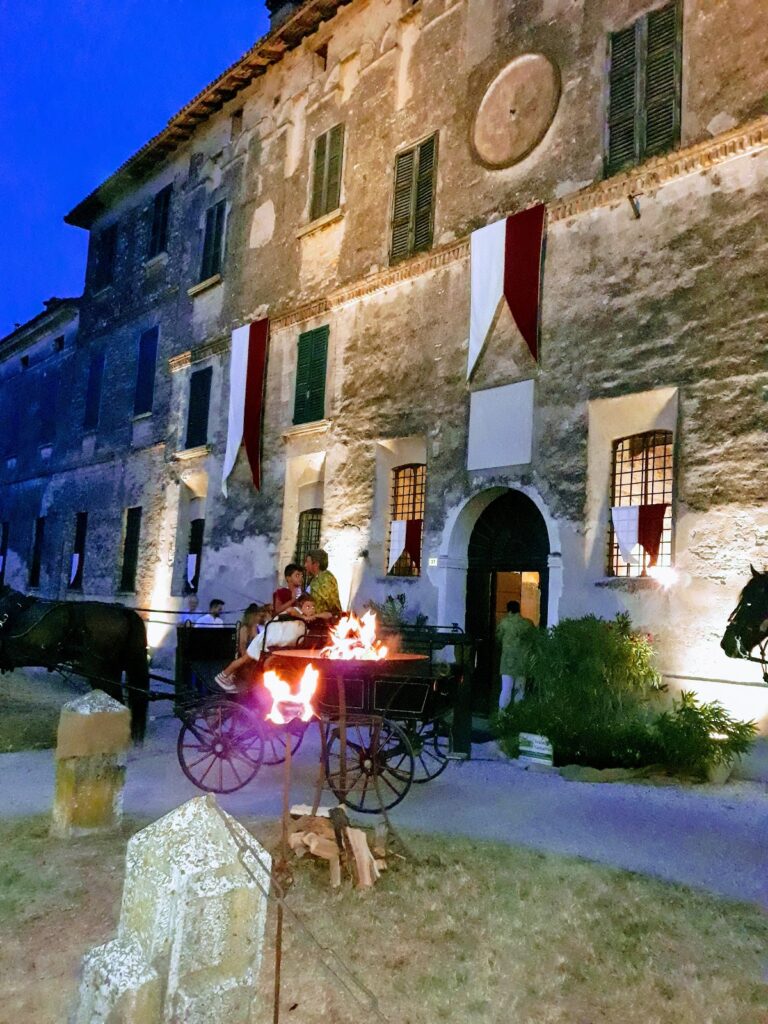
Castello di Mariana Mantovana is a medieval and Renaissance fortification in Italy. The present Renaissance castle was commissioned in 1475 by Ludovico III Gonzaga, marquis of Mantua, as a border outpost and fortified refuge for the Gonzaga dynasty. Its military role included skirmishes and guerrilla actions against Venetian troops stationed at Asola.
Medieval fortified enclosure
Mariana first appears in the historical record in 1033, followed by references in 1054, 1104, and 1180. The castle developed from a medieval castrum-ricetto, a fortified enclosure intended to shelter local people and store their goods. Rural counts from the Brescia area and the palatine counts of Lomello held the earlier castrum.
The earliest recorded evidence for a castle at Mariana appears in the Liber Potheris of the medieval commune of Brescia. A document dated 12 and 13 April 1215 repeatedly mentions the castle ditch, walls, and storage building. These references indicate an enclosed fortification that combined refuge with the storage of supplies and goods.
A parchment from May 1409 represents Mariana in a highly stylized form, while a sixteenth-century plan distinguishes the older settlement, or burgum, from the new castle. A document from 1461 also refers to a revelin, an advanced defensive work placed outside the main fortification and commonly protected by its own ditch.
Gonzaga reconstruction
The surviving remains are generally associated with the middle of the fifteenth century. The Renaissance rebuilding commissioned in 1475 placed the fortification within the territorial and political system of the Gonzaga, the ruling dynasty of Mantua. Giovanni da Padova was assigned responsibility for its design.
The castle served both as a defensive position and as a refuge on the Gonzaga frontier. Its position involved it in fighting connected with Venetian forces based at Asola, including small-scale attacks and irregular military actions.
Demolition and protection
The castle was demolished in stages during the nineteenth and twentieth centuries. The ditch in front of the tower was definitively filled at the beginning of the twentieth century. The remaining complex is owned by the Municipality of Mariana Mantovana and is protected as Italian national heritage.
Remains
The fortification had a rectangular plan and combined masonry defenses with earthworks and timber construction. The southern side contained the main carriage entrance, a smaller pedestrian postern, and a masonry tower. The other sides consisted of earth ramparts, probably topped by a wooden palisade. The surviving complex is in good condition.
Enclosure and earthworks
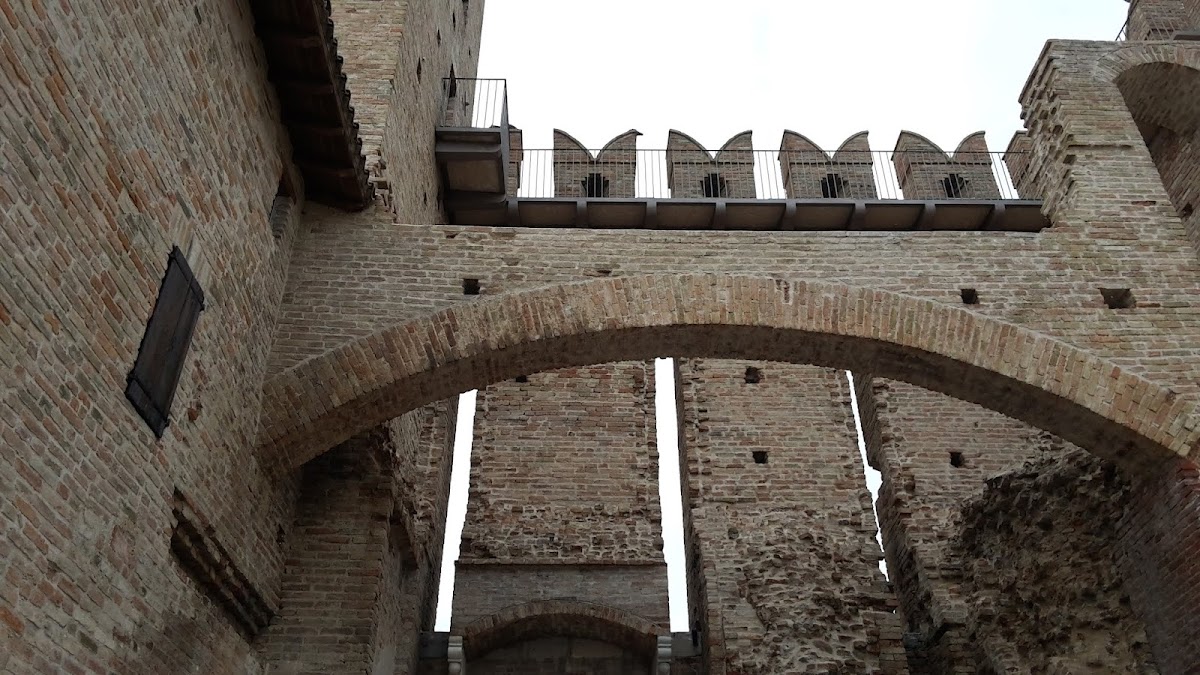
The original castle was surrounded by a defensive ditch. Openings for the lifting beams of the drawbridges remain at both the principal entrance and the postern, preserving direct evidence of the former bridges and their relationship to the ditch.
Maps from 1775 and 1857 show a second ditch along the southern side and almost the entire western side of the rectangular enclosure. With the associated earthworks, it formed a small peninsula in front of the main entrance. These features show how the castle’s earthen defenses extended beyond its masonry structures.
Masonry towers and entrance
Bell tower
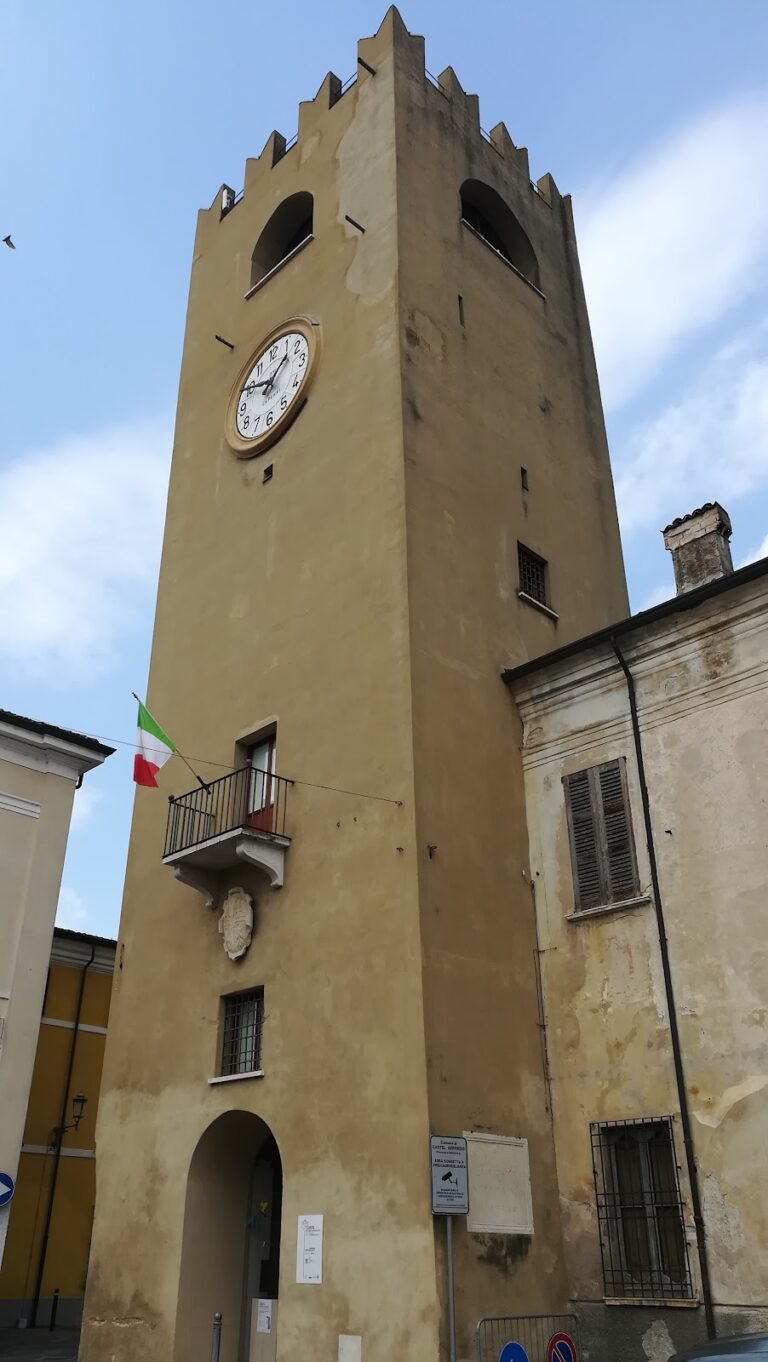
An intact quadrangular bell tower forms part of the surviving complex. It is built of brick and represents one of the preserved masonry elements of the former defensive enclosure.
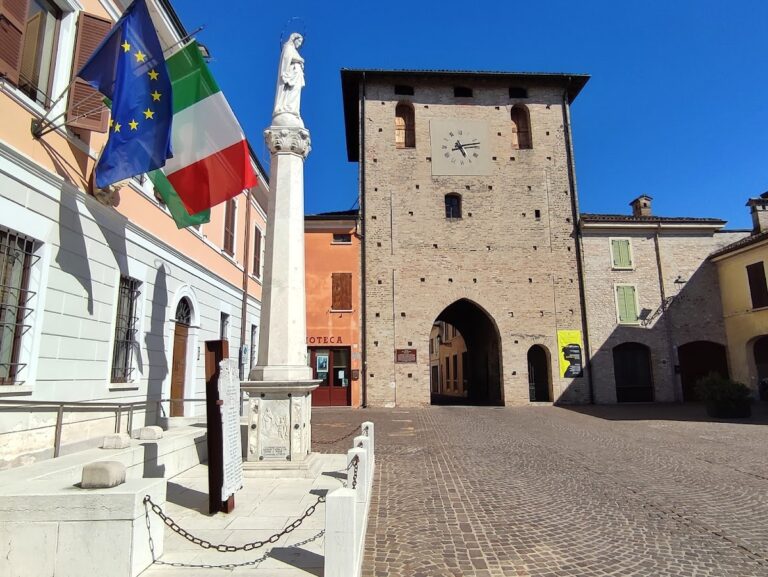
Gate tower and entrance
The intact gate tower retains the openings that held the lifting beams of the drawbridge. Beside the entrance, a plaque bears a rampant lion, a Faroni family inscription, and the date 1466. Together, the gate tower, the main carriage entrance, and the nearby pedestrian postern preserve the principal surviving elements of the southern defensive front.