Castell de Biure: A Historic Castle-Palace in Tarragona, Spain
Site at a Glance
- Rating
- 4
- Popularity
- Very Low
- Country
- Spain
- Primary era
- Modern
- External website
- Open
- Eras represented
- Medieval, Modern
- Civilizations
- Spanish
- Site type
- Domestic
- Remains
- Castle
On this page10 sections
History
Medieval origins and feudal lordship
Castell de Biure is a castle-palace in Spain, at Biure de Gaià in the municipality of Les Piles, Tarragona. The settlement, then known as Benviure, was organized during the eleventh century and was initially associated with the castle of Montclar. In 1033, Bernat Sendred of Gurb purchased the territory of Montclar from Arnau Odó.
In 1057, Bernat Sendred’s son Oliver Bernat, a knight, and his wife granted Montclar and Benviure to Ramon Arnau. Half of the territory was held as allodial land, meaning land possessed freely, while the other half was granted as a fief in return for obligations or service. The agreement required a tower and other buildings to be erected within seven years. Within fourteen years, a stone-and-lime soler, a constructed floor or building platform, and another work were also to be completed in Benviure.
In 1072, Oliver Bernat sold Montclar, Biure, and Les Piles to Ramon Berenguer I, count of Barcelona, who entrusted them back to Oliver. That year, Biure appears in connection with Oliver’s office as castellan, the official responsible for administering and defending the castles of Biure, Les Piles, and Montclar.
Lineages and the Hospitallers
By the end of the eleventh century, the territory was associated with the Cervelló lineage, which remained present in the written record until the mid-twelfth century. The local Biure family appears from the second half of the twelfth century. In 1184, Arnau de Biure, son and heir of Jofre de Biure and grandson of Oliver Bernat, swore homage to the king for the place of Biure.
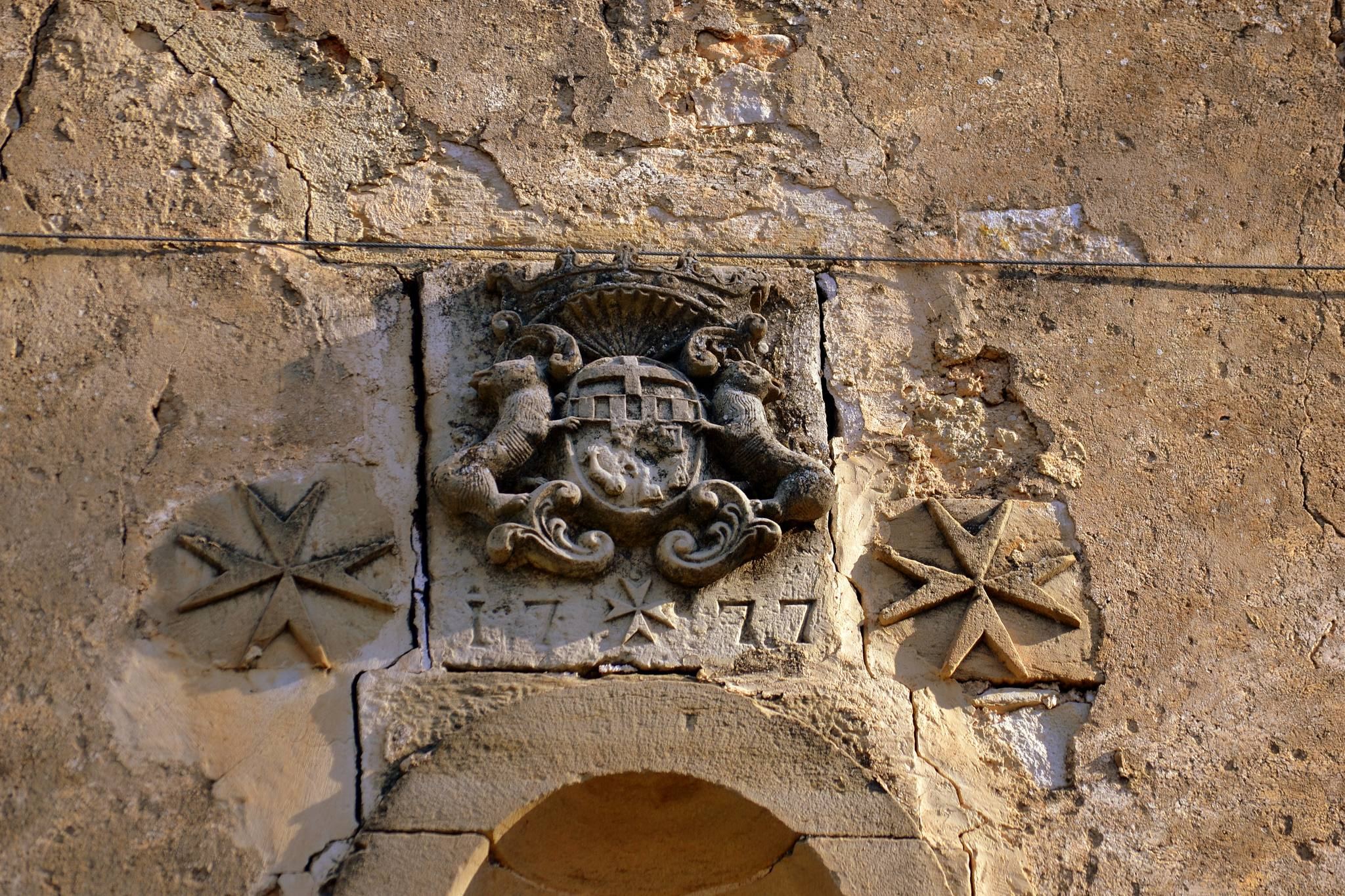
Religious institutions also gained rights in the territory during this period. In 1151, Guillem d’Aguiló donated his tithes at the castle to the Order of the Hospital. A tithe was a customary payment, often based on one-tenth of produce or income, made to a religious institution. In 1152, Guillem and his wife Maalt granted the order further rights over bread, wine, and meat. After Maalt was widowed in 1172, she and her children entered the order, strengthening the Hospitallers’ position at Biure. By the end of the twelfth century, the order had established a religious house at the castle.
In 1181, Bernat de Benviure and his wife Dolça gave the Hospitallers of Cervera half of the tithe they held at Biure. The Aguiló family was the order’s principal benefactor in the territory during this period. Guillem d’Aguiló later pledged the castle and village to the Order of the Hospital in 1241, and the order acquired them definitively in 1245.
Hospitaller administration
With twenty households, Biure became a priorate of the Order of Saint John of Jerusalem, also known as the Hospitallers. A priorate was a religious house or territorial administration governed by a prior. In 1277, the order completed its possession of the site by purchasing all remaining rights at the castle from Galcerà de Puigvert and his wife Elisenda.
The Hospitallers’ control expanded beyond landholding. In 1380, Guillem de Guimerà, Grand Prior of Catalonia, purchased civil and criminal jurisdiction from the infante Joan. The order’s lordship continued until the eighteenth century. The 1379 census of the Corts of Cervera, a medieval Catalan representative assembly, recorded eighteen families at Biure.
Transformation into a castle-palace
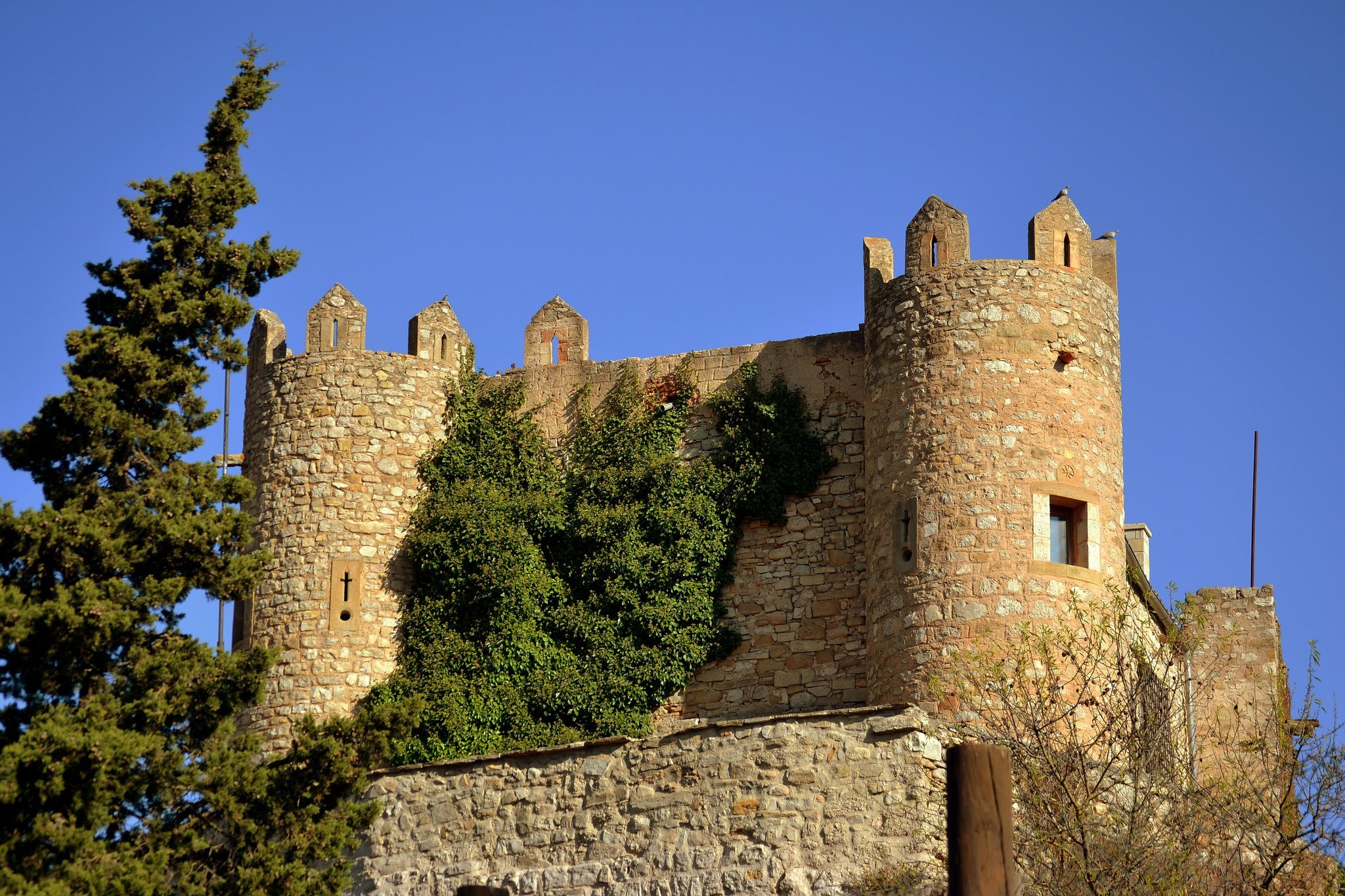
By the mid-nineteenth century, Biure formed a municipality with Les Piles, and their combined population was recorded as approximately five hundred residents. The castle later passed to the viscounts of Bell-lloc. At the beginning of the twentieth century, they ordered a total remodeling that replaced the earlier fortress with the present castle-palace, conceived in an architectural historicist manner while retaining Romanesque elements.
The castle is protected as a Cultural Asset of National Interest and classified as a historic monument. It is currently a private residence.
Remains
Castle and defensive enclosure
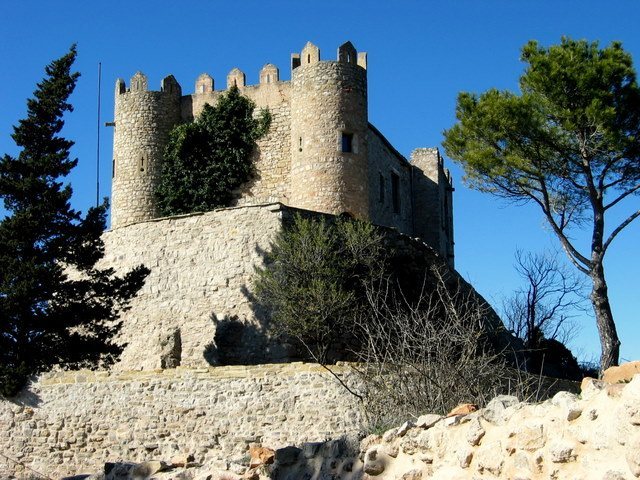
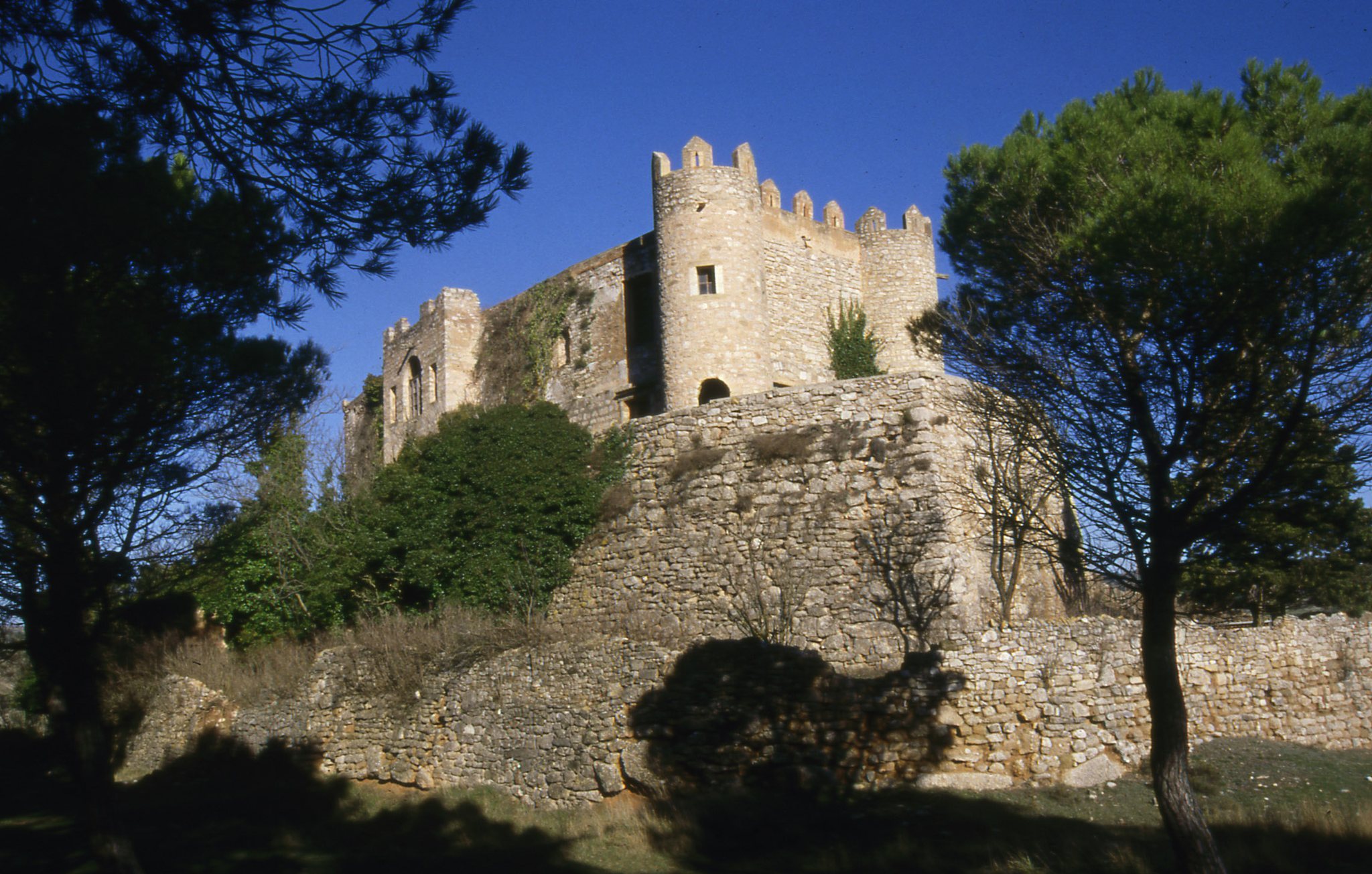
Castell de Biure stands at approximately 658 metres above sea level at Biure de Gaià, within Les Piles in the Conca de Barberà. The present complex occupies the site of an earlier rectangular fortress. Its architectural character combines surviving Romanesque elements with the historicist design introduced during the early twentieth-century reconstruction.
Castle-palace
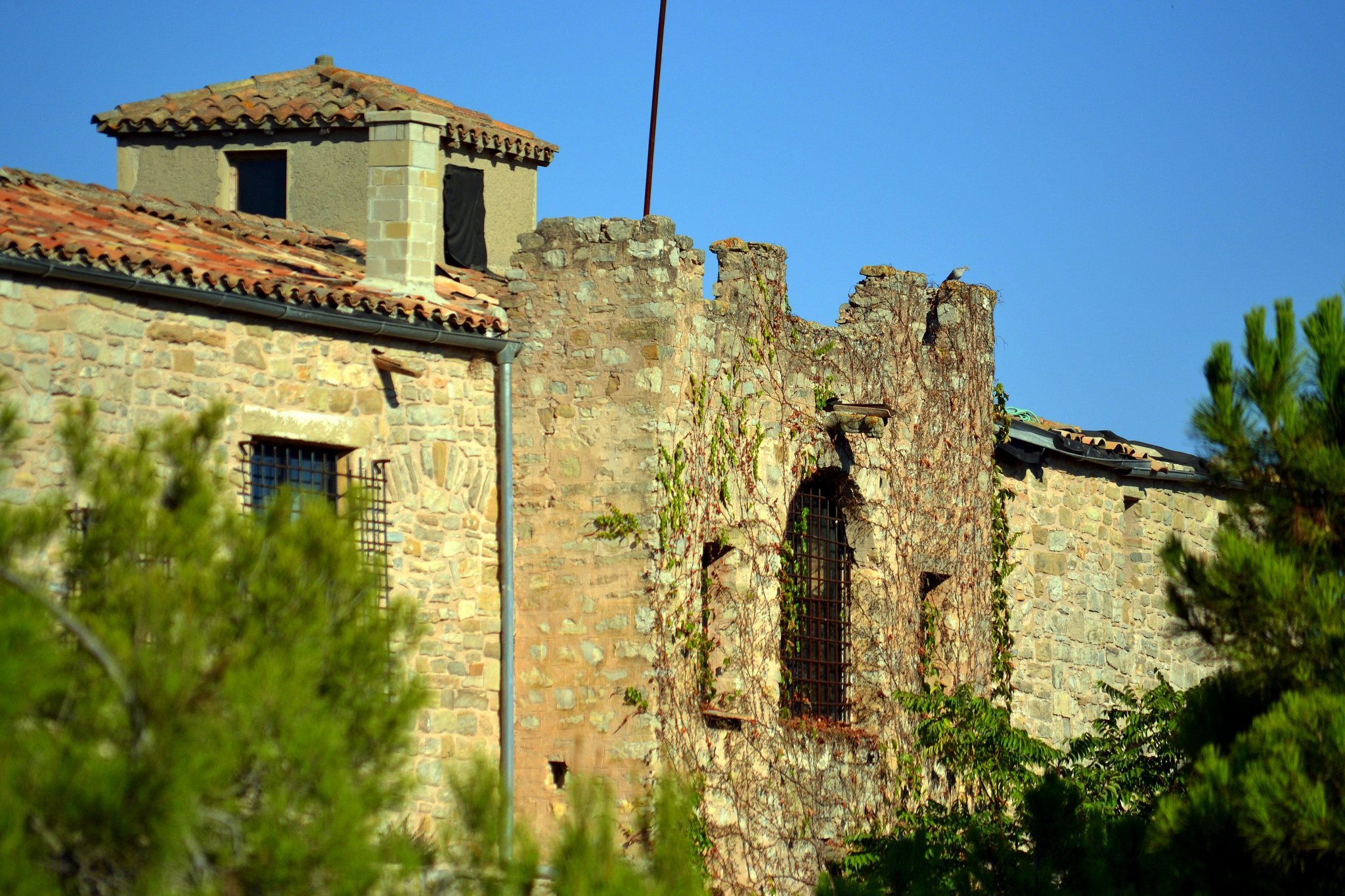
The modern building was created through a complete replacement of the earlier fortification. Its corner towers, crenellations, large Neo-Gothic windows, balconies, windows, and portals belong to the historicist reconstruction rather than to the medieval fortress. The present building serves as a private residence, and its interior is not open to visitors.
Defensive wall and access
The upper perimeter of the earlier defensive wall and the fortified access system were preserved during the reconstruction. A wall surrounds the castle hill and acts as a retaining wall between the higher ground and the foot of the hill. Although lowered in modern times, it corresponds to the castle’s earlier defensive wall.
Reused building material
Castell de Biure also contributed material to another local fortress. In 1569, the castle of Conesa was built with dressed stone taken from Castell de Biure. Conesa was a separate castle, and the reuse of Biure’s stone forms part of the later material history of the site.