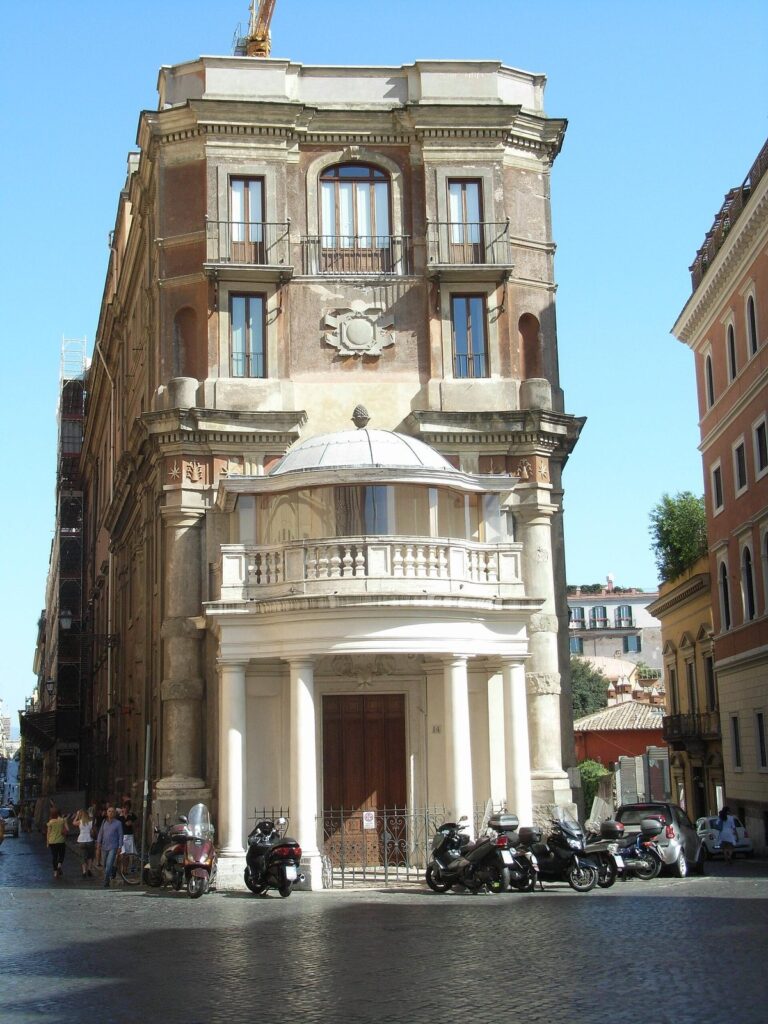
Cappella dei Re Magi: A Baroque Chapel for Propaganda Fide
Site at a Glance
- Popularity
- Medium
- Country
- Italy
- Primary era
- Early Modern
- Eras represented
- Early Modern
- Civilizations
- Papal States
- Site type
- Religious
- Remains
- Chapel
On this page11 sections
History
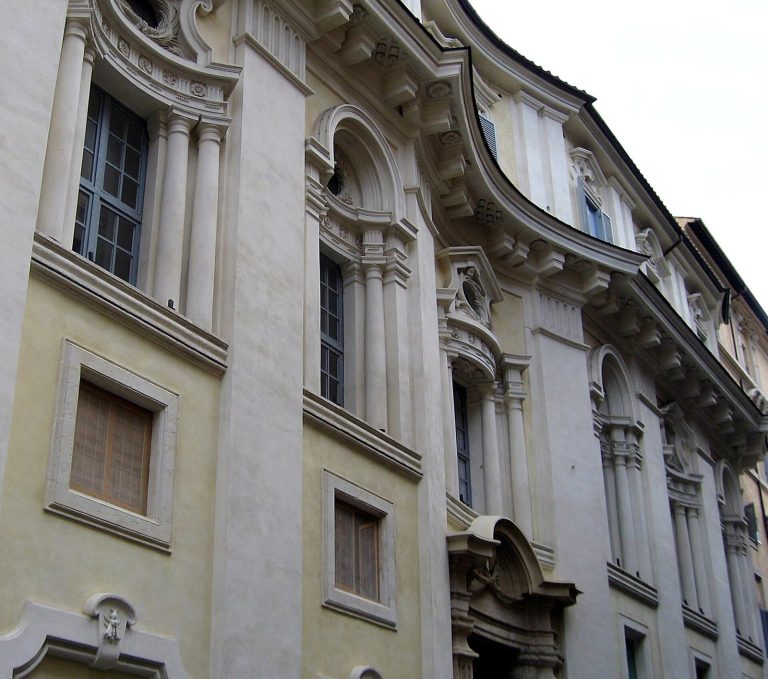
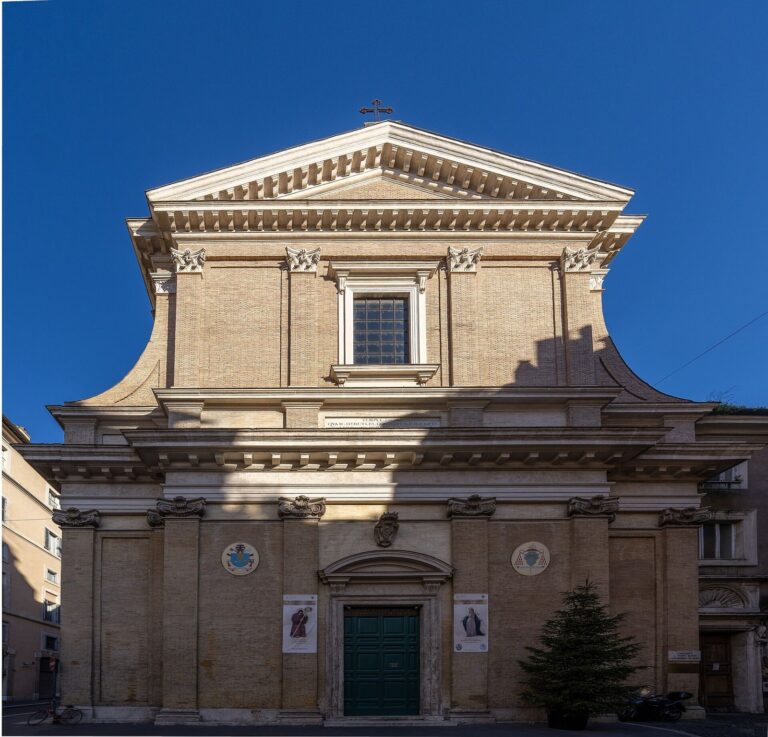
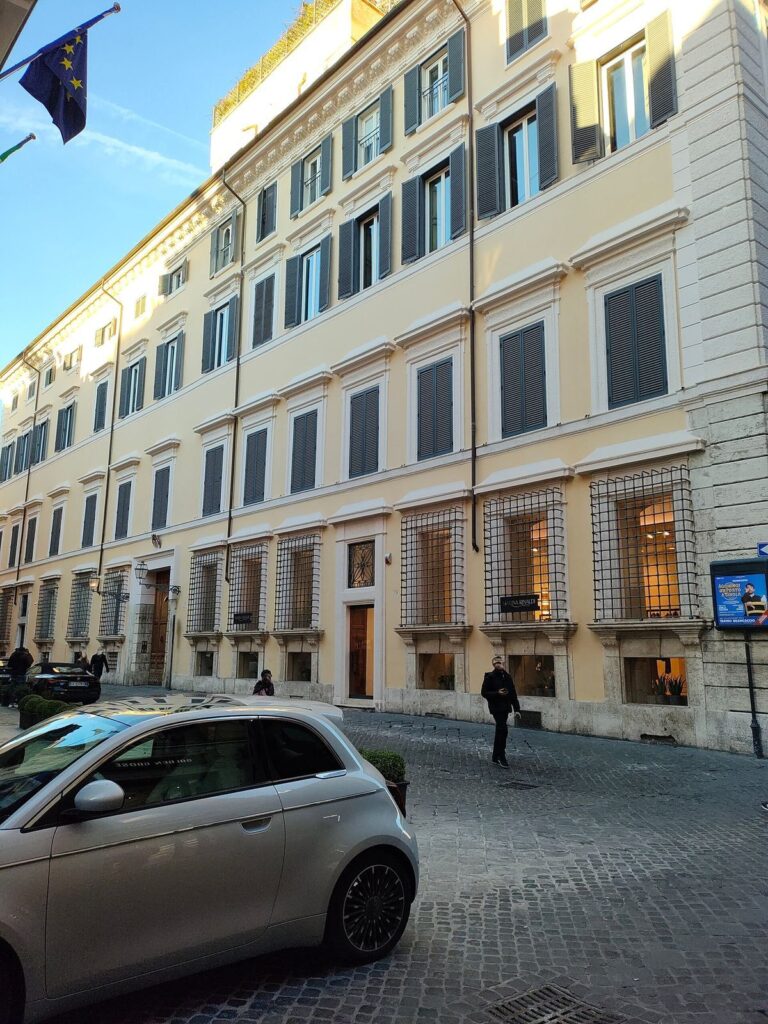
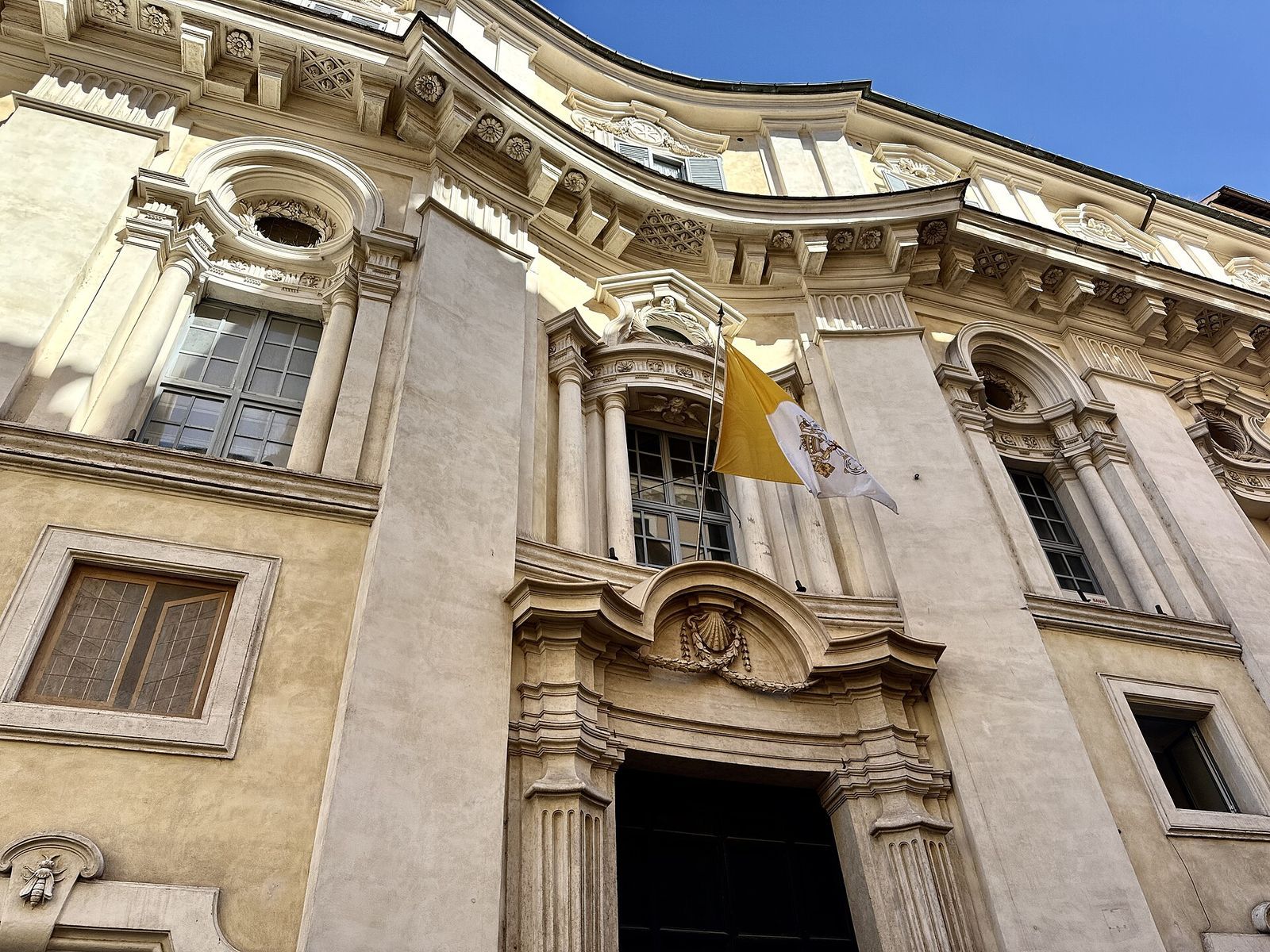
The Cappella dei Re Magi is a Baroque chapel inside Palazzo di Propaganda Fide in Rome, Italy, rebuilt by the Italian architect Francesco Borromini between 1662 and 1664. The palace served as the headquarters of Propaganda Fide, the Catholic Church institution responsible for coordinating missionary work. The chapel’s dedication to the Magi linked it to the institution’s mission to evangelize peoples around the world.
Bernini’s first design
Propaganda Fide was founded in 1622. Pope Urban VIII commissioned Gian Lorenzo Bernini to adapt an existing Renaissance palace for the institution. In 1634, Bernini designed an oval chapel, which was built during the palace’s reconstruction. Cardinal Antonio Barberini proposed dedicating it to the Magi, visitors to the infant Jesus in the Christian Nativity story. Regarded as the first non-Jewish converts to Christianity, they represented the congregation’s missionary purpose.
Borromini’s rebuilding
After Pope Innocent X took office, responsibility for the work passed from Bernini to Borromini. The first chapel was demolished in 1644 as Borromini took charge of completing the palace. He later reorganized the entire block and rebuilt the chapel between 1662 and 1664. Its interior was finished in 1665, while decoration continued afterward; the stucco work was completed after Borromini’s death. Paintings from Bernini’s earlier chapel were transferred to the rebuilt one.
Consecration and later work
The chapel was consecrated on 18 April 1729. It is Roman Catholic, belongs to the Diocese of Rome, and follows the Roman rite, the Latin Church’s principal liturgical tradition. Architect Andrea Busiri Vici renovated it in the 1880s. During a 1955 restoration by Clemente Busiri Vici, a nineteenth-century faux-marble decoration was removed.
Remains
The chapel interior
Plan and structure
This small chapel occupies part of Palazzo di Propaganda Fide in Rome’s historic Colonna district and faces Via di Propaganda. Its rectangular plan has rounded corners, a form compared with Borromini’s Oratorio dei Filippini, dated 1650. That Roman religious building was associated with the Oratorians, a Catholic community devoted to prayer and pastoral work. Large, flat wall supports, or pilasters, rise to Composite capitals that combine Ionic and Corinthian forms. The ceiling has a circular opening called an oculus and lunette windows with curved upper edges.
High altar
Giacinto Gimignani’s Adoration of the Magi, painted in 1634, occupies the high altar. Above it is Lazzaro Baldi’s Mission of the Apostles. Both works belong to the group of paintings transferred from Bernini’s earlier chapel.
Side chapels
Four side chapels are arranged two on each side. Carlo Pellegrini’s Conversion of Saint Paul (1635) is in the first chapel on the right, while the second holds Carlo Cesi’s altarpiece of Saints Charles Borromeo and Philip Neri. On the left, the first chapel contains Andrea Camassei’s Christ Calls Andrew and Peter, based on a work by Giorgio Vasari. Ludovico Gemignani’s Saints Francis Xavier and Francis de Sales Adoring the Crucified Christ is in the second.
Sculptural decoration and portraits
Above the altar painting is the coat of arms of Pope Alexander VII, flanked by allegorical figures of Faith and Religion made by the sculptor Cosimo Fancelli. Six busts portray benefactors of the congregation: Antonio Barberini, Joan Baptista Vives, Agostino Galamini, Johannes Savenier, Federico Cornaro, and Roberto Ubaldini.
Newman’s private chapel
The palace also contains a separate private chapel dedicated to Saint John Henry Newman, an English theologian who became a Catholic priest and cardinal. Newman celebrated his first Mass there.