Ayasuluk Citadel: A Byzantine and Seljuk Hilltop Fortress
Site at a Glance
- Popularity
- Medium
- Country
- Turkey
- Primary era
- Medieval
- Eras represented
- Medieval
- Civilizations
- Byzantine, Seljuk
- Site type
- Military
- Remains
- Citadel
On this page6 sections
History
Early settlement and Byzantine fortress
The slope of Ayasoluk Hill may have held the earliest settlement associated with Ephesus. Whether this settlement was Apasa, named in Hittite records as a temporary capital of Arzawa, remains debated. The Hittites were an ancient Anatolian people, and Arzawa was a political entity in western Anatolia.
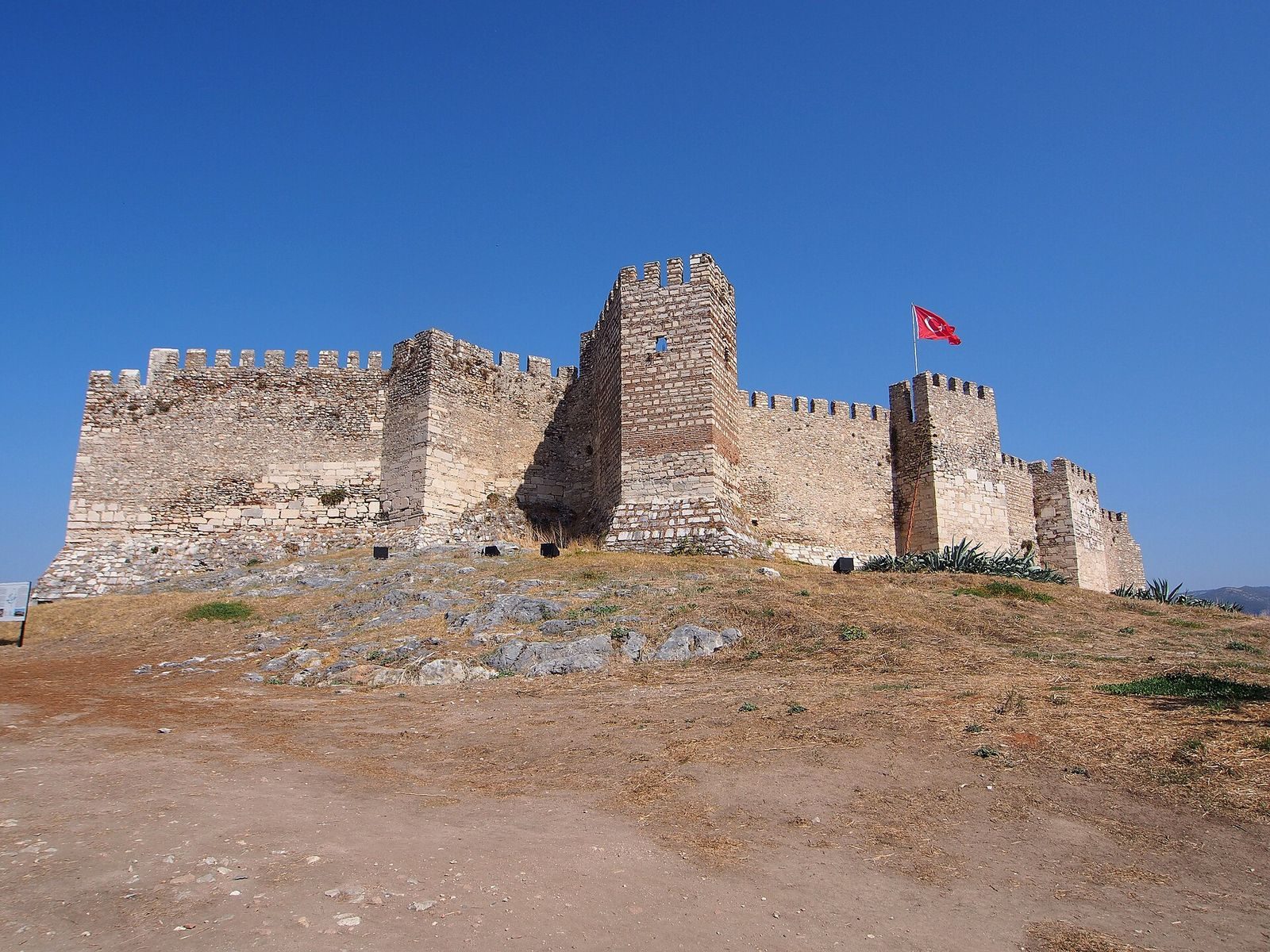
Ayasuluk Citadel is a hilltop fortress on Ayasoluk Hill in Selçuk, Turkey. Its exact construction date is uncertain, but it is attributed to the Byzantine period, probably the sixth century. The Byzantine Empire was the eastern continuation of the Roman Empire.
Resettlement and Seljuk rule
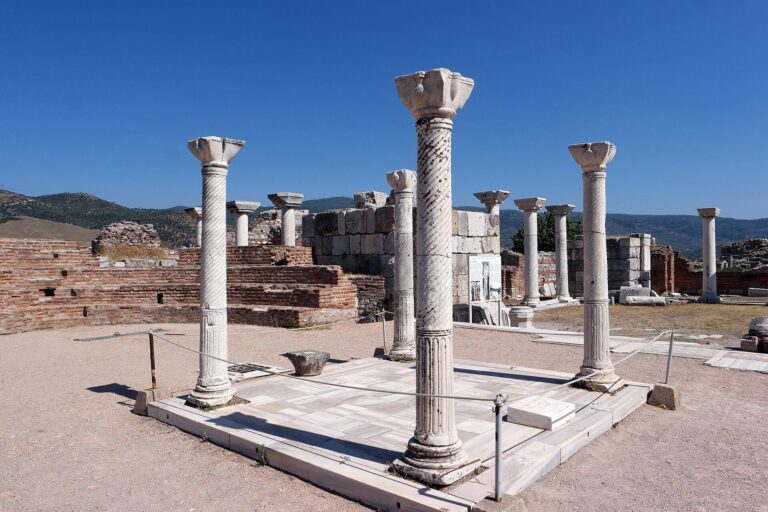
In the seventh century, after Ephesus’s harbor had repeatedly silted up and Arab incursions threatened the city, the Byzantines moved the settlement again to the area around Ayasoluk Hill. The Church of St John had been built there in the sixth century. The Seljuks, a medieval dynasty that ruled parts of the Middle East and Anatolia, later took control of the city and fortress, transforming the castle into a combined Byzantine-Seljuk complex.
Remains
Enclosure and defenses
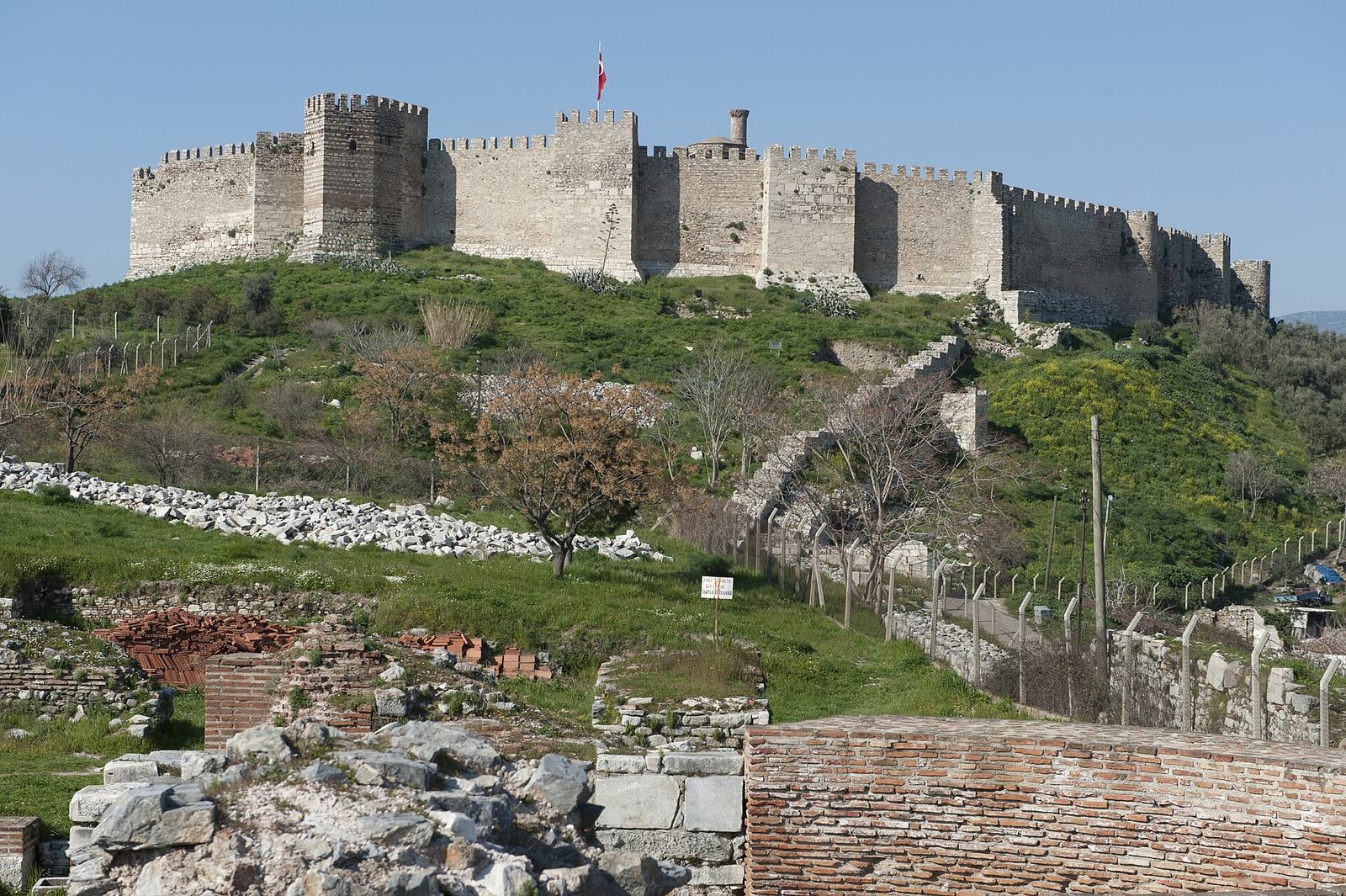
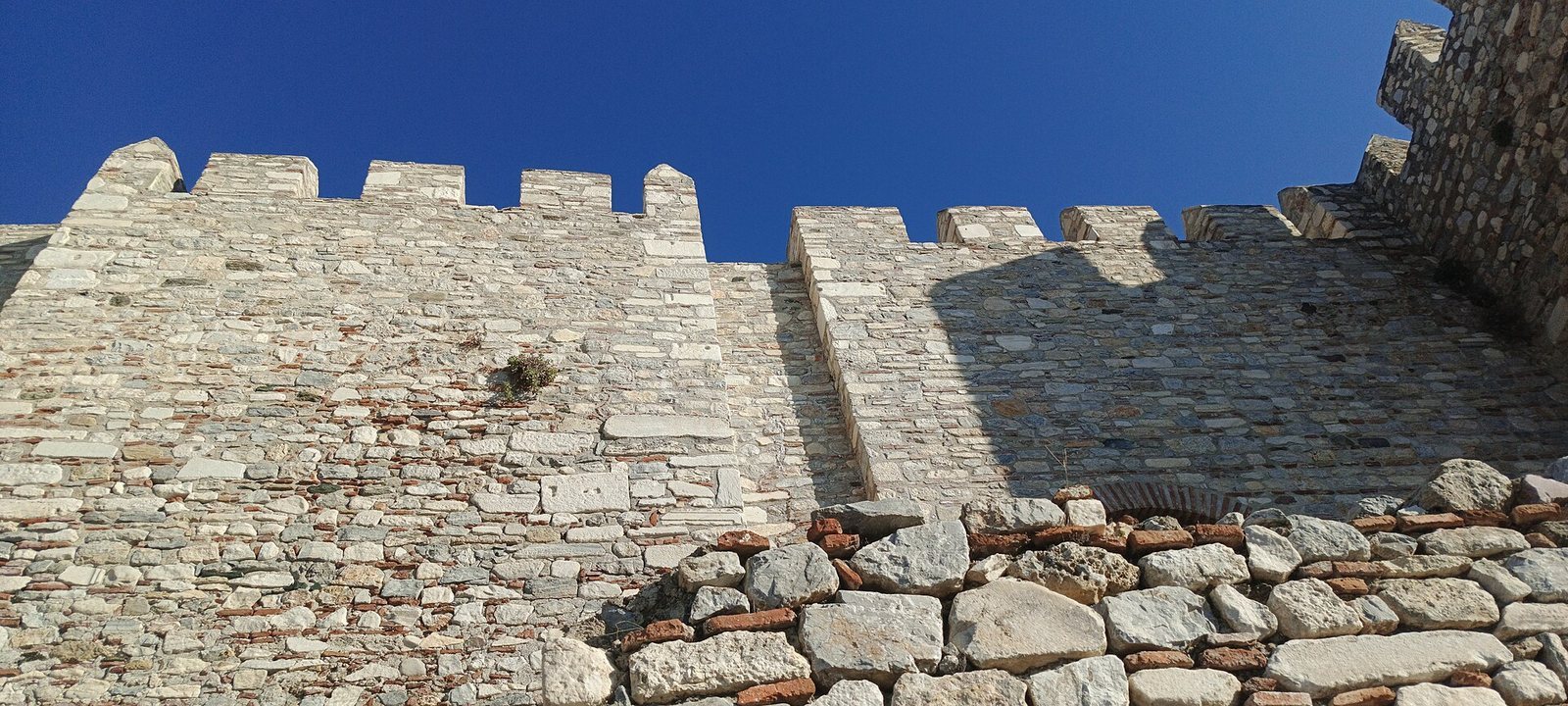
Now a ruin, the citadel is built from dressed stone blocks and enclosed by a ring wall with a crenellated top. Fifteen towers reinforce the wall, with one gate on its western side and another on the eastern side. The complex measures about 160 metres across at its greatest point from north to south.
Interior structures
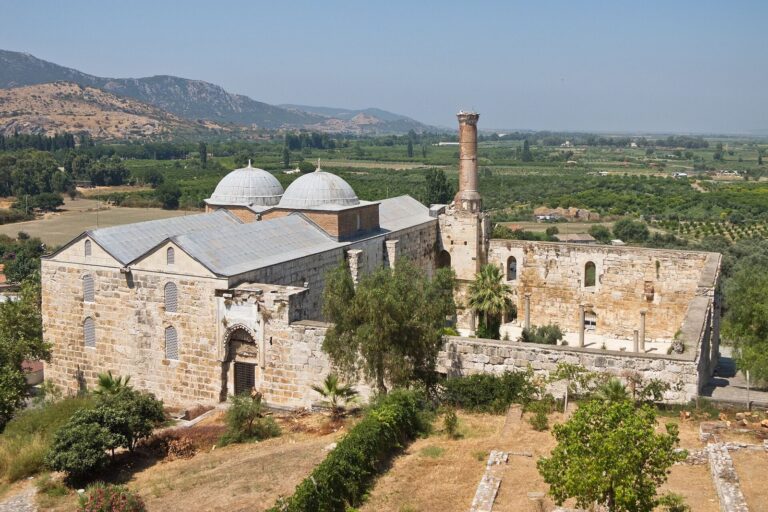
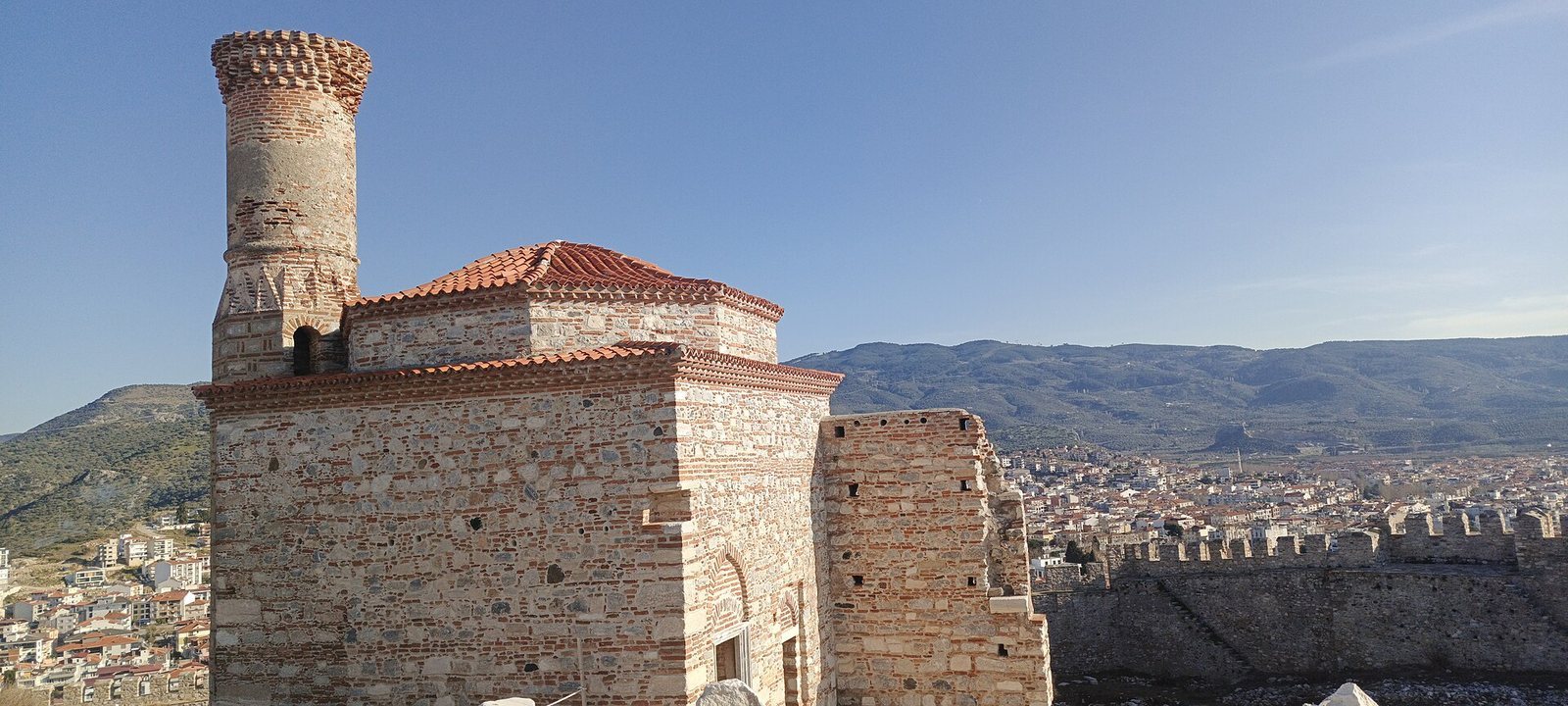
Several cisterns, a chapel, and a mosque dating to the Seljuk period stand within the enclosure.