Burgruine Steinschloß: A Hill Castle Ruin in Austria


Site at a Glance
- Rating
- 4.8
- Popularity
- Low
- Country
- Austria
- Primary era
- Medieval
- External website
- Open
- Eras represented
- Medieval, Early Modern
- Civilizations
- Duchy of Styria, Habsburg, Holy Roman Empire
- Site type
- Military
- Remains
- Castle
On this page5 sections
History
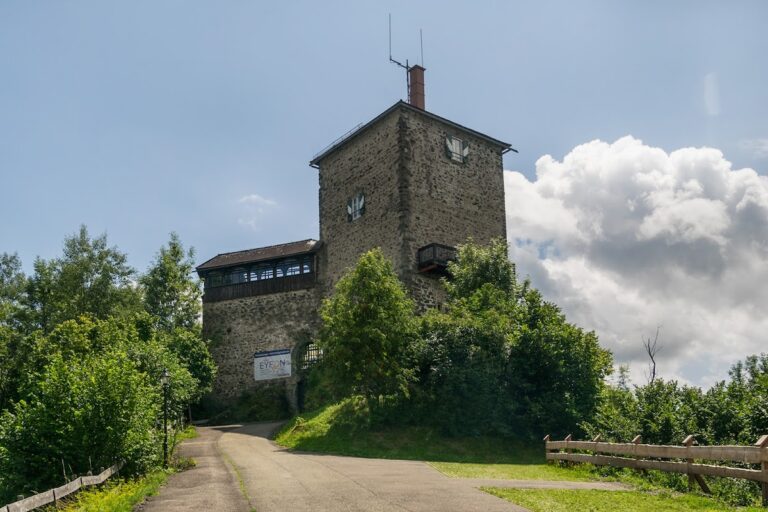
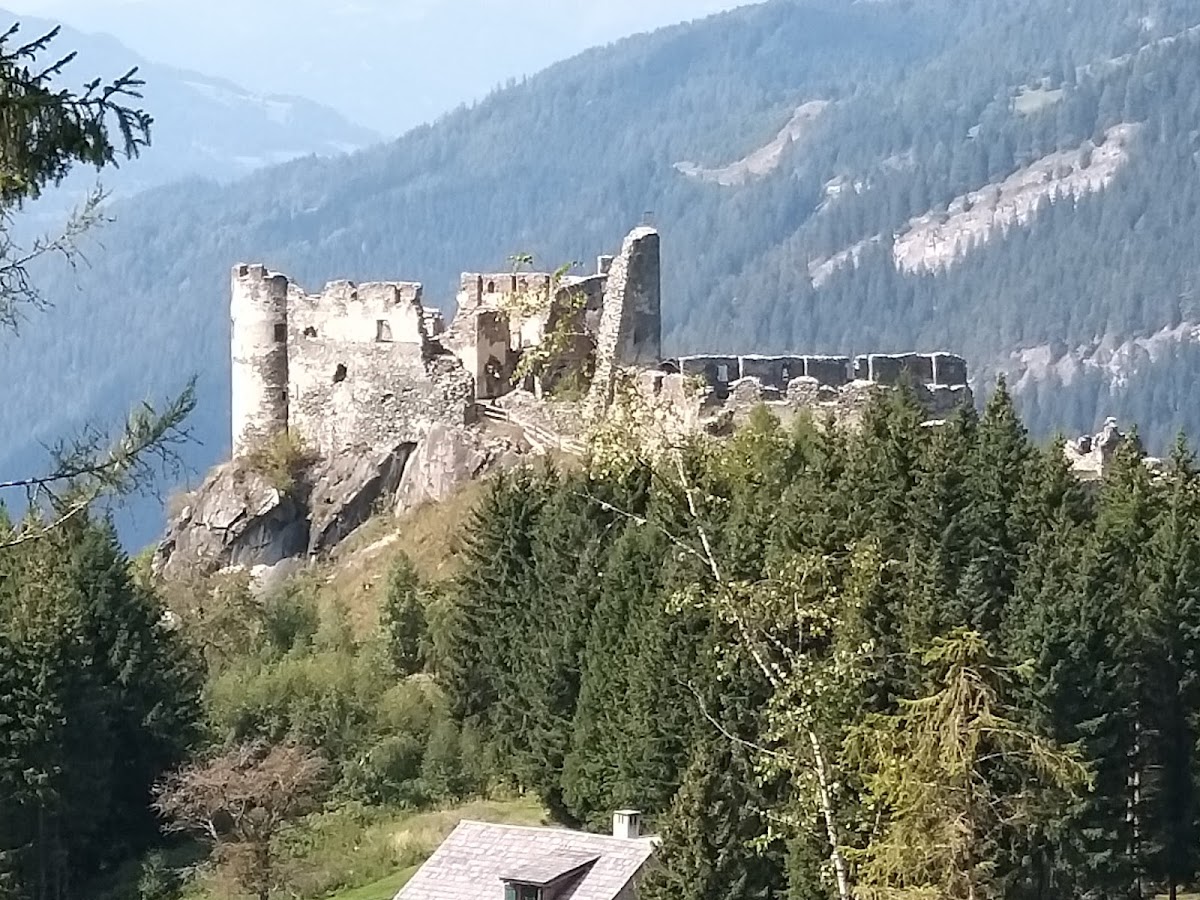
Burgruine Steinschloß is a hill castle ruin in Austria, situated in the Upper Mur Valley within the municipality of Neumarkt in Styria. Probably built in the twelfth century by the noble family von Stein, it served as a fortified aristocratic residence and stands at about 1,180 metres above sea level, making it the highest castle ruin in Styria.
Origins and Abbey Ownership
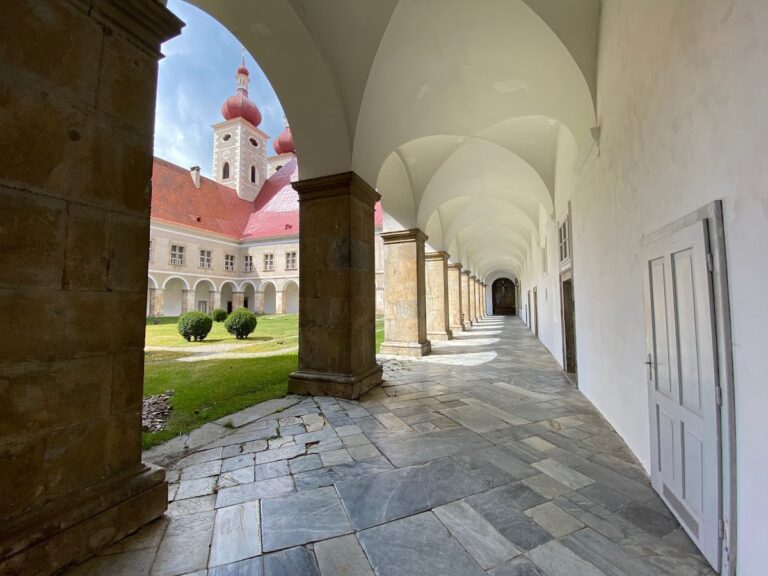
The castle was probably established by the von Stein family as a stronghold on elevated ground. In 1503, its owner, the noble Liechtenstein family, sold Steinschloß to St. Lambrecht Abbey, a historic Benedictine monastery in Styria. The property remains in the abbey’s possession.
Sixteenth-Century Defence
In 1525, during the Peasants’ Revolt, a period of rural uprising, and amid Turkish incursions, the castle was strengthened and re-equipped for defence. This work reflects the continuing military value of the fortified residence during a time of regional instability.
Traditions of Stein and Frauenburg
Local traditions connect Steinschloß with the legendary fortress of Stein and with the later name Frauenburg, meaning “women’s castle.” In the story, Engelschalk, a legendary nobleman, received a forest near Scheifling as a fief after victories over the Hungarians and Avars, peoples associated with major military conflicts in the early medieval period. He then built a fortress on a high rock.
After Engelschalk’s death, his seven daughters rejected their suitors and eventually withdrew to another castle, which became known as Frauenburg. One version of the tradition focuses on Gisela, the proudest of the sisters. After she mockingly challenged an Italian knight to chain the moon to the castle rock, he assaulted her. The sisters then swore to hate all men and lived in seclusion. Gisela’s son later became the castle’s owner and ancestor of the extinct knights of Frauenburg, whose coat of arms showed a moon bound by its horns.
Another tradition describes a feud between the rival noble families of Kaisersberg and von Stein. A Kaisersberg suitor was rejected because the lord of Stein wanted a prince rather than an ordinary knight as his son-in-law. Their quarrel ended when the Kaisersberg knight was thrown down a staircase and killed.
The same tradition tells of a later Kaisersberg knight who fell in love with a young noblewoman of Stein. When her father attacked him with a sword, she intercepted the fatal blow, but the father struck again and split the young man’s head. The older knight then disappeared from his castle. After the woman was buried at Seckau Abbey, a solemn and silent man entered the monastery as a lay brother. He prayed at night in the crypt and was later found dead on her grave. The legend holds that, whenever danger threatens the surrounding region, a monk appears in the abbey cloister carrying a coffin with a white-clad girl whose chest is bleeding, while a young man with a split forehead looks toward her.
Remains
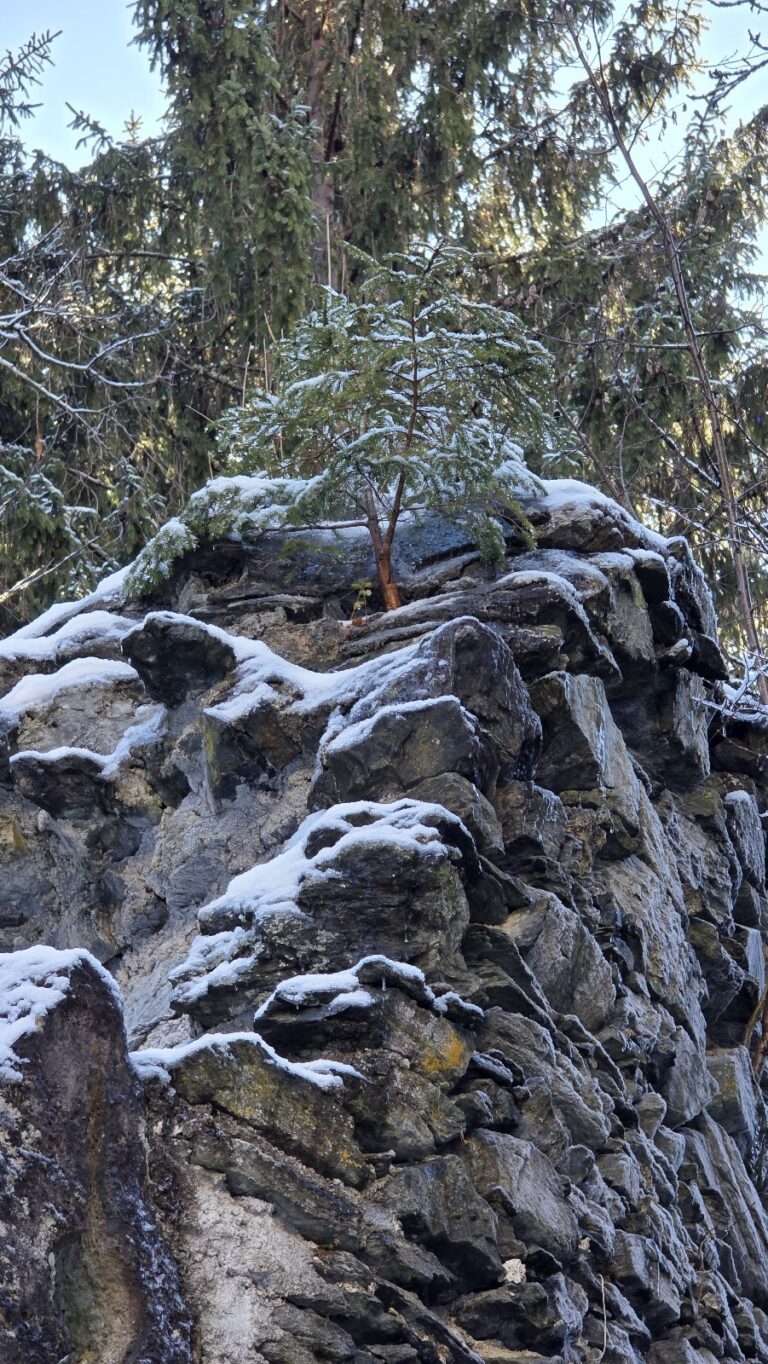
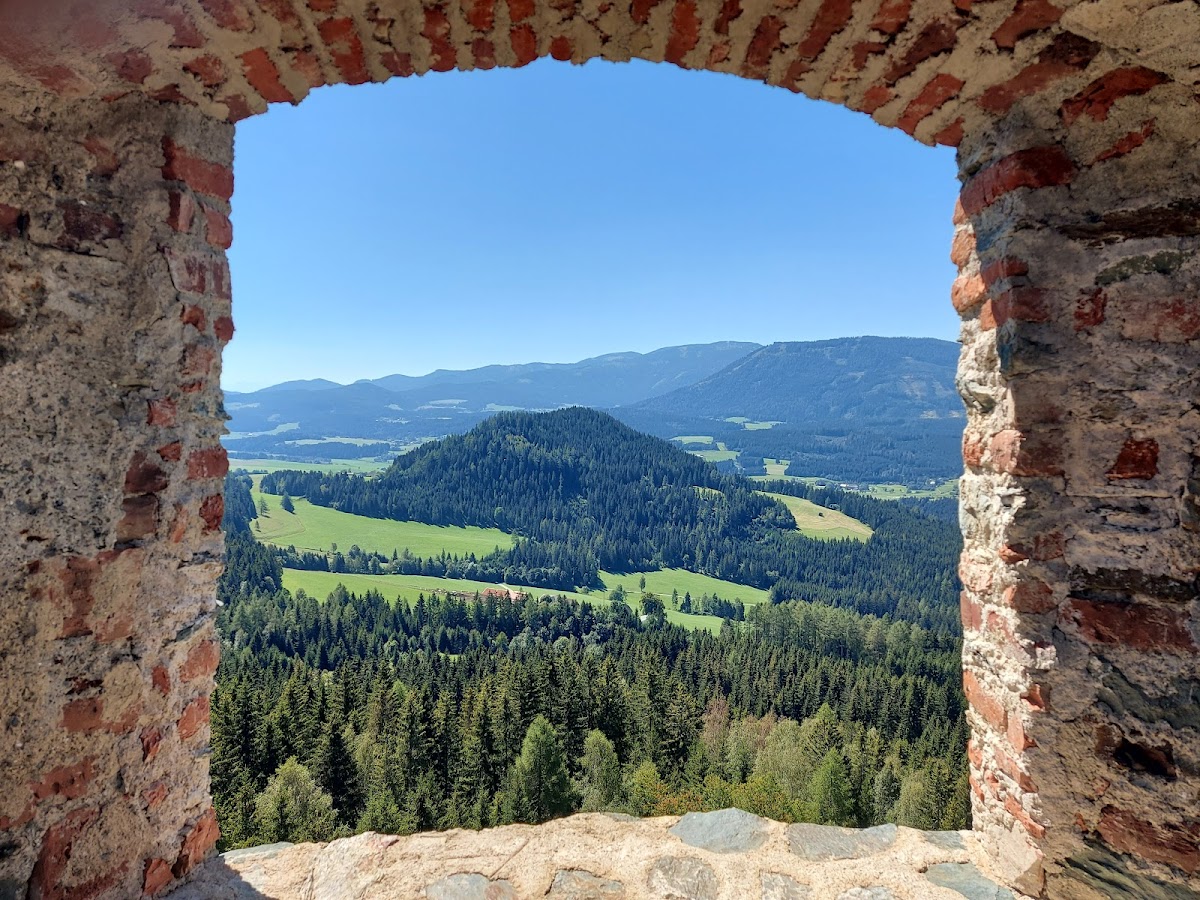
Burgruine Steinschloß is a high-altitude hill fortification on the north-western slope of the Steinberg, toward Teufenbach. The surviving ruins are extensive and preserve a clear sense of the original fortified complex’s scale. The site remains a ruin at approximately 1,180 metres above sea level, with its elevated position forming an essential part of the castle’s defensive setting.