Tona Castle (Castell de Tona): A Medieval Stronghold in Spain

Site at a Glance
- Rating
- 4.5
- Popularity
- Low
- Country
- Spain
- Primary era
- Medieval
- External website
- Open
- Eras represented
- Medieval
- Civilizations
- Crown of Aragon
- Site type
- Military
- Remains
- Castle
On this page6 sections
History
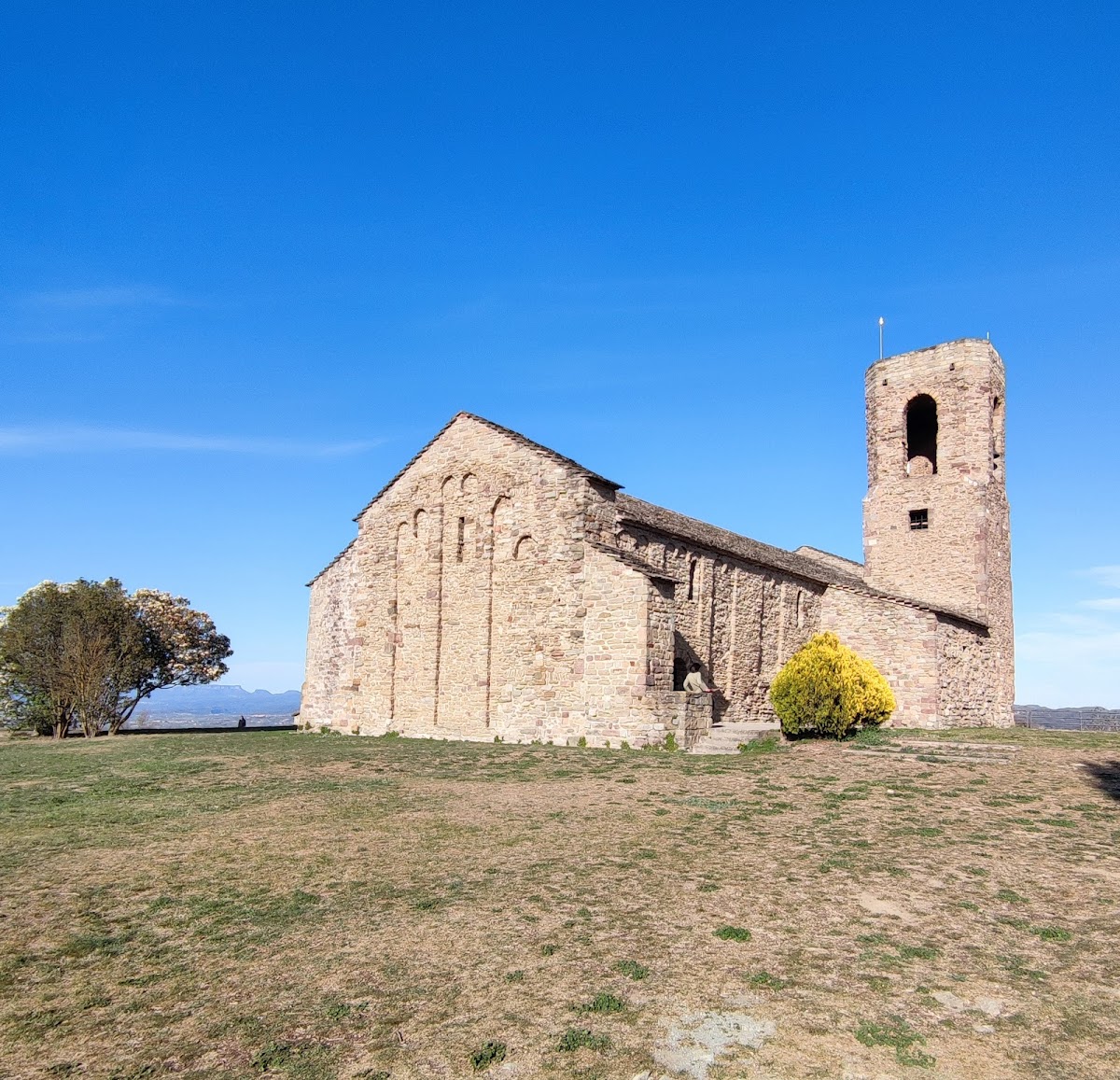
Tona Castle, or Castell de Tona, is a historic stronghold in Spain whose first historical record dates to 889. In that year, Bishop Gotmar of Vic consecrated the adjacent church of Sant Andreu and identified it as standing within the castle. The site formed the initial nucleus of Tona and occupied an important position within the medieval territories controlled by the House of Barcelona.
Feudal lordship
The counts of Barcelona held the castle’s overlordship. Ramon Berenguer III granted it as a fief to Count Bernat of Besalú, who was married to his daughter Ximena. Because the couple had no children, the castle returned to the House of Barcelona. Enfeoffment was the medieval practice of granting land or jurisdiction to a subordinate in return for service.
The identity of the castle’s earlier feudal holders remains uncertain. A document from 1073 names Arnau de Tona as its vicar and bailiff, while twelfth-century documents identify the Montcada family as its feudal lords. In 1202, King Peter II of Aragon proclaimed Guillem de Montcada lord of the fief of Tona. By the end of the thirteenth century, the castle had returned to the direct possession of the House of Barcelona, the ruling dynasty whose counts controlled Barcelona and extensive territories in Catalonia.
Crown jurisdiction and destruction
In the mid-fourteenth century, after the creation of the County of Osona, King Peter IV of Aragon, known as Peter the Ceremonious, granted jurisdiction over the castle to Viscount Bernat III of Cabrera. Bernat later fell into disgrace, and the castle reverted to the Crown.
At the beginning of the fifteenth century, King Martin I of Aragon, known as Martin the Humane, granted a municipal regime to the inhabitants of the castle’s territory, giving them the civic status of citizens of Barcelona. In 1446, the Constable of Portugal ordered the castle demolished because it was an important stronghold during the Remença War, a fifteenth-century Catalan conflict involving peasant serfs and the feudal obligations imposed on them. The councillors of Vic refused the order.
The castle remains are protected as a Cultural Asset of National Interest in Catalonia and are registered as a protected archaeological zone in the Spanish heritage register. These designations preserve both the monument and the wider archaeological remains on the hilltop.
Remains
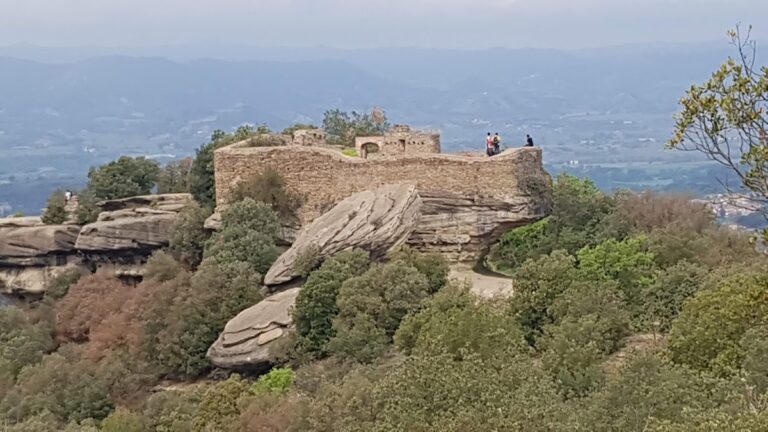
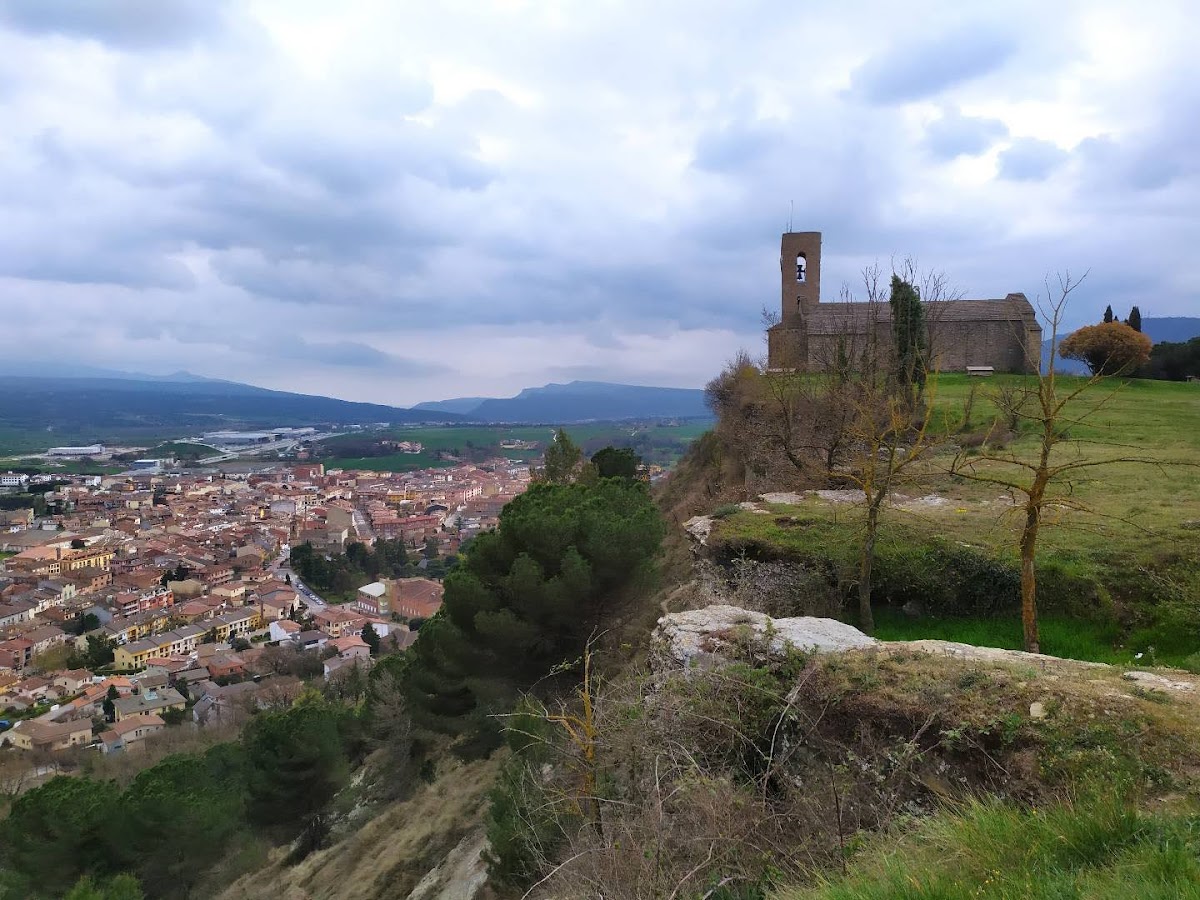
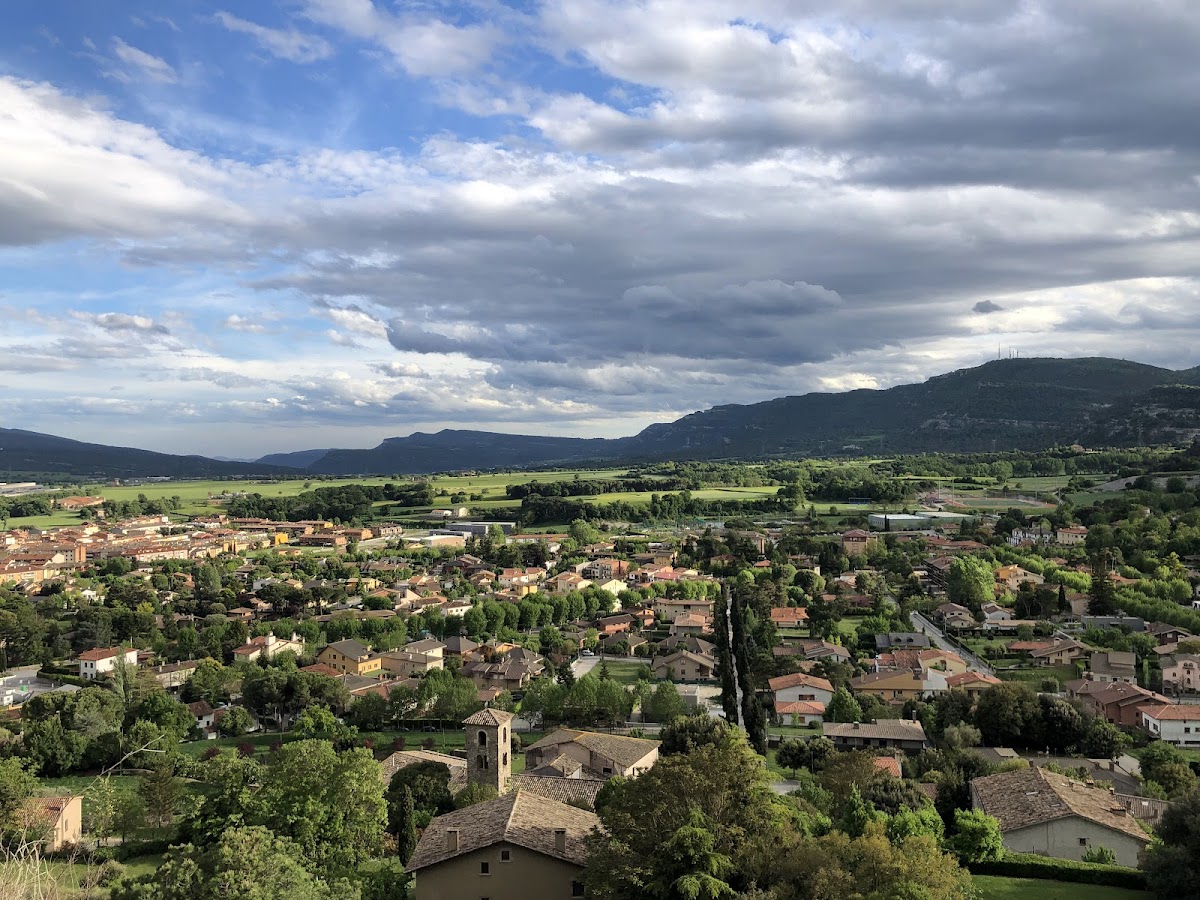
The castle occupied the northeastern end of a broad, flat-topped hill beside the urban area of Tona. Its elevated position gave the stronghold a wide panorama toward the Montseny Massif, Collsuspina, and Muntanyola. The defensive complex included walls and an artificial ditch that separated the castle area from the rest of the hilltop, while traces of walls remain at points where access across the plateau was easiest.
Defensive tower
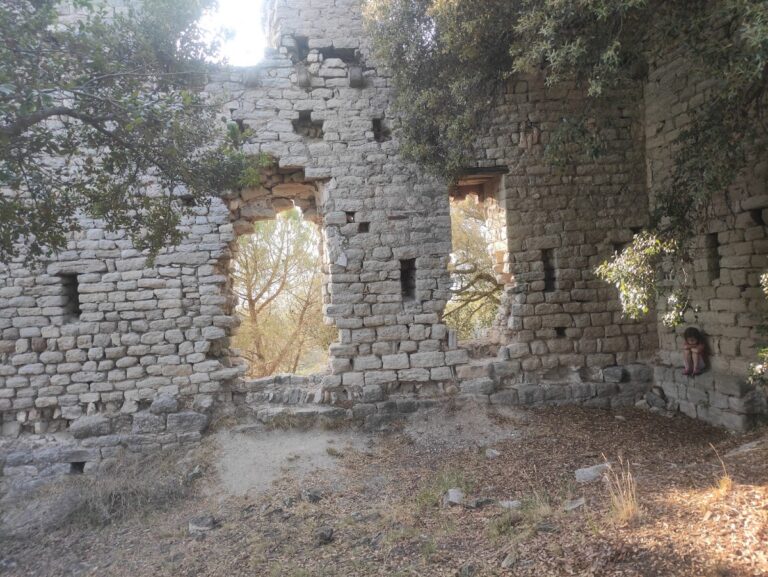
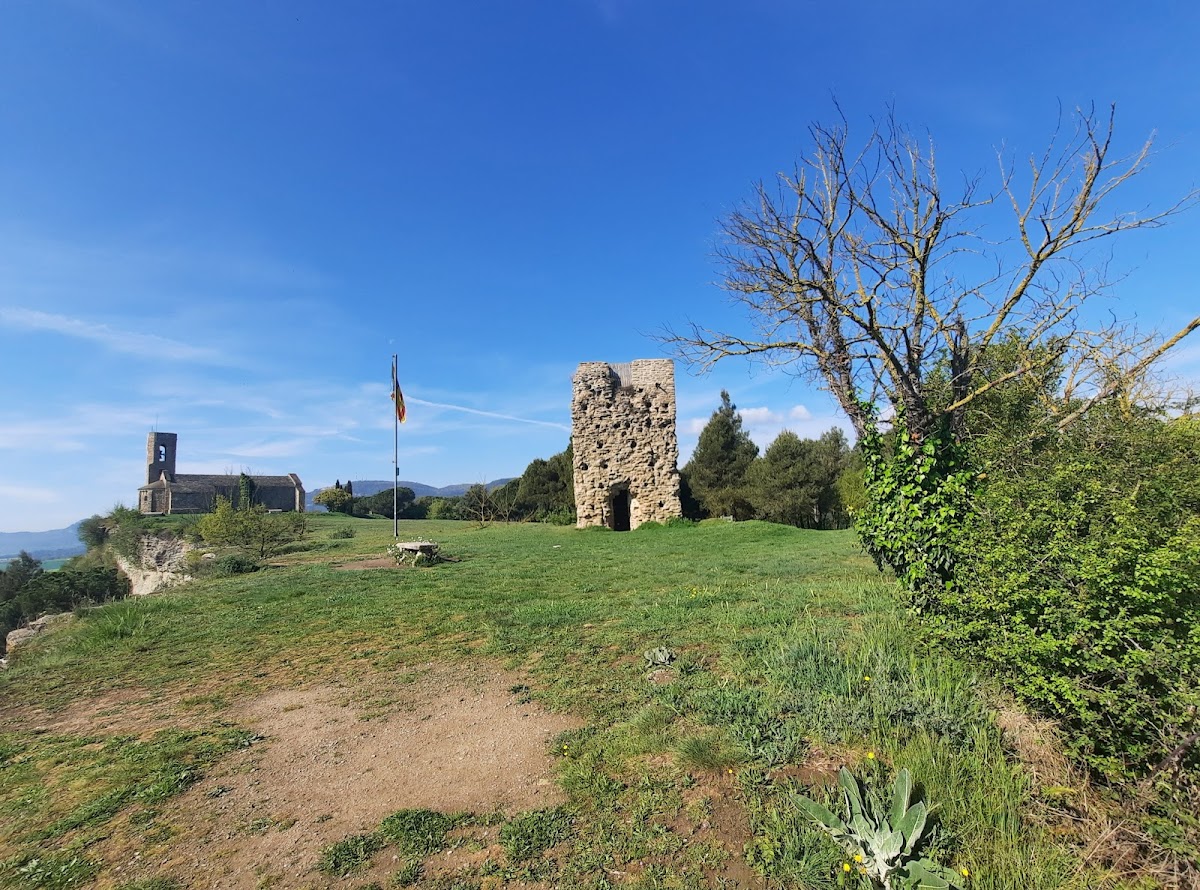
A square defensive tower stands directly on the bedrock. It measures 4.85 by 5.10 metres, has an average exterior height of 7.5 metres, and has walls 2.30 metres thick. Built from stone and lime with formwork, a method in which masonry is shaped against temporary supports, the tower has a vaulted ground floor covered by a barrel vault, a continuous semicircular vault over an elongated space. Its lower level is unusually high. The upper section retains several courses of herringbone masonry, in which stones are laid in alternating diagonal rows, although this part is heavily eroded. The tower’s construction date is difficult to establish, but it does not appear to predate the tenth century.
Church nucleus and hilltop remains
Older building remains around the church of Sant Andreu formed Tona’s initial settlement nucleus. Further remains are scattered across the castle plateau, where traces of the former defensive walls and other buildings help define the wider extent of the stronghold. The nearby Roman road linking the Plain of Vic with Barcelona has led to the suggestion that the tower may have Roman origins, although this interpretation remains uncertain.
Nearby sites