Burg Schwalenberg: A Hilltop Castle and Late-Renaissance Palace in Germany


Site at a Glance
- Rating
- 4.4
- Popularity
- Low
- Country
- Germany
- Primary era
- Early Modern
- External website
- Open
- Eras represented
- Early Modern
- Civilizations
- Holy Roman Empire
- Site type
- Domestic
- Remains
- Palace
On this page6 sections
History
Burg Schwalenberg is a hilltop castle above Schwalenberg in Germany, built by the Counts of Schwalenberg between 1228 and 1231 during the rule of Count Volkwin III. The castle and the town emerged at approximately the same time, establishing a new centre for the counts in the Lippe district of present-day North Rhine-Westphalia.
Foundation and dynastic change
The Counts of Schwalenberg had left their earlier eponymous castle near Marienmünster, later known as Oldenburg, before establishing Schwalenberg and its new castle. From 1358 until the first quarter of the seventeenth century, Burg Schwalenberg was pledged to various noble families.
After the death of his father Simon VI in 1613, Hermann, a member of the House of Lippe, inherited the office and castle of Schwalenberg. The House of Lippe was the ruling dynasty of the historic territory of Lippe. Hermann ordered the castle’s keep demolished in 1618. A keep was a freestanding principal tower used mainly for defence and as a sign of lordly authority, rather than usually as a permanent residence.
Palace and later uses
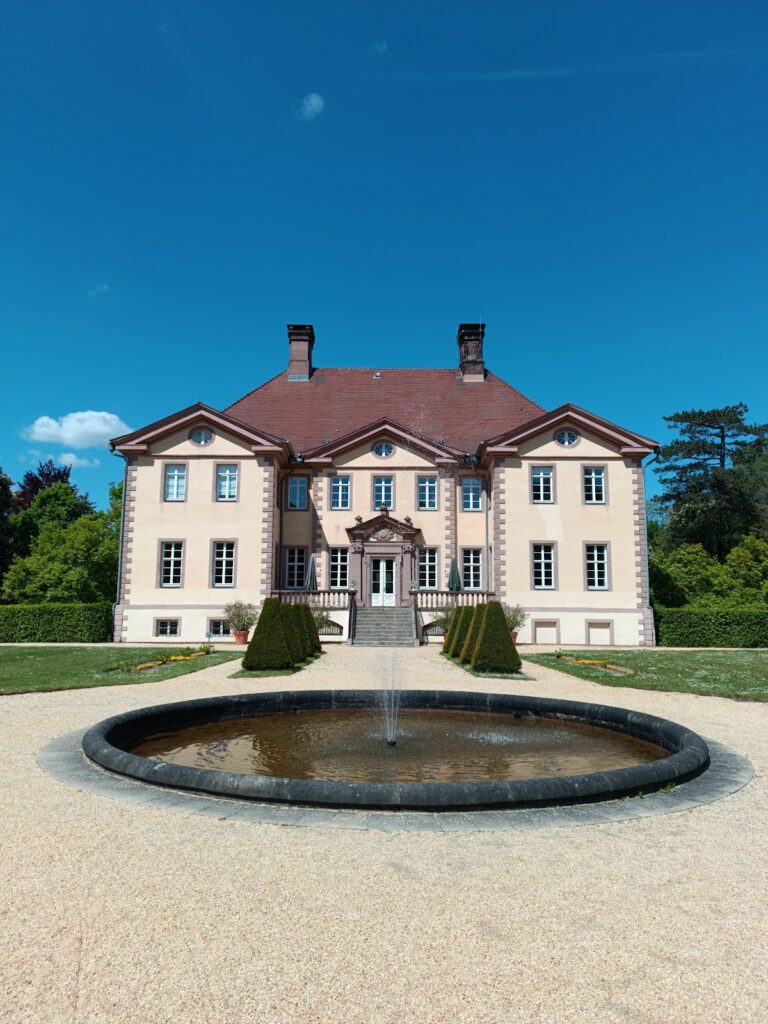
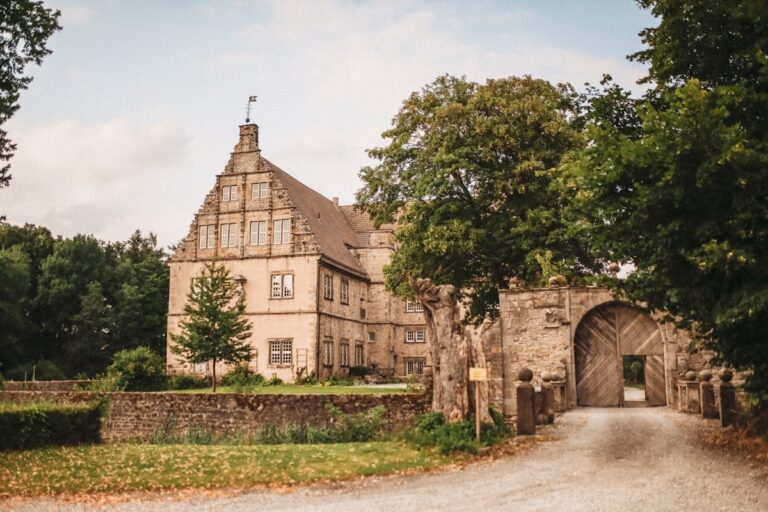
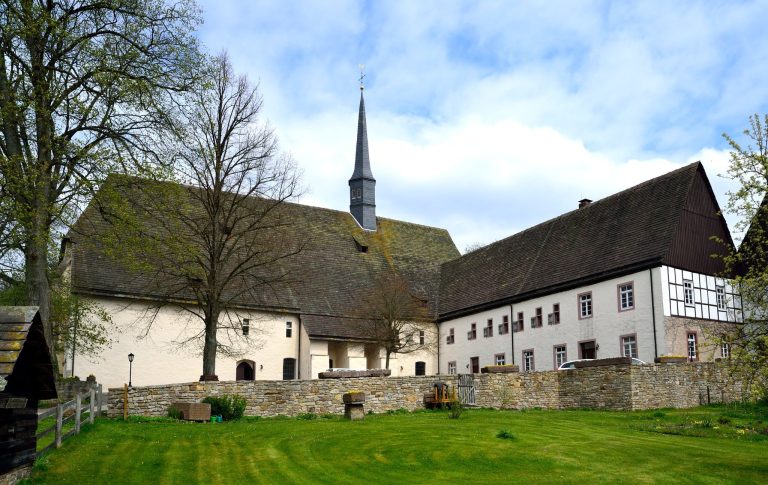
In 1627 and 1628, a palace incorporating late-Renaissance elements replaced the medieval castle. It later became the residence of collateral branches, or secondary lines, of the House of Lippe. One wing of this palace survives and was renewed between 1911 and 1913.
From 1938 to 1945, the complex housed a convalescent home for mothers. It then served as an evangelical children’s recreation and convalescent home until 1962. Afterward, it was renovated and converted into a hotel. The castle was sold in 2017, and redevelopment for holiday apartments was approved in December 2018, with work already under way by that time. Forestry work during the winters of 2017 to 2018 and 2018 to 2019 sought to restore the former appearance of the castle hill and grounds. Burg Schwalenberg is protected as an architectural heritage monument in North Rhine-Westphalia.
Remains
Castle hill and surviving palace wing
Burg Schwalenberg occupies a hill above the town and retains the character of a preserved hilltop complex. The medieval castle was replaced by the late-Renaissance palace of 1627 to 1628, leaving one palace wing as the principal surviving part of the historic buildings. That wing was renewed in 1911 to 1913, while the earlier keep was demolished in 1618.
Water-supply tradition
A local tradition links the castle and town to a water-supply project. According to the story, two prisoners were promised freedom and land if they diverted a spring to Schwalenberg by taking a circuitous route around the castle hill. A practical explanation associates the work with Cistercian monks, members of a Western Christian monastic order known for disciplined organization and practical land and water management. Using a surveying rod, they determined that the spring lay about 12 metres above the town. A water ditch approximately 2,200 metres long was then built from the Magdalene Spring along the castle hill to Schwalenberg, avoiding the valley. The Romans already knew the inverted siphon, or Düker, a water-conveyance structure that carries a channel beneath a depression under pressure.
The Volkwin Fountain in Schwalenberg’s town centre commemorates this water tradition. Erected by the artist Friedrich Eicke in the 1950s, it bears an inscription describing two men who dug the water and gained freedom from their chains, while declaring that the men have died but the water continues to flow from the mountain.