Hornberg Castle: A Medieval Fortress and Administrative Residence in Germany
Site at a Glance
- Popularity
- Medium
- Country
- Germany
- Primary era
- Medieval
- Eras represented
- Medieval, Early Modern
- Civilizations
- Duchy of Württemberg, Holy Roman Empire
- Site type
- Military
- Remains
- Castle
On this page8 sections
History
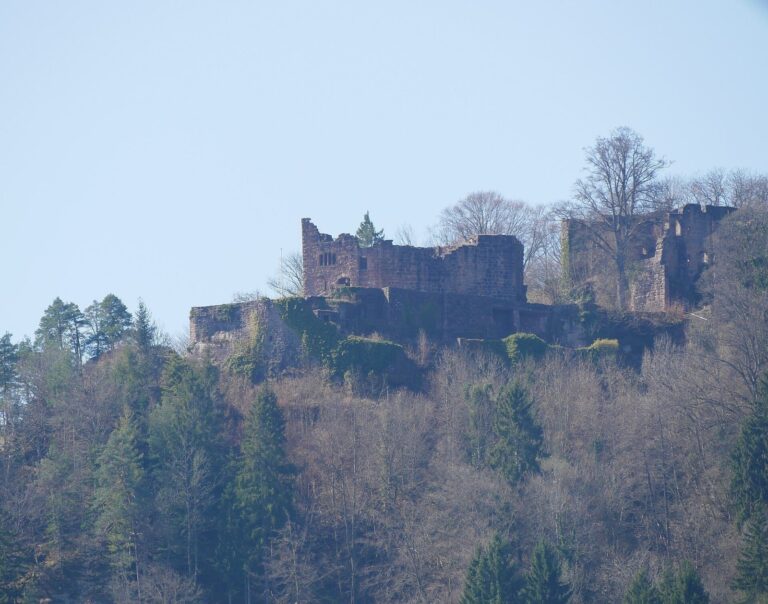
Hornberg Castle is a medieval fortress in Hornberg, Germany, built around 1200 by the Barons of Hornberg. It guarded an increasingly important trade route through the Gutach valley and later became an administrative residence and military base under Württemberg.
Origins and the Barons of Hornberg
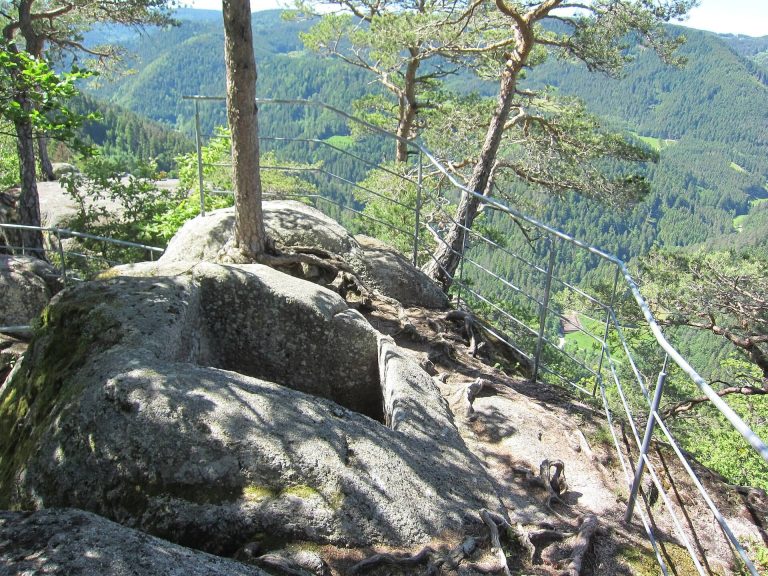
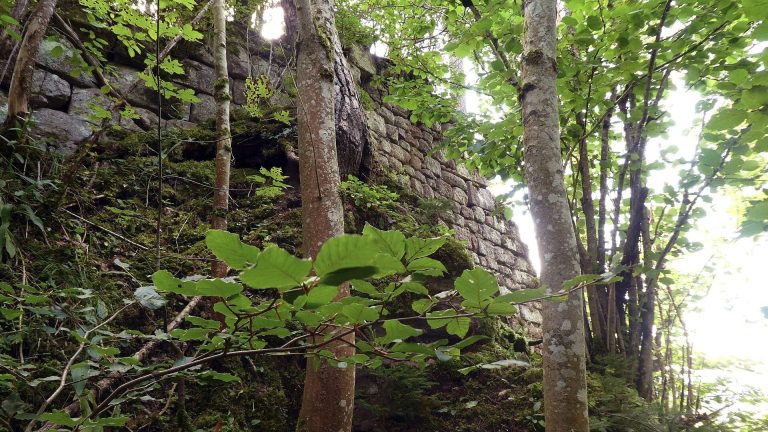
The Barons first established their main manorial farmstead at the foot of the castle hill. Granite blocks found on the rock, set without mortar, point to an early building phase in the first half of the twelfth century. The first castle itself dates to around 1200, about a century after nearby Althornberg. A keep, the castle’s main fortified tower, is thought to have been built before the territory was divided between the lordships of Hornberg and Triberg, in part to watch the growing traffic through the Gutach valley.
The family also built two defensive towers beyond the castle. One stood where the Tiefenbach and Schwanenbach valleys meet, covering access to Althornberg as well as local routes. The other was at Turmerberg, at the northern end of the lordship.
The poet and performer Bruno von Hornberg is believed to have lived at the castle around 1275–1310. His courtly songs appear in the Great Heidelberg Song Manuscript C, known as the Codex Manesse, a medieval collection of German-language courtly poetry. Bruno is also thought to have been a scholar and artist. Festivities with poetry and tales of knights may have taken place at the castle. He established a branch of the family whose coat of arms showed a black, rather than green, three-peaked hill.
In 1423 Bruno Werner von Hornberg sold his share of the castle and lordship to the Counts of Württemberg. They installed a bailiff, their local administrator, at Hornberg. Bruno Werner was permitted to live at Schiltach Castle until he received the purchase price. In 1443 the Counts acquired Konrad von Hornberg’s share, bringing the whole lordship under their control.
Württemberg residence and wartime use
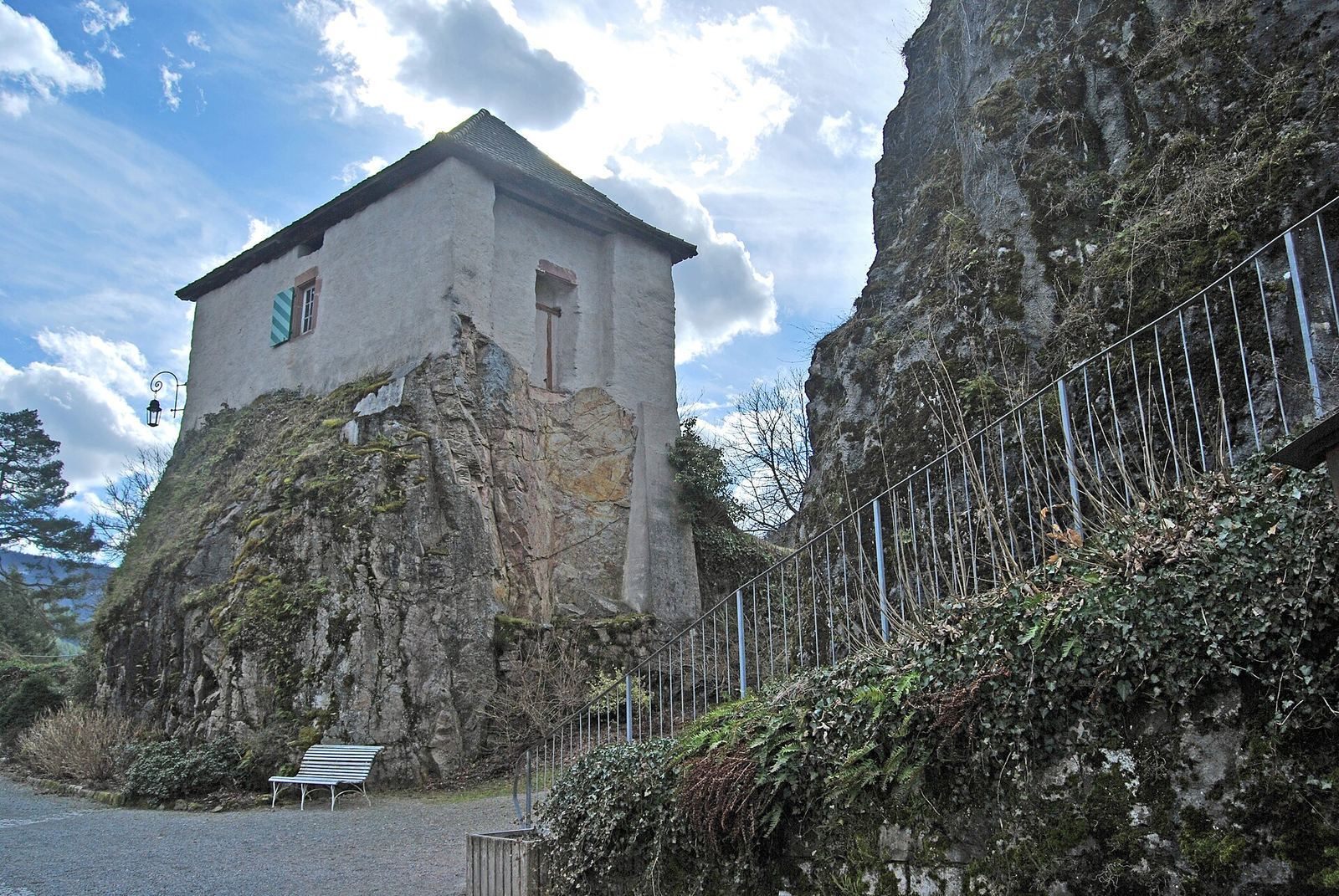
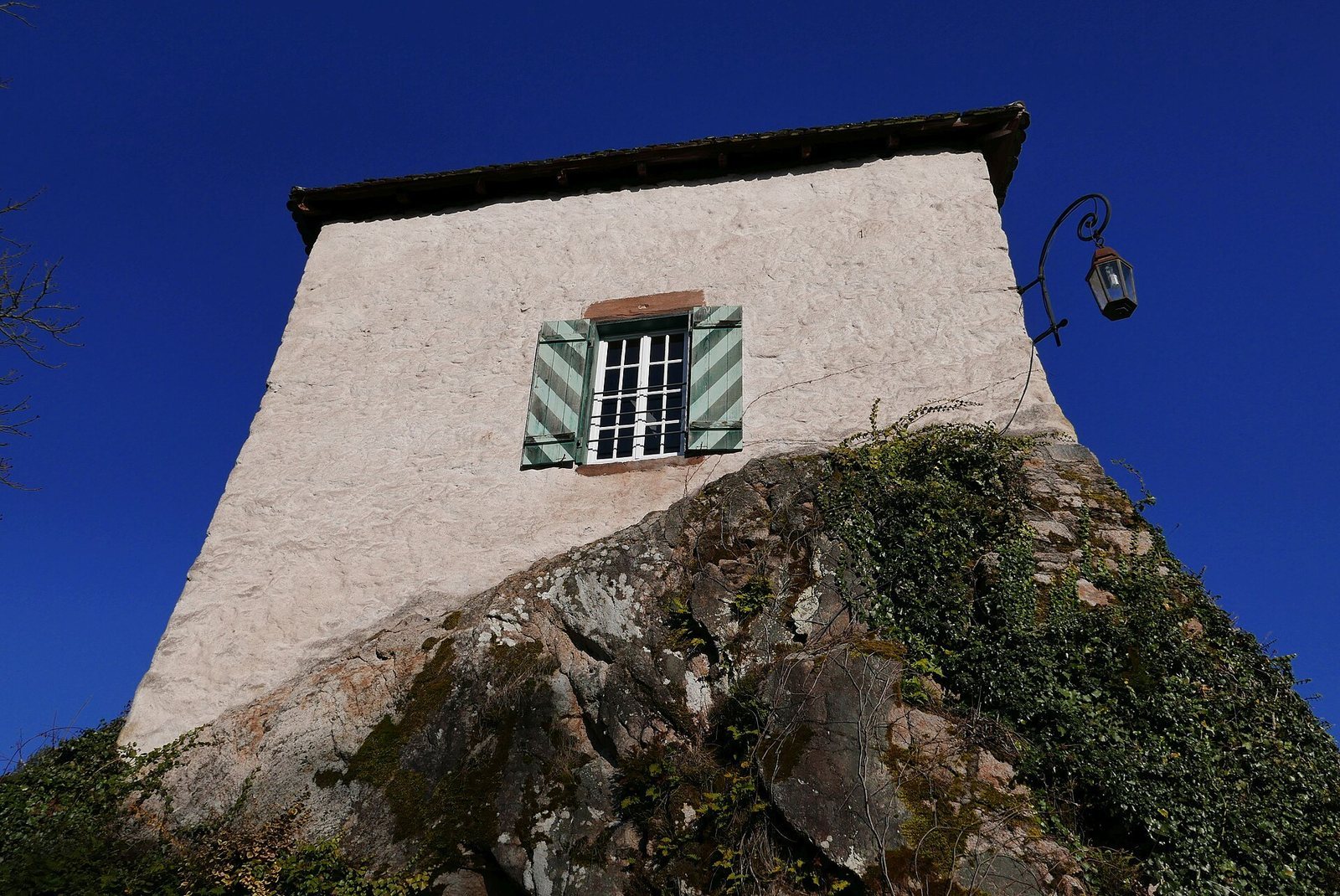
Württemberg developed Hornberg as both an administrative residence and a military base. A well chamber and pipes were installed in 1554. In 1564, a new residence was built northeast of the keep, replacing an older building to its southeast. The powder tower east of the keep followed in 1621.
In 1548, Duke Ulrich of Württemberg sent the theologian and Protestant reformer Johannes Brenz to Hornberg. Brenz had refused to support the Augsburg Interim, an imperial religious settlement intended to reconcile Catholics and Protestants. Unable to shield him from the emperor’s authorities, Ulrich arranged for him to live incognito as chief bailiff until autumn 1550.
Konrad Widerholt commanded Hornberg in 1633–34, before taking command of Hohentwiel fortress, which he defended through five sieges. During the Thirty Years’ War, French and Swedish forces occupied nearby Althornberg and eventually burned it, but Hornberg was not captured. On 9 January 1689, French troops led by Lieutenant General Noël Bouton de Chamilly set fire to the castle during the War of the Palatine Succession. A 1710 assessment of Black Forest defenses described the remaining keep and walls, together with a timber barrier and earthworks, as a makeshift part of the defensive line.
Garrison, imprisonment and later uses
Hornberg became a garrison town of the Swabian Circle, a regional administrative and military grouping within the Holy Roman Empire. A commandant’s building was erected below the keep in 1736, followed by adjoining barracks in 1739. Together, the buildings were also known as the Baroque palace.
From 1780 to 1787, the castle served as a prison for Augusta Elisabetha Maria of Thurn and Taxis, a princess of Württemberg and wife of Prince Karl Anselm. After several attempts on her husband’s life, he placed her under strict house arrest in January 1776. She was first confined at Trugenhofen Castle and later moved to Hornberg with the agreement of her brother, Duke Carl Eugen of Württemberg. The commandant’s building was renovated before she took up residence. Augusta died at Hornberg of a stroke on 4 June 1787 and was buried in the Catholic section of the Württemberg princely crypt in Ludwigsburg Palace Chapel.
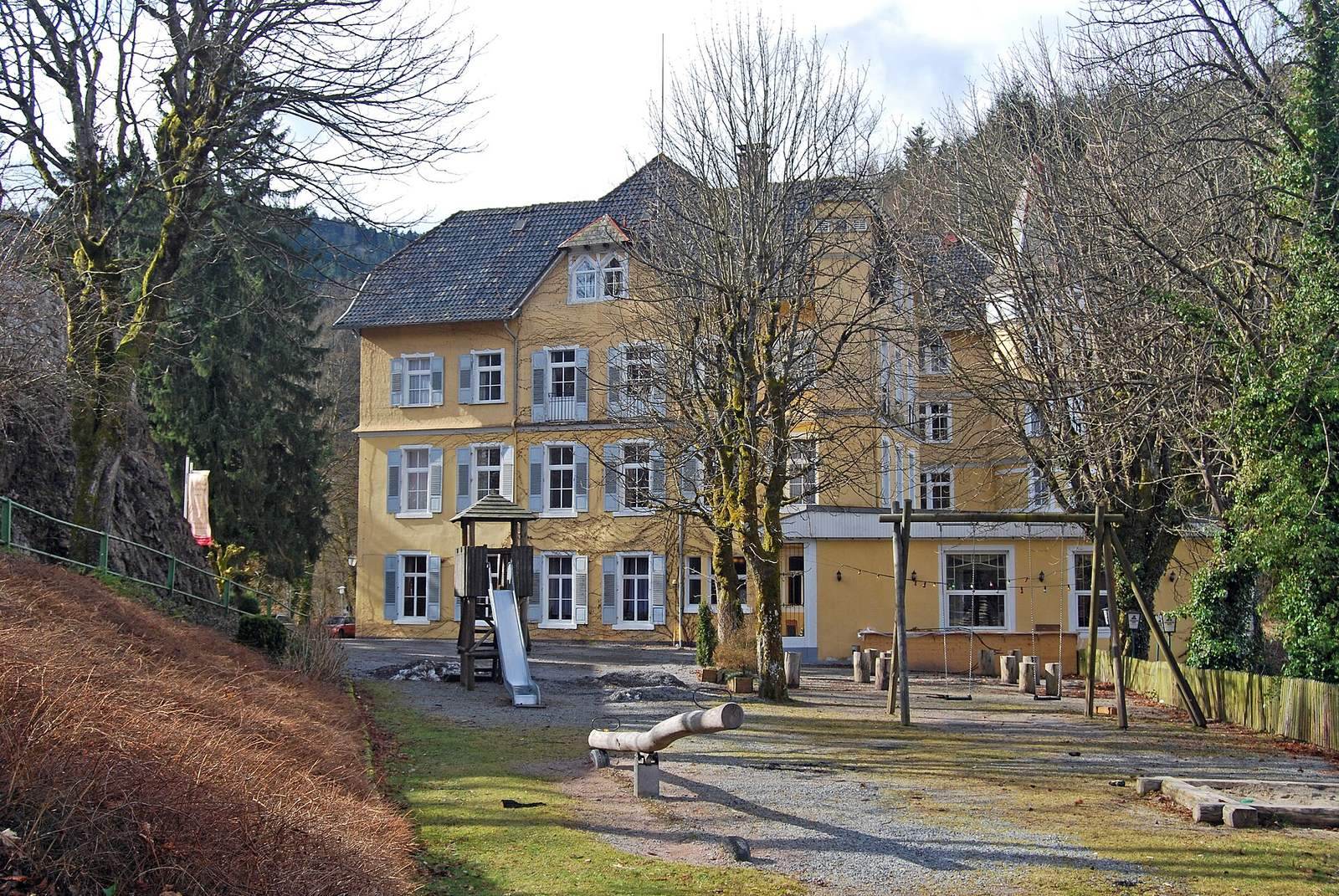
A treaty of 2 October 1810 transferred Hornberg, Schiltach, Gutach and other territories from Württemberg to the Grand Duchy of Baden. The remaining barracks were demolished in 1823. A brewery acquired the castle in 1841, building a brewhouse in the garden and using the powder tower to store malt. The brewery was demolished in 1896, and a hotel was built.
In 1936 the Nazi Party established a regional leadership school at the castle, providing ideological and political instruction to officials of the Reich Association of German Civil Servants. The school operated until 1939. The old commandant’s building was demolished in 1976.
Remains
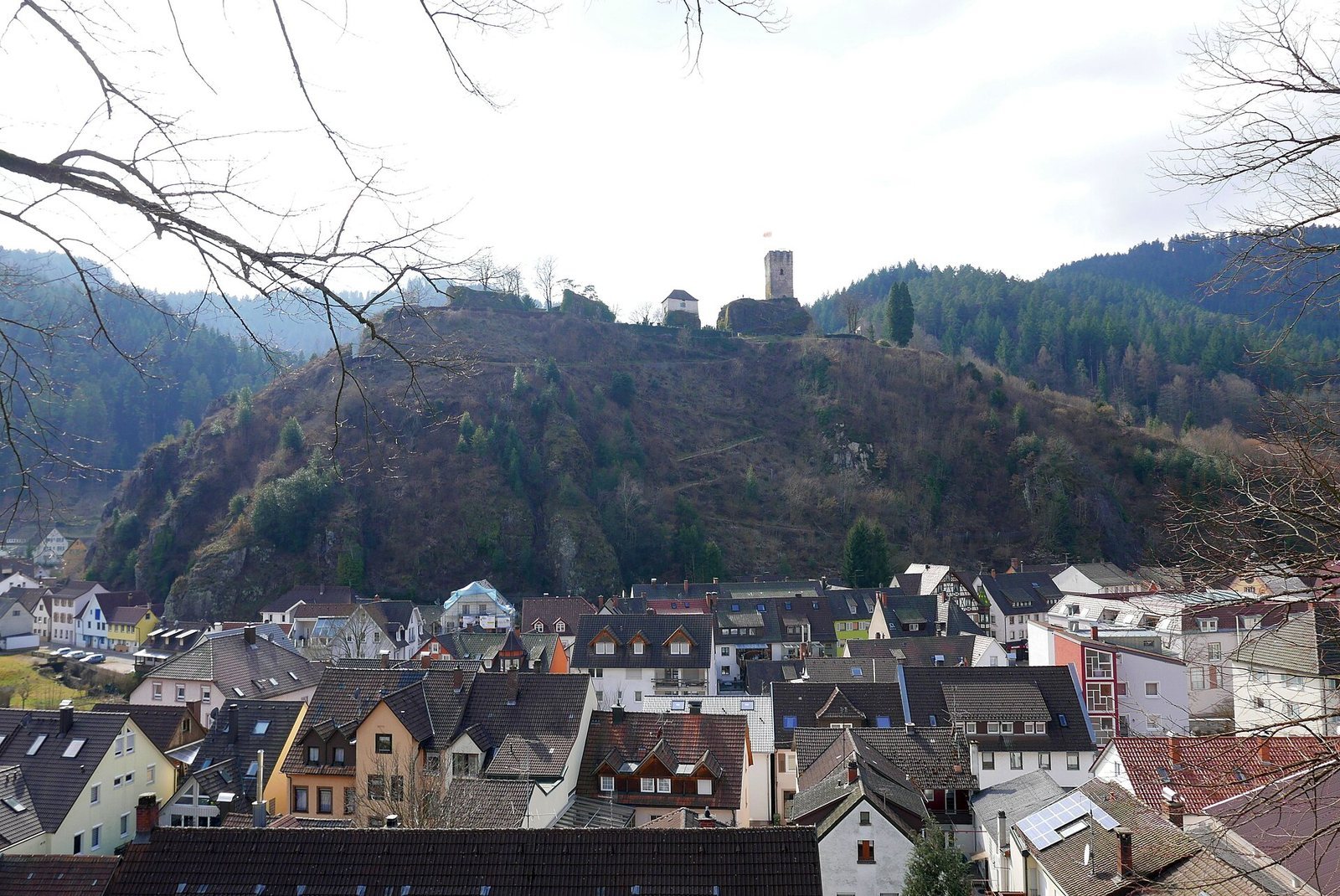
The ruin occupies a flat spur between the Gutach and Offenbach valleys, about 100 metres above Hornberg’s old town and at an elevation of 455 metres. The site extends roughly 150 metres from southeast to northwest. Steep rock slopes protected it on three sides, and its position overlooks the Gutach, Reichenbach/Schwanenbach and Offenbach valleys.
Castle structures and earlier layout
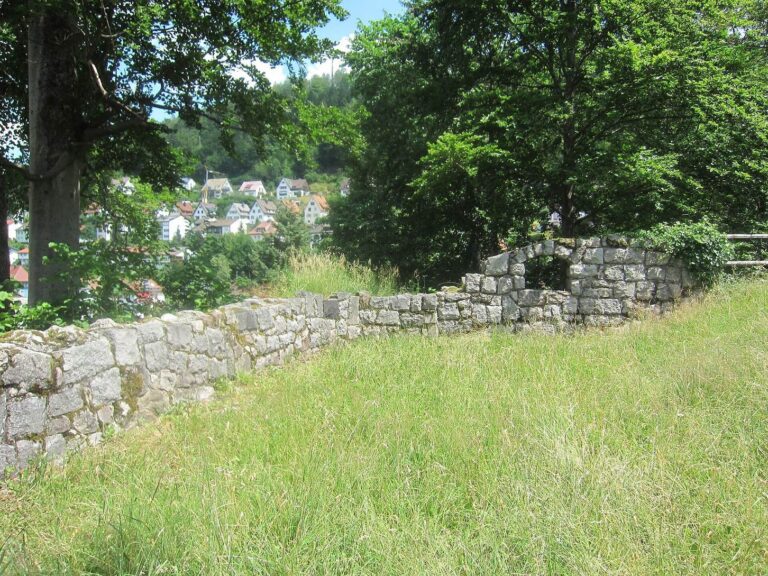
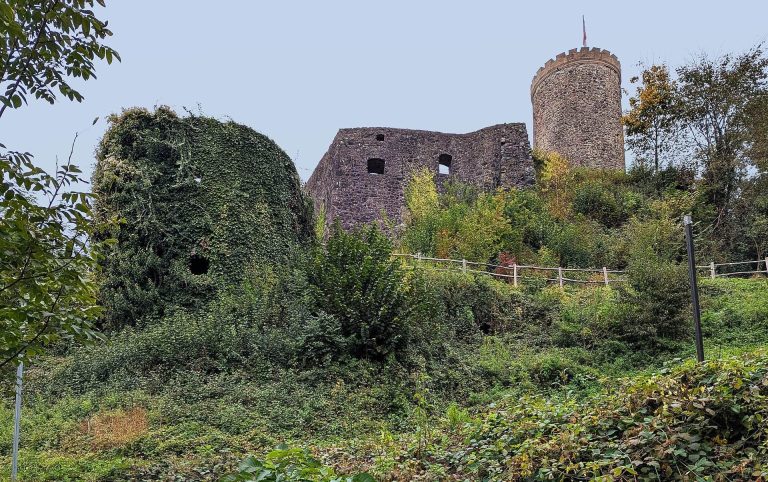
The surviving castle structures include a 17-metre-high keep, the powder tower and sections of wall. The granite blocks laid without mortar represent an early building phase; the remains of the first castle were cleared away toward the end of the nineteenth century. An engraving published by Matthäus Merian in 1643 depicts the hill as it appeared around 1600. It shows a newer, larger front castle attached to the keep and a smaller, older rear castle, which were inhabited by different branches of the family.
Outlying defensive towers
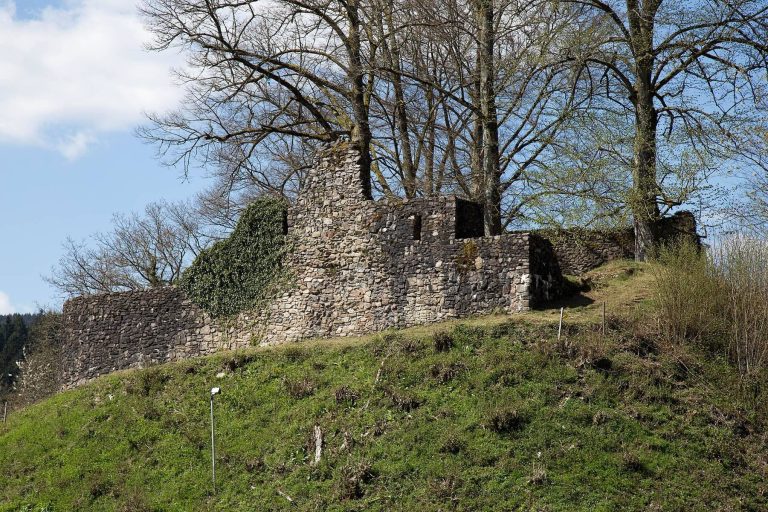
The remains of Tiefenbach Castle, at the meeting of the Tiefenbach and Schwanenbach valleys, consist of a section of wall. At Turmerberg, the remains of Gutach Castle also include sections of wall.
Water system and garden
The castle’s water system included the well chamber and pipes installed in 1554. A plan from 1800 shows a garden laid out during Augusta Elisabetha Maria’s residence at Hornberg.