Burg Greifenstein: A Historic Castle in Lower Austria
Visitor Information
Google Rating: 3.9
Popularity: Low
Official Website: www.burg-greifenstein.at
Country: Austria
Civilization: Early Modern, Medieval European, Modern
Site type: Military
Remains: Castle
History
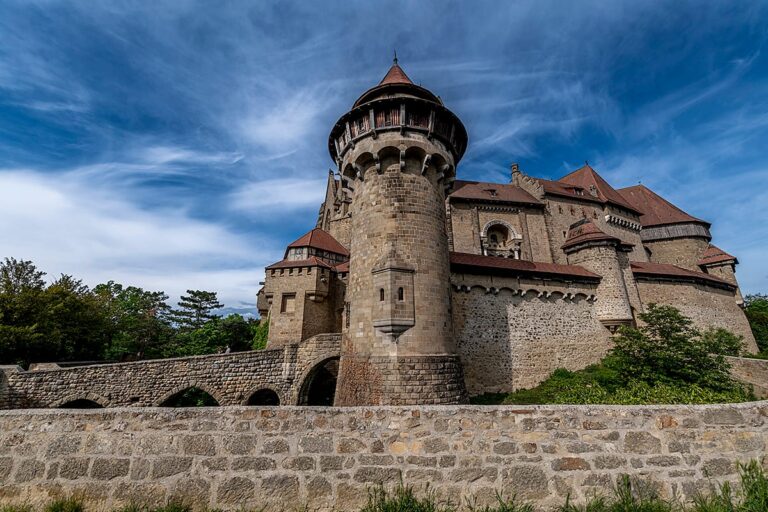
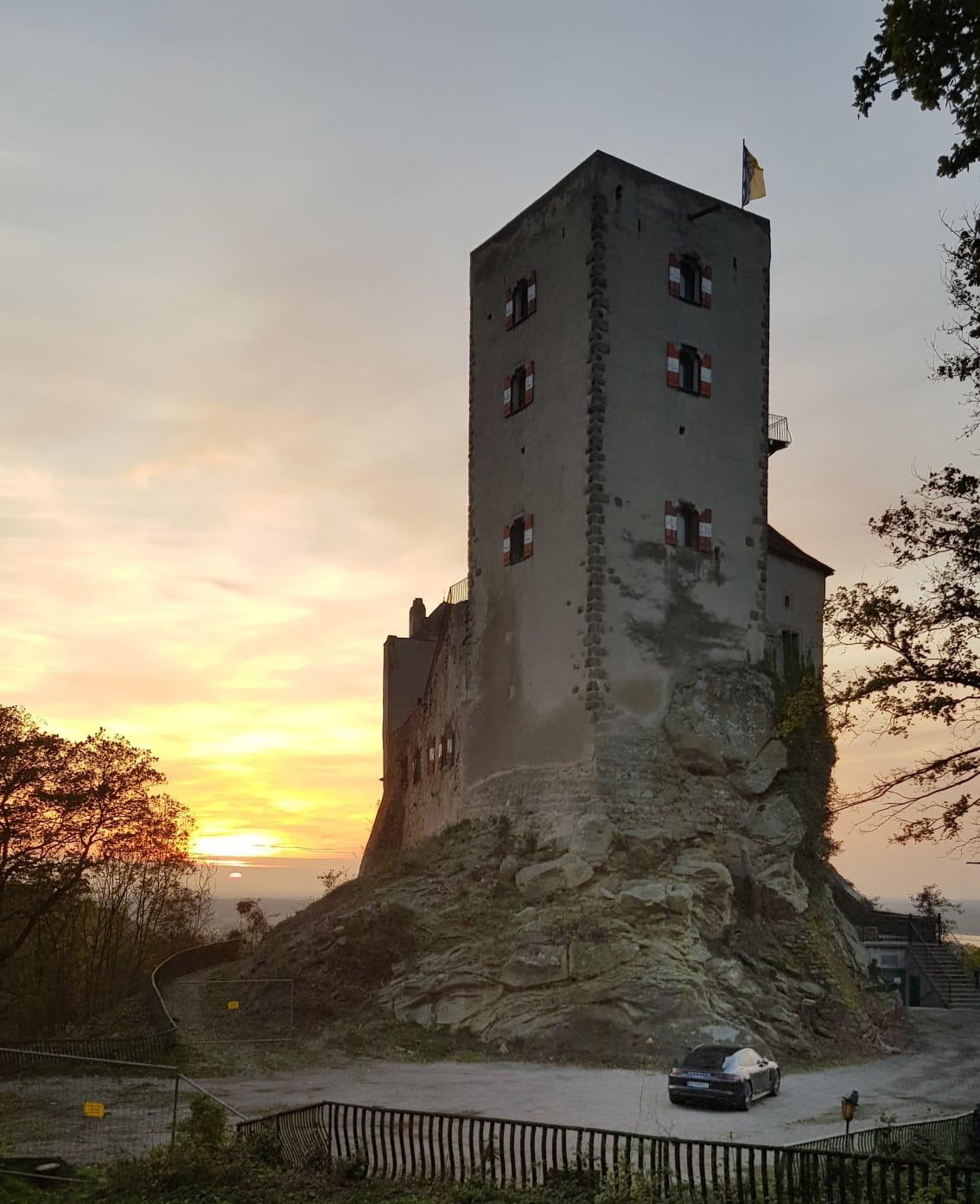
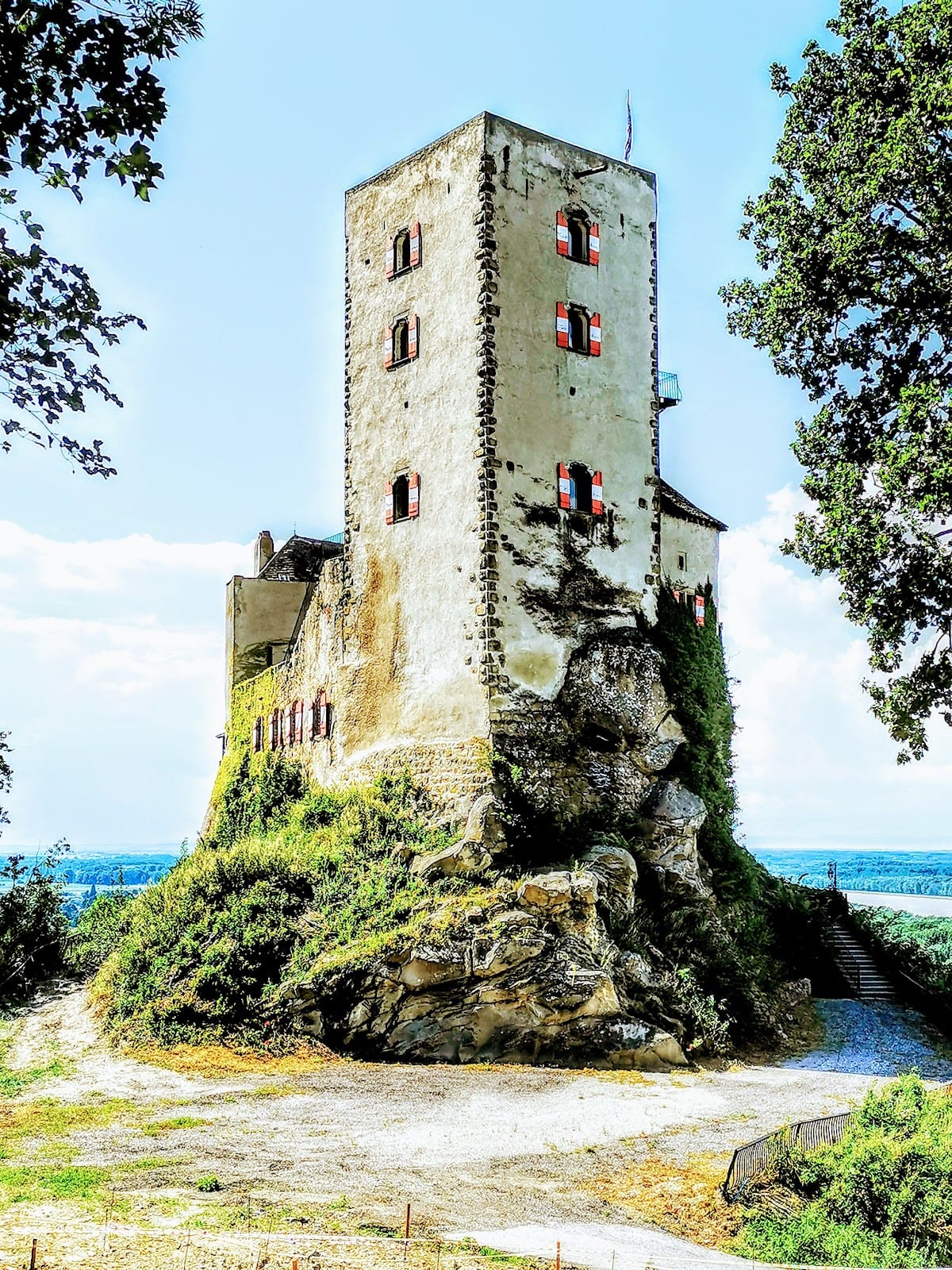
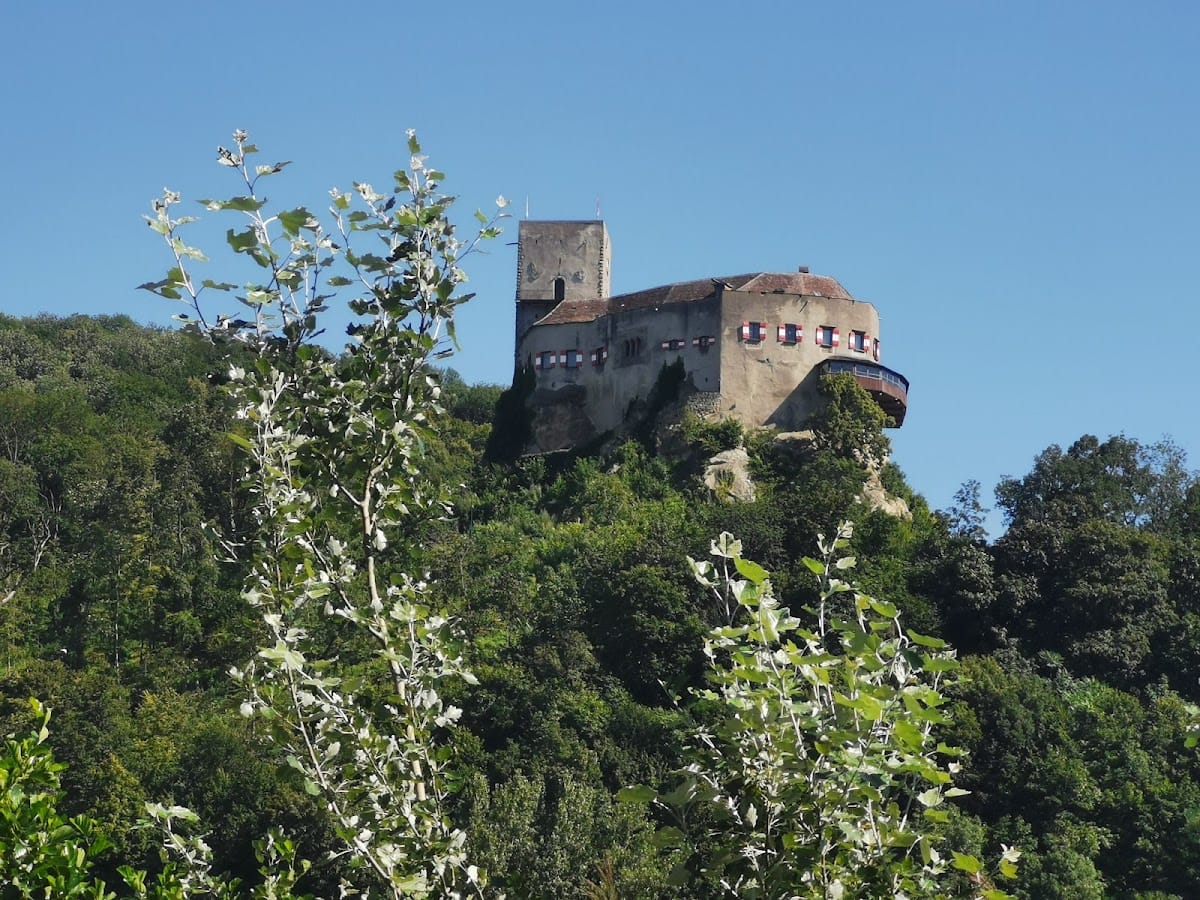
Burg Greifenstein is situated on a rocky hill above the southern bank of the Danube near the village of Greifenstein, within the municipality of Sankt Andrä-Wördern in Lower Austria, northwest of Vienna. The castle was likely built in the 11th century by the Bishopric of Passau, which held feudal authority in the region. Before the medieval castle, a Roman observation tower may have stood on the site, indicating its long-standing strategic importance.
The castle first appears in written records in 1135, linked to Dietrich von Greifenstein, probably a vassal serving the Passau bishops. In 1247, Bishop Rüdiger von Bergheim undertook significant expansions. Burg Greifenstein was part of a defensive system guarding the Danube bend and the Korneuburg Gate, west of the Vienna Gate. Its beacon fire station allowed communication with nearby castles Kreuzenstein and Leopoldsberg. In 1365, the castle endured a siege by citizens of Klosterneuburg, though the reasons remain unclear.
Between 1485 and 1490, Hungarian forces controlled the castle. In 1529, during the Ottoman siege of Vienna, Ottoman troops captured the nearly undefended castle and destroyed its valuable archive. Afterward, the castle was rebuilt but gradually lost its military significance. Around 1600, its role shifted to serving as a prison for ecclesiastical court sentences, detaining both clerics and laypeople in its tower dungeon. The castle remained inhabited until about 1770, after which it was abandoned and fell into ruin.
Ownership stayed with the Passau bishops until 1803, when Emperor Joseph II secularized the property and sold it publicly. Johann I of Liechtenstein acquired the castle in 1807 and completed a restoration by 1818. His renovations preserved the medieval core while transforming the castle into a Romantic-style “knight’s castle,” reflecting 19th-century medieval ideals. Prince Alois II of Liechtenstein later brought artworks and weapons from other family estates to Greifenstein. By the late 19th century, the castle declined again and changed hands several times during the 20th century. Notable owners included Hugo Kostenitz in 1918, Maximilian Mautner in 1931, and Johannes Hübner in 1960, who restored the site and opened a restaurant and exhibition rooms.
In 2006, a major fire destroyed the restaurant and the ceiling of the knights’ hall, leading to the closure of public access. The castle was offered for sale in 2010 and eventually sold in 2017 to Ernst Strobl, a logistics entrepreneur.
Remains
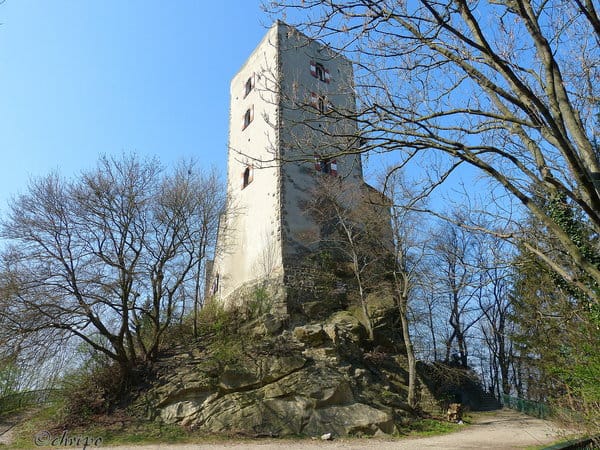
Burg Greifenstein is built primarily of stone and features a massive square bergfried, or keep, along with the core of the palas, the main residential building, dating back to the 12th century. A castle chapel is documented from the 14th century. The layout includes an outer bailey, or vorwerk, added during the Renaissance period halfway down the slope.
The castle’s medieval masonry remains largely preserved despite later modifications. Early 19th-century renovations by Johann I of Liechtenstein introduced Romantic elements such as a gatehouse with a machicolation, a gallery, and a viewing terrace, while maintaining the medieval character. Interior decoration from around 1850 reflects Gothic inspiration, featuring art and weapons mainly transferred from Schloss Seebenstein.
In 1931, owner Maximilian Mautner added two historically styled windows on an exterior wall: a two-part Gothic window and a three-part Romanesque window, enhancing the castle’s historic appearance. The castle overlooks the Danube and the southern peaks of the Vienna Woods, with a superior panoramic view available from a lookout tower on the nearby Tempelberg hill.
The 2006 fire caused significant damage, destroying the restaurant and the ceiling of the knights’ hall. Since then, public access has been restricted. Despite this, the castle’s stone structures and medieval elements remain visible, reflecting its long history and various phases of construction and restoration.
Nearby sites