Bukhansanseong: A Joseon Fortress Protecting Seoul
Site at a Glance
- Rating
- 4.5
- Popularity
- Low
- Country
- South Korea
- Primary era
- Early Modern
- External website
- Open
- Eras represented
- Early Modern
- Civilizations
- Joseon
- Site type
- Military
- Remains
- Fort
On this page7 sections
History
Bukhansanseong is a fortress in South Korea, near Seoul in Goyang-si, built by the Joseon dynasty in 1711 as a major defensive work of the Joseon period. It protected the approach to Seoul and provided a royal refuge during emergencies. Its construction addressed weaknesses exposed by the Imjin War, Japan’s invasion of Korea from 1592 to 1598, and the Second Manchu invasion, the Qing invasion of Joseon in 1636.
Earlier Fortress Traditions
A fortress bearing the same name is recorded as having been built in 132 CE by Gaeru of Baekje, one of the ancient Three Kingdoms of Korea. At that time, Baekje’s capital was at Wiryeseong Fortress in Hanam. The relationship between this earlier fortress and the later Bukhansanseong remains contested, and the two have often been treated as the same site.
Joseon Construction
Discussion of building a fortress in the area had begun by 1451, during the reign of King Munjong, who ruled from 1450 to 1452. Plans for the fortress in its modern form date to 1659. Construction began on 3 April 1711, during the thirty-seventh year of King Sukjong’s reign, and the fortress was completed within that year. Sukjong ruled Joseon from 1674 to 1720.
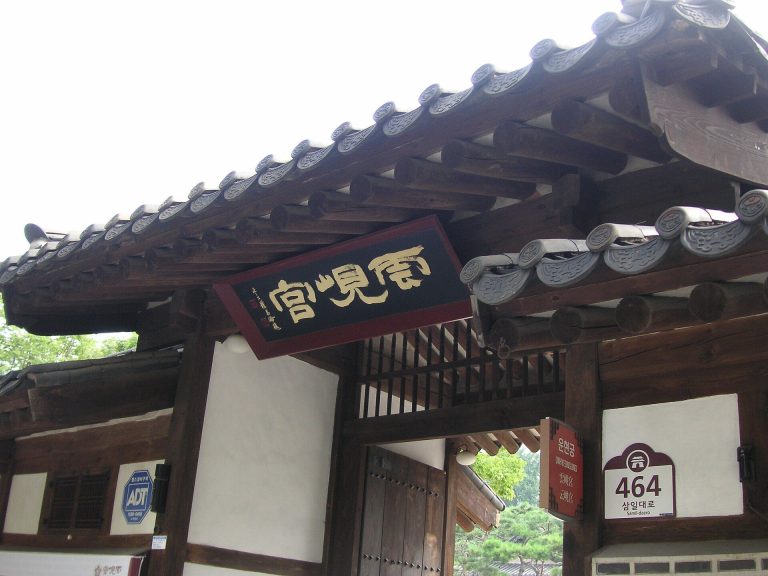
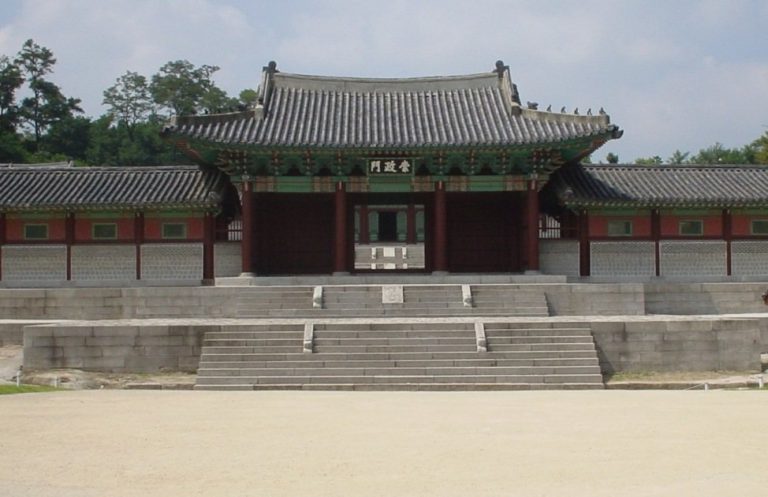
The Temporary Palace was completed in May 1712. Jongseongmun, an inner gate protecting the inner fortress and important facilities including the Temporary Palace and Jungheungsa, followed in 1714. Three military units, collectively known as Samgunmun, were stationed at separate locations inside the fortress. They were the Hunryeongdogam, Geumweiyoung, and Eoyoungcheong.
Religious and Modern Status
Thirteen Buddhist temples were established within the fortress for monk-soldiers. Six survive, while the others have been lost and are designated as historical sites. Bukhansanseong Fortress became Historic Site of South Korea No. 162 on 5 December 1968, and the fortress is preserved.
Remains
Walls and Entrances
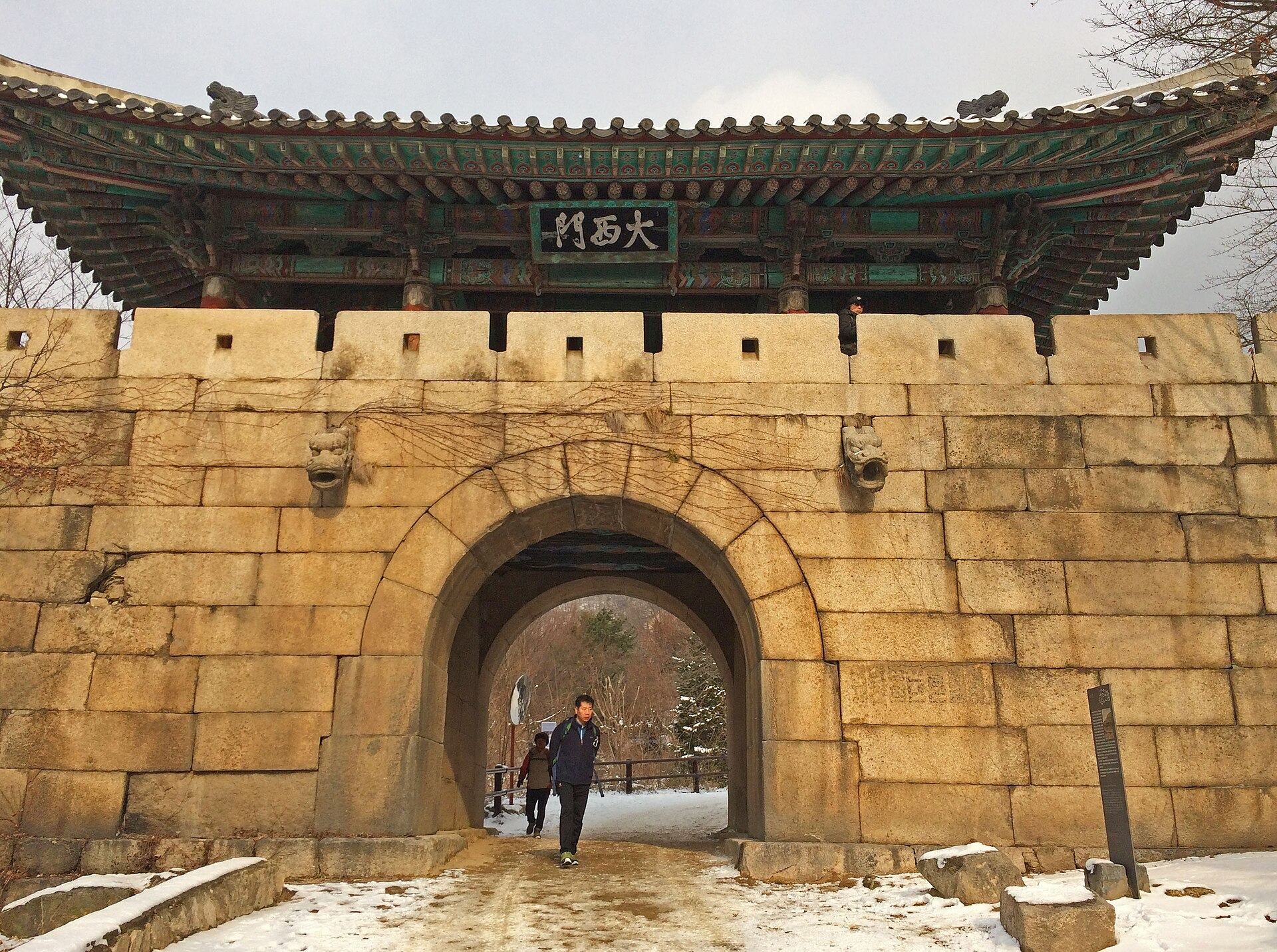
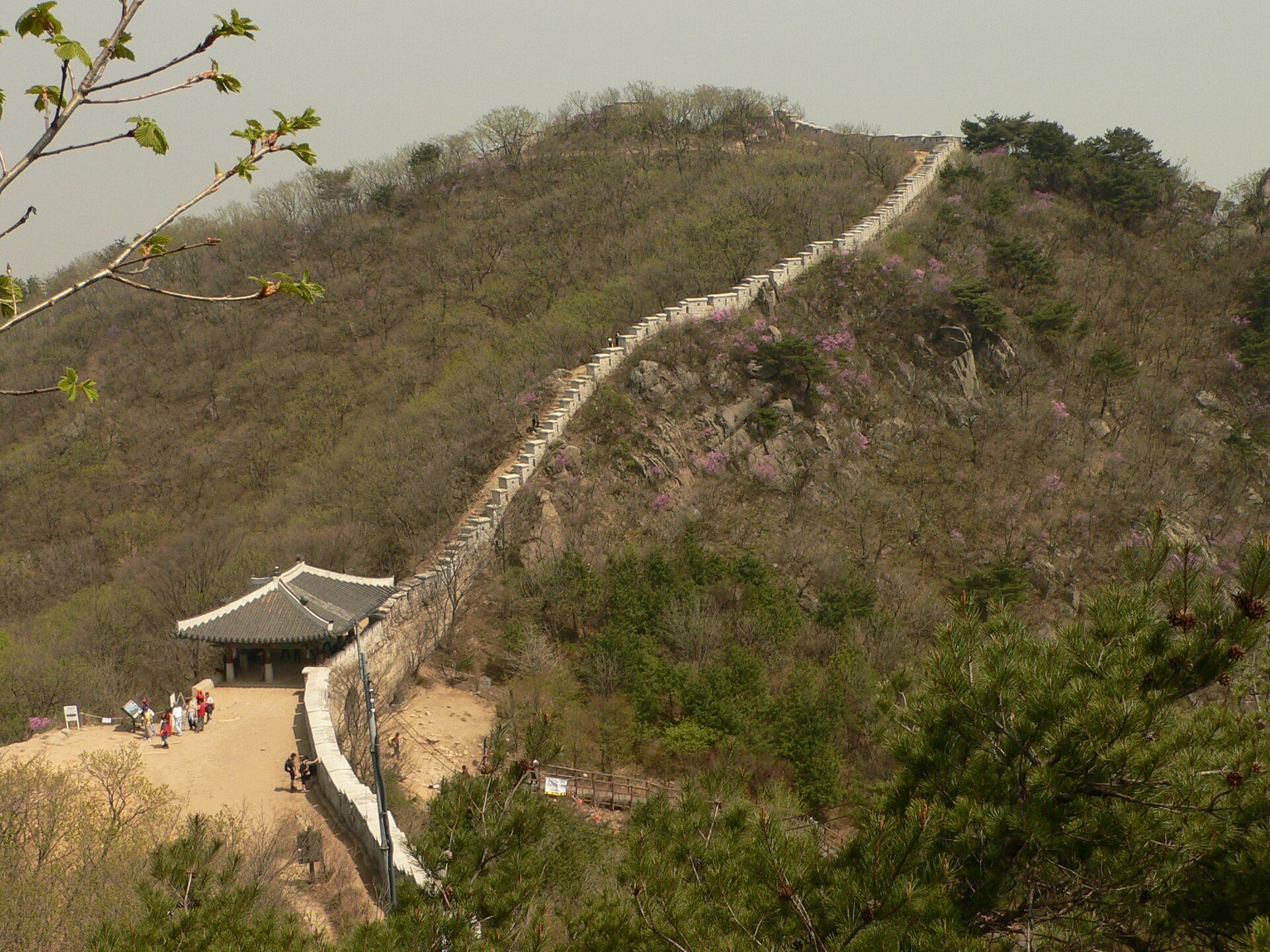
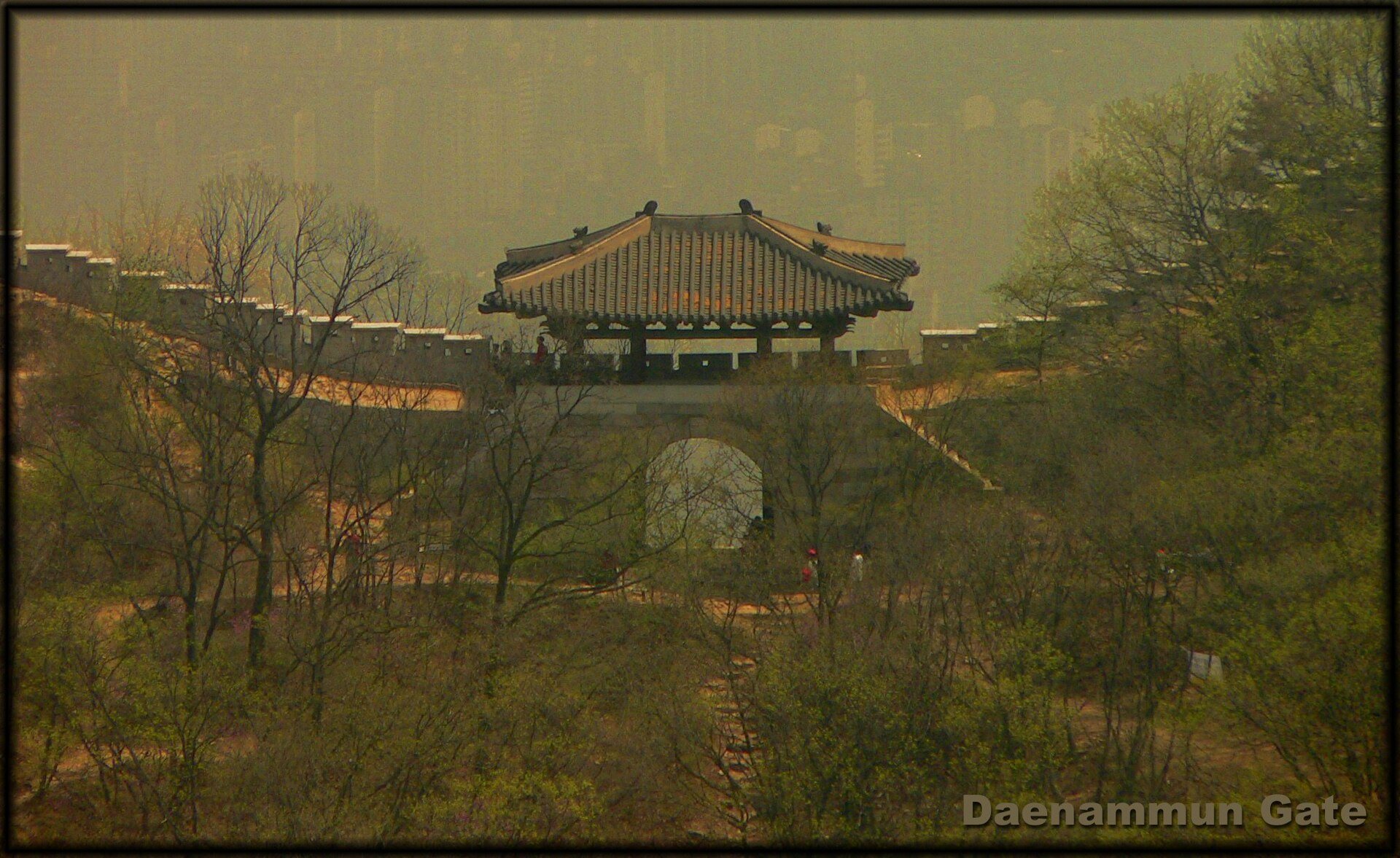
The fortress covers approximately 6.2 square kilometers. Its outer wall extends for about 12.7 kilometers and is approximately 7 meters high. Built in roughly six months in 1711, it encloses a defensive system with six large gates, eight secret gates, and two water gates. A total of 143 seongrang, or sentry posts, formed part of the fortifications.
Internal Facilities
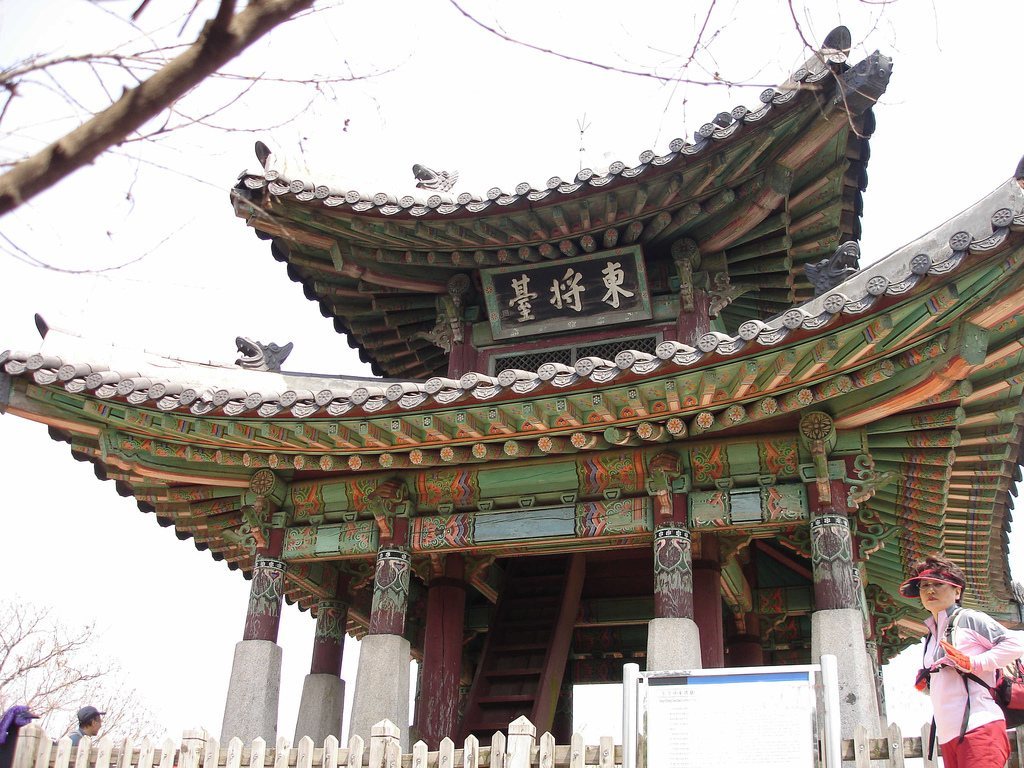
Within the fortress were 120 rooms, the Temporary Palace, three jangdae commanding posts, and three military camps known as yuyoung. Seven armories, 99 wells, and 22 small reservoirs supported the garrison and its operations. The thirteen Buddhist temples formed another important group of internal facilities. Six remain within the fortress, while the other temple sites have been lost.