Borga-Kash: A 15th-Century Islamic Mausoleum in Ingushetia, Russia
Site at a Glance
- Popularity
- Medium
- Country
- Russia
- Primary era
- Medieval
- Eras represented
- Medieval
- Civilizations
- Unclassified
- Site type
- Religious
- Remains
- Tomb
On this page4 sections
History
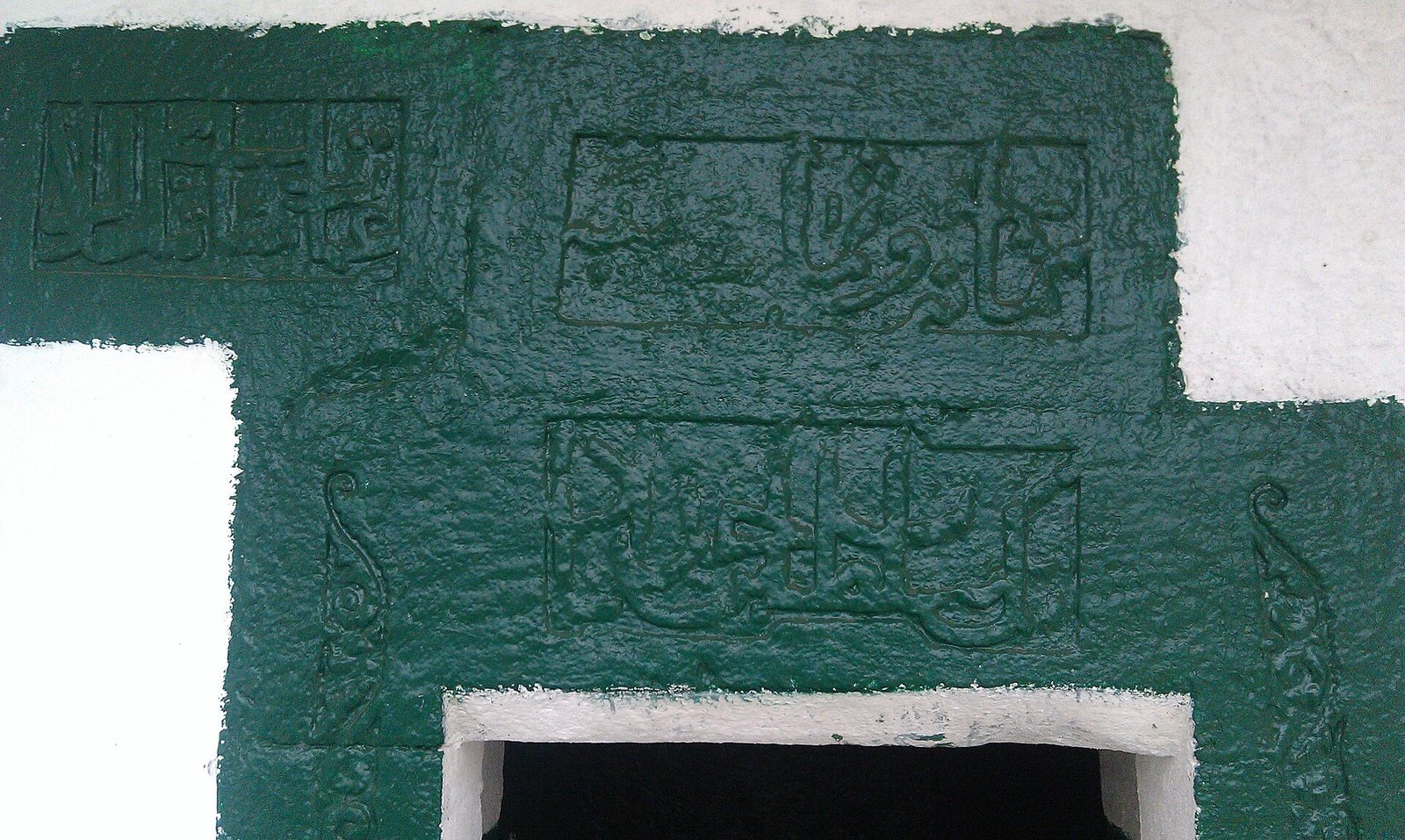
Borga-Kash is a 15th-century Islamic mausoleum at the northwestern edge of Plievo in Ingushetia, Russia. It is described as one of the oldest surviving Muslim monuments in the North Caucasus and the oldest in Ingushetia, as well as the oldest Bragun mausoleum in the republic. An inscription dates its construction to 808 AH, a year in the Islamic lunar calendar corresponding to June 29, 1405, through June 17, 1406. It names the mausoleum as the burial place of Bek-Sultan, son of Khudaynad. The first recorded mention dates to the mid-16th century.
Local traditions
Stories about the mausoleum connect it with several other figures. One says that Borgan built it for a young man he loved. Another concerns an Arab sheikh, said to have lived in Ingushetia and been associated with Burhan Khan, a leader bearing a title used by rulers and leaders in Central and Inner Asia. In this tradition, the sheikh chose his burial place as death approached, and the mausoleum was built where his camel stopped. A further tale says that a man named Uzbek, who had lived near present-day Yandare, left instructions for burial there after departing Ingushetia following Timur’s arrival. Timur was a Central Asian conqueror who founded the Timurid dynasty.
The name is rendered as Borgan’s Tomb, and scholars have linked it to the Borgan ethnographic group. Local lore also held that honey flowed from the grave for many years. Another story claimed that a powerful wind blew inside and that no one could enter.
Looting and repair
The mausoleum was plundered repeatedly by people searching for treasure, with the latest such episode occurring in the closing years of the 19th century. In 1876, a fragment was stolen and taken to Moscow. Local residents repaired the building during the 1910s. The mausoleum was also studied by L. P. Semenov, I. P. Shcheblykin, and L. I. Lavrov, and it is protected as a federal cultural heritage site of Russia.
Remains
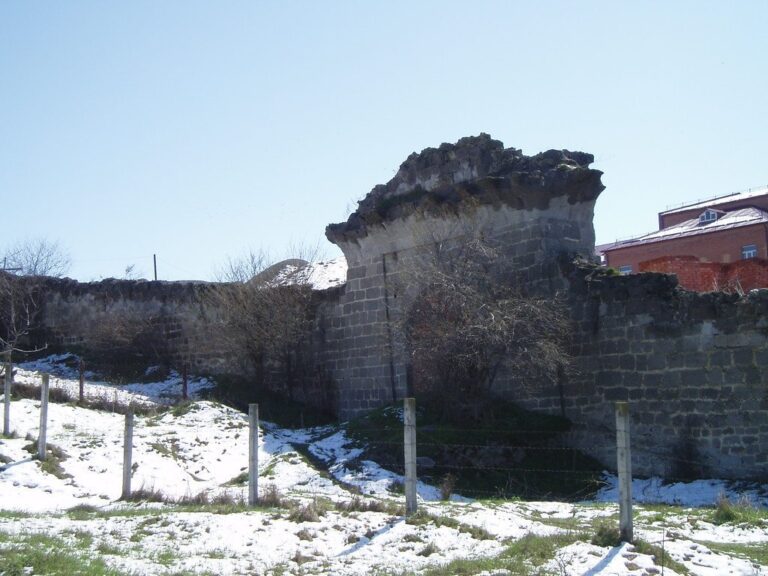
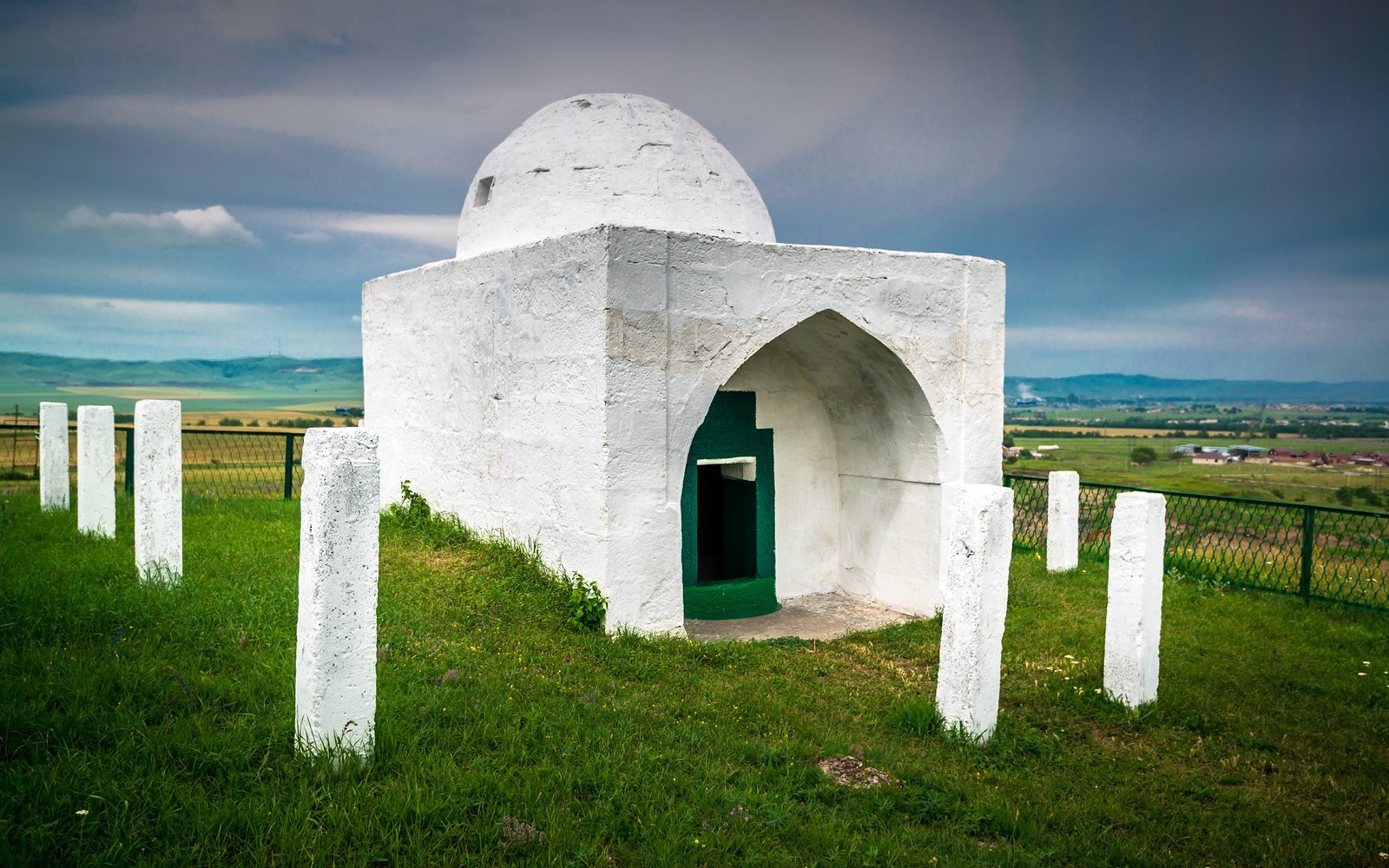
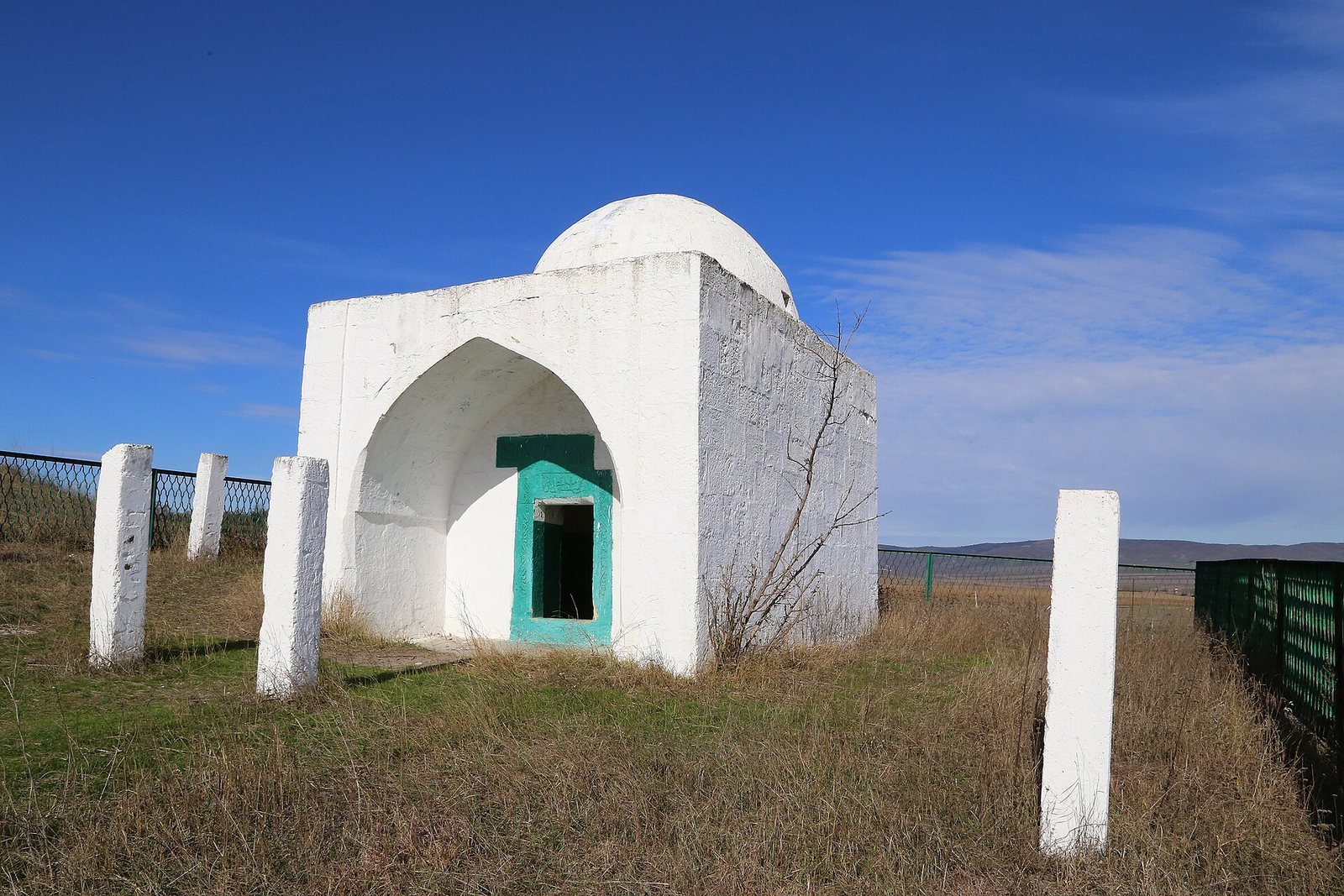
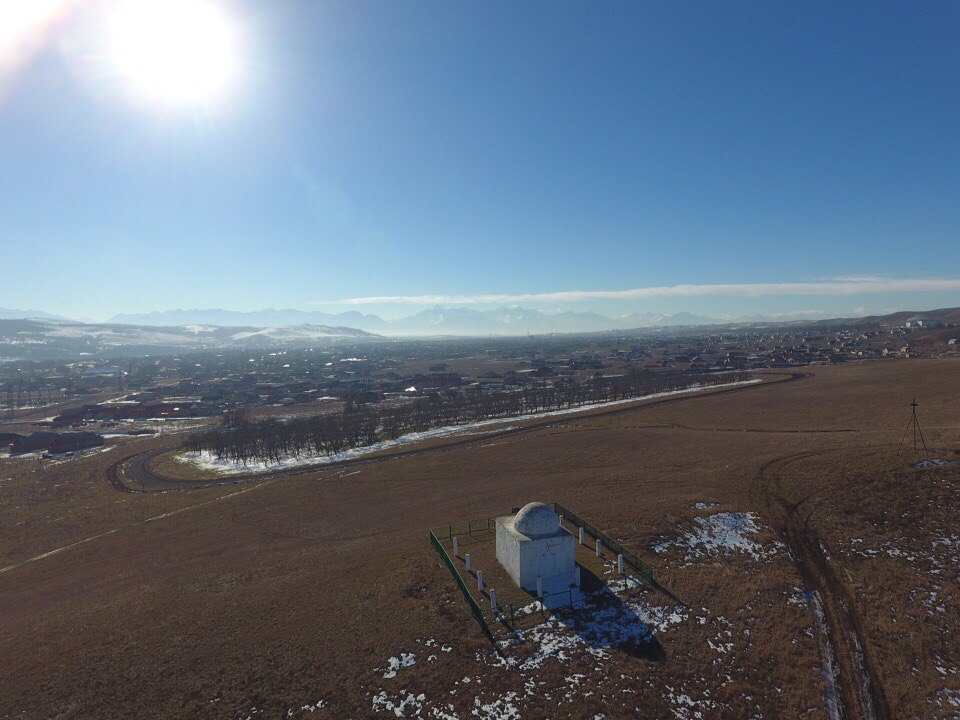
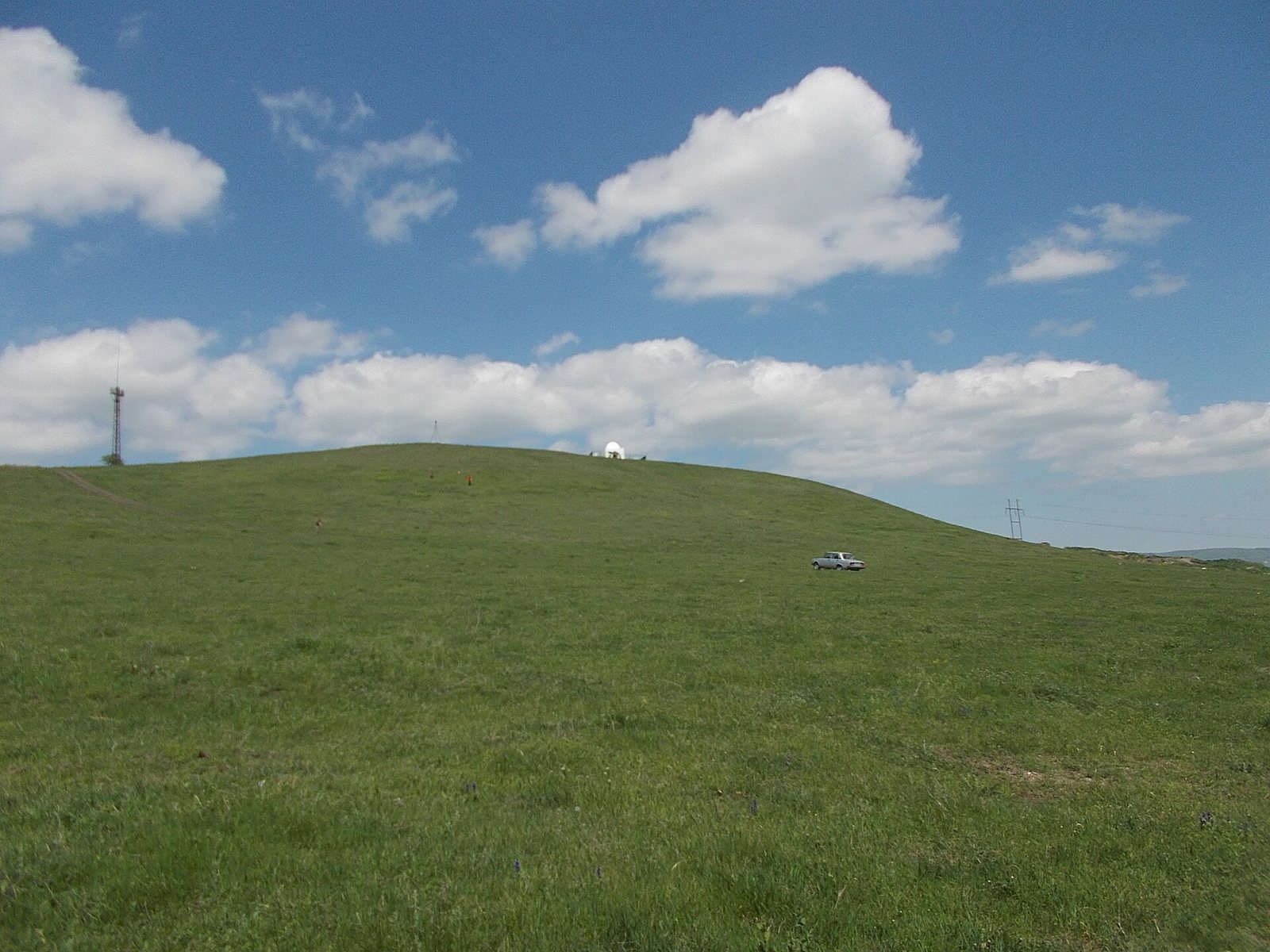
The mausoleum stands on a spur of the Sunzha Range, on the hilly left bank of the Sunzha River, at an elevation of 652 metres. Built of white stone, it measures 5.5 metres long, 4 metres wide, and 3.2 metres high. Its base is rectangular, while the roof forms a semicircular dome.
A low entrance on the south side sits beneath a pointed arch. Three slabs bearing Arabic inscriptions are set above it. The walls were painted sky blue.