Egikalsky Burial Ground: A Kura–Araxes Funerary Monument in Russia


Site at a Glance
- Rating
- 4.9
- Popularity
- Low
- Country
- Russia
- Primary era
- Bronze Age
- External website
- Open
- Eras represented
- Bronze Age
- Civilizations
- Unclassified
- Site type
- Burial
- Remains
- Necropolis
On this page6 sections
History
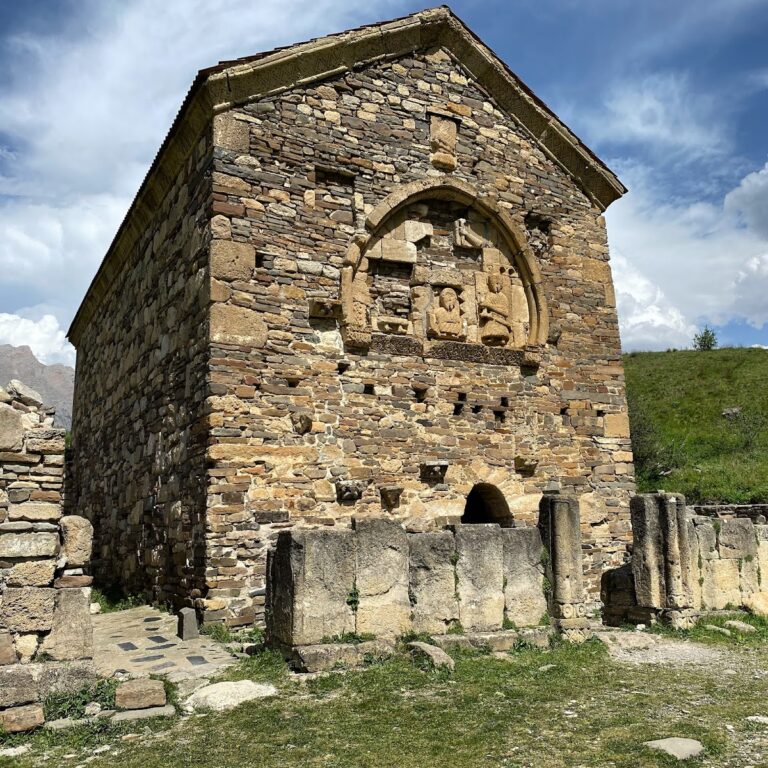
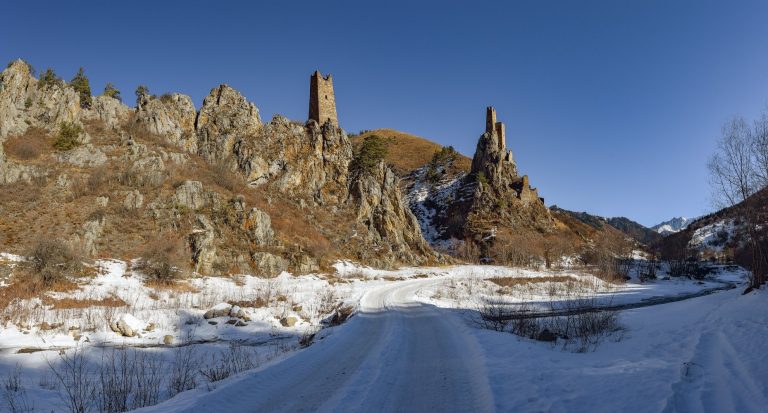
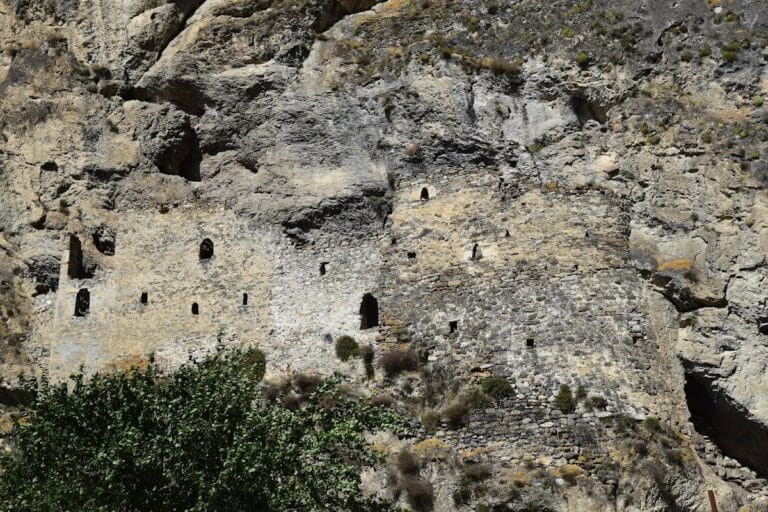
Egikalsky burial ground is a funerary monument in Russia associated with the prehistoric Kura–Araxes cultural-historical community, whose stone-cist burials date to the end of the 3rd millennium BC. The site lies in the Targim Basin on the southern slopes of the Rocky Range, west of the ancient city of Egikhal. Its remains represent more than one phase of burial activity, including later structures attributed to the North Caucasian cultural-historical community.
Kura–Araxes burials
The earlier stone-cist burials belong to the Kura–Araxes tradition, a prehistoric culture of the southern Caucasus and nearby regions recognized through its distinctive pottery, burial customs, and associated objects. V. L. Rostunov and B. M. Khashagulgov dated these burials to the end of the 3rd millennium BC.
Later burial phase
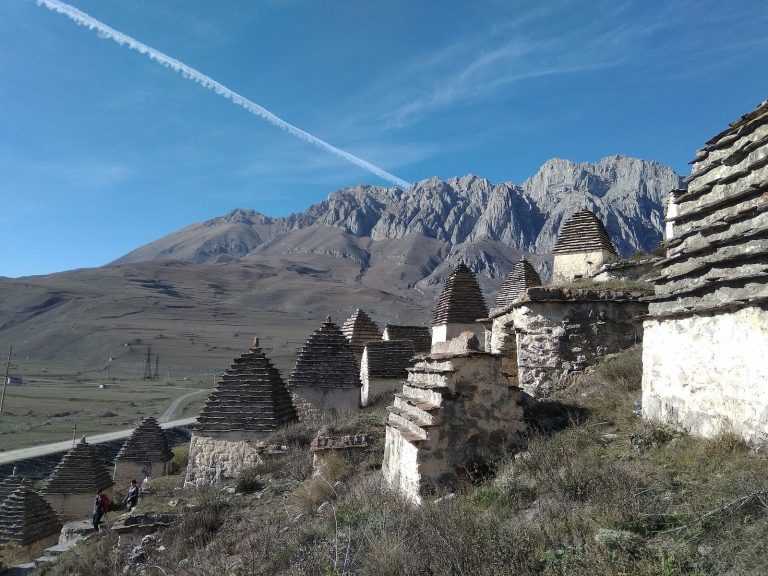
Other structures within the burial ground are described as crypts or tombs. V. I. Markovin considered them somewhat later and connected them with the North Caucasian cultural-historical community, dating them to around the middle of the 2nd millennium BC. B. M. Khashagulgov discovered and investigated the burial ground during fieldwork in 1988.
Remains
The investigated area contains stone cists and other enclosed burial structures. A stone cist is a burial container formed from upright stone slabs, with the burial covered by additional stone packing. The cists at Egikalsky burial ground were arranged with their stone slabs set on edge and protected by a substantial layer of stones.
Stone-cist burials
In the Kura–Araxes cists, the deceased were placed on the left side in a contracted position, aligned from northwest to southeast. Grave goods included flint arrowheads and bronze earrings formed with one and a half turns. Numerous vessels were placed along the northwest end walls. The pottery follows the principal characteristics of Kura–Araxes ceramic tradition. Each of two cists contained three vessels, including two-handled pots and one-handled jugs.
Pottery and later tombs
Almost all the vessels were brown or pinkish-brown and generally undecorated. One jug has a pattern of oblique parallel lines across the upper part of its body. The burial ground also includes crypts, which are enclosed burial chambers, and tombs, a general term for burial structures. These belong to the later group associated with the North Caucasian cultural-historical community.