Bois-Seigneur-Isaac Abbey: A Monastery and Pilgrimage Sanctuary in Belgium
Site at a Glance
- Popularity
- Medium
- Country
- Belgium
- Primary era
- Medieval
- Eras represented
- Medieval, Early Modern, Modern
- Civilizations
- Belgian, Duchy of Brabant, Habsburg, Holy Roman Empire, Spanish
- Site type
- Religious
- Remains
- Monastery
On this page8 sections
History
Bois-Seigneur-Isaac Abbey is a Catholic monastic complex in Braine-l’Alleud, Belgium, whose foundation tradition places its first chapel in the 11th century. The site became a pilgrimage destination after a Eucharistic miracle in 1405 and later developed into a priory and abbey.
Chapel and pilgrimage
According to the foundation tradition, Lord Isaac was freed from captivity through a vision of the Virgin Mary during a Crusade. After returning, he built a wooden chapel in his woodland, dedicating it to Our Lady of Grace and Consolation. A statue of the Virgin there was venerated for nearly two centuries.
In 1336, during a plague in neighboring Ittre, villagers received permission from the bishop of Cambrai to carry the statue in procession. The plague was believed to abate wherever it passed. The villagers refused to return the statue, and the bishop eventually allowed it to remain in Ittre. A replacement statue was placed in the Bois-Seigneur-Isaac chapel.
On 5 June 1405, the parish priest of Ittre found a fragment of a consecrated host on the chapel altar cloth while celebrating Mass. The host is the Eucharistic bread that Catholics believe becomes the body of Christ. The fragment began to bleed when the priest picked it up. In 1410, the bishop of Cambrai recognized the miracle and authorized the chapel as a pilgrimage destination.
Priory, conflict, and suppression
Augustinian canons, clerics who live in community under the Rule of Saint Augustine, were summoned in 1413 to serve the growing number of pilgrims. Their priory became independent in 1416 and belonged to the Congregation of Windesheim, a reform movement among Augustinian canons.
During the 16th-century Wars of Religion, conflicts shaped by divisions between Catholics and Protestants, troops under William the Silent ravaged the priory in 1580. William was a leading figure in the Dutch revolt against Spanish rule. The canons fled, but later returned, rebuilt the priory, and resumed services for pilgrims.
French revolutionary authorities suppressed the priory in 1795, and the canons left at the end of 1796. Local intervention helped protect the chapel amid pillaging and damage to the priory. The cloister was demolished, some buildings became a farm, and a chaplain continued to serve the Holy Blood chapel throughout the 19th century.
Renewal and abbey status
In 1903, after religious communities were expelled from France, Premonstratensian canons from Mondaye Abbey took refuge at Bois-Seigneur-Isaac. The Premonstratensians are a Catholic order of canons regular. They bought and rebuilt the priory ruins, renewed devotion to the Holy Blood, and made the chapel their monastery church.
The Mondaye canons were permitted to return to their abbey in 1921, leaving Bois-Seigneur-Isaac in the care of Premonstratensian canons from Averbode. On 9 March 1925, Pope Pius XI, pontiff from 1922 to 1939, raised the priory to abbey status, and Prior Franken became abbot. The abbey became dependent on Averbode Abbey in 1957.
The estate received heritage classification in 1944 and exceptional heritage recognition in 2013.
A Maronite monastery and continuing devotion
On 1 January 2010, Bois-Seigneur-Isaac became a monastery of the Lebanese Maronite Order, a Catholic monastic order within the Maronite tradition. The community aimed to continue the Premonstratensian mission. The site remained a sanctuary of the Holy Blood, a devotion to Christ’s blood associated with relic traditions and Eucharistic miracles, and also became dedicated to Saint Charbel. Relics of Saint Charbel, a 19th-century Lebanese Maronite monk and hermit, were brought to the monastery.
The Fraternity of the Holy Blood, founded in 1900, remains active. Celebrations include a procession of the Blessed Sacrament through the village on the anniversary of the miracle before Pentecost, another on 1 July for the feast of the Holy Blood, and one on the Sunday after 8 September for the Nativity of Our Lady. Pilgrimage continued as the number of pilgrims began to grow, especially among Christians from Eastern Churches.
Remains
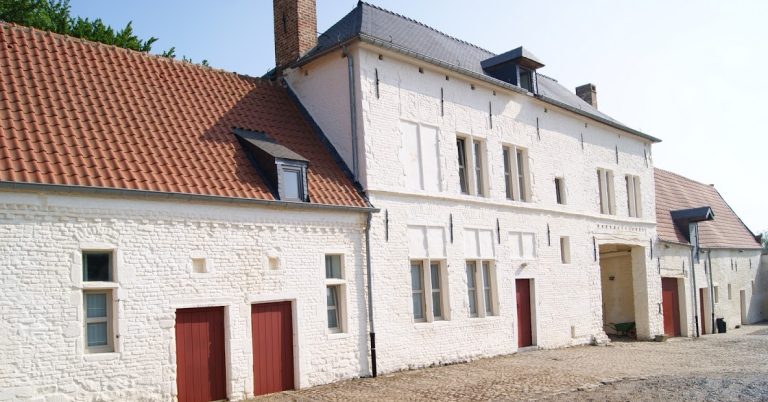
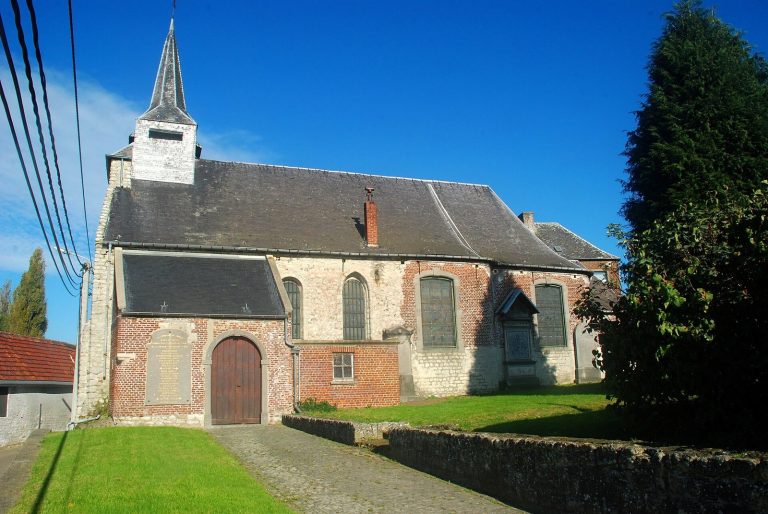
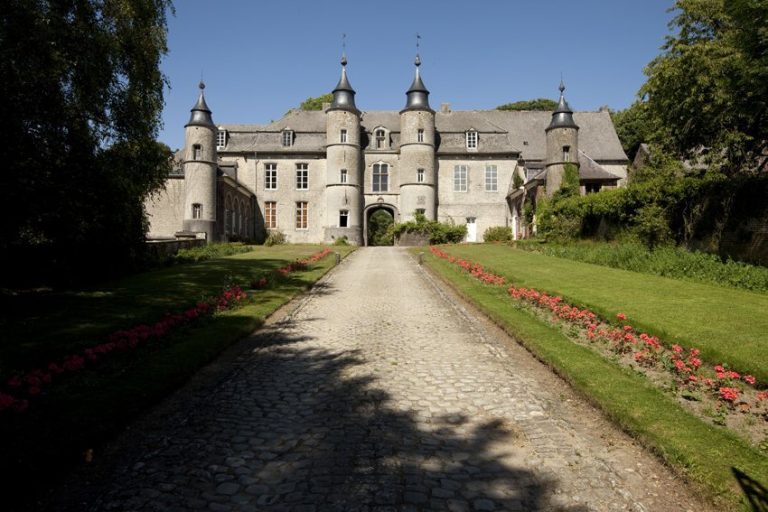
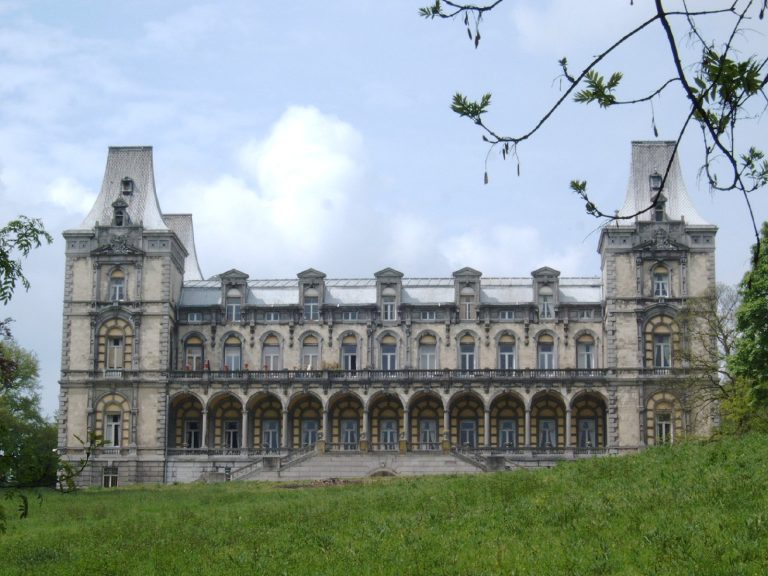
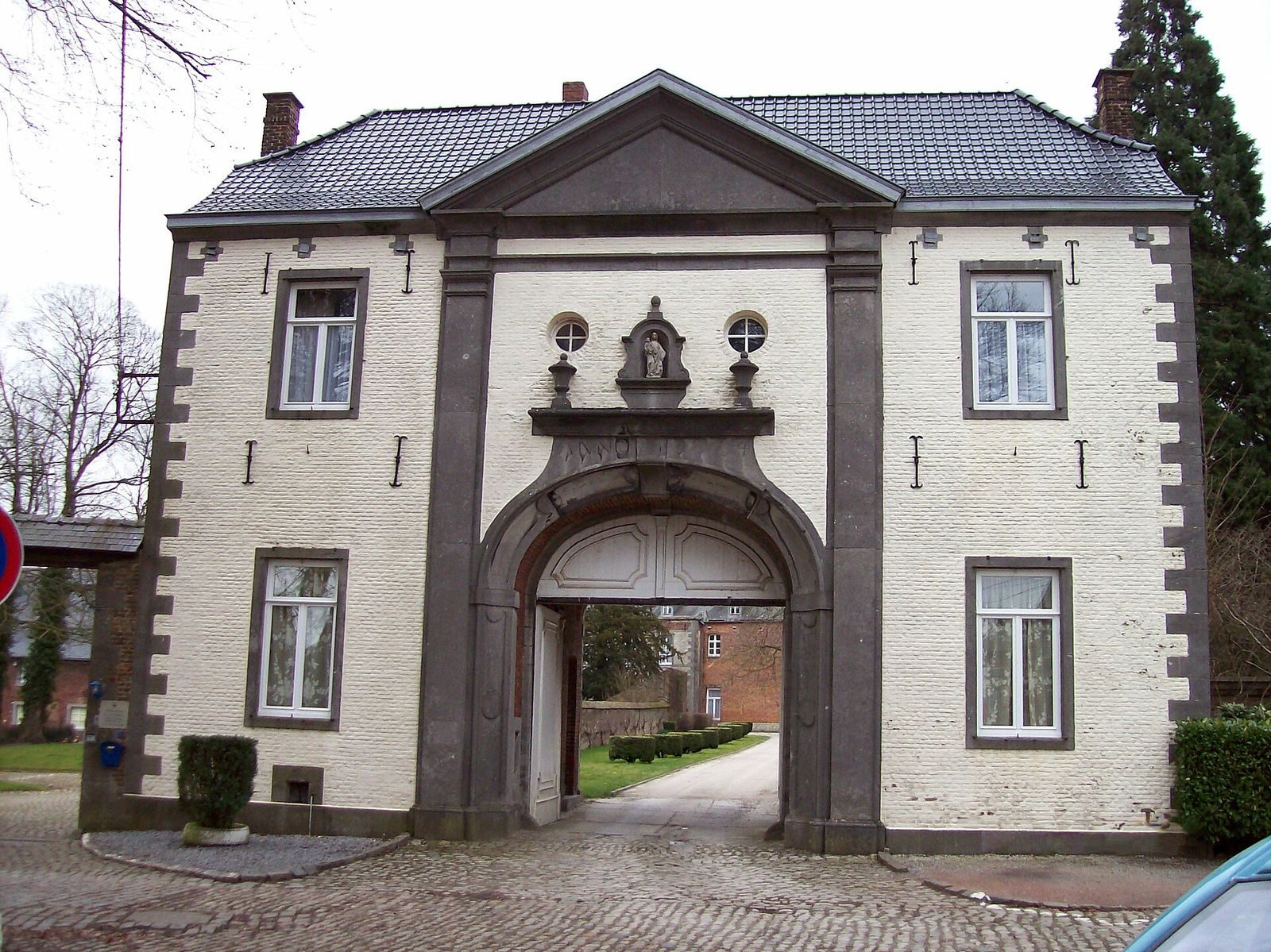
The ensemble includes a castle and park, the abbey, the Holy Blood chapel, a farm, and an entrance building. Its buildings do not share a uniform architectural style.
The Holy Blood chapel
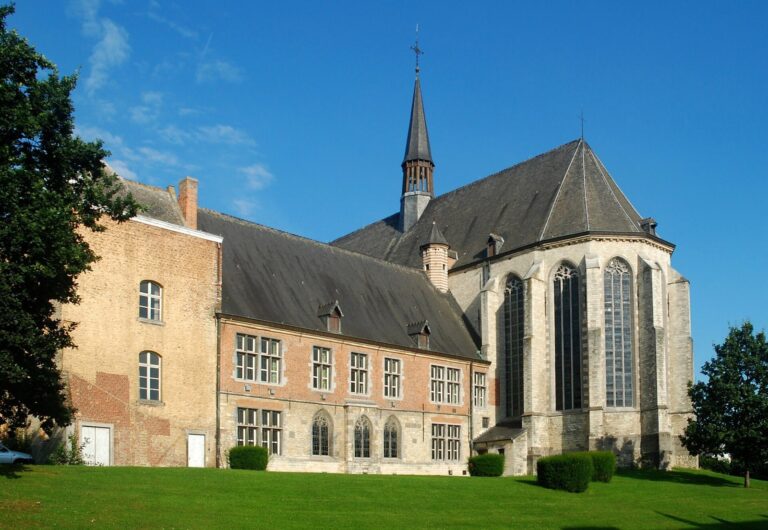
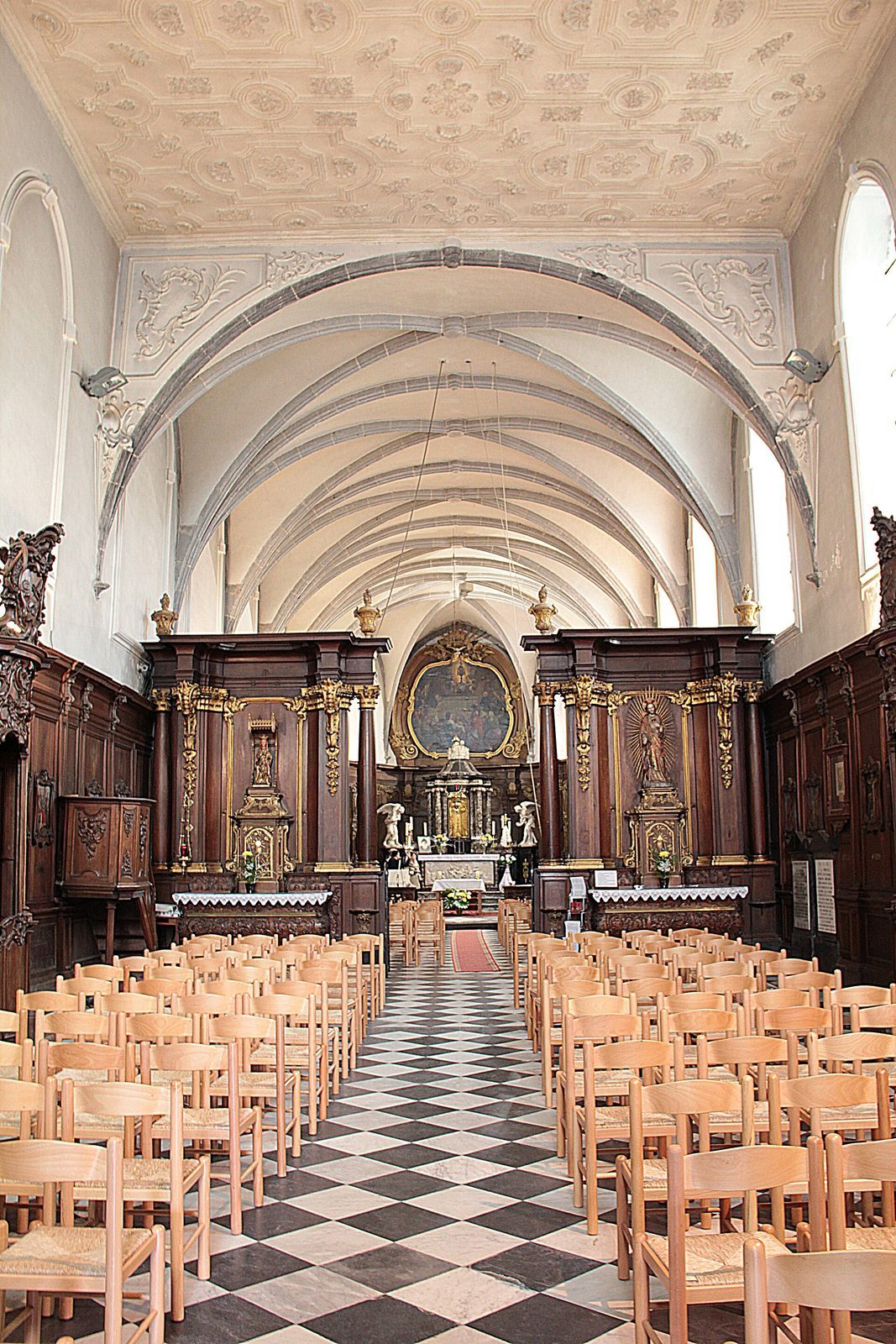
The chapel is the oldest building in the complex and now serves as the abbey church. It is Gothic, a medieval church-building style, and has a bell tower. Construction proceeded in phases over nearly two centuries. A date of 1593 appears on a keystone, the central stone at the crown of a vault, or arched ceiling, marking one stage of the work. The ceiling dates to the 16th century over the choir, the area around the altar, and to 1703 over the nave, the main body of the church. A stone in the choir floor commemorates the Eucharistic miracle associated with the chapel.
The chapel contains decorated seating for clergy in the choir and paintings of the Eucharistic miracle by J. Crockaert, dated 1777. Its sanctuary is richly decorated in the Louis XV style, the decorative arts associated with the French king’s reign from 1715 to 1774. Artworks include an Entombment by 18th-century sculptor Laurent Delvaux and a statue by 19th-century Belgian sculptor Guillaume Geefs.
Sacristy
The chapel’s Gothic sacristy, a room for clergy and church furnishings, has two long interior sections and dates to 1446. It preserves an altar cloth bearing six bloodstains attributed to the host involved in the miracle. The room also contains a painted statue of the Virgin and Child, a reliquary, a container for a sacred relic, a monstrance, a vessel used to display the consecrated host, and other reliquaries.