Baroncelli Chapel: A Gothic Chapel at Santa Croce in Florence
Site at a Glance
- Popularity
- Medium
- Country
- Italy
- Primary era
- Medieval
- Eras represented
- Medieval, Early Modern
- Civilizations
- Republic of Florence
- Site type
- Religious
- Remains
- Chapel
On this page11 sections
History
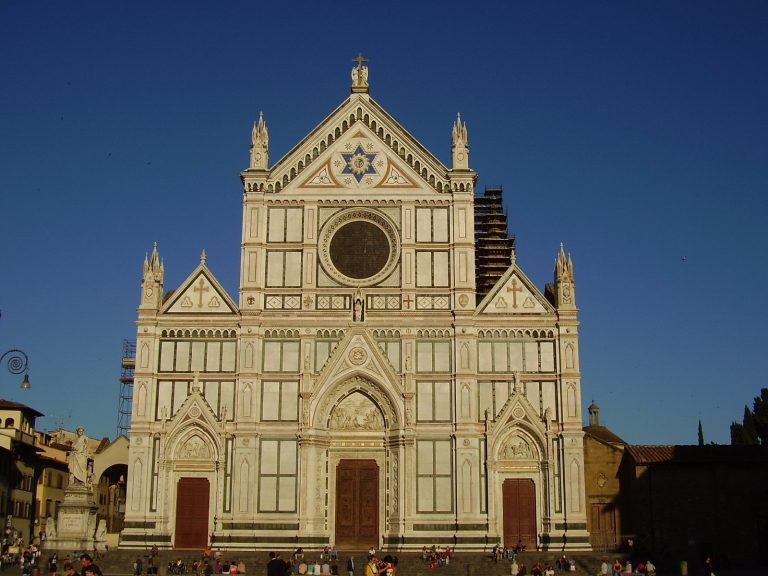
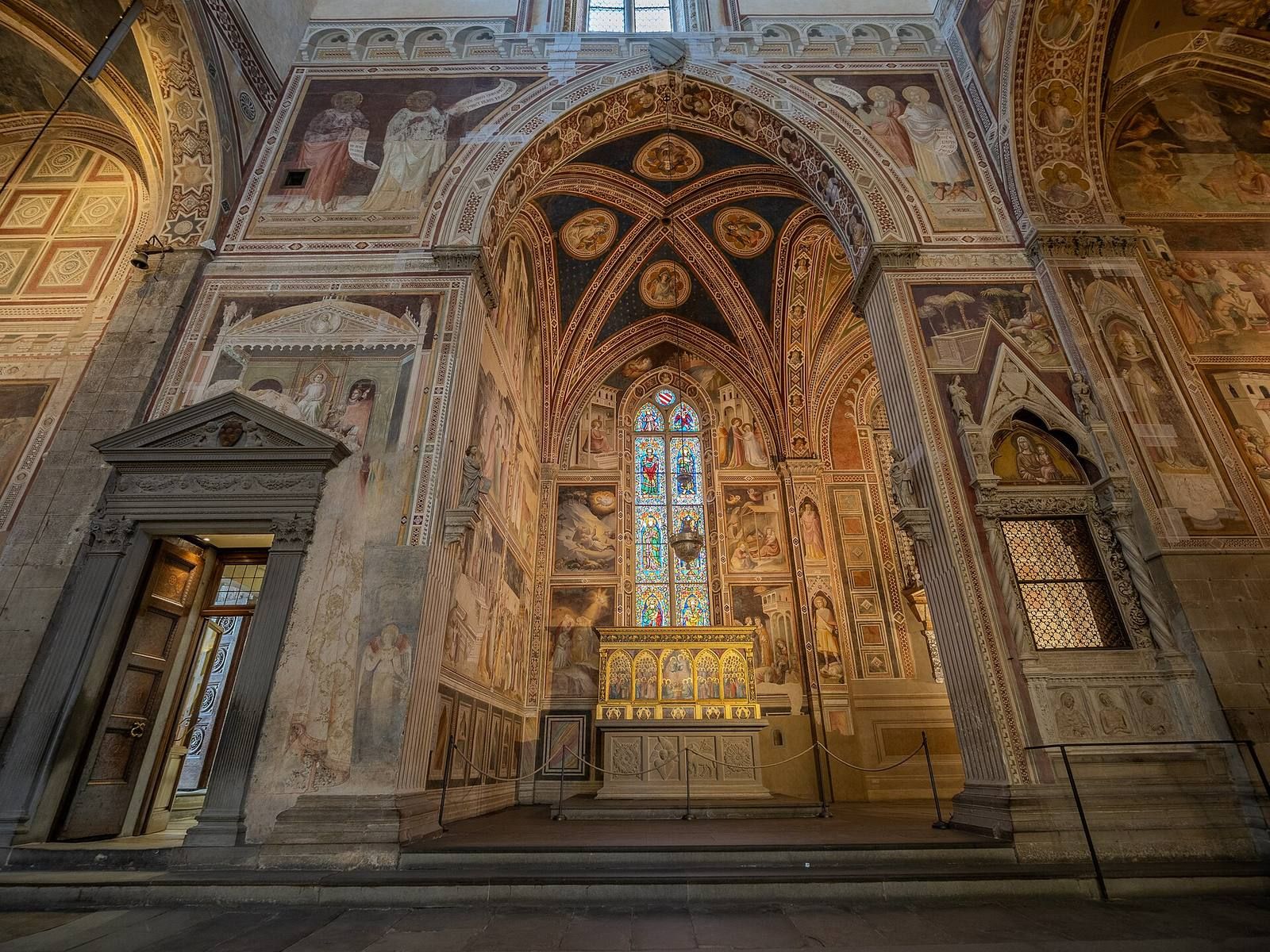
The Baroncelli Chapel is a Gothic chapel, in a medieval style associated with pointed arches and ribbed vaults, at the southern end of Santa Croce’s transept (the church’s crosswise arm) in Florence, Italy. Founded around 1328, it served as a chapel affiliated with the Franciscans, a Catholic religious order.
Remains
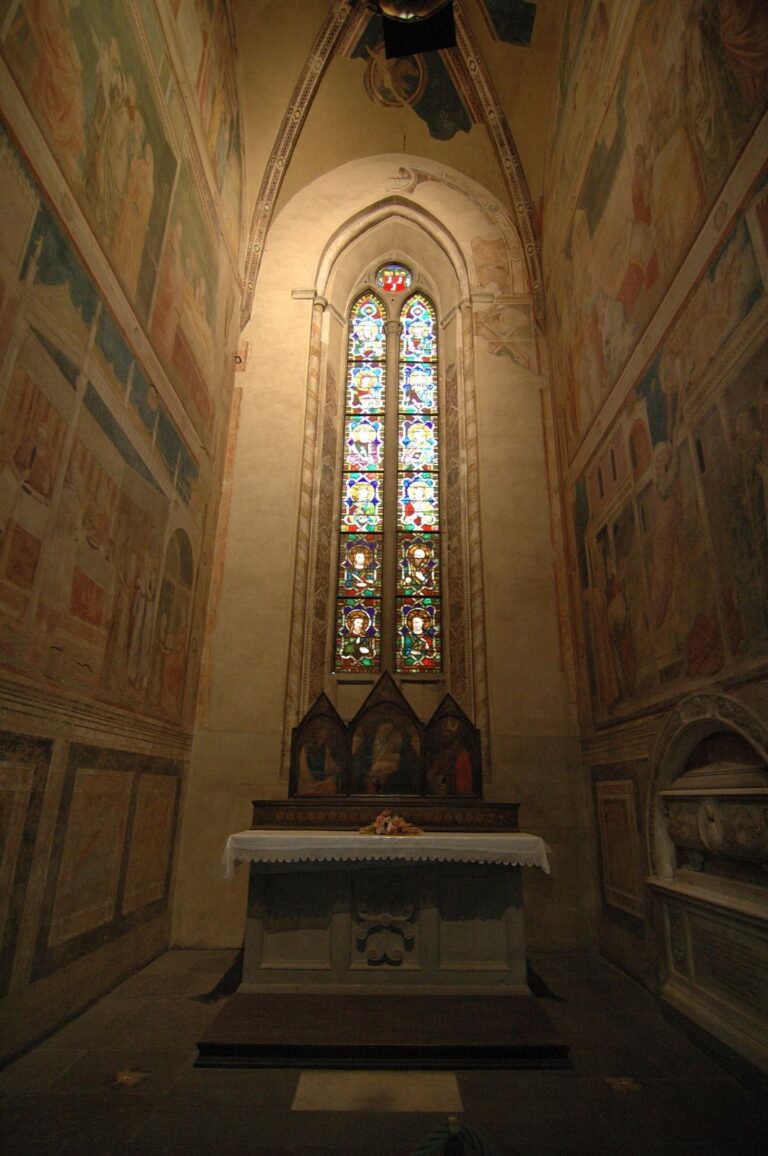
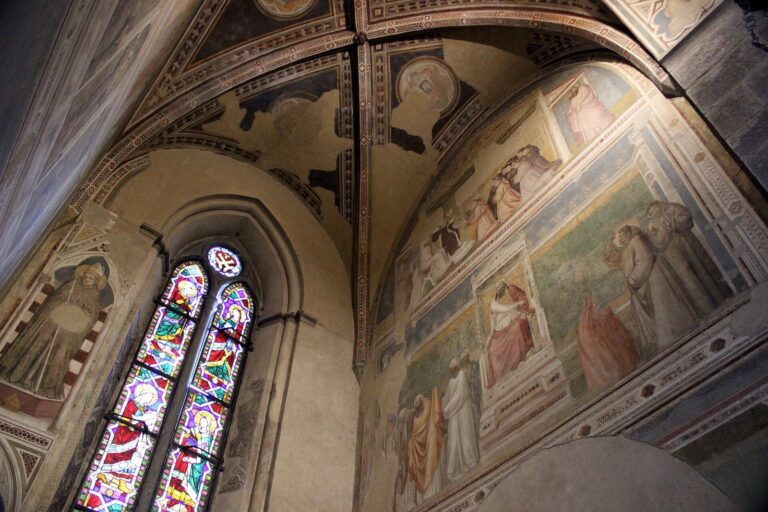
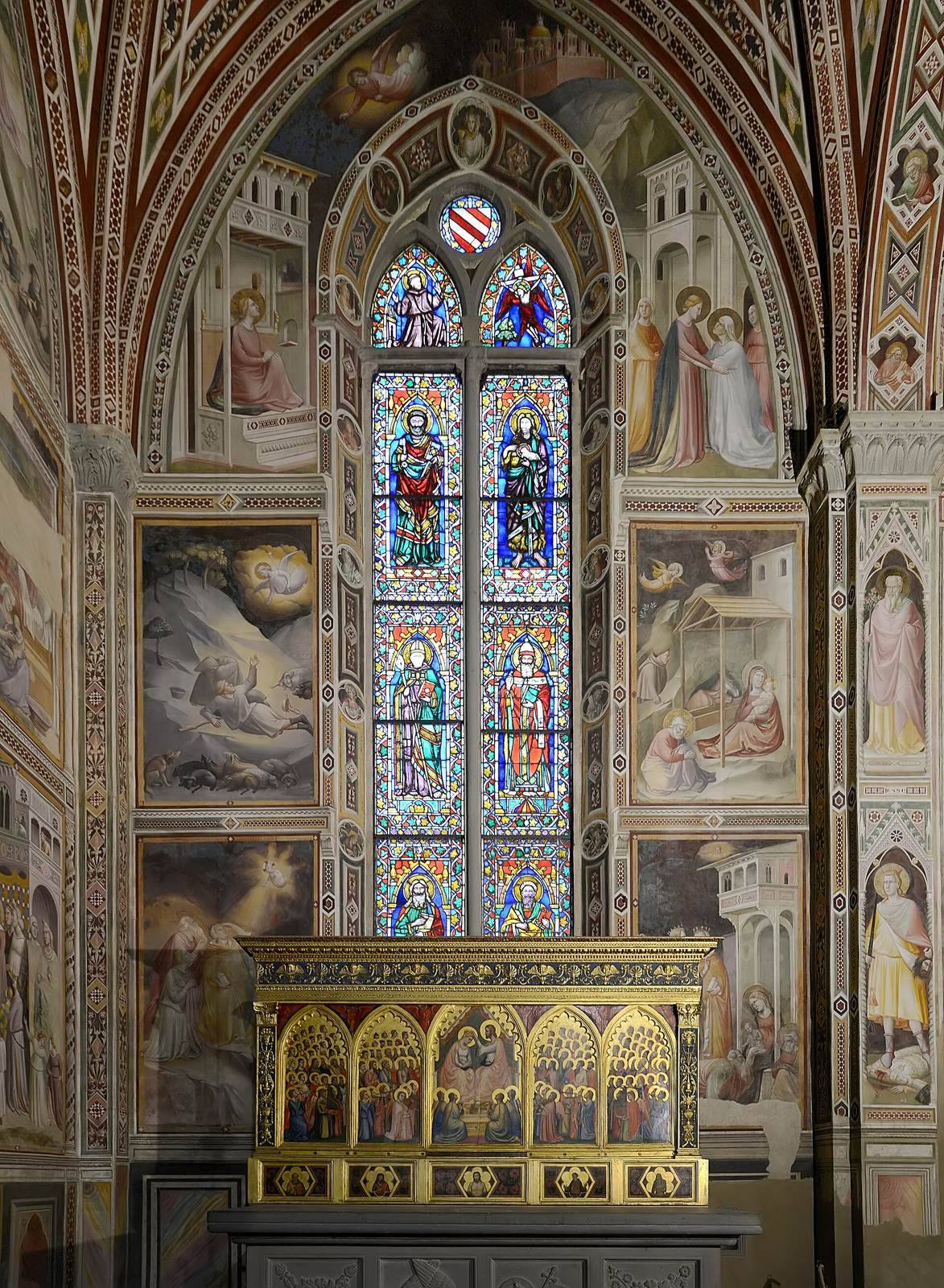
The chapel’s Gothic interior brings together frescoed walls and a groin vault (formed where two barrel vaults intersect), with a stained-glass window on the left. Its altarpiece and sculptures furnish the interior, while the Baroncelli family tomb is set into the exterior wall.
Frescoes
Narrative cycle
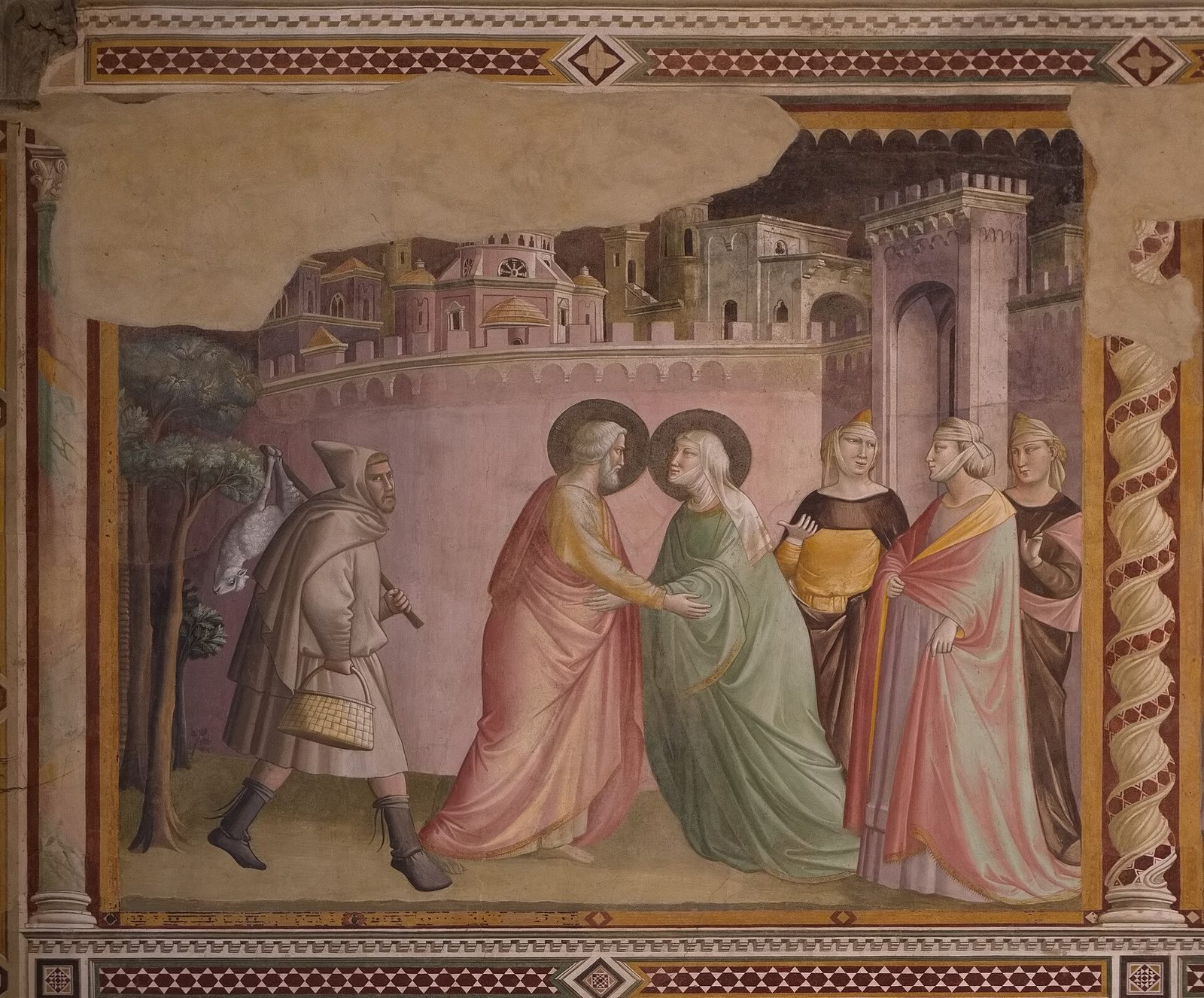
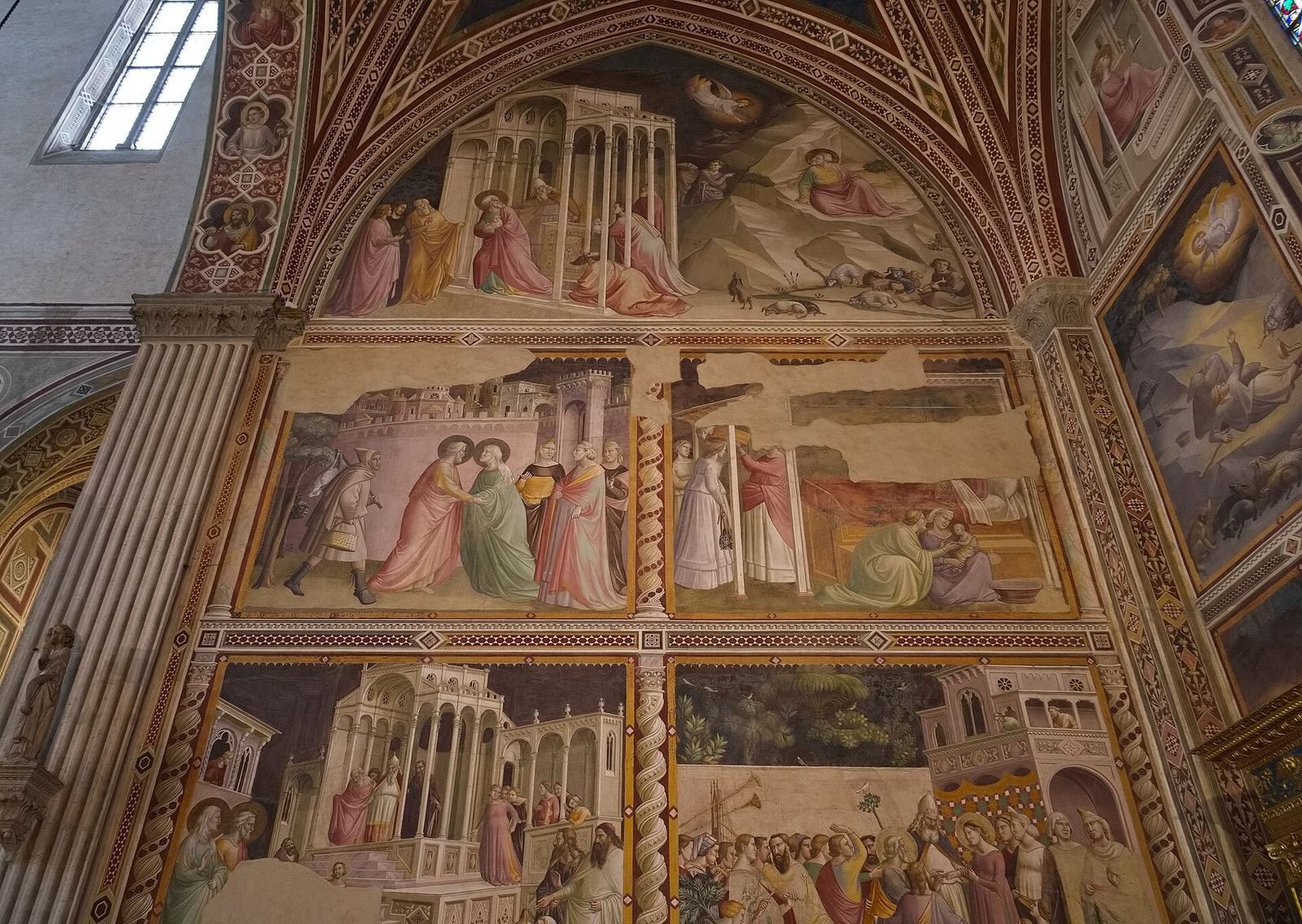
Taddeo Gaddi, a Florentine painter associated with Giotto’s workshop and style, painted the chapel’s fresco cycle between 1328 and 1338. It combines episodes from the lives of Mary and Jesus with Old Testament subjects. Among the scenes are Joachim’s expulsion from the Temple and his dream; his meeting with Anne, traditionally regarded as Mary’s mother, at the Golden Gate; Mary’s birth, presentation in the Temple, and marriage to Joseph; and Jesus among the teachers in the Temple. Other scenes show the empty tomb after the Resurrection, the Annunciation to the Shepherds, and the Adoration of the Magi. Old Testament subjects include the prophets Jeremiah, Isaiah, Daniel, and Ezekiel, as well as David’s defeat of Goliath.
Vault and painted niches
The figures are arranged in dense narrative groups, while geometric perspective shapes their architectural settings. In the scene of Mary’s presentation, an oblique staircase creates an illusion of depth. Delicate features and soft lines mark Gaddi’s late style, and the night lighting in the Annunciation to the Shepherds is especially notable. The curved sections of the groin vault carry images of faith, hope, and charity, the theological virtues in Christian teaching. Two painted niches may have been inspired by Giotto’s niches in the Scrovegni Chapel in Padua, which is known for his frescoes.
Later architectural work
Fresco remains on the chapel’s left side are overlain by Giorgio Vasari’s Renaissance architectural work.
Window, altarpiece, and interior sculpture
Stained-glass window
Gaddi designed the stained glass in the left window. Its imagery includes the Baroncelli family coat of arms, prophets and saints, and Saint Francis receiving the stigmata, the bodily marks that tradition associates with Christ’s wounds. Four prophets appear on the window’s exterior.
Baroncelli Polyptych
The Baroncelli Polyptych, a multi-panel altarpiece dated to around 1328–34, depicts the Coronation of the Virgin among angels and saints. Its attribution is disputed. An inscription reading Opus Magistri Jocti and historical testimony connect it with Giotto, a leading Italian painter of the late thirteenth and early fourteenth centuries. Its style, however, points to work by assistants, including Gaddi, while some attributions give the whole work to Gaddi. The style has also been associated with Giotto’s later work and a growing Gothic tendency, seen in more refined figure outlines and richer decoration. The pointed upper panel is now in the San Diego Museum of Art; the original frame was replaced in the fifteenth century.
Later paintings and sculpture
On the right wall is Sebastiano Mainardi’s Madonna of the Girdle, dated 1490. A Madonna and Child sculpture by Vincenzo Danti dates to 1568.
Exterior tomb and entrance figures
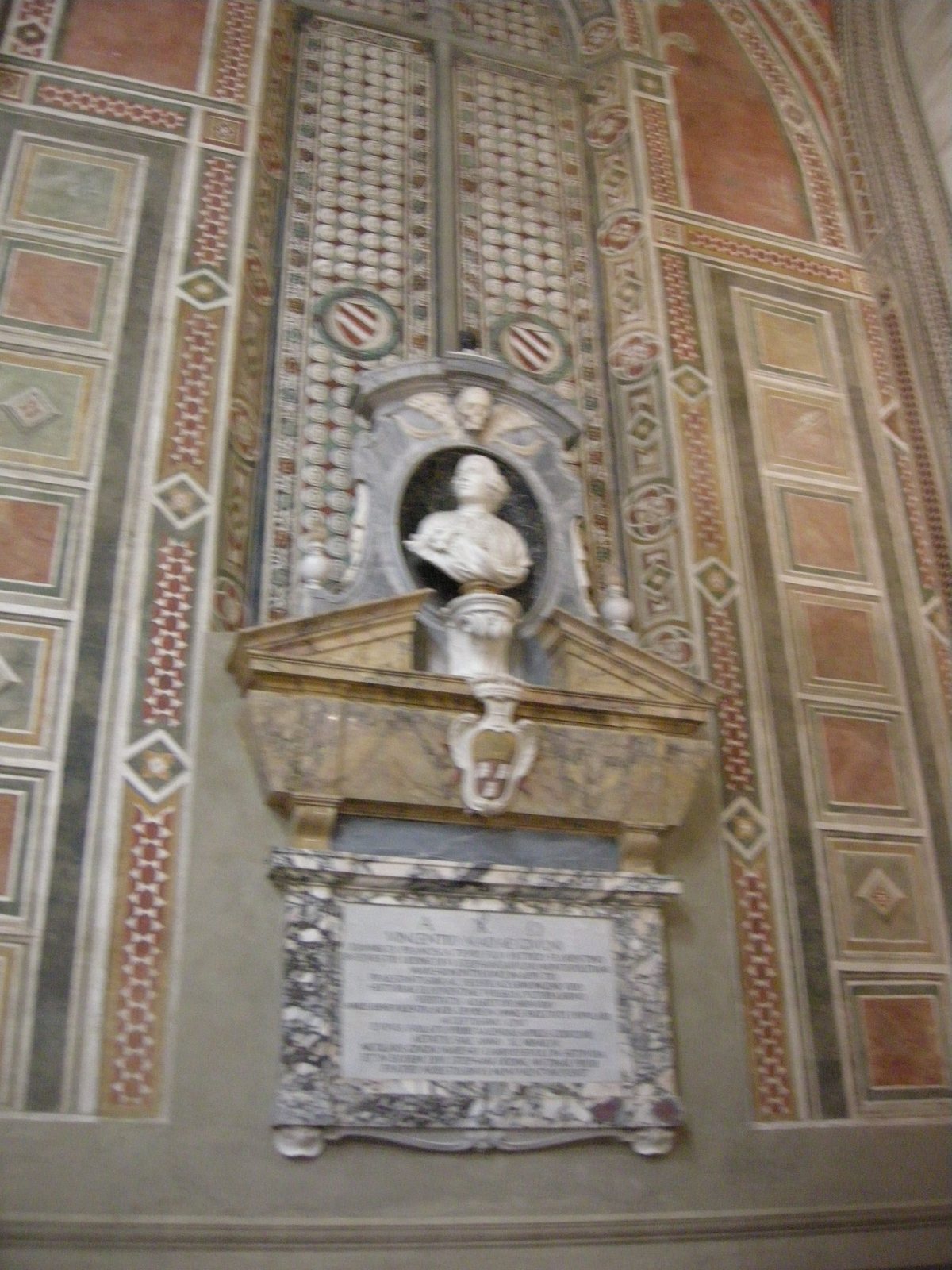
The Baroncelli family tomb is set into the chapel’s exterior wall. Giovanni di Balduccio designed it in 1327, and the tomb itself dates to around 1328–30. He also sculpted figures of the Archangel Gabriel and Mary, placed on pillars beside the chapel entrance.