Fort Charlotte: A British Colonial Fortification on Saint Vincent
Site at a Glance
- Rating
- 4.3
- Popularity
- Low
- Country
- Saint Vincent and the Grenadines
- Primary era
- Early Modern
- External website
- Open
- Eras represented
- Early Modern, Modern
- Civilizations
- British
- Site type
- Military
- Remains
- Fort
On this page9 sections
History
Fort Charlotte is a British colonial fortification on Saint Vincent and the Grenadines, begun in 1763 after Britain retook the island from France and completed in 1806. Named for Charlotte of Mecklenburg-Strelitz, the German-born queen consort of King George III, it became a major early nineteenth-century defense in Saint Andrew Parish, west of Kingstown.
British defense of Saint Vincent
The fort was intended to protect the British position against French attack, unrest among the Carib population, and slave rebellion. It was planned as a stronghold where the garrison could withstand an invading force until the Royal Navy brought reinforcements from other islands. The French invasion at Calliaqua in 1779 showed that an assault could come from inland locations rather than only from Kingstown or the sea. Fort Charlotte was therefore arranged with its artillery directed toward the island interior.
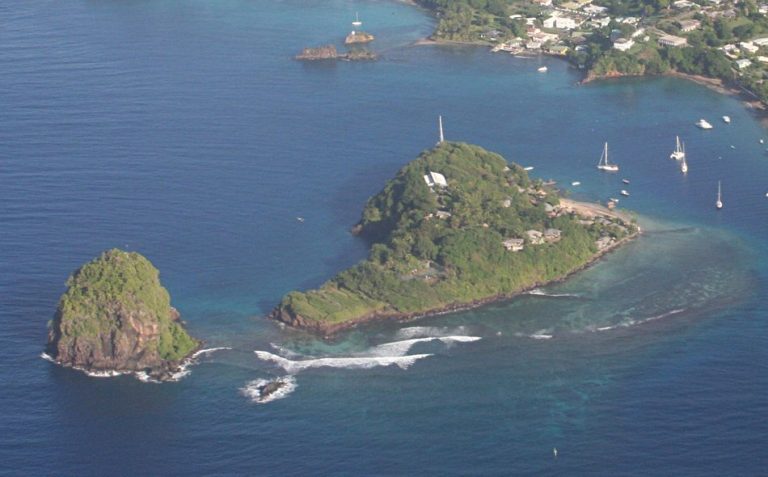
The French-built Fort Duvernette and Wilkie’s Battery belonged to the earlier French occupation, when Calliaqua served as the island’s commercial hub. They were later superseded by Fort Charlotte. Fort Duvernette is now a ruin, while Wilkie’s Battery was converted to other uses.
Prison and institutional uses
Fort Charlotte acquired several non-military functions over time. It was used as a poorhouse, leper colony, mental hospital, and prison, and later served as a Vincentian prison. In 1799, Caribs were imprisoned there, including Cuffy Wilson, identified as one of the leaders of the Second Carib War. The women’s prison closed in mid-2015.
Administration and continuing public roles
The fort came under the control of the Federation of the West Indies from 1958 to 1962 and subsequently passed to Saint Vincent and the Grenadines. It is no longer used by the armed forces. Former officers’ quarters now contain a small museum devoted to the history of the Black Caribs, later known as the Garifuna, a Caribbean people formed through interaction between Indigenous Caribbean communities and Africans whose history includes resistance to European colonial rule and displacement from Saint Vincent.
Remains
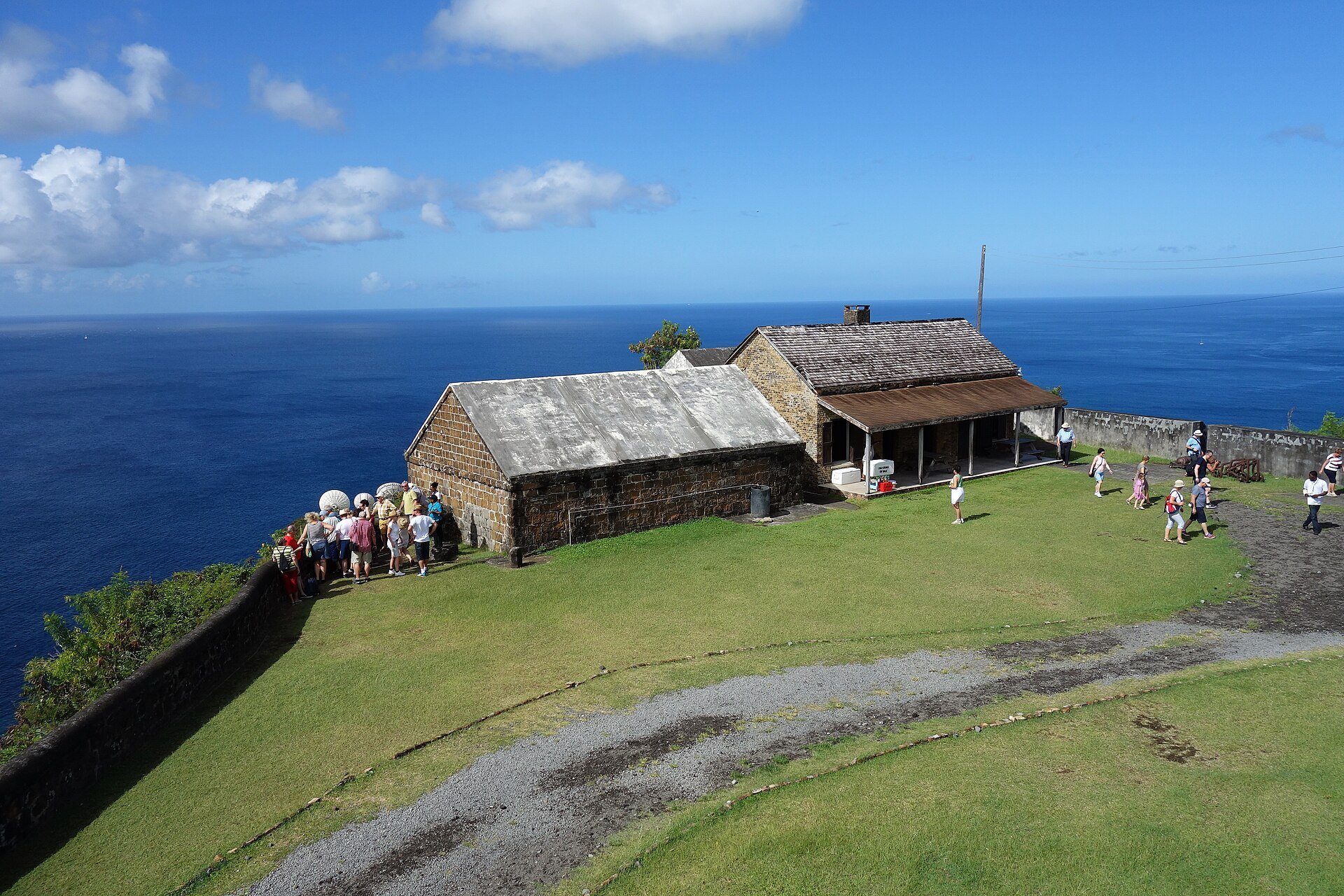
Fort Charlotte occupies Berkshire Hill at the top of Edinboro Road, approximately 601 feet above sea level, overlooking Kingstown Harbour. Built as a redoubt, a fortified defensive enclosure for a garrison and artillery, it was reached by a viaduct and positioned so that its guns faced inland. Its elevated setting looks across the leeward side of Saint Vincent, Kingstown, Young Island, the Caribbean Sea, Bequia, and the Grenadines. Grenada, about 90 miles to the south, can be seen on clear days.
Defensive works and barracks
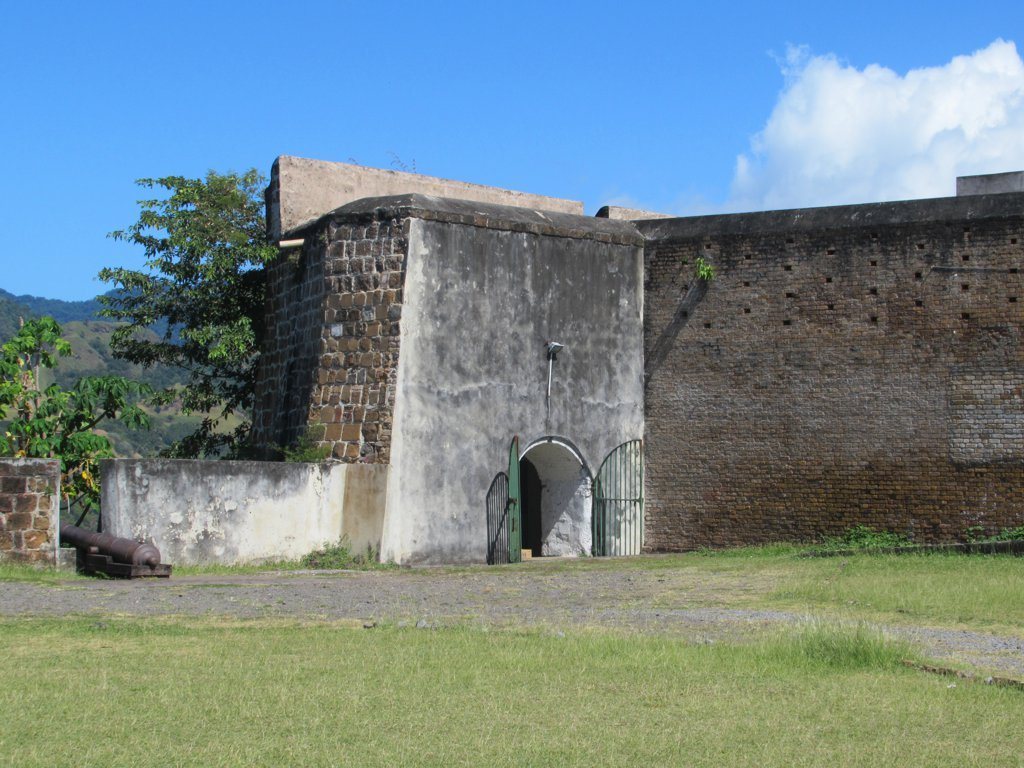
The fort could accommodate approximately 600 soldiers and carried a battery of 34 guns. Some of the surviving cannons bear the date 1811. The former barracks facing Kingstown Harbour, at the bottom of the hill, are now ruined.
Women’s prison
The main barracks building contained a women’s prison designed for 50 prisoners, although it commonly held up to 15. The dry moat served as the prisoners’ exercise yard.
Officers’ quarters and museum
The former officers’ quarters house the small museum of Black Carib and Garifuna history, linking the surviving military complex with the history of the people who resisted European colonial rule and were later displaced from Saint Vincent.
Lighthouse and working installations
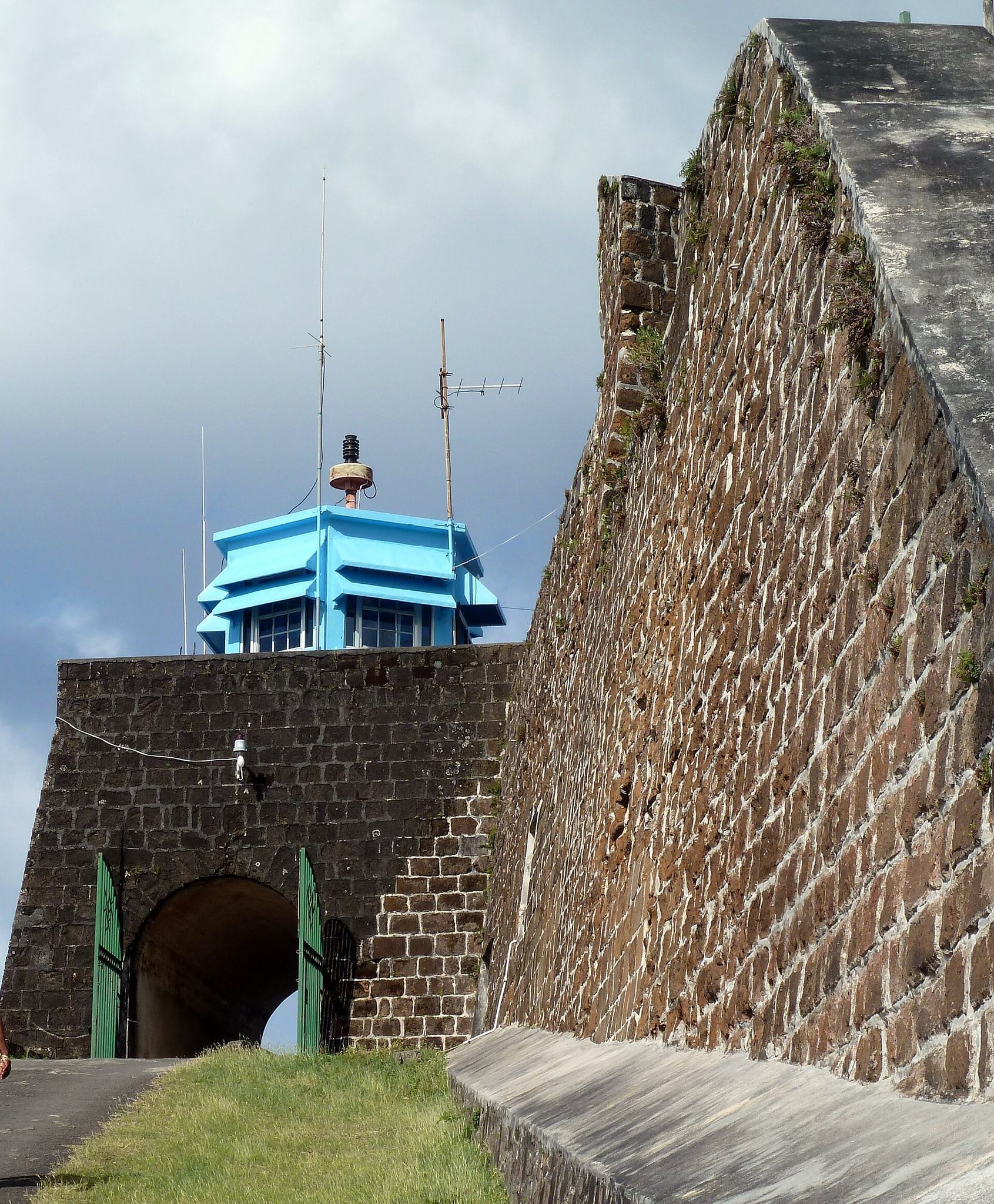
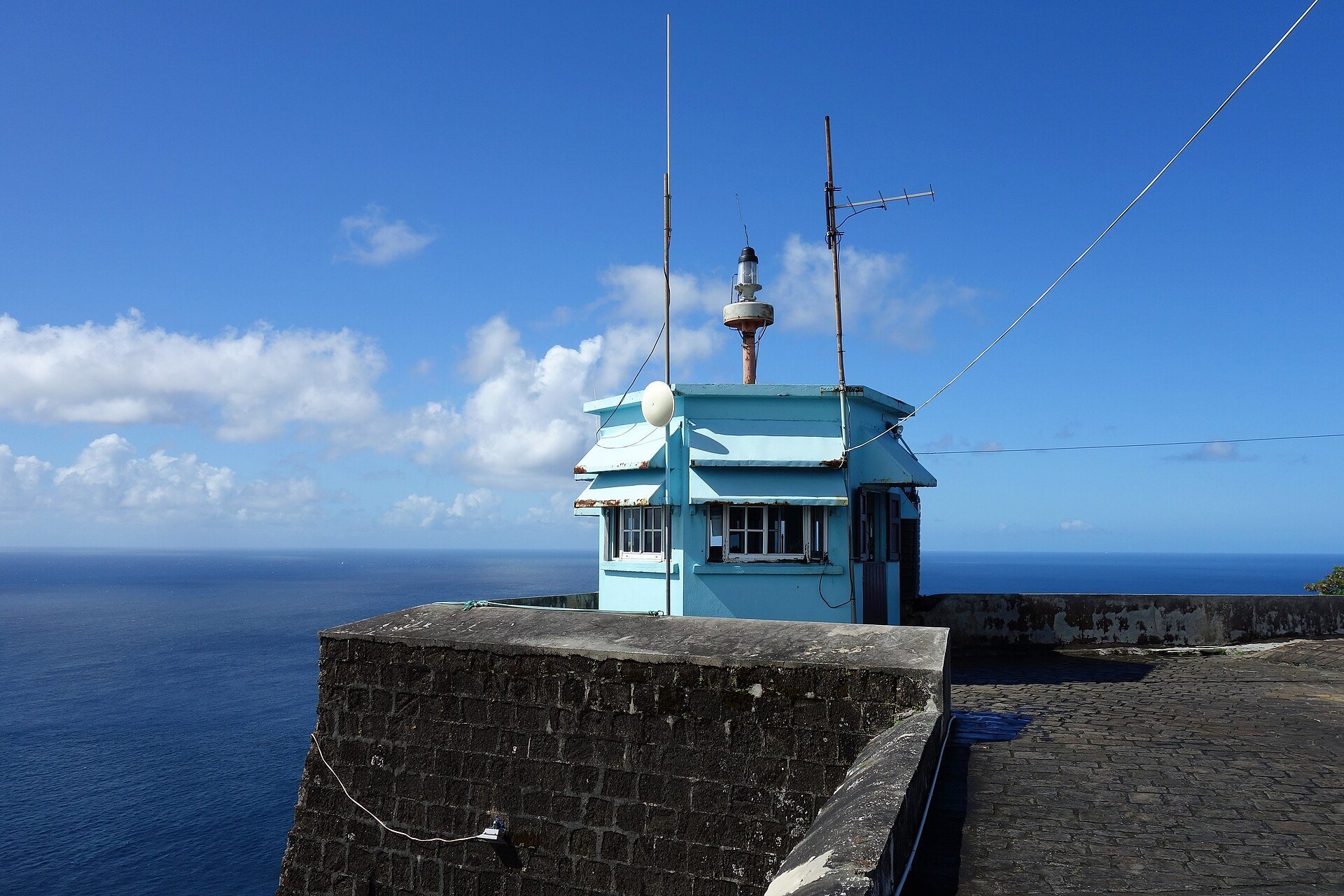
Fort Charlotte contains a functioning lighthouse that serves as a navigation beacon for the entrance to Kingstown Bay. The Fort Charlotte Light emits three white flashes every 20 seconds. A coastguard radio station and a harbour signal station also operate within the fort.