Phaya Thai Palace: A Royal Residence in Bangkok
Site at a Glance
- Rating
- 4.6
- Popularity
- High
- Country
- Thailand
- Primary era
- Modern
- External website
- Open
- Eras represented
- Modern
- Civilizations
- Unclassified
- Site type
- Domestic
- Remains
- Palace
On this page14 sections
History
Chulalongkorn’s rural residence
Phaya Thai Palace is a royal residence in Bangkok, Thailand, begun in 1909 by King Chulalongkorn (Rama V) in a Western European architectural style. Chulalongkorn ruled Siam, the historical name of Thailand. He and Queen Saowabha valued the area as a country retreat from the pressures of the Grand Palace.
After Dusit Palace was completed, Chulalongkorn developed roads in the surrounding area. One, Sanghi Road, later became Ratchawithi Road. It ran past gardens beside the Samsen Canal toward Thung Phaya Thai, which was then rice-growing land. In 1909, the king bought about 100 rai, approximately 16 hectares, of gardens and fields for the new residence. He hoped to enjoy views of nearby farms, plantations, and livestock, and the royal family spent weekends there. He named the property Phra Tamnak Phaya Thai, meaning “Royal Residence of Phaya Thai”; Phaya Thai means “lord of the Thais.”
The planned grounds included a demonstration farm for testing rice and vegetable varieties and raising Leghorn chickens. They were also prepared for the Royal Ploughing Ceremony, a traditional rite associated with the start of the agricultural season, especially rice sowing. The ceremony took place there several times. Chulalongkorn died a few months after the residence’s official opening.
Vajiravudh’s palace and model city
Chulalongkorn’s successor, King Vajiravudh (Rama VI), invited Queen Saowabha, his mother and later the Queen Mother, to live at the palace. She stayed with relatives, princes, and princesses until her death in 1920. Vajiravudh then ordered most of the palace buildings demolished. Some were rebuilt at Vajiravudh School, while others went to Wat Rachathiwat for use as the abbot’s residence. He also commissioned a new group of throne halls.
Vajiravudh lived at the palace for about three years. In the later part of his reign, he moved to Chakraput Piman Hall in the Grand Palace and remained there until his death in 1925. From 1919, he developed Dusit Thani, a model city, on part of the palace grounds, acting as its chief planner and architect. After his death, changes to the grounds led to the loss of the model city.
Hotel, radio station, and hospital
In 1926, King Prajadhipok (Rama VII) converted the palace into an international hotel, also known as the Phya Thai Palace Hotel. The venture ended after five years. In 1931, Thailand’s first radio station began broadcasting from Waikun Hall and operated at the palace for five years.
Following the change of government in 1932, the palace became a clinic for the Royal Thai Army and was later incorporated into Phra Mongkutklao Hospital. Some buildings were removed to make way for modern hospital facilities. A life-size statue commemorating Vajiravudh was unveiled on the grounds in 1971.
Remains
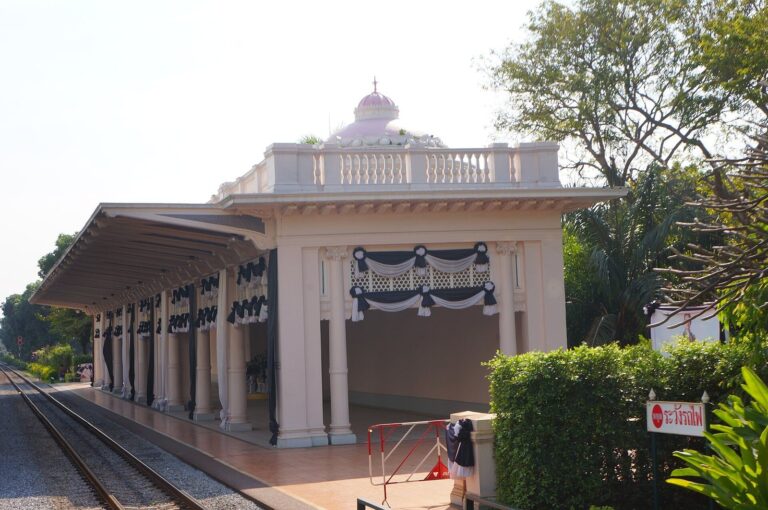
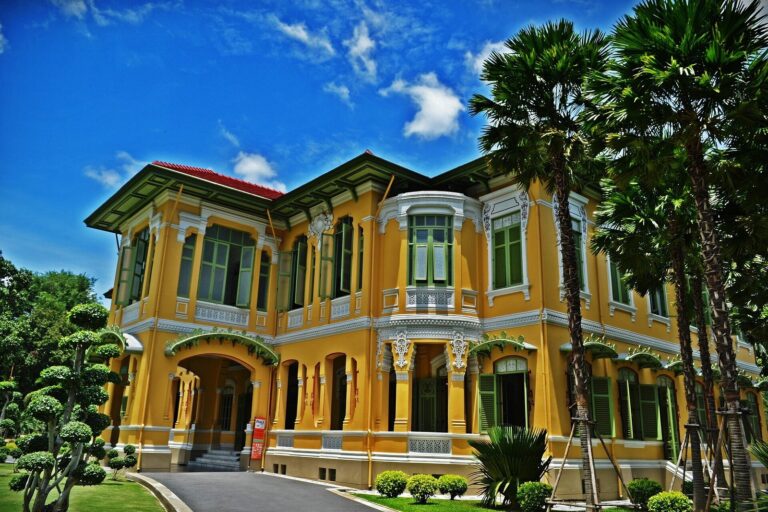
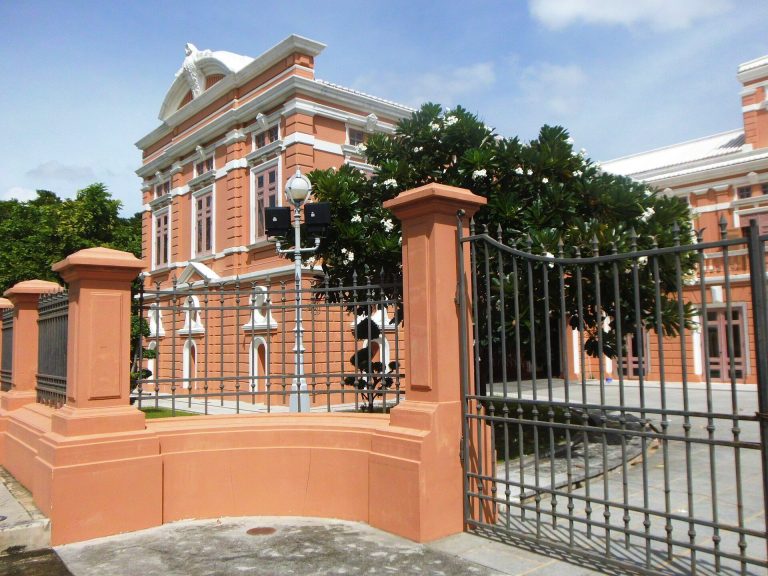
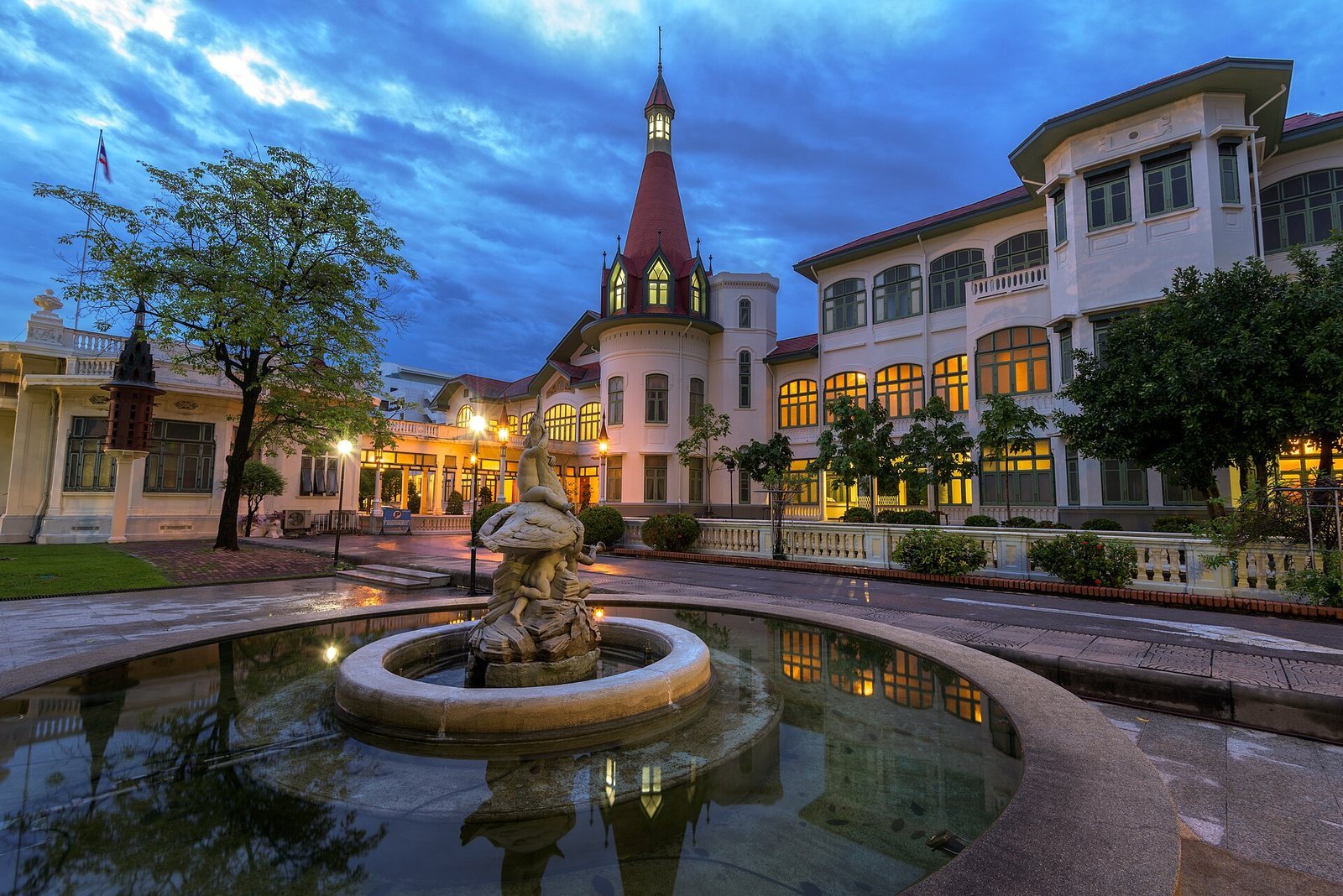
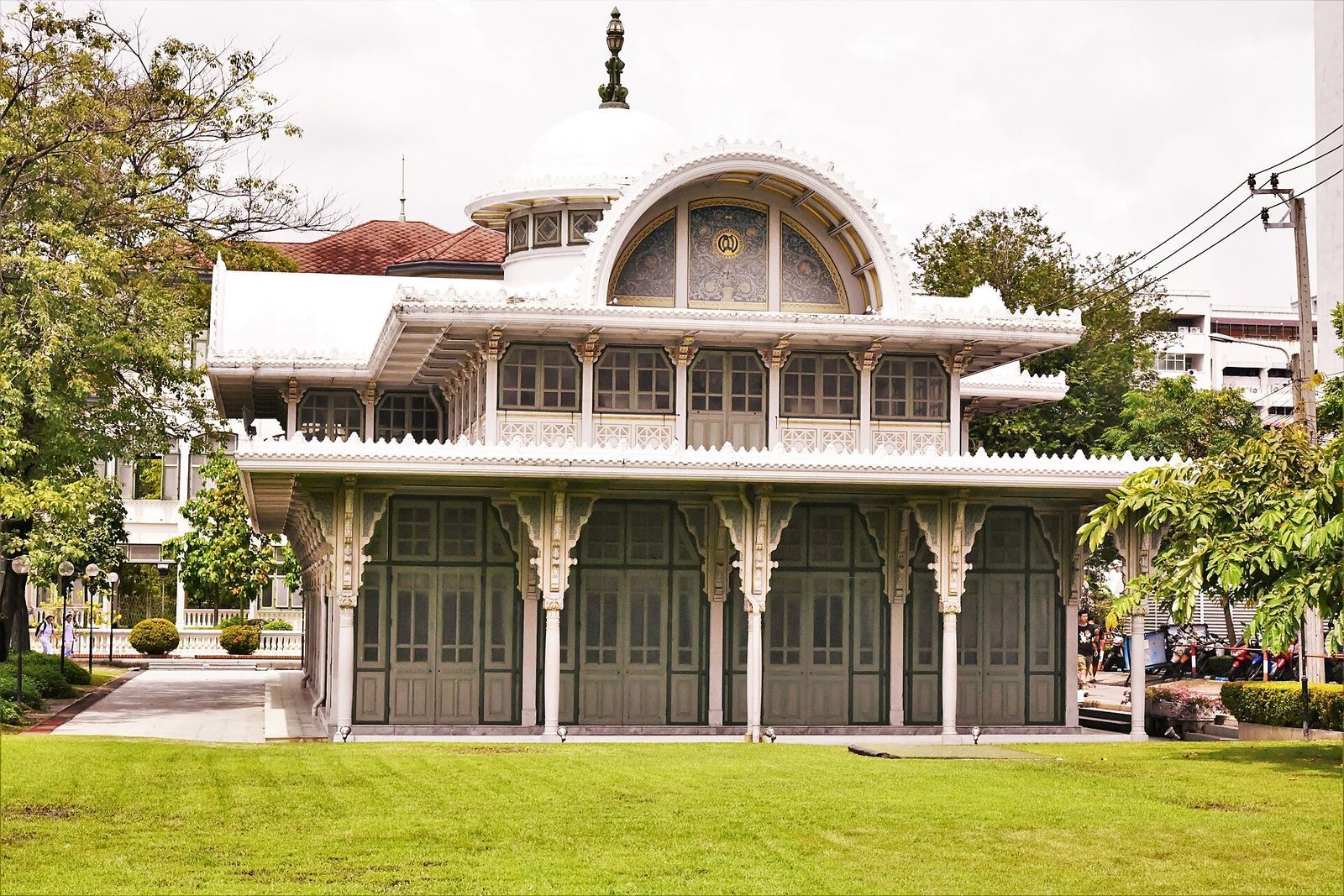
The palace stands between the Samsen Canal and Ratchawithi Road, and its grounds also included land directly opposite. Built in a Western European style, the complex retains throne halls connected by a covered passage, as well as garden and commemorative features. The historical complex has been partially restored.
Throne halls
Thewarat Sapharom Hall
Thewarat Sapharom Hall, a throne hall, was retained when Vajiravudh rebuilt the palace.
Later group of throne halls
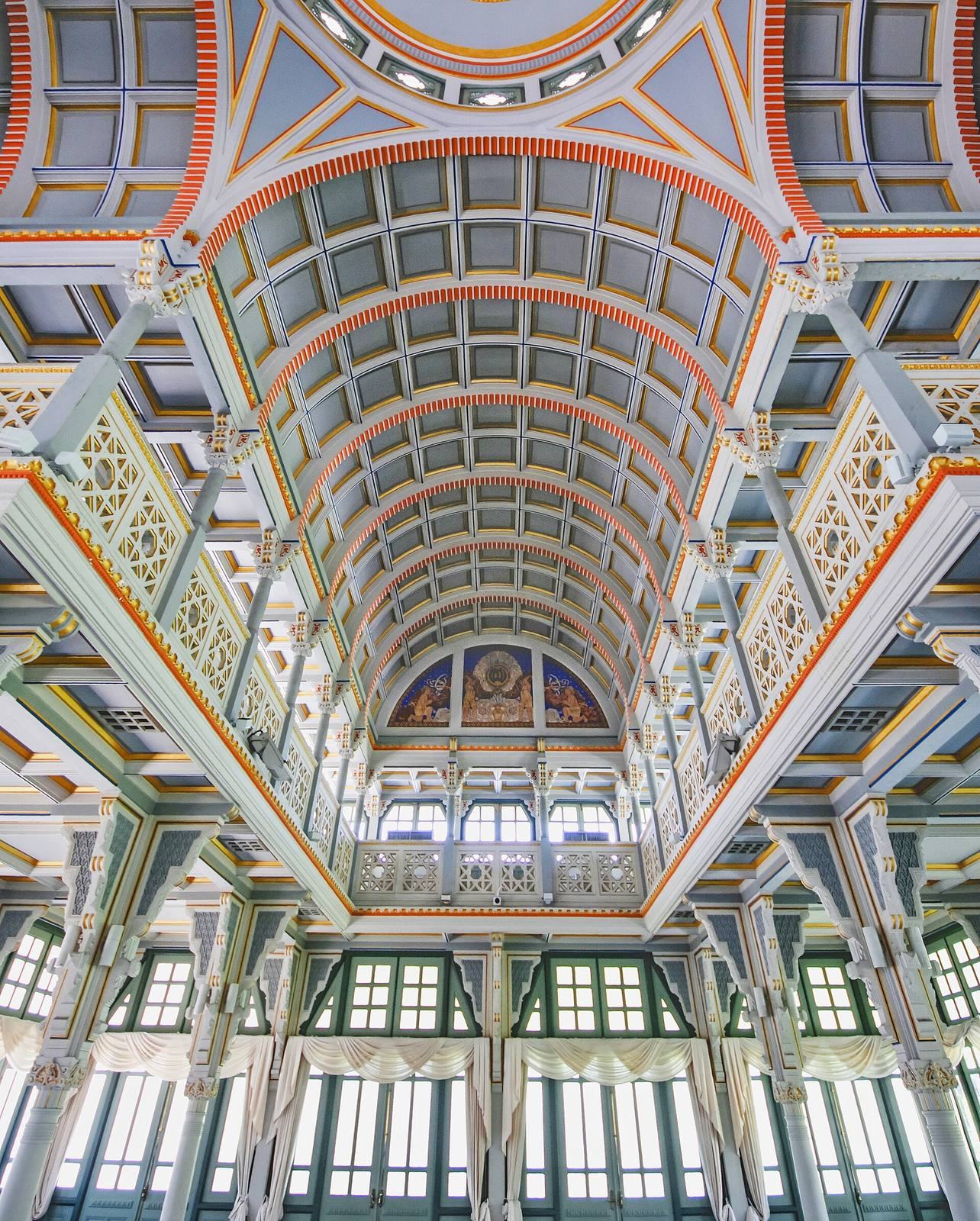
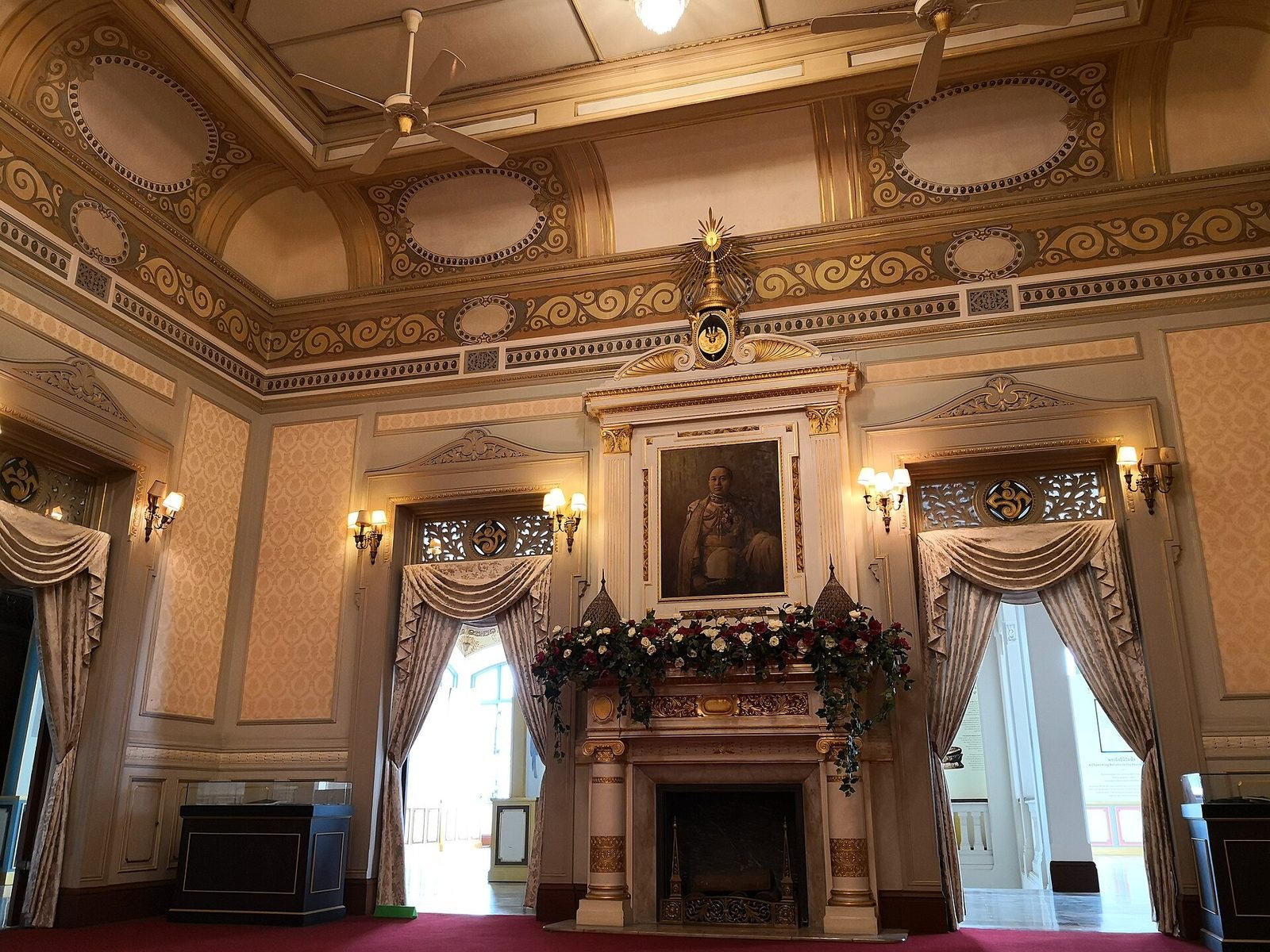
Four buildings from the later group of throne halls survive. A covered passage connects the halls.
Phiman Chakri Throne Hall
Phiman Chakri Throne Hall has a corridor.
Waikun Hall
Waikun Hall is the building from which Thailand’s first radio station began broadcasting in 1931.
Gardens and commemorative features
Roman Garden
The palace grounds include a Roman Garden with a theater stage associated with Vajiravudh.
Dusit Thani
Dusit Thani was arranged as a miniature city, with models at a scale of 1:12. They depicted important Bangkok buildings and a range of other places, including a factory, hospital, cinema, mosque, castle, clock tower, town hall, shops, restaurants, and hotel. The model city also had a working lighthouse and electric street lighting.
Commemorative works
A life-size statue of Vajiravudh stands on the grounds. A relief by Prince Naris, a Thai prince and artist, depicts the king, who was born in the Year of the Snake.