Castle of Arceto: A Medieval Lowland Fortress in Italy

Site at a Glance
- Rating
- 4.5
- Popularity
- Very Low
- Country
- Italy
- Primary era
- Medieval
- Eras represented
- Medieval, Early Modern
- Civilizations
- Holy Roman Empire
- Site type
- Military
- Remains
- Castle
On this page10 sections
History
Castle of Arceto is a medieval lowland fortress in Italy, located at the center of Arceto, a hamlet of Scandiano in Emilia-Romagna. The site is documented by the end of the ninth century and retains the character of a fortification built on relatively level ground. Its long history reflects successive control by bishops, noble families, and the Este dynasty.
From episcopal fief to Boiardo possession
In 962, Otto I, the tenth-century German king and Holy Roman Emperor, granted Arceto as a fief to the bishops of Reggio. After many years under the Da Fogliano family, the Este family took Arceto from them and granted it to the Boiardo family in 1414. The Boiardos then carried out major alterations to the buildings.
In 1441, Niccolò III d’Este, Marquis of Ferrara, formally granted the castle to Bernardina Lambertini and directed that her property pass to her son, Feltrino Boiardo. A later dispute within the Boiardo family reshaped the local territory. In 1474, disagreements between the feudatories Matteo Maria Boiardo and Giovanni Boiardo led to the division of the County of Scandiano. Matteo Maria received Scandiano, Gesso, Torricella, and Sabbione, while Giovanni received Arceto, Casalgrande, Dinazzano, Salvaterra, and Montebabbio. The Este ducal administration confirmed Giovanni’s grant in 1475 and again in 1490.
After the death of Count Camillo Boiardo in 1499, the territories divided in 1474 were reunited under Giovanni Boiardo. In 1565, Arceto passed to Ottavio I Thiene, the husband of Laura Boiardo, daughter and heir of Giulio Boiardo. During Thiene administration from 1565 to 1622, the family built the castle’s oratory, a small chapel for private or limited communal worship, dedicated to Saint Roch, and its fortress.
Este administration and later transformations
Between 1622 and 1634, the castle came under the direct control of the Este family. It then passed to the Bentivoglio family and, in 1643, to the junior branch of the Este family of Scandiano.
Marquis Giovanni Battista de Mari restored the fortress in 1740 and made substantial alterations and additions to the lateral buildings. In 1751, a large interior staircase was constructed and decorated with five terracotta statues. The castle passed in 1777 to Livia de Mari, Giovanni Battista’s daughter, who was married to Marquis Andrea Spinola of the Genoese Spinola family.
The abolition of the feudal system in 1796 ended the legal framework through which territories such as Arceto were held by hereditary feudatories, and the castle was taken from the Spinolas. A Napoleonic decree in 1811 returned it to the Spinola family. It was later sold to the banker Parodi, who then sold it to Flaminio Regnani. The castle remains in use, with the Municipality of Scandiano owning part of it, including the principal floor, the main ceremonial or residential level of an aristocratic building. It also has Italian national-heritage status.
Remains
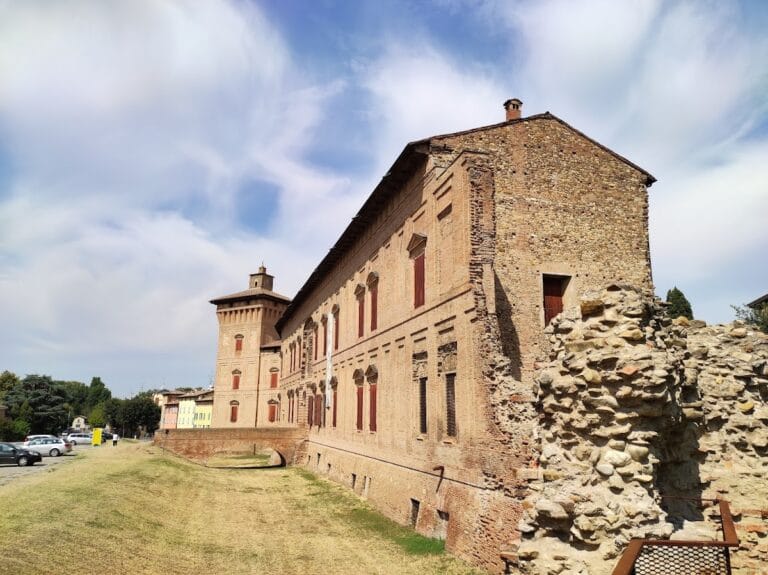
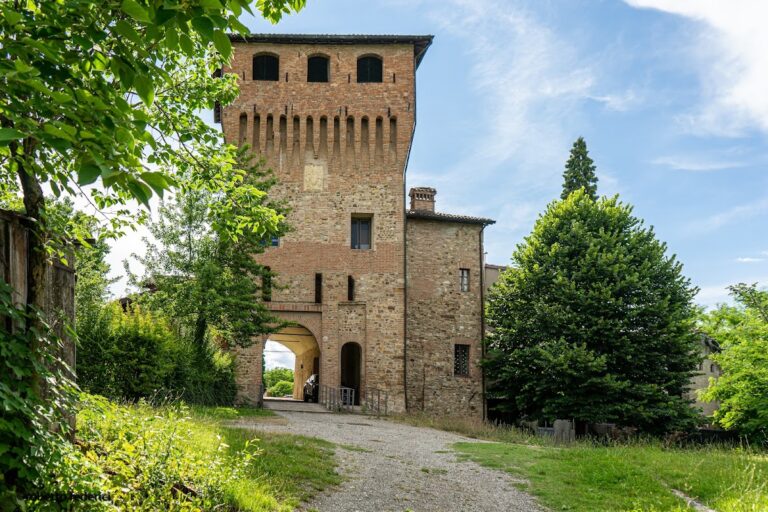
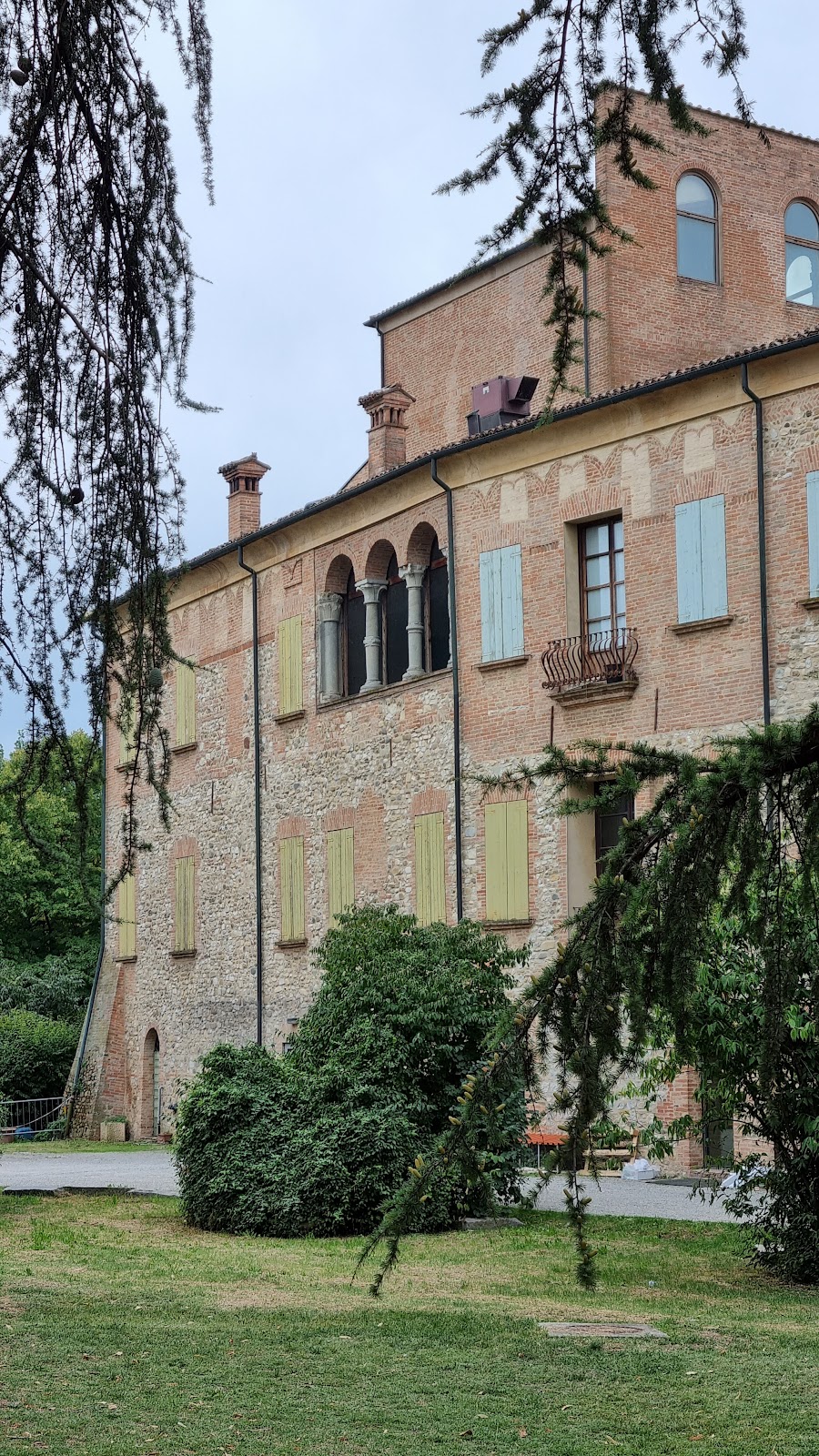
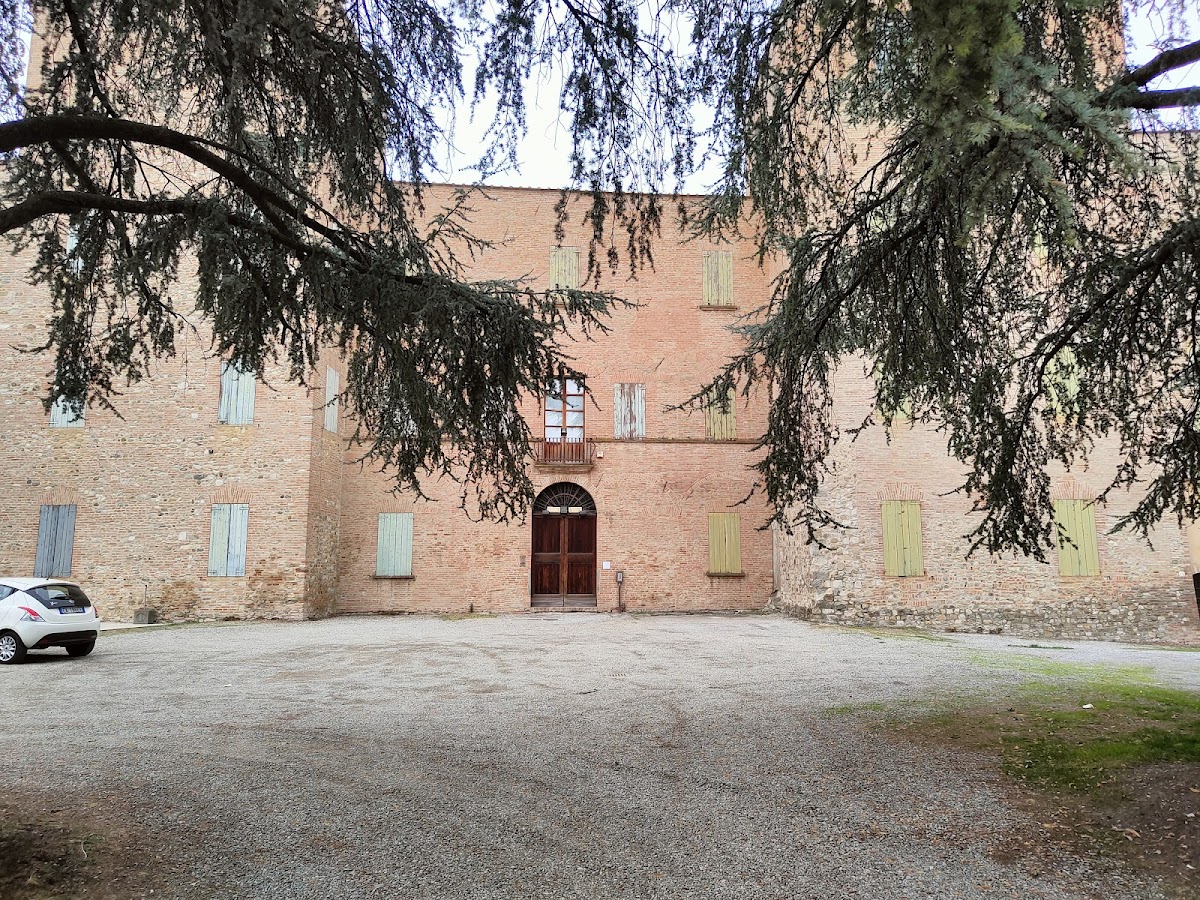
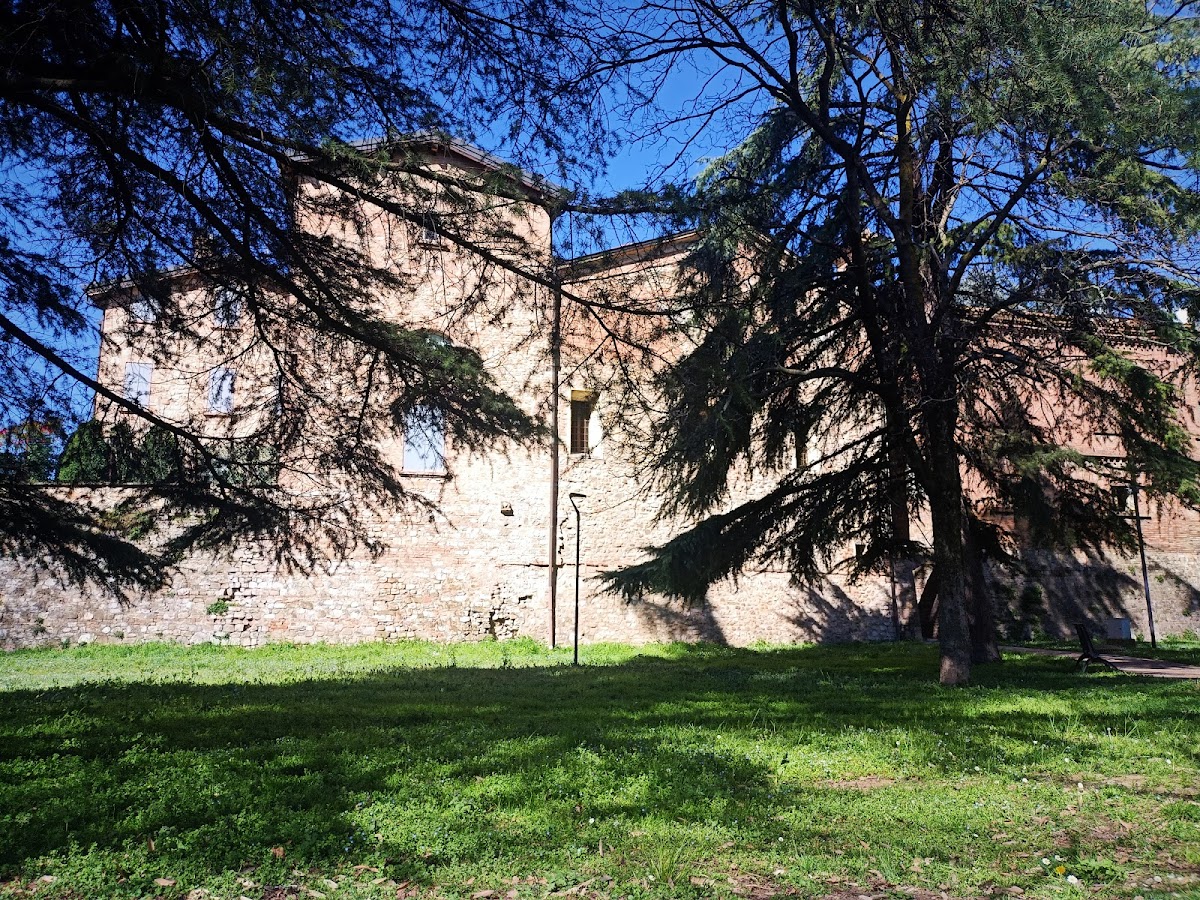
The surviving complex preserves the arrangement of a medieval lowland castle through visible traces of its moats and walls. Rubble stone, mortar, and brick masonry form the principal construction materials. The fortress, its lateral buildings, the interior oratory, and the large staircase form the main surviving elements within the historic center of Arceto.
Fortress and defensive layout
Moats and walls
Traces of the former moats and walls make the castle’s defensive layout legible despite later changes. These remains define the character of the fortress and show how the complex was organized as a fortified stronghold on level ground. Stone rubble set in mortar and brick masonry appear in the surviving fabric.
Lateral buildings
The buildings alongside the fortress retain the effects of substantial alterations and additions carried out in 1740 under Marquis Giovanni Battista de Mari. Their present relationship to the fortified core reflects the complex’s development beyond its earlier defensive arrangement.
Religious and interior features
Oratory of Saint Roch
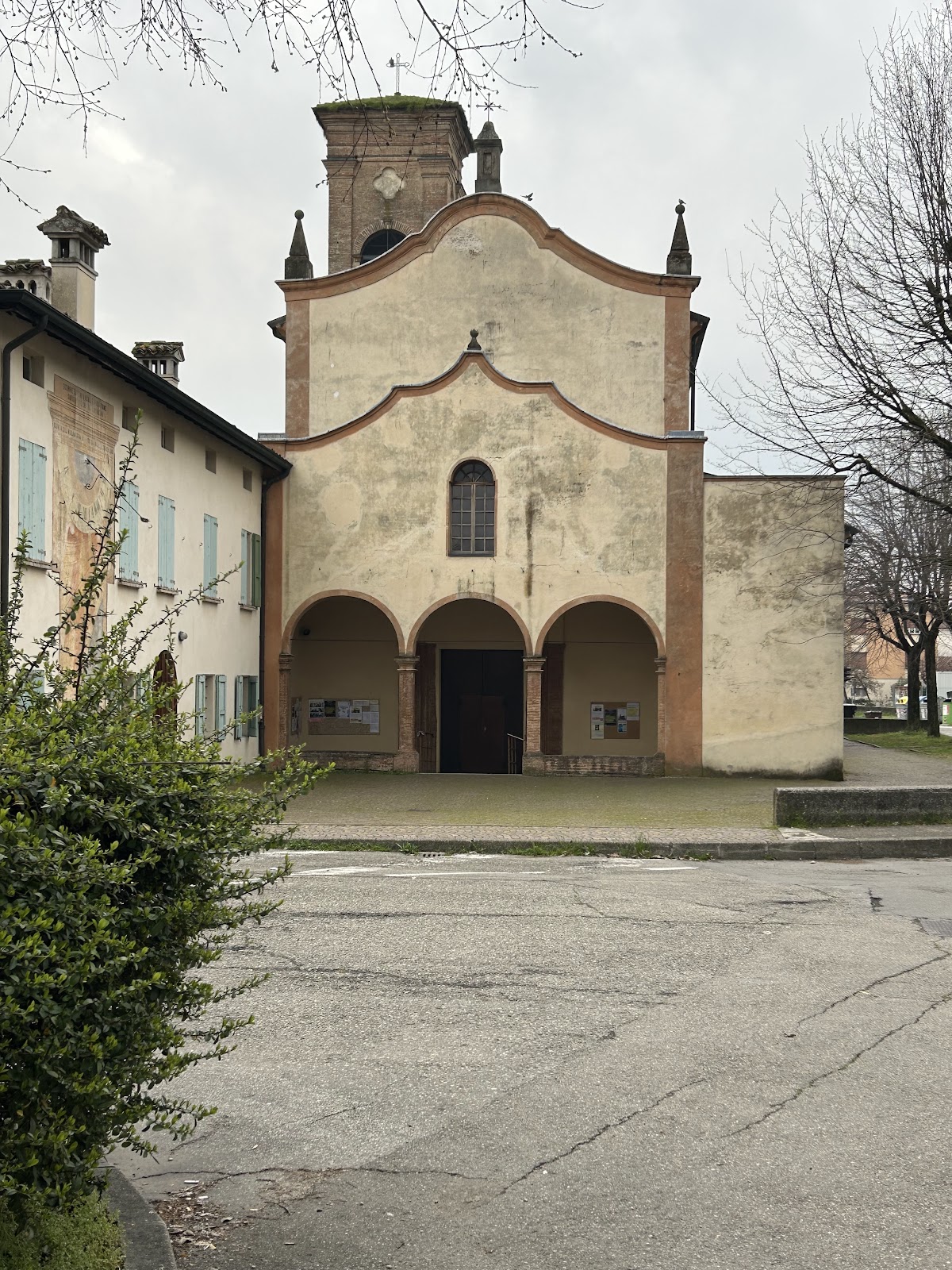
The interior oratory dedicated to Saint Roch was built during the Thiene administration between 1565 and 1622. An oratory is a small chapel intended for private or limited communal worship, while Saint Roch was traditionally associated with protection against plague. The chapel forms part of the castle complex alongside the fortress and lateral buildings.
Interior staircase
A large interior staircase was built in 1751. Five terracotta statues decorate it, making the staircase a clearly identifiable feature of the later aristocratic interiors. Its construction belongs to the eighteenth-century transformation of the castle, following the restoration and expansion of the fortress and lateral buildings in 1740.