Alt-Falkenstein Castle: A Medieval Border Castle and Administrative Seat
Site at a Glance
- Rating
- 4.4
- Popularity
- Medium
- Country
- Switzerland
- Primary era
- Medieval
- Eras represented
- Medieval, Early Modern
- Civilizations
- Holy Roman Empire, Swiss
- Site type
- Military
- Remains
- Castle
On this page4 sections
History
Foundation and border defense
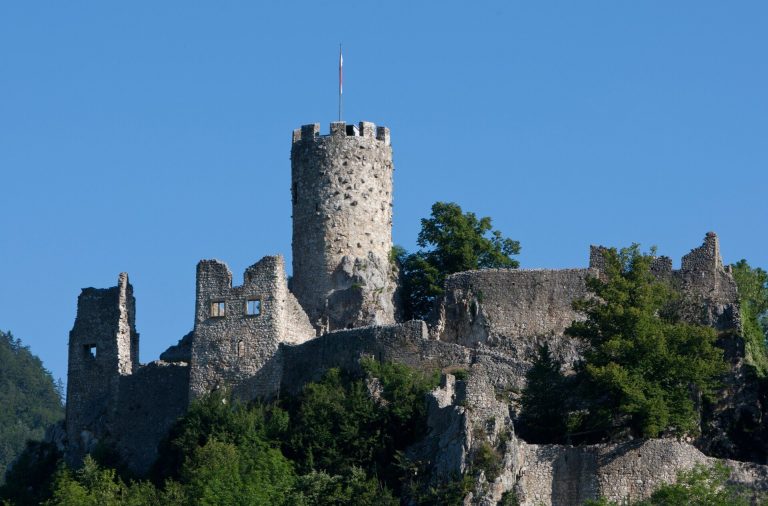
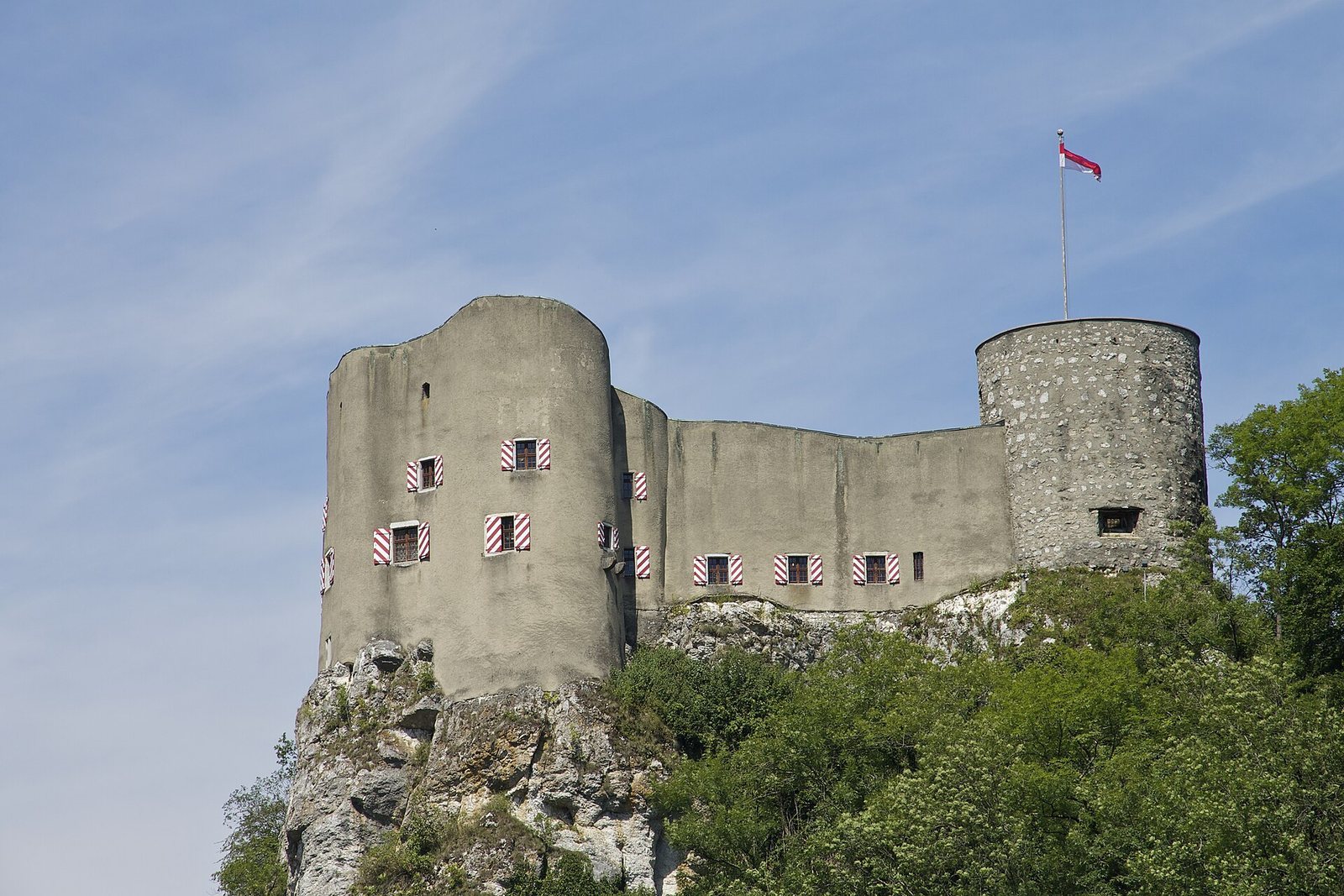
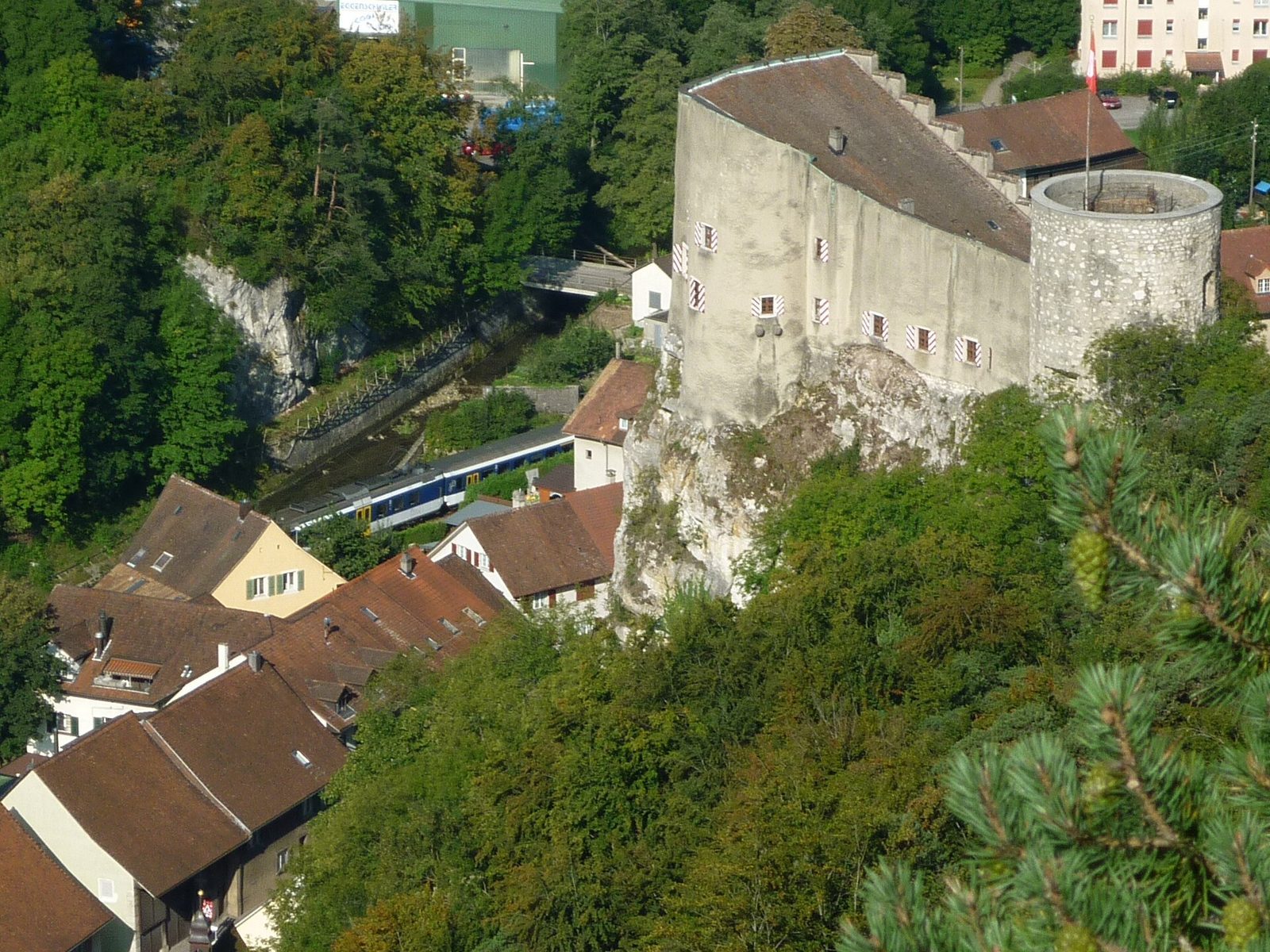
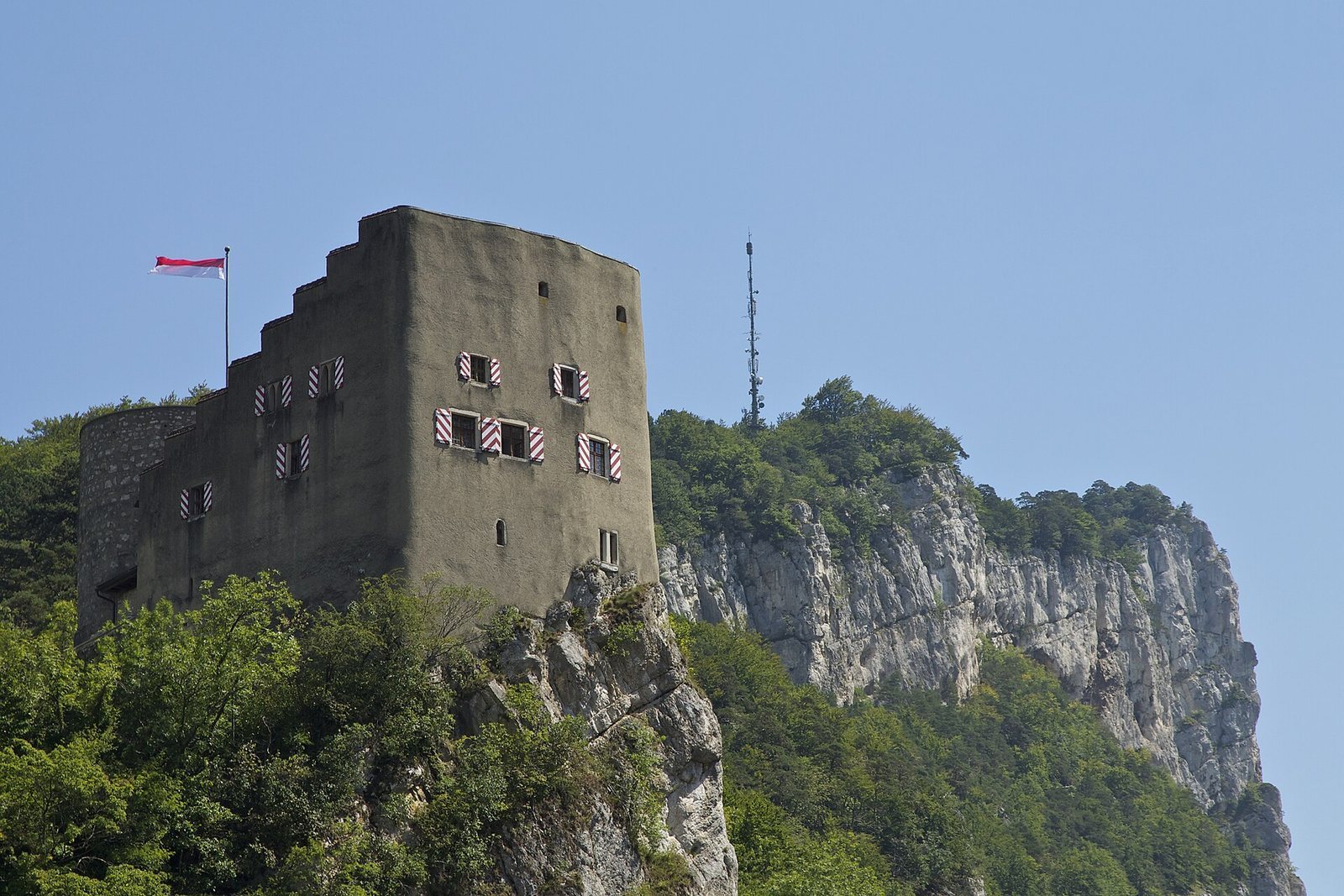
Alt-Falkenstein Castle is a partially preserved hilltop castle on a rock at the entrance to the Klus, a narrow passage through the Jura near Balsthal in Switzerland. Built around 1250, it guarded the boundary of the Landgraviate of Buchsgau, a territorial lordship. Bishop Burkhard von Fenis received lands that included Buchsgau from Henry IV, a Holy Roman Emperor, in recognition of his loyalty during the Investiture Controversy, a dispute between secular rulers and the papacy over appointments to senior church offices. A count of Falkenstein, who held land in a dependent relationship to the bishop, occupied the castle. Rudolf I of Falkenstein, whose activity is recorded between 1224 and 1251, may have built it. The castle is first mentioned in 1255.
Solothurn rule and later use
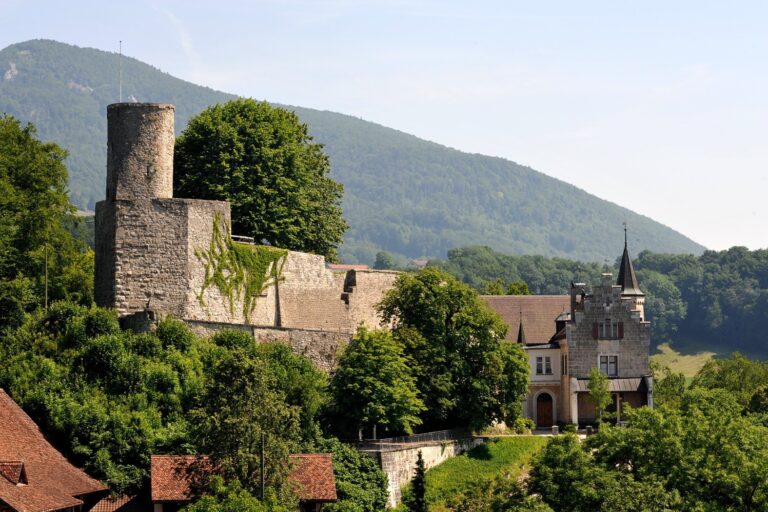
After passing through several owners, the castle was sold in the early 15th century by impoverished lesser nobles to the city of Solothurn. The city’s patricians, its privileged political elite, enlarged the castle and used it for centuries as an administrative seat for their bailiwicks, districts governed by bailiffs.
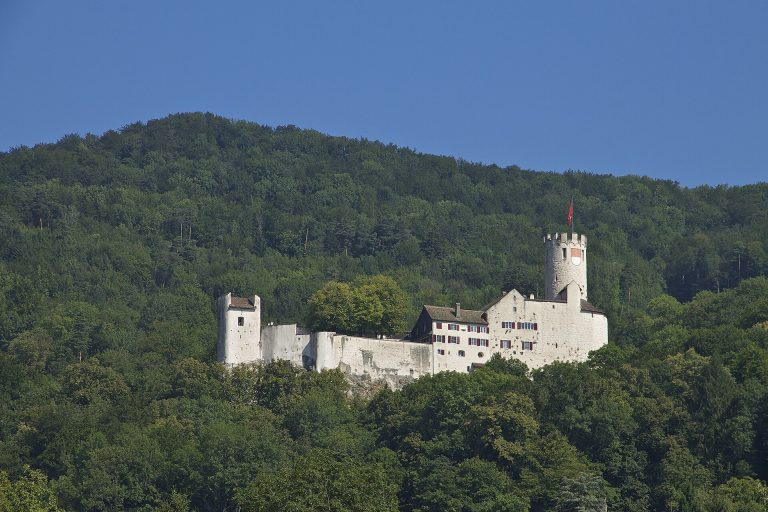
The castle was also known as Blauenstein and was sometimes called the Castle of Klus. The name Blauenstein may be linked to neighboring Neu-Falkenstein, which was pledged for a time around 1400 to Rutschmann von Blauenstein. The name has also led to confusion with Blauenstein Castle near Kleinlützel. Alt-Falkenstein now houses the Museum Alt-Falkenstein, a local-history museum.
Remains
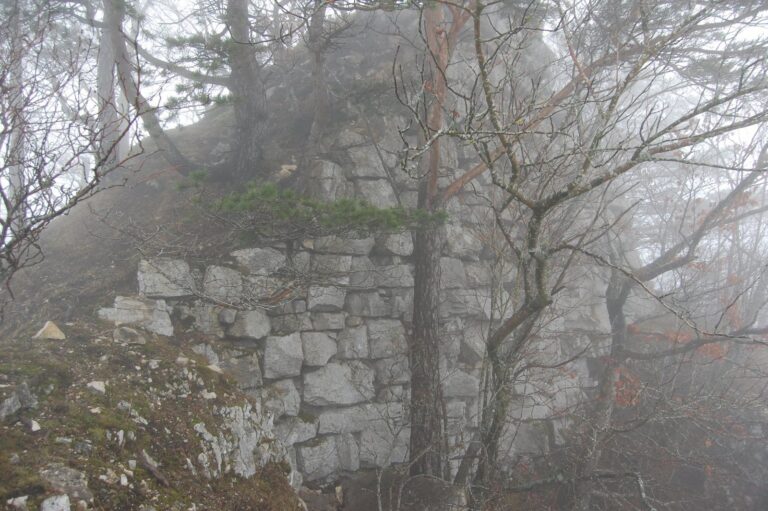
The surviving castle stands on a rocky hilltop at the entrance to the Klus, a cross-valley through the Jura. Its remains are partially preserved. An engraving by David Herrliberger after Emanuel Büchel, made around 1757–1758, depicts the castle with the town of Klus. A print by Salomon Gessner, dated around 1782, also shows the castle alongside the town.