Bipp Castle: A Medieval Castle and Bernese Administrative Seat
Site at a Glance
- Popularity
- Medium
- Country
- Switzerland
- Primary era
- Medieval
- Eras represented
- Medieval, Modern
- Civilizations
- Holy Roman Empire, Swiss
- Site type
- Military
- Remains
- Castle
On this page7 sections
History
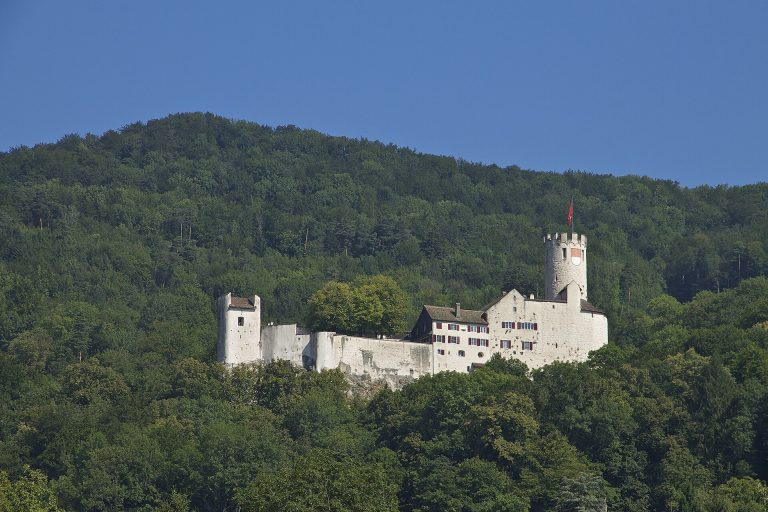
Bipp Castle is a 13th-century castle on a hill near Oberbipp, Switzerland, and later served as the seat of Bernese regional government. A royal charter dated 9 March 968 refers to Bipp. By 1268, the castle was in the possession of the Counts of Froburg.
Froburg possession and changing lords
In the 12th century, the Bishop of Basel granted the Buchsgau region, including Oberbipp, to the Count of Froburg as a fief, or land held from a superior ruler. During the 13th century the Froburgs gradually lost most of their holdings there, and Bipp Castle later passed out of their control. Whether they sold it or it was taken from them is uncertain.
In 1297, Count Rudolf of Neuchâtel-Nidau granted the castle to one of his ministerial knights, a member of a class of unfree nobles who served rulers in military or administrative roles. In 1313, Rudolf’s son, also named Rudolf, granted the castle and the right to collect tolls on the bridge to Aarwangen. Count Rudolf of Nidau became Lord of Froburg in 1362. After his death without children, relatives divided his estates, and Rudolf of Kyburg inherited Bipp and its surrounding lands.
A Kyburg raid on Solothurn led to the Burgdorferkrieg of 1383–84, a regional conflict. The lands were sold to the Habsburgs, a major European ruling dynasty, in 1385. Bipp passed to Basel in 1386, returned to the Kyburgs in 1406, and was sold by them that year to Bern and Solothurn.
Bernese administration
Bern and Solothurn jointly governed nearby villages from the castle until 1463, when Solothurn received the Neu-Bechburg bailiwick, the territory administered by a bailiff, and Bipp became fully part of Bern. The castle then became the seat of Bern’s territorial governor. Over the following three centuries, 62 Bernese officials administered the region.
Revolution and later changes
On 2 March 1798, French forces captured Solothurn during their invasion of Switzerland. The last Bernese governor fled the castle ahead of the advancing army, after which residents of Oberbipp and Niederbipp plundered it. A French report dated 16 March described the building as uninhabitable after its windows and doors had been taken.
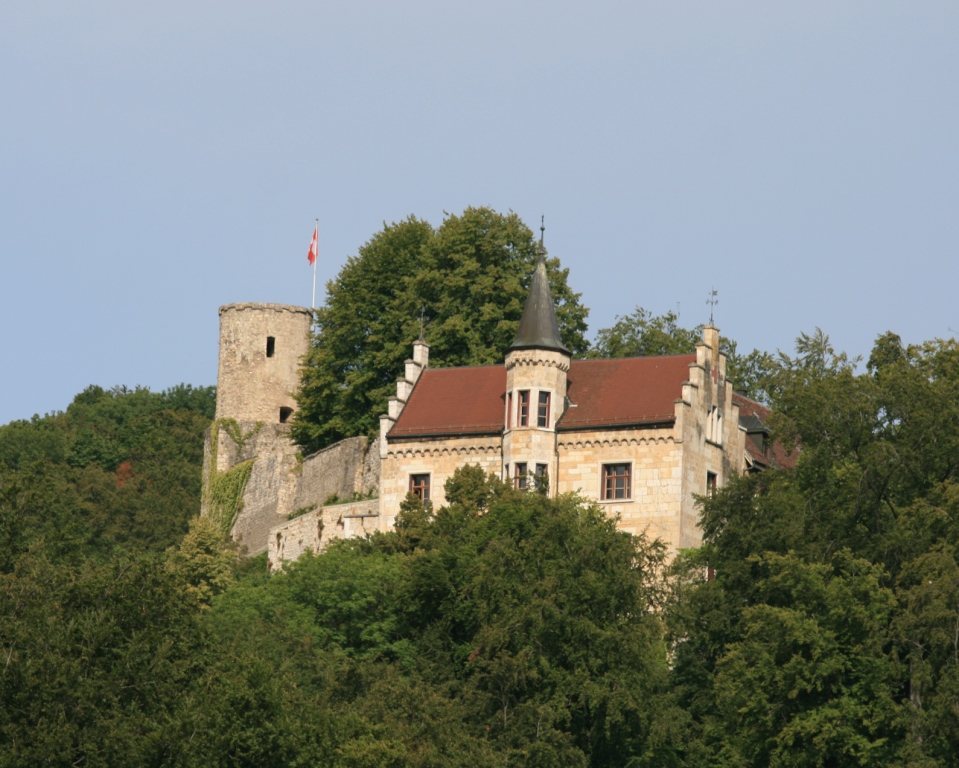
Bern sold the deteriorated ruins to a private owner in 1805. Parts of the castle were dismantled for building stone, and the site was also used as a quarry. Johann Jakob Stehlin-Hagenbach of Basel acquired the property in 1852; in 1855, his architect son designed a manor house for the estate. The ruins and manor-house ensemble is classified as a Swiss cultural property of national significance.
A local legend tells of a castle bailiff who stabbed a fugitive at Freistein, near Attiswil. The bailiff then suffered a severe illness and died within a year. According to the story, he returns to the scene on some spring nights.
Remains
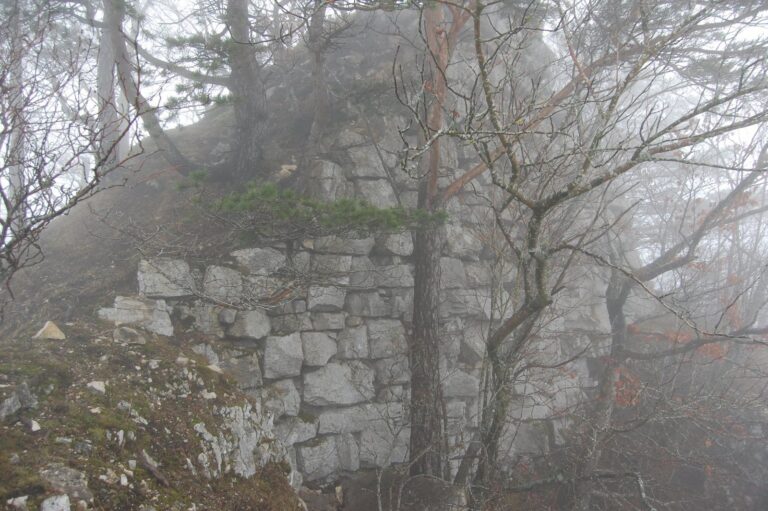
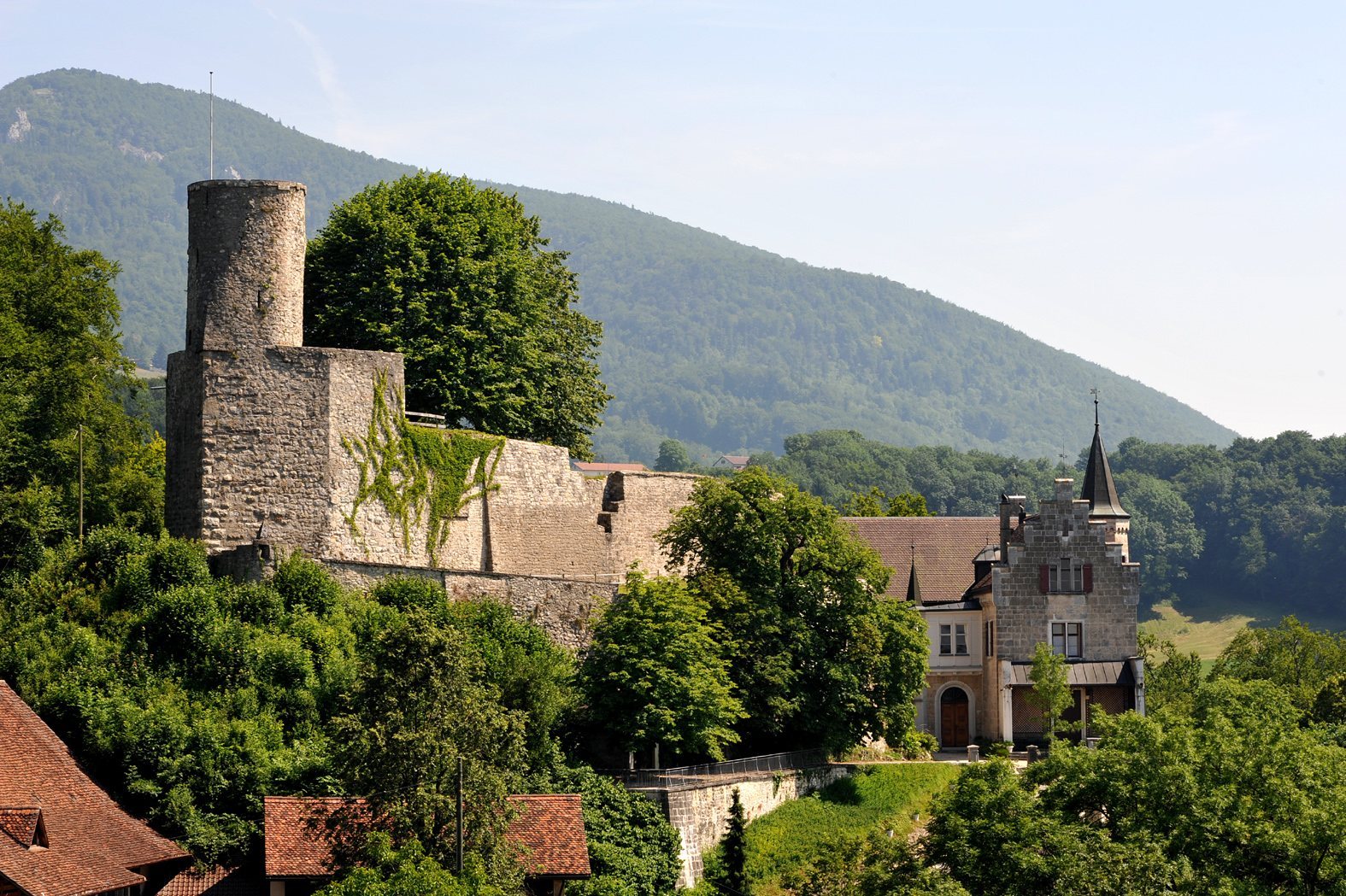
The remains occupy a hill near Oberbipp and follow an elongated polygonal plan, combining a residential core with defensive walls and buildings outside the fortifications.
Castle walls and towers
A massive residential building stood at the eastern end of the castle, while a slender, round defensive tower occupied the western end. A row of buildings linked them. On the north, a defensive wall joined the residential building and tower. A lower outer wall strengthened the main defenses and included several round and square towers.
Buildings beyond the walls
A granary and stables stood outside the walls on the southern side of the hill. The manor house occupies the granary’s former place. The partly ruined site also includes a farmhouse and a small secondary farmhouse known as a Stöckli.