Ogle Castle: A Fortified Manor House in Northumberland
Site at a Glance
- Popularity
- Medium
- Country
- United Kingdom
- Primary era
- Early Modern
- Eras represented
- Medieval, Early Modern
- Civilizations
- English
- Site type
- Domestic
- Remains
- Castle
On this page5 sections
History
Medieval tenure and fortification
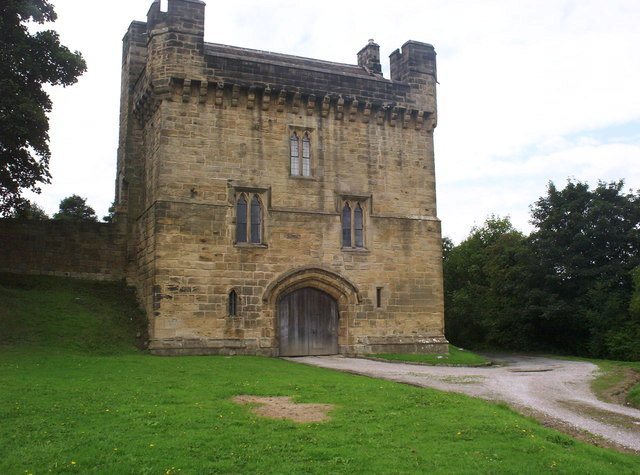
Ogle Castle is a former fortified manor house at Ogle, near Whalton in Northumberland, United Kingdom. After the Norman Conquest, the conquest of England by William of Normandy and his forces in 1066, Humphrey de Hoggell received rights over the manor of Ogle. Northumberland was then a border county. In 1341, Sir Robert Ogle received official permission to fortify the manor. Five years later, David II, king of Scotland, was captured at the Battle of Neville’s Cross and held prisoner at the castle.
Inheritance and Civil War
Catherine Ogle (c. 1568–1629), the last direct descendant in the senior line, married Sir Charles Cavendish. After Catherine’s death, the manor passed to their son William Cavendish, later the 1st Duke of Newcastle.
During the First English Civil War (1642–1646), a conflict between supporters of Charles I and Parliament, William was the leading Royalist in northern England and spent much of his fortune raising troops for the king. After the Royalist defeat at Marston Moor in 1644, a major battle in the war, William went into exile in Europe. He returned after the Restoration, the return of the monarchy, in 1660.
Sale and later rebuilding
Parliament sold Ogle Castle to James Moseley in 1653. Moseley repaired some of the damage caused during the civil wars. In 1660, after William Cavendish returned, the manor came back under his ownership.
Ogle Castle is a Scheduled Ancient Monument, a nationally important archaeological site protected by law, and a Grade I listed building, the highest listing category in England.
Remains
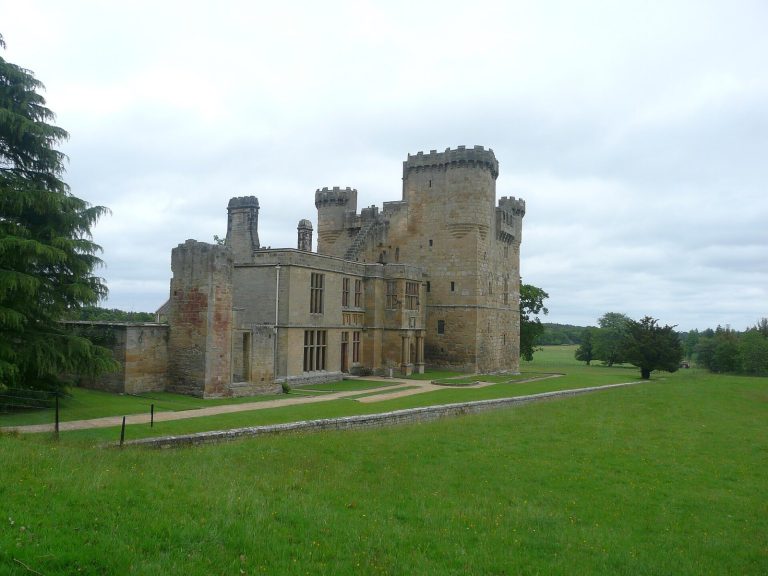
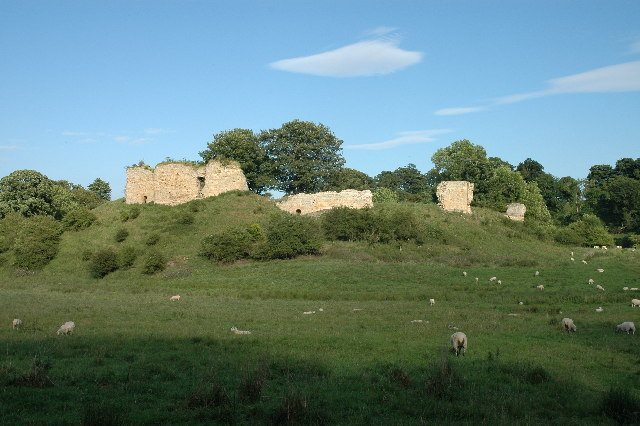
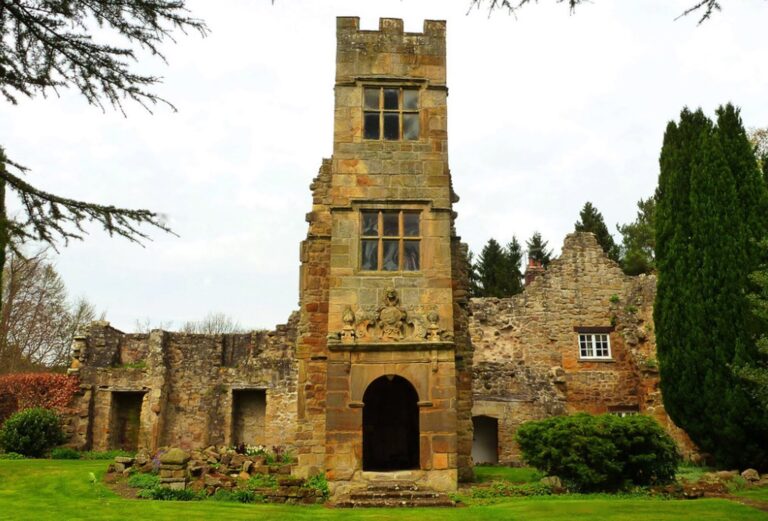
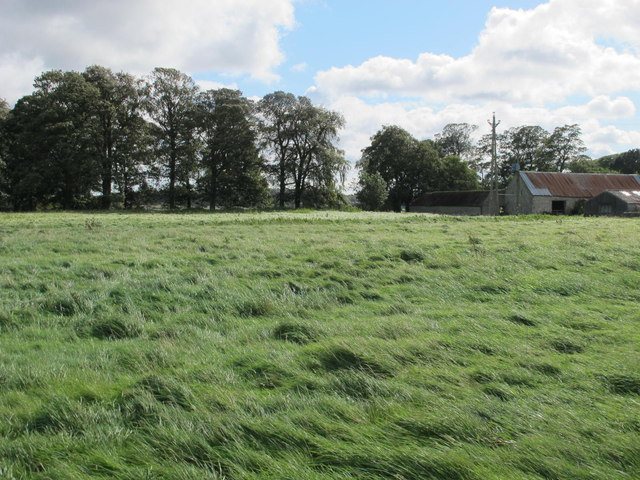
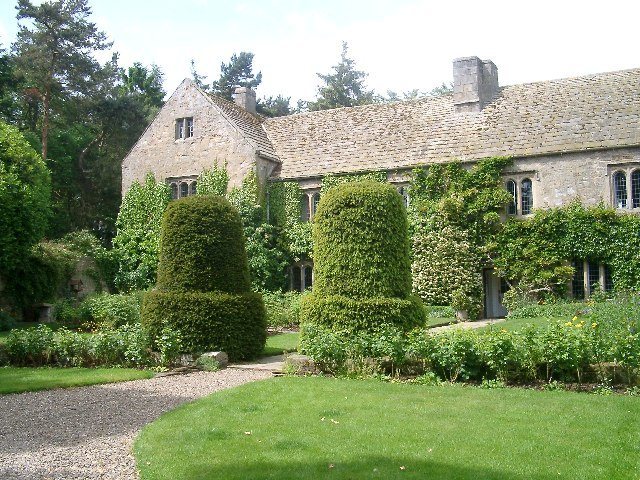
The present building is largely the result of rebuilding after 1660. It incorporates a surviving medieval residential tower, while portions of a double moat remain on the western and northern sides.
The tower retains a projecting latrine, or toilet structure, as part of its medieval fabric.